대법원, 6년간 소수민족 투표권을 보호해온 획기적 법안을 훼손
Supreme Court hollows out a landmark law that had protected minority voting rights for 6 decades
Associated Press
· 🇺🇸 New York, US
https://apnews.com/author/gary-fields
EN
2026-05-01 03:25
Translated
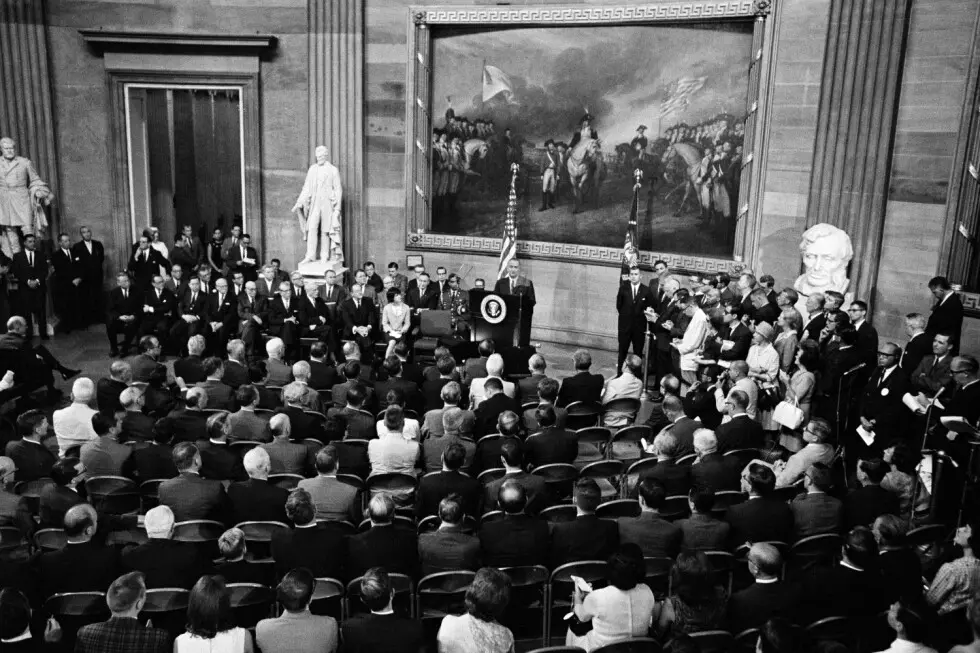
워싱턴 (AP) — 린든 B. 존슨 대통령은 서명하려던 법안이 얼마나 중대한지 알았고, 의회 일부 의원들이 투표로 인해 의석을 잃을 수 있어 통과시키기 위해 용기가 필요했다.
이를 경의를 표하기 위해 그는 타원형 사무실을 떠나 캐피톨 힐로 가서 서명식을 거행했다. 1965년 8월 6일, "피의 일요일" 사건이 셀마, 앨라배마에서 인권 행진자들을 공격한 지 5개월 후였으며, 이것이 투표권법으로 알려진 법안에 탄력을 주었다.
지난 6년간 이 법은 국가 역사상 가장 중대한 법 중 하나가 되어 투표소에서 소수민족에 대한 차별을 방지하고 모든 수준의 정부에서 수천 명의 흑인 및 히스패닉 대표자들이 선출되는 것을 도왔다.
수요일, 미국 대법원은 투표와 대표성에서 인종 차별을 방지해온 법안의 주요 축을 무효화했다. 이 판결은 대법원이 법안의 또 다른 핵심 조항을 훼손한 지 10년 이상 지난 후의 판결이었으며, 여러 주의 제한적 투표법으로 이어졌다. 투표권과 시민권 옹호자들은 소수민족 공동체의 미래가 어떻게 될지 우려했다.
"전체 공동체가 대표성을 갖지 못할 수 있다는 뜻입니다"라고 흑인 투표자 문제 단체인 Black Voters Matter의 공동 창립자 클리프 알브라이트는 말했다. "이는 말 그대로 우리를 짐 크로우 시대로 던져버리는 것이며, 이것은 과장이 아닙니다."
브레넌 정의 센터 워싱턴 사무실의 부회장인 카림 크레이턴은 대법원의 투표권법 훼손 작업이 수요일의 판결로 절정에 달했다고 말했으며, 이는 "장례식 없이 그것을 묻는 것"이라고 표현했다.
민주당 주(State) 상원의원 클레오 필즈는 2024년 1월 8일 배턴루주, 루이지애나에서 루이지애나 주의회 선서식에서 연설했다. (AP 사진/제럴드 허버트, 풀, 파일)
대법원의 판결은 루이지애나의 하원 의원으로 주의 두 번째 흑인 대표자를 낳은 지구를 만든 루이지애나에서의 의회 재편 사건에서 나왔다.
이 지도를 인종을 고려하여 선을 그었기 때문에 위헌적인 게리맨더링이라고 판단했다. 사무엘 알리토 대법관이 작성한 의견에서 대법원의 보수 다수파는 투표권법의 제2조라고 불리는 조항이 의도적인 차별로부터 유권자를 보호하도록 설계되었다고 말했다.
엘레나 카건 대법관은 반대 의견에서 의도적인 차별을 보여주기 위한 기준이 "투표권 문제에 대한 모든 도전 중 차별을 증명하기 위한 거의 극복할 수 없는 장애물"이라고 말했다.
투표권 전문가들은 이 판결이 투표권법을 과거의 껍질만 남기고 지역 학교 구역에서 주 입법부, 의회에 이르기까지 모든 수준의 정치 지도자들에게 소수민족 대표성을 훼손할 수 있는 열린 문을 제공할 것이라고 말했다.
"우리는 극우 대법원의 손에 의해 미국의 가장 위대한 입법 법안이 훼손되고 있습니다"라고 뉴욕의 민주당 하원의원 릿치 토레스는 말했다.
Voto Latino의 회장인 마리아 테레사 쿠마르는 이 판결이 "의회 지구뿐만 아니라 주 입법부, 카운티 위원회, 학교위원회, 시의회"에서 인구를 "쪼개기와 채우기"를 더욱 공격적으로 허용할 것이라고 말했다.
목요일, 여러 인권 단체들은 대법원 판결을 규탄하고 그 영향에 맞서 싸우겠다는 공동 기자회견을 열었다.
전미 어반리그 회장이자 CEO인 마크 모리알은 현재의 순간을 단지 민주당과 공화당 간의 정치적 통제 싸움으로만 정의하는 것에 주의를 기울였다.
"이 판결은 1954년 Brown v. Board of Education 판결로 시작된 시민권 운동의 성과에 대한 정면 공격의 계속입니다"라고 그는 말했다.
1966년 5월 3일, 1965년 연방 투표권법 이후 최초의 주요 남부 선거인 민주당 예비선거에서 투표하기 위해 약 1,000명의 아프리카계 미국인들이 버밍엄, 앨라배마에서 줄을 서 있다. (AP 사진)
투표권 전문가들은 지난 수십 년간 법안의 영향에 대해 의심하지 않는다고 말했다.
하워드 대학의 법학 교수이자 NAACP 법적 방어 기금의 전 회장인 셰릴린 이필은 1970년에 전국적으로 약 1,500명의 흑인 선출직 공무원이 있었다고 말했다. 오늘날 그 수는 10,000명 이상이다.
"그리고 이것은 사람들의 마음이 좋아서가 아닙니다"라고 그녀는 말했다.
그녀는 그 성공이 흑인 공동체, 시민권 활동가, 변호사들이 투표권법을 통해 흑인 및 히스패닉 유권자의 투표력을 줄이려는 노력에 도전할 수 있는 도구를 가지고 있다는 직접적인 결과라고 말했다. 대부분의 제2조 사건은 지방 정부에서의 대표성에 관한 것이었다.
미국 시민자유연맹 투표권 프로젝트의 부국장인 소피아 린 라킨은 대표성 상실, 특히 주 입법부와 의회에서는 소수민족 공동체가 의료, 교육, 필요한 공공 사업 개선과 같은 그들에게 중요한 문제에 대한 목소리를 잃는 것으로 이어질 것이라고 말했다.
"주들은 이제 색깔의 유권자들을 대표성에서 박탈하는 지도를 정당화하기 위해 당파적 목표를 지적할 수 있으며, 연방 법원은 개입할 근거가 거의 없을 것입니다"라고 그녀는 말했다.
NAACP 법적 방어 기금의 대표들은 2013년 6월 25일 앨라배마의 투표권 사건인 Shelby County v. Holder 판결을 기다리면서 워싱턴의 대법원 밖에 서 있다. (AP 사진/J. 스콧 애플화이트, 파일)
존슨이 61년 전에 서명한 획기적인 법은 수년에 걸쳐 개정되었지만, 가장 큰 변화는 2013년 대법원이 Shelby County v. Holder에서 판결을 내렸을 때였다. 그 판결은 본질적으로 투표권법의 조항을 종료하여 주와 지방 관할권이 투표 관련 변경에 대해 사전 승인 또는 사전 승인을 위해 미국 법무부에서 승인을 받아야 하는 목록에 포함되는 방식을 의무화했다.
그 판결은 주로 공화당 주들이 제한적 선거 법안의 물결을 통과시킬 수 있는 길을 열었으며, 특히 공화당 도널드 트럼프 대통령이 광범위한 사기가 2020년 민주당 조 바이든에 대한 재선을 빼앗겼다고 거짓으로 주장한 후이다.
2023년의 놀라운 판결에서 대법원은 앨라배마에서의 재편 사건에서 제2조를 지지했으며, 이는 수요일에 본질적으로 되돌린 판결이었다.
이제 질문은 소수민족 대표자들과 그들이 대표하는 공동체에 대해 다음에 무엇이 올 것인가하는 것이다.
루이지애나에서는 이 판결이 민주당 대표 클레오 필즈를 위험 목록에 올린다. 주의 최고 선출직 지도자들은 모두 공화당이며 이미 의회 지도를 다시 그릴 수 있도록 주의 5월 16일 예비선거를 연기할 계획을 세우고 있다.
이것이 재편이 필즈의 정치 계획을 복잡하게 한 첫 번째 경우가 아니다. 그는 1990년대에 2년 동안 복무했고 주가 그의 의회 지구를 다시 그렸다.
"당신 알다시피, 33년 전에 이 길을 가본 적이 있습니다"라고 그는 말했다.
대법원의 2023년 판결 후 앨라배마에서 만들어진 의석을 차지한 쇼마리 피규어스는 그 판결이 주의 현재 의회 지구에 변화를 주지 않지만 재편 사건에서 미래의 인종 차별을 증명하는 것을 훨씬 더 어렵게 만들었다고 말했다.
"이는 주로 남부의 주들이 흑인 유권자의 영향을 약화시키고 의회에 흑인 의원을 선출할 수 있는 현실적 기회의 수를 급격히 줄이는 방식으로 지구를 다시 그리려는 즉각적인 노력을 시작하도록 이끌 것입니다"라고 그는 말했다.
필즈의 창설로 이어진 소송의 원고였던 앨라배마 주민 샬렐라 다우디는 이 판결이 2023년에 만들어진 지구의 롤백으로 이어질 것이라고 우려했으며, 그녀는 그것이 흑인 유권자들에게 더 큰 목소리를 주었다고 말했다.
"이 수준에서 주의 손에 맡기는 것은 위험합니다"라고 다우디는 말했다. "주들이 그들의 주 인구를 바탕으로 올바른 일을 하지 않았다는 역사가 있을 뿐입니다."
이를 경의를 표하기 위해 그는 타원형 사무실을 떠나 캐피톨 힐로 가서 서명식을 거행했다. 1965년 8월 6일, "피의 일요일" 사건이 셀마, 앨라배마에서 인권 행진자들을 공격한 지 5개월 후였으며, 이것이 투표권법으로 알려진 법안에 탄력을 주었다.
지난 6년간 이 법은 국가 역사상 가장 중대한 법 중 하나가 되어 투표소에서 소수민족에 대한 차별을 방지하고 모든 수준의 정부에서 수천 명의 흑인 및 히스패닉 대표자들이 선출되는 것을 도왔다.
수요일, 미국 대법원은 투표와 대표성에서 인종 차별을 방지해온 법안의 주요 축을 무효화했다. 이 판결은 대법원이 법안의 또 다른 핵심 조항을 훼손한 지 10년 이상 지난 후의 판결이었으며, 여러 주의 제한적 투표법으로 이어졌다. 투표권과 시민권 옹호자들은 소수민족 공동체의 미래가 어떻게 될지 우려했다.
"전체 공동체가 대표성을 갖지 못할 수 있다는 뜻입니다"라고 흑인 투표자 문제 단체인 Black Voters Matter의 공동 창립자 클리프 알브라이트는 말했다. "이는 말 그대로 우리를 짐 크로우 시대로 던져버리는 것이며, 이것은 과장이 아닙니다."
브레넌 정의 센터 워싱턴 사무실의 부회장인 카림 크레이턴은 대법원의 투표권법 훼손 작업이 수요일의 판결로 절정에 달했다고 말했으며, 이는 "장례식 없이 그것을 묻는 것"이라고 표현했다.
민주당 주(State) 상원의원 클레오 필즈는 2024년 1월 8일 배턴루주, 루이지애나에서 루이지애나 주의회 선서식에서 연설했다. (AP 사진/제럴드 허버트, 풀, 파일)
대법원의 판결은 루이지애나의 하원 의원으로 주의 두 번째 흑인 대표자를 낳은 지구를 만든 루이지애나에서의 의회 재편 사건에서 나왔다.
이 지도를 인종을 고려하여 선을 그었기 때문에 위헌적인 게리맨더링이라고 판단했다. 사무엘 알리토 대법관이 작성한 의견에서 대법원의 보수 다수파는 투표권법의 제2조라고 불리는 조항이 의도적인 차별로부터 유권자를 보호하도록 설계되었다고 말했다.
엘레나 카건 대법관은 반대 의견에서 의도적인 차별을 보여주기 위한 기준이 "투표권 문제에 대한 모든 도전 중 차별을 증명하기 위한 거의 극복할 수 없는 장애물"이라고 말했다.
투표권 전문가들은 이 판결이 투표권법을 과거의 껍질만 남기고 지역 학교 구역에서 주 입법부, 의회에 이르기까지 모든 수준의 정치 지도자들에게 소수민족 대표성을 훼손할 수 있는 열린 문을 제공할 것이라고 말했다.
"우리는 극우 대법원의 손에 의해 미국의 가장 위대한 입법 법안이 훼손되고 있습니다"라고 뉴욕의 민주당 하원의원 릿치 토레스는 말했다.
Voto Latino의 회장인 마리아 테레사 쿠마르는 이 판결이 "의회 지구뿐만 아니라 주 입법부, 카운티 위원회, 학교위원회, 시의회"에서 인구를 "쪼개기와 채우기"를 더욱 공격적으로 허용할 것이라고 말했다.
목요일, 여러 인권 단체들은 대법원 판결을 규탄하고 그 영향에 맞서 싸우겠다는 공동 기자회견을 열었다.
전미 어반리그 회장이자 CEO인 마크 모리알은 현재의 순간을 단지 민주당과 공화당 간의 정치적 통제 싸움으로만 정의하는 것에 주의를 기울였다.
"이 판결은 1954년 Brown v. Board of Education 판결로 시작된 시민권 운동의 성과에 대한 정면 공격의 계속입니다"라고 그는 말했다.
1966년 5월 3일, 1965년 연방 투표권법 이후 최초의 주요 남부 선거인 민주당 예비선거에서 투표하기 위해 약 1,000명의 아프리카계 미국인들이 버밍엄, 앨라배마에서 줄을 서 있다. (AP 사진)
투표권 전문가들은 지난 수십 년간 법안의 영향에 대해 의심하지 않는다고 말했다.
하워드 대학의 법학 교수이자 NAACP 법적 방어 기금의 전 회장인 셰릴린 이필은 1970년에 전국적으로 약 1,500명의 흑인 선출직 공무원이 있었다고 말했다. 오늘날 그 수는 10,000명 이상이다.
"그리고 이것은 사람들의 마음이 좋아서가 아닙니다"라고 그녀는 말했다.
그녀는 그 성공이 흑인 공동체, 시민권 활동가, 변호사들이 투표권법을 통해 흑인 및 히스패닉 유권자의 투표력을 줄이려는 노력에 도전할 수 있는 도구를 가지고 있다는 직접적인 결과라고 말했다. 대부분의 제2조 사건은 지방 정부에서의 대표성에 관한 것이었다.
미국 시민자유연맹 투표권 프로젝트의 부국장인 소피아 린 라킨은 대표성 상실, 특히 주 입법부와 의회에서는 소수민족 공동체가 의료, 교육, 필요한 공공 사업 개선과 같은 그들에게 중요한 문제에 대한 목소리를 잃는 것으로 이어질 것이라고 말했다.
"주들은 이제 색깔의 유권자들을 대표성에서 박탈하는 지도를 정당화하기 위해 당파적 목표를 지적할 수 있으며, 연방 법원은 개입할 근거가 거의 없을 것입니다"라고 그녀는 말했다.
NAACP 법적 방어 기금의 대표들은 2013년 6월 25일 앨라배마의 투표권 사건인 Shelby County v. Holder 판결을 기다리면서 워싱턴의 대법원 밖에 서 있다. (AP 사진/J. 스콧 애플화이트, 파일)
존슨이 61년 전에 서명한 획기적인 법은 수년에 걸쳐 개정되었지만, 가장 큰 변화는 2013년 대법원이 Shelby County v. Holder에서 판결을 내렸을 때였다. 그 판결은 본질적으로 투표권법의 조항을 종료하여 주와 지방 관할권이 투표 관련 변경에 대해 사전 승인 또는 사전 승인을 위해 미국 법무부에서 승인을 받아야 하는 목록에 포함되는 방식을 의무화했다.
그 판결은 주로 공화당 주들이 제한적 선거 법안의 물결을 통과시킬 수 있는 길을 열었으며, 특히 공화당 도널드 트럼프 대통령이 광범위한 사기가 2020년 민주당 조 바이든에 대한 재선을 빼앗겼다고 거짓으로 주장한 후이다.
2023년의 놀라운 판결에서 대법원은 앨라배마에서의 재편 사건에서 제2조를 지지했으며, 이는 수요일에 본질적으로 되돌린 판결이었다.
이제 질문은 소수민족 대표자들과 그들이 대표하는 공동체에 대해 다음에 무엇이 올 것인가하는 것이다.
루이지애나에서는 이 판결이 민주당 대표 클레오 필즈를 위험 목록에 올린다. 주의 최고 선출직 지도자들은 모두 공화당이며 이미 의회 지도를 다시 그릴 수 있도록 주의 5월 16일 예비선거를 연기할 계획을 세우고 있다.
이것이 재편이 필즈의 정치 계획을 복잡하게 한 첫 번째 경우가 아니다. 그는 1990년대에 2년 동안 복무했고 주가 그의 의회 지구를 다시 그렸다.
"당신 알다시피, 33년 전에 이 길을 가본 적이 있습니다"라고 그는 말했다.
대법원의 2023년 판결 후 앨라배마에서 만들어진 의석을 차지한 쇼마리 피규어스는 그 판결이 주의 현재 의회 지구에 변화를 주지 않지만 재편 사건에서 미래의 인종 차별을 증명하는 것을 훨씬 더 어렵게 만들었다고 말했다.
"이는 주로 남부의 주들이 흑인 유권자의 영향을 약화시키고 의회에 흑인 의원을 선출할 수 있는 현실적 기회의 수를 급격히 줄이는 방식으로 지구를 다시 그리려는 즉각적인 노력을 시작하도록 이끌 것입니다"라고 그는 말했다.
필즈의 창설로 이어진 소송의 원고였던 앨라배마 주민 샬렐라 다우디는 이 판결이 2023년에 만들어진 지구의 롤백으로 이어질 것이라고 우려했으며, 그녀는 그것이 흑인 유권자들에게 더 큰 목소리를 주었다고 말했다.
"이 수준에서 주의 손에 맡기는 것은 위험합니다"라고 다우디는 말했다. "주들이 그들의 주 인구를 바탕으로 올바른 일을 하지 않았다는 역사가 있을 뿐입니다."
처리 완료
6,395 tokens · $0.0180
기사 수집 완료 · 03:25
매체 피드에서 기사 메타데이터 수집
헤드라인 번역 완료 · 03:36
제목/요약 한국어 번역 (fetch 시점 inline)
claude-haiku-4-5-20251001
123 tokens
$0.00028
1.3s
본문 추출 완료
8,703자 추출 완료
본문 한국어 번역 완료 · 03:36
3,715자 번역 완료
claude-haiku-4-5-20251001
6,272 tokens
$0.01769
42.3s
지정학적 엔티티 추출 완료 · 03:36
8개 엔티티 추출 완료
지정학적 맥락 & R-Scanner
R-Scanner · 평상
z=-5.02
일상적인 보도 수준 — 기준: Alabama
(🇺🇸 US)
최근 6시간 0건
7일 평균 26.18건 / 6h
0개국 매체
0개 매체
본문에서 추출된 지명 (8)
Alabama
🇺🇸
Louisiana
🇺🇸
Washington
🇺🇸
Selma
🇺🇸
Baton Rouge
🇺🇸
Birmingham
🇺🇸
New York
🇺🇸
Montgomery
🇺🇸
위치 지도
지도 로딩 중…
같은 주제의 다른 기사 (최근 7일)
WASHINGTON (AP) — President Lyndon B. Johnson knew the legislation he was about to sign was momentous, one that took courage for certain members of Congress to pass since the vote could cost them their seats.
To honor that, he took the unusual step of leaving the Oval Office and going to Capitol Hill for the signing ceremony. It was Aug. 6, 1965, five months after the “Bloody Sunday” attack on civil rights marchers in Selma, Alabama, gave momentum to the bill that became known as the Voting Rights Act.
In the six decades since, it became one of the most consequential laws in the nation’s history, preventing discrimination against minorities at the ballot box and helping to elect thousands of Black and Hispanic representatives at all levels of government.
On Wednesday, the U.S. Supreme Court knocked out a major pillar of the law that had protected against racial discrimination in voting and representation. It was a decision that came more than a decade after the court undermined another key tenet of the law and led to restrictive voting laws in a number of states. Voting and civil rights advocates were left fearful of what lies ahead for minority communities.
“It means that you have entire communities that can go without having representation,” said Cliff Albright, a co-founder of the group Black Voters Matter. “It is literally throwing us back to the Jim Crow era unapologetically, and that’s not exaggeration.”
Kareem Crayton, vice president of the Brennan Center for Justice’s Washington office, said the court’s steady work to erode the Voting Rights Act, culminating in Wednesday’s decision, amounted to “burying it without the funeral.”
Democrat State Sen. Cleo Fields speaks during the swearing in of the Louisiana state legislature in Baton Rouge, La., Jan. 8, 2024. (AP Photo/Gerald Herbert, Pool, File)
Democrat State Sen. Cleo Fields speaks during the swearing in of the Louisiana state legislature in Baton Rouge, La., Jan. 8, 2024. (AP Photo/Gerald Herbert, Pool, File)
The Supreme Court’s ruling came in a congressional redistricting case out of Louisiana after the state created a district that gave the state its second Black representative to Congress.
It found that map to be an unconstitutional gerrymander because it took race into account to draw the lines. In an opinion written by Justice Samuel Alito, the court’s conservative majority said the provision of the Voting Rights Act in question, called Section 2, was designed to protect voters from intentional discrimination.
Justice Elena Kagan in her dissent said the bar to show intentional discrimination is “an almost insurmountable barrier for challenges to any voting rights issues to prove discrimination.”
Voting rights experts said the ruling leaves the Voting Rights Act only a shell of what it had been and will provide an open door for political mapmakers at every level — from local school districts to state legislatures to Congress — to undermine minority representation.
“We’re witnessing the evisceration of America’s greatest legislative landmark at the hands of a far right Supreme Court,” Democratic U.S. Rep. Ritchie Torres of New York said.
Maria Teresa Kumar, president of Voto Latino, said the decision will allow more aggressive “cracking and packing” of populations to dilute their votes, “not just in congressional districts but also in state legislatures, county commissions, school boards and city councils.”
On Thursday, several civil rights groups held a joint news conference to condemn the Supreme Court ruling and pledge to fight its impacts.
Marc Morial, National Urban League president and CEO, cautioned against framing the current moment as merely a battle for political control between Democrats and Republicans.
“This decision is a continuation of a frontal assault on the gains of the Civil Rights Movement that began in 1954 with the Brown versus Board of Education decision,” he said.
An estimated 1,000 African Americans wait in line to vote in the Democratic primary, the first major southern election since the 1965 Federal Voting Rights Act, in Birmingham, Alabama on May 3, 1966. (AP Photo)
An estimated 1,000 African Americans wait in line to vote in the Democratic primary, the first major southern election since the 1965 Federal Voting Rights Act, in Birmingham, Alabama on May 3, 1966. (AP Photo)
Voting rights experts said there is no doubting the law’s impact over the decades.
Sherrilyn Ifill, a law professor at Howard University and the former president of the NAACP Legal Defense Fund, said there were about 1,500 Black elected officials throughout the country in 1970. Today, that stands at more than 10,000.
“And it isn’t because of the goodness of people’s hearts,” she said.
She said that success was a direct result of Black communities, civil rights activists and lawyers having the tools, through the Voting Rights Act, to file challenges to efforts to diminish the voting strength of Black and Hispanic voters. Most of the Section 2 cases have been over representation in local governments.
A loss of representation, especially in state legislatures and Congress, will translate into minority communities losing a voice on issues that matter to them, such as healthcare, education and needed public works upgrades, said Sophia Lin Lakin, deputy director of the American Civil Liberties Union’s Voting Rights Project.
“States can now point to partisan objectives to justify maps that strip voters of color of representation, and federal courts will have little basis to intervene,” she said.
Representatives from the NAACP Legal Defense Fund stand outside the Supreme Court in Washington, June 25, 2013, awaiting a decision in Shelby County v. Holder, a voting rights case in Alabama. (AP Photo/J. Scott Applewhite, File)
Representatives from the NAACP Legal Defense Fund stand outside the Supreme Court in Washington, June 25, 2013, awaiting a decision in Shelby County v. Holder, a voting rights case in Alabama. (AP Photo/J. Scott Applewhite, File)
The landmark law signed by Johnson 61 years ago had been amended over the years, but the biggest change was in 2013, when the Supreme Court released its ruling in Shelby County v. Holder. That decision essentially ended a provision of the Voting Rights Act mandating the way states and local jurisdictions were included on a list of those needing to get advance approval, or preclearance, from the U.S. Justice Department for voting-related changes.
That decision paved the way for mostly Republican states to pass a wave of restrictive election legislation, especially after President Donald Trump, a Republican, falsely claimed widespread fraud cost him reelection in 2020 against Democrat Joe Biden.
In a surprise ruling in 2023, the Supreme Court upheld Section 2 in a redistricting case out of Alabama, a ruling that it essentially reversed on Wednesday.
The question now is what comes next, for minority representatives and the communities they represent.
In Louisiana, the decision puts Democratic Rep. Cleo Fields on the endangered list. The state’s top elected leaders, all Republicans, already are planning to postpone the state’s May 16 primary so they can redraw the congressional maps.
This isn’t the first time redistricting has complicated Fields’ political plans. He served for two terms in the 1990s before the state redrew his congressional district.
“I’ve been down this road before, you know, 33 years ago,” he said.
Shomari Figures, who won the seat created in Alabama after the court’s 2023 decision, said the decision doesn’t make changes to that state’s current congressional districts, but it has made proving future racial discrimination in redistricting cases significantly tougher.
“It will lead to states, primarily in the South, launching immediate efforts to redraw districts in ways that will dilute the impact of Black voters and drastically reduce the number of realistic opportunities to elect Black members to Congress,” he said.
Shalela Dowdy, an Alabama resident who was a plaintiff in the lawsuit that resulted in the creation of a new district now represented by Figures, said she is worried the decision will lead to the rollback of the district created in 2023, which she said gave Black voters a greater voice.
“Putting it in the hands of the states on this level is dangerous,” Dowdy said. “There’s just been a history of the states not doing the right thing based off their state population.”
Chandler reported from Montgomery, Ala. Associated Press writers Jeff Amy in Atlanta; Joey Cappelletti, Matt Brown and Haya Panjwani in Washington; and Graham Lee Brewer in Oklahoma City contributed to this report.
To honor that, he took the unusual step of leaving the Oval Office and going to Capitol Hill for the signing ceremony. It was Aug. 6, 1965, five months after the “Bloody Sunday” attack on civil rights marchers in Selma, Alabama, gave momentum to the bill that became known as the Voting Rights Act.
In the six decades since, it became one of the most consequential laws in the nation’s history, preventing discrimination against minorities at the ballot box and helping to elect thousands of Black and Hispanic representatives at all levels of government.
On Wednesday, the U.S. Supreme Court knocked out a major pillar of the law that had protected against racial discrimination in voting and representation. It was a decision that came more than a decade after the court undermined another key tenet of the law and led to restrictive voting laws in a number of states. Voting and civil rights advocates were left fearful of what lies ahead for minority communities.
“It means that you have entire communities that can go without having representation,” said Cliff Albright, a co-founder of the group Black Voters Matter. “It is literally throwing us back to the Jim Crow era unapologetically, and that’s not exaggeration.”
Kareem Crayton, vice president of the Brennan Center for Justice’s Washington office, said the court’s steady work to erode the Voting Rights Act, culminating in Wednesday’s decision, amounted to “burying it without the funeral.”
Democrat State Sen. Cleo Fields speaks during the swearing in of the Louisiana state legislature in Baton Rouge, La., Jan. 8, 2024. (AP Photo/Gerald Herbert, Pool, File)
Democrat State Sen. Cleo Fields speaks during the swearing in of the Louisiana state legislature in Baton Rouge, La., Jan. 8, 2024. (AP Photo/Gerald Herbert, Pool, File)
The Supreme Court’s ruling came in a congressional redistricting case out of Louisiana after the state created a district that gave the state its second Black representative to Congress.
It found that map to be an unconstitutional gerrymander because it took race into account to draw the lines. In an opinion written by Justice Samuel Alito, the court’s conservative majority said the provision of the Voting Rights Act in question, called Section 2, was designed to protect voters from intentional discrimination.
Justice Elena Kagan in her dissent said the bar to show intentional discrimination is “an almost insurmountable barrier for challenges to any voting rights issues to prove discrimination.”
Voting rights experts said the ruling leaves the Voting Rights Act only a shell of what it had been and will provide an open door for political mapmakers at every level — from local school districts to state legislatures to Congress — to undermine minority representation.
“We’re witnessing the evisceration of America’s greatest legislative landmark at the hands of a far right Supreme Court,” Democratic U.S. Rep. Ritchie Torres of New York said.
Maria Teresa Kumar, president of Voto Latino, said the decision will allow more aggressive “cracking and packing” of populations to dilute their votes, “not just in congressional districts but also in state legislatures, county commissions, school boards and city councils.”
On Thursday, several civil rights groups held a joint news conference to condemn the Supreme Court ruling and pledge to fight its impacts.
Marc Morial, National Urban League president and CEO, cautioned against framing the current moment as merely a battle for political control between Democrats and Republicans.
“This decision is a continuation of a frontal assault on the gains of the Civil Rights Movement that began in 1954 with the Brown versus Board of Education decision,” he said.
An estimated 1,000 African Americans wait in line to vote in the Democratic primary, the first major southern election since the 1965 Federal Voting Rights Act, in Birmingham, Alabama on May 3, 1966. (AP Photo)
An estimated 1,000 African Americans wait in line to vote in the Democratic primary, the first major southern election since the 1965 Federal Voting Rights Act, in Birmingham, Alabama on May 3, 1966. (AP Photo)
Voting rights experts said there is no doubting the law’s impact over the decades.
Sherrilyn Ifill, a law professor at Howard University and the former president of the NAACP Legal Defense Fund, said there were about 1,500 Black elected officials throughout the country in 1970. Today, that stands at more than 10,000.
“And it isn’t because of the goodness of people’s hearts,” she said.
She said that success was a direct result of Black communities, civil rights activists and lawyers having the tools, through the Voting Rights Act, to file challenges to efforts to diminish the voting strength of Black and Hispanic voters. Most of the Section 2 cases have been over representation in local governments.
A loss of representation, especially in state legislatures and Congress, will translate into minority communities losing a voice on issues that matter to them, such as healthcare, education and needed public works upgrades, said Sophia Lin Lakin, deputy director of the American Civil Liberties Union’s Voting Rights Project.
“States can now point to partisan objectives to justify maps that strip voters of color of representation, and federal courts will have little basis to intervene,” she said.
Representatives from the NAACP Legal Defense Fund stand outside the Supreme Court in Washington, June 25, 2013, awaiting a decision in Shelby County v. Holder, a voting rights case in Alabama. (AP Photo/J. Scott Applewhite, File)
Representatives from the NAACP Legal Defense Fund stand outside the Supreme Court in Washington, June 25, 2013, awaiting a decision in Shelby County v. Holder, a voting rights case in Alabama. (AP Photo/J. Scott Applewhite, File)
The landmark law signed by Johnson 61 years ago had been amended over the years, but the biggest change was in 2013, when the Supreme Court released its ruling in Shelby County v. Holder. That decision essentially ended a provision of the Voting Rights Act mandating the way states and local jurisdictions were included on a list of those needing to get advance approval, or preclearance, from the U.S. Justice Department for voting-related changes.
That decision paved the way for mostly Republican states to pass a wave of restrictive election legislation, especially after President Donald Trump, a Republican, falsely claimed widespread fraud cost him reelection in 2020 against Democrat Joe Biden.
In a surprise ruling in 2023, the Supreme Court upheld Section 2 in a redistricting case out of Alabama, a ruling that it essentially reversed on Wednesday.
The question now is what comes next, for minority representatives and the communities they represent.
In Louisiana, the decision puts Democratic Rep. Cleo Fields on the endangered list. The state’s top elected leaders, all Republicans, already are planning to postpone the state’s May 16 primary so they can redraw the congressional maps.
This isn’t the first time redistricting has complicated Fields’ political plans. He served for two terms in the 1990s before the state redrew his congressional district.
“I’ve been down this road before, you know, 33 years ago,” he said.
Shomari Figures, who won the seat created in Alabama after the court’s 2023 decision, said the decision doesn’t make changes to that state’s current congressional districts, but it has made proving future racial discrimination in redistricting cases significantly tougher.
“It will lead to states, primarily in the South, launching immediate efforts to redraw districts in ways that will dilute the impact of Black voters and drastically reduce the number of realistic opportunities to elect Black members to Congress,” he said.
Shalela Dowdy, an Alabama resident who was a plaintiff in the lawsuit that resulted in the creation of a new district now represented by Figures, said she is worried the decision will lead to the rollback of the district created in 2023, which she said gave Black voters a greater voice.
“Putting it in the hands of the states on this level is dangerous,” Dowdy said. “There’s just been a history of the states not doing the right thing based off their state population.”
Chandler reported from Montgomery, Ala. Associated Press writers Jeff Amy in Atlanta; Joey Cappelletti, Matt Brown and Haya Panjwani in Washington; and Graham Lee Brewer in Oklahoma City contributed to this report.