이스라엘에 대한 유권자 지지 하락, 미국의 군사 원조 합의 흔들어
Slump in voters’ support for Israel shakes US consensus over military aid
The Guardian
· 🇬🇧 London, GB
Andrew Rothin Washington
EN
2026-04-17 20:00
Translated
양당 간 특수 관계에 대한 지지가 삐걱대고 있음. 중동 분쟁으로 인해 여론이 변화하면서, 수십 년간 지속되어 온 이스라엘 군사 원조에 대한 양당 합의가 위협받고 있음. 미국 여론조사, 대선 유력 후보들, 심지어 친이스라엘 로비 단체들 사이에서도 미국과 이스라엘 간의 특수 관계가 현재 좌파의 인권 우려와 우파의 새로운 '미국 우선' 외교 정책 물결로 인해 공격받고 있으며, 이는 2028년 대선을 포함한 향후 선거에 영향을 미칠 수 있음.
중동에서의 이스라엘 분쟁이 미국 여론에 큰 변화를 가져왔으며, 수십 년간 지속되어 온 이스라엘 군사 원조에 대한 양당 합의를 위협하고 있다.
미국인을 대상으로 한 여론조사, 대선 유력 후보들 사이, 심지어 친이스라엘 로비 단체들에서도 미국과 이스라엘 간의 특수 관계가 현재 좌파의 인권 우려와 우파의 새로운 '미국 우선' 외교 정책 물결로 인해 공격받고 있으며, 이는 2028년 대선을 포함한 향후 선거에 영향을 미칠 수 있다.
이 변화는 좌파에서 특히 뚜렷하다. 버니 샌더스 상원의원이 지난해 이스라엘에 대한 무기 판매에 반대하는 공동 불승인 결의안(JRD)을 처음 제출했을 때, 민주당 상원의원 15명만이 찬성표를 던졌다. 지난 7월 유사한 투표에서는 27명의 지지를 얻었다.
목요일, 서부안, 가자지구, 레바논에서 주택 파괴에 사용될 수 있다고 샌더스가 주장한 캐터필러 D9 불도저 공급에 반대하는 투표는 다시 패배했지만, 기록적인 40명의 민주당 상원의원이 지지했다. (이스라엘에 대한 1,000파운드 폭탄 판매를 제한하는 또 다른 조치는 36대 63표로 기각되었다.)
관찰자들은 가장 중요한 점으로, 결의안 지지로 입장을 바꾼 다수의 민주당 상원의원들이 2028년 대선 출마를 고려하고 있다는 점을 꼽았다.
"공개적으로 좌파에서 대선 출마를 고려하고 있는 상원의원들 중 누구도 반대표를 던지지 않았다"고 조나단 호프먼 캐토 연구소 외교정책 분석가가 말했다. 그는 미국과 이스라엘의 관계를 미국의 '전략적 부담'이라고 불러왔다.
"나는 민주당 동료들과 자주 이런 대화를 나눈다: 2028년 민주당 예비선거 후보가 미국 대 이스라엘 원조를 공개적으로 부인하지 않으면, 심지어 미국-이스라엘 특수 관계조차 부인하지 않으면 승리하기 매우 어려울 것이라고 생각한다. 2028년까지 그 지점에 도달할 것이라고 본다."
중도 민주당원들 사이의 변화는 가자지구 전쟁 기간 이스라엘군의 행동으로 인한 여론 변화와 도널드 트럼프의 이란 전쟁 지지에 대한 분노에 의해 촉발되었다.
"우리 모두 현재 이 지역에서 일어나고 있는 일을 보면서 이것이 평소와 다른 상황이며, 우리를 더 안전하게 만들지 않고 있다는 것을 이해할 수 있다"고 수요일 JRD에 찬성표를 던진 애리조나주 선임 상원의원 마크 켈리가 말했다. "미국과 이스라엘은 명확한 전략이나 목표 없이 이란과 전쟁을 치르고 있다. 나는 이란 전쟁과 네타냐후 총리와 트럼프 대통령이 내리고 있는 무모한 결정에 반대한다는 점을 분명히 해왔다."
이전에는 이스라엘에 대한 공격용 무기 판매를 지지했으나 이제는 이에 대한 목소리 높은 반대자가 된 루벤 갈레고 상원의원은 펀치볼 뉴스에 이 투표가 "네타냐후가 중동 정치를 정말 엉망으로 만들었고, 이스라엘 지지라는 측면에서 양당적 성격을 파괴하고 있다는 것을 의미한다"고 말했다.
그것이 최근 여론조사에서보다 명확해진 곳은 없다. 퓨 리서치 센터는 지난주 미국 성인의 기록적인 60%가 이스라엘에 대해 부정적인 견해를 가지고 있다고 보여주는 여론조사를 발표했으며, 이는 지난해에 비해 7% 증가한 수치다. 미국-이스라엘의 이란 개입 한 달여 만에 실시된 이 여론조사는 또한 뚜렷한 연령 격차를 보여주었다: 양당 모두에서 50세 미만 성인 다수가 현재 이스라엘과 네타냐후를 부정적으로 보고 있다.
이스라엘에 대해 강하게 또는 다소 부정적인 견해를 가지고 있다고 말하는 미국인의 수는 2022년 이후 20%포인트 상승했다. 2022년 하마스는 가자지구에서 급습을 감행해 1,200명 이상을 살해하고 수백 명을 끔찍한 상황에서 인질로 남겨두었다. 이스라엘은 10월 8일 가자지구 전쟁을 시작했으며, 현재까지 7만 2,000명 이상의 팔레스타인인이 사망했고 이는 수십 년간 이어진 미국-이스라엘 관계의 전환점이 되었다.
변화하는 여론이 백악관에서 만들어지는 정책에 즉각적인 영향을 미치지는 않겠지만, 관찰자들은 2028년 대선 주기가 강하게 영향을 받을 것이라고 말했다. 민주당 후보들은 이란 전쟁에서 미국의 이스라엘 지지를 부인하라는 압력을 받을 것이고, 공화당 경선은 보수 정치에서 트럼프의 지속적인 위상에 의해 형성될 것이다.
"민주당 측의 대화는 종종 인권과 국제 규칙 기반 질서 문제에 달려 있다"고 이스라엘에 대한 무기 판매 감독 부족으로 사임한 미국 정치-군사국 의회 및 대외 업무 전 국장 조시 폴이 말했다. "공화당 측에서는 훨씬 더 자주 이스라엘에 대한 납세자 자금 지원, 또는 이것이 미국 우선인가 이스라엘 우선인가 하는 문제로 구성된다. 그리고 이란과의 전쟁은 이것을 더욱 선명하게 부각시켰다."
이번 주 중요한 변화로, '친이스라엘, 친평화'를 표방하는 진보 싱크탱크 J스트리트는 처음으로 철퇴 미사일을 포함한 방어용 무기까지 이스라엘에 대한 직접적인 미국 무기 판매 자금 지원에 반대하는 입장을 바꾸겠다고 발표했다. 이는 리더십이 "미국-이스라엘 안보 관계의 근본적 재평가"라고 말한 것이다. 대신 미국은 이스라엘을 "다른 부유한 미국 동맹국들처럼" 보조금 없이 미국 무기를 구매하도록 대우해야 한다고 제안했다.
"이스라엘이 이 재정 보조를 중단하고 이것을 방정식에서 제거하는 것이 정말 중요하다"고 J스트리트 창립자 제러미 벤아미가 인터뷰에서 말했다. "이스라엘 정부가 하고 있는 일들이 미국 납세자의 달러로 자금 조달되고 있다는 것이 정말 추가적인 분노의 수준을 야기하고 있다."
관계를 악화시키는 요인으로는 "가자지구 전쟁, 서부안에서 증가하는 극단주의 유대인 테러, 그리고 미국-이스라엘의 이란 전쟁"이 포함된다고 그는 말했다.
"우리는 실제로 지금 수 개월 동안 이것을 검토해왔다"고 그는 전화 통화에서 말했다. "그리고 알다시피, 이것을 위한 좋은 순간은 없다. 하지만 알다시피, 서부안에서 일이 계속 진행될수록, 가자지구가 계속 고통받을수록, 이란 전쟁이… 이 모든 것을 합치면, 이것을 중단할 때이며, 우리가 이것에 대한 비용 지불을 중단할 때라고 소리쳐 말해야 한다."
미국인을 대상으로 한 여론조사, 대선 유력 후보들 사이, 심지어 친이스라엘 로비 단체들에서도 미국과 이스라엘 간의 특수 관계가 현재 좌파의 인권 우려와 우파의 새로운 '미국 우선' 외교 정책 물결로 인해 공격받고 있으며, 이는 2028년 대선을 포함한 향후 선거에 영향을 미칠 수 있다.
이 변화는 좌파에서 특히 뚜렷하다. 버니 샌더스 상원의원이 지난해 이스라엘에 대한 무기 판매에 반대하는 공동 불승인 결의안(JRD)을 처음 제출했을 때, 민주당 상원의원 15명만이 찬성표를 던졌다. 지난 7월 유사한 투표에서는 27명의 지지를 얻었다.
목요일, 서부안, 가자지구, 레바논에서 주택 파괴에 사용될 수 있다고 샌더스가 주장한 캐터필러 D9 불도저 공급에 반대하는 투표는 다시 패배했지만, 기록적인 40명의 민주당 상원의원이 지지했다. (이스라엘에 대한 1,000파운드 폭탄 판매를 제한하는 또 다른 조치는 36대 63표로 기각되었다.)
관찰자들은 가장 중요한 점으로, 결의안 지지로 입장을 바꾼 다수의 민주당 상원의원들이 2028년 대선 출마를 고려하고 있다는 점을 꼽았다.
"공개적으로 좌파에서 대선 출마를 고려하고 있는 상원의원들 중 누구도 반대표를 던지지 않았다"고 조나단 호프먼 캐토 연구소 외교정책 분석가가 말했다. 그는 미국과 이스라엘의 관계를 미국의 '전략적 부담'이라고 불러왔다.
"나는 민주당 동료들과 자주 이런 대화를 나눈다: 2028년 민주당 예비선거 후보가 미국 대 이스라엘 원조를 공개적으로 부인하지 않으면, 심지어 미국-이스라엘 특수 관계조차 부인하지 않으면 승리하기 매우 어려울 것이라고 생각한다. 2028년까지 그 지점에 도달할 것이라고 본다."
중도 민주당원들 사이의 변화는 가자지구 전쟁 기간 이스라엘군의 행동으로 인한 여론 변화와 도널드 트럼프의 이란 전쟁 지지에 대한 분노에 의해 촉발되었다.
"우리 모두 현재 이 지역에서 일어나고 있는 일을 보면서 이것이 평소와 다른 상황이며, 우리를 더 안전하게 만들지 않고 있다는 것을 이해할 수 있다"고 수요일 JRD에 찬성표를 던진 애리조나주 선임 상원의원 마크 켈리가 말했다. "미국과 이스라엘은 명확한 전략이나 목표 없이 이란과 전쟁을 치르고 있다. 나는 이란 전쟁과 네타냐후 총리와 트럼프 대통령이 내리고 있는 무모한 결정에 반대한다는 점을 분명히 해왔다."
이전에는 이스라엘에 대한 공격용 무기 판매를 지지했으나 이제는 이에 대한 목소리 높은 반대자가 된 루벤 갈레고 상원의원은 펀치볼 뉴스에 이 투표가 "네타냐후가 중동 정치를 정말 엉망으로 만들었고, 이스라엘 지지라는 측면에서 양당적 성격을 파괴하고 있다는 것을 의미한다"고 말했다.
그것이 최근 여론조사에서보다 명확해진 곳은 없다. 퓨 리서치 센터는 지난주 미국 성인의 기록적인 60%가 이스라엘에 대해 부정적인 견해를 가지고 있다고 보여주는 여론조사를 발표했으며, 이는 지난해에 비해 7% 증가한 수치다. 미국-이스라엘의 이란 개입 한 달여 만에 실시된 이 여론조사는 또한 뚜렷한 연령 격차를 보여주었다: 양당 모두에서 50세 미만 성인 다수가 현재 이스라엘과 네타냐후를 부정적으로 보고 있다.
이스라엘에 대해 강하게 또는 다소 부정적인 견해를 가지고 있다고 말하는 미국인의 수는 2022년 이후 20%포인트 상승했다. 2022년 하마스는 가자지구에서 급습을 감행해 1,200명 이상을 살해하고 수백 명을 끔찍한 상황에서 인질로 남겨두었다. 이스라엘은 10월 8일 가자지구 전쟁을 시작했으며, 현재까지 7만 2,000명 이상의 팔레스타인인이 사망했고 이는 수십 년간 이어진 미국-이스라엘 관계의 전환점이 되었다.
변화하는 여론이 백악관에서 만들어지는 정책에 즉각적인 영향을 미치지는 않겠지만, 관찰자들은 2028년 대선 주기가 강하게 영향을 받을 것이라고 말했다. 민주당 후보들은 이란 전쟁에서 미국의 이스라엘 지지를 부인하라는 압력을 받을 것이고, 공화당 경선은 보수 정치에서 트럼프의 지속적인 위상에 의해 형성될 것이다.
"민주당 측의 대화는 종종 인권과 국제 규칙 기반 질서 문제에 달려 있다"고 이스라엘에 대한 무기 판매 감독 부족으로 사임한 미국 정치-군사국 의회 및 대외 업무 전 국장 조시 폴이 말했다. "공화당 측에서는 훨씬 더 자주 이스라엘에 대한 납세자 자금 지원, 또는 이것이 미국 우선인가 이스라엘 우선인가 하는 문제로 구성된다. 그리고 이란과의 전쟁은 이것을 더욱 선명하게 부각시켰다."
이번 주 중요한 변화로, '친이스라엘, 친평화'를 표방하는 진보 싱크탱크 J스트리트는 처음으로 철퇴 미사일을 포함한 방어용 무기까지 이스라엘에 대한 직접적인 미국 무기 판매 자금 지원에 반대하는 입장을 바꾸겠다고 발표했다. 이는 리더십이 "미국-이스라엘 안보 관계의 근본적 재평가"라고 말한 것이다. 대신 미국은 이스라엘을 "다른 부유한 미국 동맹국들처럼" 보조금 없이 미국 무기를 구매하도록 대우해야 한다고 제안했다.
"이스라엘이 이 재정 보조를 중단하고 이것을 방정식에서 제거하는 것이 정말 중요하다"고 J스트리트 창립자 제러미 벤아미가 인터뷰에서 말했다. "이스라엘 정부가 하고 있는 일들이 미국 납세자의 달러로 자금 조달되고 있다는 것이 정말 추가적인 분노의 수준을 야기하고 있다."
관계를 악화시키는 요인으로는 "가자지구 전쟁, 서부안에서 증가하는 극단주의 유대인 테러, 그리고 미국-이스라엘의 이란 전쟁"이 포함된다고 그는 말했다.
"우리는 실제로 지금 수 개월 동안 이것을 검토해왔다"고 그는 전화 통화에서 말했다. "그리고 알다시피, 이것을 위한 좋은 순간은 없다. 하지만 알다시피, 서부안에서 일이 계속 진행될수록, 가자지구가 계속 고통받을수록, 이란 전쟁이… 이 모든 것을 합치면, 이것을 중단할 때이며, 우리가 이것에 대한 비용 지불을 중단할 때라고 소리쳐 말해야 한다."
처리 완료
451 tokens · $0.0009
기사 수집 완료 · 20:15
매체 피드에서 기사 메타데이터 수집
헤드라인 번역 완료 · 20:27
제목/요약 한국어 번역 (fetch 시점 inline)
kimi-k2.5
451 tokens
$0.00092
9.2s
본문 추출 완료
6,025자 추출 완료
본문 한국어 번역 완료 · 20:27
2,921자 번역 완료
지정학적 엔티티 추출 완료 · 20:27
7개 엔티티 추출 완료
지정학적 맥락 & R-Scanner
R-Scanner · 핫스팟
z=2.65
평소보다 훨씬 많은 매체가 집중 보도 중 — 기준: Israel
(🇮🇱 IL)
최근 6시간 63건
7일 평균 45.04건 / 6h
11개국 매체
17개 매체
본문에서 추출된 지명 (7)
위치 지도
지도 로딩 중…
같은 주제의 다른 기사 (최근 7일)
Bipartisan backing for special relationship is fraying as Middle East conflicts turn public opinionIsrael’s conflicts in the Middle East have driven a sea change in US public opinion, threatening a bipartisan consensus of support for military aid for Israel that has been the status quo for decades.In public opinion polling of Americans, among likely candidates for president, and even in pro-Israel lobbying circles, the special relationship enjoyed by Israel with the US is now under fire as human rights concerns from the left and a new “America First” foreign policy groundswell on the right could impact coming elections – including the 2028 presidential elections.
Israel’s conflicts in the Middle East have driven a sea change in US public opinion, threatening a bipartisan consensus of support for military aid for Israel that has been the status quo for decades.In public opinion polling of Americans, among likely candidates for president, and even in pro-Israel lobbying circles, the special relationship enjoyed by Israel with the US is now under fire as human rights concerns from the left and a new “America First” foreign policy groundswell on the right could impact coming elections – including the 2028 presidential elections.
The shift has been particular marked on the left. When Bernie Sanders, a US senator, first tabled a joint resolution of disapproval (JRD) to oppose arms sales to Israel last year, it received votes from just 15 Democratic members of the Senate. A similar vote last July won 27 supporters.
On Thursday, a vote against supplying Caterpillar D9 bulldozers to Israel – which Sanders said could be used to destroy homes in the West Bank, Gaza and Lebanon – was defeated again but with a record 40 Senate Democrats supporting it. (Another measure restricting the sale of 1,000lb bombs to Israel was rejected by a 36-63 vote.)
Most importantly, said observers, a number of Democratic senators who flipped to support the resolutions are considering presidential runs in 2028.
“None of the senators who are publicly considering running for president on the left voted against it,” said Jon Hoffman, a foreign-policy analyst at the Cato Institute who has called the relationship with Israel a “strategic liability” for the US.
“I have this conversation with my Democratic colleagues a lot: I think it’s going to be very difficult for a 2028, Democratic primary candidate to win, if they do not openly disavow US aid to Israel – possibly even the US-Israel special relationship. I think we will have reached that point by 2028.”
The change among moderate Democrats has been driven by shifting public opinion due to the Israeli military’s conduct during the war in Gaza and also by anger over Donald Trump’s support for the Iran war.
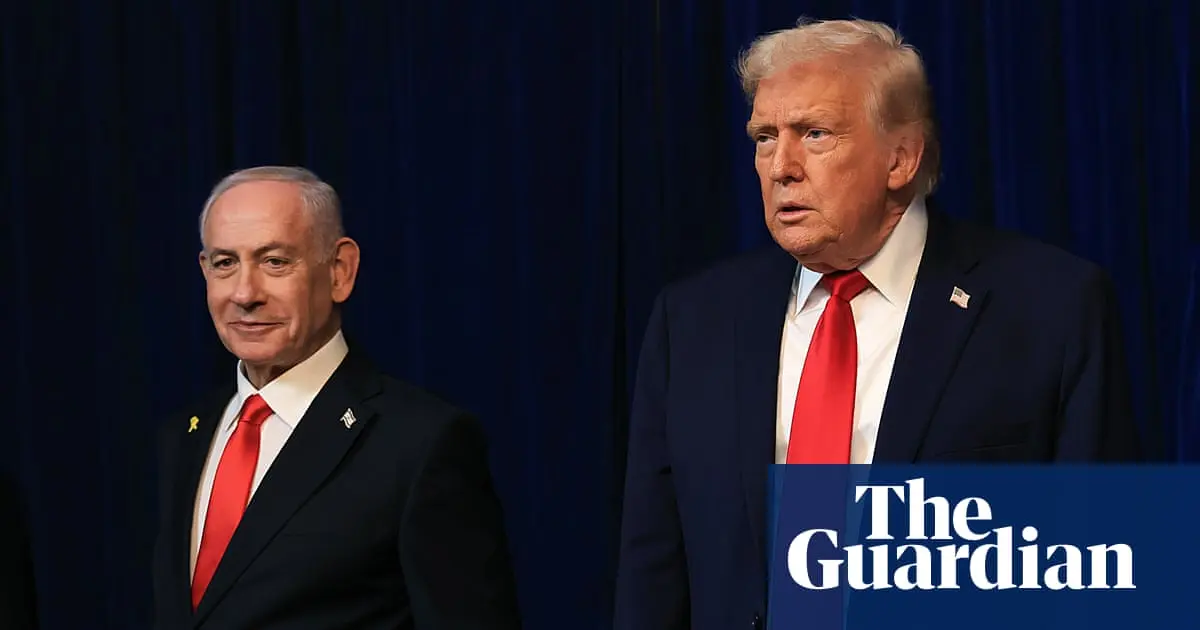
“We can all look at what is happening in the region right now and understand that this is not business as usual – and it is not making us safer,” said Mark Kelly, the senior US senator from Arizona who voted for the JRD on Wednesday. “The United States and Israel are fighting a war against Iran without a clear strategy or goal. I’ve been clear I oppose this war in Iran and the reckless decisions being made by Prime Minister Netanyahu and President Trump.”
Ruben Gallego, a senator who has become a vocal opponent of sales of offensive weapons to Israel despite previously supporting them, told Punchbowl News that the vote “means Netanyahu really screwed up the politics of the Middle East, and he is destroying the bipartisan nature in terms of support for Israel”.
Nowhere is that more apparent than in recent opinion polling. The Pew Research Center last week released a poll showing a record 60% of US adults now have an unfavourable view of Israel, a 7% jump in just the last year. The poll, which was fielded nearly a month into the joint US-Israeli intervention into Iran, also showed a marked age gap: in both political parties, a majority of adults under the age of 50 now view Israel and Netanyahu negatively.
The number of Americans who say they have a strongly or somewhat unfavourable view of Israel has risen 20 percentage points since 2022, when Hamas launched a raid from Gaza that killed more than 1,200 and left hundreds more as captives in appalling circumstances. Israel began its war in Gaza on 8 October, which to date has killed more than an estimated 72,000 Palestinians and has marked an inflection point for a US-Israel relationship going back decades.
While the shifting public opinion won’t immediately affect policy made in the White House, observers said, the 2028 presidential cycle will be strongly impacted, with Democratic candidates pressured to disavow US support for Israel in the Iran war, and the Republican field shaped by Trump’s continuing stature in conservative politics.
“The conversation on Democratic side is often hinged to questions of human rights and the international rules-based order,” said Josh Paul, a former director of congressional and public affairs at the US Bureau of Political-Military Affairs who resigned over the lack of oversight on arms sales to Israel. “On the Republican side, it’s much more often framed either around taxpayer funding for Israel, or around is this America first or Israel first? And the war with Iran has only brought that into sharper focus.”
In a significant shift this week, the liberal thinktank J Street which positions itself as “pro-Israel, pro-peace” announced that it would change its stance for the first time to oppose direct US funding for arms sales to Israel even of defensive weapons, including Iron Dome missiles, in what its leadership said was a “a “fundamental reassessment of the U.S.-Israel security relationship”. Instead, the US should treat Israel “as it does other wealthy US allies” to purchase US arms without subsidies.
“It’s really important for Israel to stop this financial subsidy and take this out of the equation,” Jeremy Ben-Ami, the founder of J Street, in an interview. “It is really causing a whole additional level of anger that the things that this government of Israel is doing are being financed by American taxpayer dollars.”
Aggravating factors for the relationship included the “war in Gaza, rising extremist Jewish terror in the West Bank and the US-Israel war with Iran”, he said.
“We’ve actually been kicking this around now for many months,” he said by telephone. “And you know, there’s never a good moment for it. But you know, the more that things go on on the West Bank, the more the Gaza continues to suffer, the war in Iran… you add up all these things, and you’ve got to say it out loud, that it’s time for this to stop, and it’s time for us to stop paying for it.”