아기 음식에서 쥐약 발견, 갈취 혐의
Rat poison found in baby food, extortion suspected
Deutsche Welle
· 🇩🇪 Bonn, DE
David Ehl Reporter and editorDavid_Ehl
DE
2026-04-21 15:24
Translated
오스트리아, 체코, 슬로바키아에서 HiPP 아기 음식 병에서 쥐약이 발견되었으며 당국은 이를 갈취 시도로 의심하고 있습니다.
"HiPP는 갈취의 피해자입니다" — 이것은 독일의 주요 아기 음식 제조업체의 보도자료에서 나온 말입니다. 지난 주말 쥐약으로 오염된 아기 음식 병들이 오스트리아와 인접한 두 국가에서 발견되었습니다. 오스트리아의 식품 안전청 AGES는 경고를 발령했으며 적어도 하나의 슈퍼마켓 체인이 리콜을 시작했습니다. 현재 초점은 이를 한 사람이 누구인지 찾아내는 것입니다.
검찰은 갈취 미수로 수사 중이며, 독일 도시 잉골슈타트의 경찰은 월요일 DW에 이를 알렸습니다. 잉골슈타트 경찰청은 HiPP가 인근 도시인 팔펜호펜 안 데어 일름에 본사를 두고 있기 때문에 이를 담당합니다. 경찰은 3개국에서 5개의 병이 발견되었다고 말했습니다.
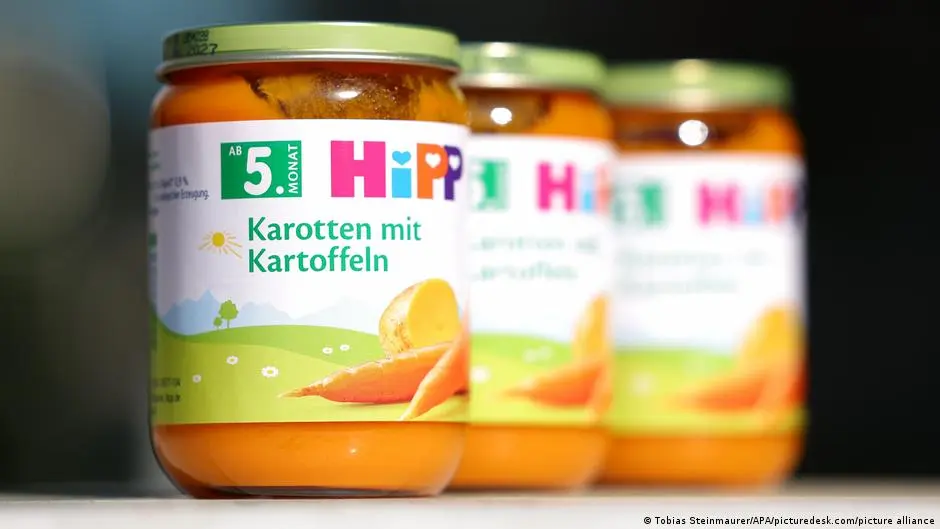
첫 번째 병은 오스트리아의 동쪽 주인 부르겐란드의 아이젠슈타트 근처에서 발견되었습니다. 초기 검사 결과 190그램의 당근과 감자 혼합 아기 음식 병이 쥐약으로 오염된 것으로 나타났습니다. 경찰은 여전히 같은 지역에서 의심되는 두 번째 오염된 병을 찾고 있습니다.
두 개의 추가 독성 병이 체코 도시 브르노의 한 가게에서 발견되었습니다. 현지 언론은 검사들이 의심되는 갈취범이 이메일에서 설명한 흰색 스티커와 빨간 원으로 표시된 두 병이라고 말했다고 보도했습니다. AGES 경고도 이러한 표시를 언급했습니다. 오염된 병들은 남부 슬로바키아의 도나브스카 스트레다 도시에서도 발견되었습니다.
영향을 받은 모든 병들은 손상된 뚜껑이 있었으며 열렸을 때 일반적인 "팝" 소리를 내지 않았습니다. 많은 식품과 마찬가지로 아기 음식은 뜨거운 상태로 병에 담겨 나선형 뚜껑으로 밀봉됩니다. 냉각되면서 진공이 형성됩니다. 열었을 때 나는 팝 소리는 병이 충전 이후 열리지 않았음을 확인해줍니다. HiPP에 따르면 오염은 공장 부지 외부에서 발생해야 하는 "범죄적 외부" 조작이었습니다.
잉골슈타트 경찰은 소비자들에게 친숙한 팝 소리에 주의를 기울이고, 내용물을 냄새 맡고, 뭔가 이상하면 아이들에게 음식을 주지 말고 즉시 지역 경찰에 연락할 것을 권고했습니다. 제조업체도 유사한 조언을 발표했습니다.
과거의 악명 높은 사건 중 하나에서 갈취범은 실제로 영국 스코틀랜드 야드의 경찰관이었습니다. 1988/89년에 로드니 휘첼로는 화학물질이나 면도날로 아기 음식을 훼손한 후 그 병들을 매장 선반에 다시 놓았습니다. 그는 400만 파운드(당시 700만 달러)의 몸값을 요구했지만 체포되어 17년의 징역형을 받았습니다. 이 사건과 1980년대의 다른 사건들은 결국 소비자들이 누군가 병을 훼손했는지 확인할 수 있도록 도와주는 "팝" 뚜껑의 도입으로 이어졌습니다.
2017년에 항동결액으로 오염된 여러 개의 아기 음식 병들이 독일 남서부의 프리드리히샤펜에서 발견되었습니다. 당시 가해자는 슈퍼마켓 체인에서 약 1,200만 유로(당시 약 1,400만 달러)를 갈취하려고 시도했습니다. 그는 현재 10년의 징역형을 복역 중입니다.
다시 영국에서 2018년의 갈취범은 140만 파운드를 비트코인으로 갈취하려고 시도했습니다. 그는 여러 병에 금속 조각을 넣었고 살모넬라를 포함하여 더 많은 것을 오염시키겠다고 위협했습니다. 슈퍼마켓 감시 영상으로 그가 체포되었고 14년의 징역형을 받았습니다.
2025년에 폴란드 경찰은 아기 음식을 독살하겠다고 위협하여 금전을 갈취하려고 시도한 혐의로 한 남성을 체포했습니다. 아직 판결은 없으며 실제로 오염된 제품은 발견되지 않았습니다.
아기를 대상으로 하고 갈취와 협박 요구에 이용하는 것은 특히 경악스럽다고 널리 간주되며, 따라서 회사들이 돈을 지불하도록 최대한의 관심과 압력을 보장합니다. 또한 아기 음식은 셀 수 없이 많은 매장에서 구할 수 있어 가해자들에게 접근할 수 있는 많은 지점을 제공합니다.
일반적으로 아기 음식은 위험을 최소화하기 위해 특히 엄격한 관리 대상입니다. 제조업체들은 공장 접근을 제한하고 변조 방지 포장 및 배치 번호를 사용하여 개별 제품을 더 쉽게 리콜할 수 있도록 합니다. 일부 소매점들은 최근 몇 년 동안 감시 카메라를 설치하여 사람들이 선반에 오염된 병을 놓지 못하도록 방지함으로써 보안을 강화했습니다.
이 기사는 원래 독일어로 발행되었습니다.
검찰은 갈취 미수로 수사 중이며, 독일 도시 잉골슈타트의 경찰은 월요일 DW에 이를 알렸습니다. 잉골슈타트 경찰청은 HiPP가 인근 도시인 팔펜호펜 안 데어 일름에 본사를 두고 있기 때문에 이를 담당합니다. 경찰은 3개국에서 5개의 병이 발견되었다고 말했습니다.
첫 번째 병은 오스트리아의 동쪽 주인 부르겐란드의 아이젠슈타트 근처에서 발견되었습니다. 초기 검사 결과 190그램의 당근과 감자 혼합 아기 음식 병이 쥐약으로 오염된 것으로 나타났습니다. 경찰은 여전히 같은 지역에서 의심되는 두 번째 오염된 병을 찾고 있습니다.
두 개의 추가 독성 병이 체코 도시 브르노의 한 가게에서 발견되었습니다. 현지 언론은 검사들이 의심되는 갈취범이 이메일에서 설명한 흰색 스티커와 빨간 원으로 표시된 두 병이라고 말했다고 보도했습니다. AGES 경고도 이러한 표시를 언급했습니다. 오염된 병들은 남부 슬로바키아의 도나브스카 스트레다 도시에서도 발견되었습니다.
영향을 받은 모든 병들은 손상된 뚜껑이 있었으며 열렸을 때 일반적인 "팝" 소리를 내지 않았습니다. 많은 식품과 마찬가지로 아기 음식은 뜨거운 상태로 병에 담겨 나선형 뚜껑으로 밀봉됩니다. 냉각되면서 진공이 형성됩니다. 열었을 때 나는 팝 소리는 병이 충전 이후 열리지 않았음을 확인해줍니다. HiPP에 따르면 오염은 공장 부지 외부에서 발생해야 하는 "범죄적 외부" 조작이었습니다.
잉골슈타트 경찰은 소비자들에게 친숙한 팝 소리에 주의를 기울이고, 내용물을 냄새 맡고, 뭔가 이상하면 아이들에게 음식을 주지 말고 즉시 지역 경찰에 연락할 것을 권고했습니다. 제조업체도 유사한 조언을 발표했습니다.
과거의 악명 높은 사건 중 하나에서 갈취범은 실제로 영국 스코틀랜드 야드의 경찰관이었습니다. 1988/89년에 로드니 휘첼로는 화학물질이나 면도날로 아기 음식을 훼손한 후 그 병들을 매장 선반에 다시 놓았습니다. 그는 400만 파운드(당시 700만 달러)의 몸값을 요구했지만 체포되어 17년의 징역형을 받았습니다. 이 사건과 1980년대의 다른 사건들은 결국 소비자들이 누군가 병을 훼손했는지 확인할 수 있도록 도와주는 "팝" 뚜껑의 도입으로 이어졌습니다.
2017년에 항동결액으로 오염된 여러 개의 아기 음식 병들이 독일 남서부의 프리드리히샤펜에서 발견되었습니다. 당시 가해자는 슈퍼마켓 체인에서 약 1,200만 유로(당시 약 1,400만 달러)를 갈취하려고 시도했습니다. 그는 현재 10년의 징역형을 복역 중입니다.
다시 영국에서 2018년의 갈취범은 140만 파운드를 비트코인으로 갈취하려고 시도했습니다. 그는 여러 병에 금속 조각을 넣었고 살모넬라를 포함하여 더 많은 것을 오염시키겠다고 위협했습니다. 슈퍼마켓 감시 영상으로 그가 체포되었고 14년의 징역형을 받았습니다.
2025년에 폴란드 경찰은 아기 음식을 독살하겠다고 위협하여 금전을 갈취하려고 시도한 혐의로 한 남성을 체포했습니다. 아직 판결은 없으며 실제로 오염된 제품은 발견되지 않았습니다.
아기를 대상으로 하고 갈취와 협박 요구에 이용하는 것은 특히 경악스럽다고 널리 간주되며, 따라서 회사들이 돈을 지불하도록 최대한의 관심과 압력을 보장합니다. 또한 아기 음식은 셀 수 없이 많은 매장에서 구할 수 있어 가해자들에게 접근할 수 있는 많은 지점을 제공합니다.
일반적으로 아기 음식은 위험을 최소화하기 위해 특히 엄격한 관리 대상입니다. 제조업체들은 공장 접근을 제한하고 변조 방지 포장 및 배치 번호를 사용하여 개별 제품을 더 쉽게 리콜할 수 있도록 합니다. 일부 소매점들은 최근 몇 년 동안 감시 카메라를 설치하여 사람들이 선반에 오염된 병을 놓지 못하도록 방지함으로써 보안을 강화했습니다.
이 기사는 원래 독일어로 발행되었습니다.
처리 완료
3,777 tokens · $0.0109
기사 수집 완료 · 15:30
매체 피드에서 기사 메타데이터 수집
헤드라인 번역 완료 · 17:39
제목/요약 한국어 번역 (fetch 시점 inline)
kimi-k2.5
0 tokens
$0.00000
0.2s
본문 추출 완료
4,125자 추출 완료
본문 한국어 번역 완료 · 17:39
2,034자 번역 완료
claude-haiku-4-5-20251001
3,777 tokens
$0.01087
20.0s
지정학적 엔티티 추출 완료 · 17:39
8개 엔티티 추출 완료
지정학적 맥락 & R-Scanner
R-Scanner · 평상
z=-0.78
일상적인 보도 수준 — 기준: Austria
(🇦🇹 AT)
최근 6시간 0건
7일 평균 1.14건 / 6h
0개국 매체
0개 매체
본문에서 추출된 지명 (8)
위치 지도
지도 로딩 중…
같은 주제의 다른 기사 (최근 7일)
Rat poison has been found in HiPP baby food jars across Austria, Czechia and Slovakia in what authorities suspect is a blackmail attempt.
"HiPP is the victim of blackmail" — this is what the press release from the major German baby food manufacturer says. Over the weekend, jars of baby food contaminated with rat poison were found in Austria and two neighboring countries. Austria's food safety agency AGES issued a warning, and at least one supermarket chain initiated a recall. The focus now is to find out who did it.The prosecution is investigating attempted blackmail, police in the Germany city of Ingolstadt told DW on Monday. The Ingolstadt unit is responsible because HiPP is based in the nearby town of Pfaffenhofen an der Ilm. Police said five jars had been found across three countries.
The first jar was discovered near Eisenstadt in Burgenland, Austria's easternmost province. Initial tests showed that the 190-gram jar of carrot with potato had been contaminated with rat poison. Police are still looking for a second contaminated jar they suspect in the same region.
Two more poisoned jars were found in a shop in the Czech city of Brno. Local media reported that prosecutors said both jars were marked with a white sticker and a red circle, as described by the suspected blackmailer in an email. The AGES warning also mentioned said marking. Contaminated jars were also found in the city of Dunajska Streda in southern Slovakia.
All the jars affected had damaged lids and did not make the usual "pop" sound when opened. Like many foods, baby food is filled hot into jars and sealed with a screw lid; as it cools, a vacuum forms. The popping sound when opening confirms that the jar has not been opened since filling. According to HiPP, the contaminations were "criminal external" manipulations that must have taken place outside the factory premises.
The Ingolstadt police advised consumers to pay close attention to the familiar popping sound, to smell the contents and, if anything seems unusual, not to give the food to their kids and to contact local police immediately. The manufacturer issued a similar advice.
In one previous notorious case, the blackmailer was actually a police officer with the UK's Scotland Yard. In 1988/89, Rodney Whitchelo tampered with baby food using chemicals or razor blades and then placed the jars back on store shelves. He demanded 4 million pounds ($7 million at the time) in ransom but got caught and sentenced to 17 years in prison. This and other cases in the 1980s eventually led to the introduction of "pop" lids that would help consumers check whether anyone had tampered with a jar.
In 2017, several jars of baby food contaminated with antifreeze — each in a potentially lethal dose — were discovered in Friedrichshafen in southwestern Germany. The perpetrator at the time attempted to extort around €12 million (around $14 million at the time) from a supermarket chain. He is currently serving a prison sentence of 10 years.
Again in the United Kingdom, a blackmailer in 2018 tried to extort 1.4 million pounds in Bitcoin. He had put metal pieces into several jars and threatened to contaminate more, including with salmonella. Supermarket surveillance footage led to his arrest, and he was sentenced to 14 years.
In 2025, Polish police arrested a man for allegedly attempting to extort money by threatening to poison baby food. There's no verdict yet though, and no contaminated products were actually found.
Targeting babies and using them for extortion and blackmail demands is widely seen as particularly reprehensible — and therefore guarantees maximum attention and pressure on companies to pay up. In addition, baby food is available in countless stores, giving offenders many possible points of access.
Generally though, baby food is subject to particularly strict controls to minimize any risks. Manufacturers restrict access to their factories and rely on tamper-evident packaging and batch numbers, allowing individual products to be recalled more easily. Some retailers have over recent years also stepped up security by installing surveillance cameras — preventing people from placing contaminated jars on shelves unnoticed.
This article was originally published in German.