NBA는 드래프트 로또리 확률의 급격한 변화로 반탱킹 조치에 더 가까워지다
NBA moves closer to anti-tanking measures with drastic change to draft lottery odds
Associated Press
· 🇺🇸 New York, US
https://apnews.com/author/tim-reynolds
EN
2026-04-30 01:30
Translated
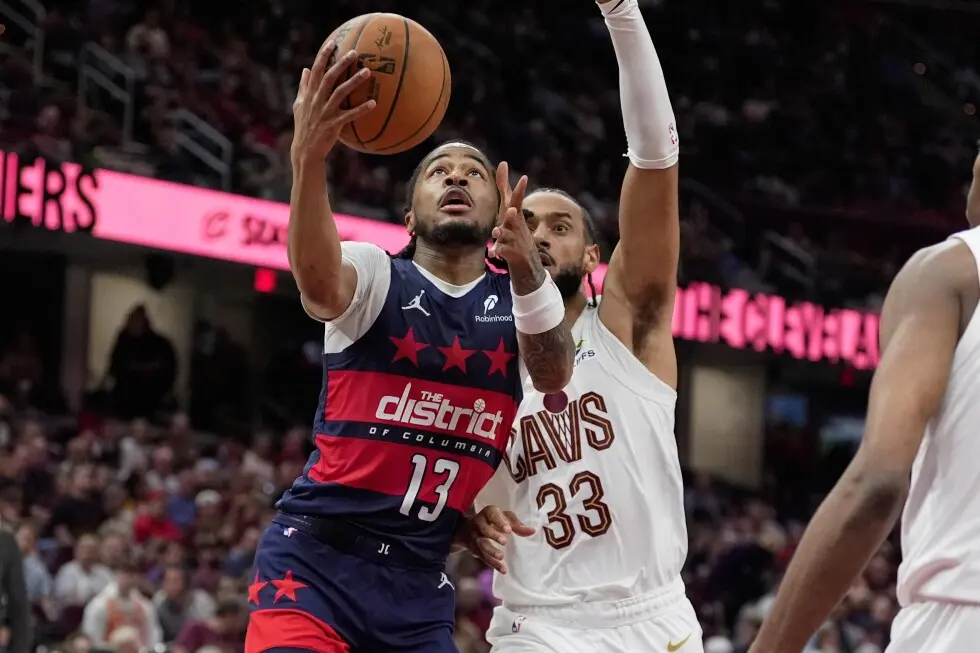
워싱턴 위저즈 가드 샤리프 쿠퍼(13번)가 2026년 4월 12일 일요일 클리블랜드에서 열린 NBA 농구 경기 2쿼터에서 클리블랜드 캐벌리어스 포워드 올리비에 사르(33번)를 제치고 슛을 시도하고 있다. (AP Photo/Sue Ogrocki)
인디애나 페이서스 가드 이단 톰슨(55번)이 2026년 4월 10일 금요일 인디애나폴리스에서 열린 NBA 농구 경기 2쿼터에서 필라델피아 76인스 가드 타이리즈 맥시(0번)의 수비를 받으며 골대로 드라이브하고 있다. (AP Photo/Doug McSchooler)
유타 재즈의 윌 하디 헤드코치(좌측)가 2026년 4월 3일 금요일 휴스턴에서 열린 휴스턴 로켓츠와의 NBA 농구 경기 1쿼터에서 포워드 코디 윌리엄스(5번)와 대화하고 있다. (AP Photo/Karen Warren)
NBA는 화요일 16팀 로또리를 약간 확대하는 안을 승인에 더 가까워졌으며, 이는 1순위 픽 획득 확률을 낮추고 최악의 전적을 기록한 3개 팀의 당첨 확률을 대폭 낮춤으로써 탱킹을 억제하려는 방안이다.
검토된 "3-2-1 로또리" 제안은 다음 달 것으로 예상되는 경영진 이사회의 최종 투표 전에 더 논의될 예정이다. 현재 형식은 변경되지 않을 것이며, 올해 드래프트 로또리가 5월 10일에 개최될 때 마지막으로 사용될 가능성이 높다. 이는 내년부터 시행될 것이다.
제안된 계획은 목요일 경쟁위원회 회의에서 다시 논의될 것이다. 현재 14팀 로또리 구조에 2개 팀을 추가하고 플레이인이나 플레이오프 레이스에 여전히 참여 중이지 않은 팀들도 승리에 대한 인센티브를 제공할 것이다.
이 제안의 16개 팀은 모두 1개에서 3개 사이의 로또리 공을 받게 되며, 이 공의 배분은 다음과 같이 나뉜다:
— 양 컨퍼런스의 7번 vs 8번 플레이인 게임 패자들은 각각 1개의 로또리 공을 얻는다.
— 플레이인 토너먼트 진출 9번과 10번 시드는 각각 2개의 로또리 공을 받는다.
— 플레이오프와 플레이인을 놓친 나머지 10개 팀은 모두 3개의 로또리 공을 받으며, 전적이 최악인 3개 팀은 제외된다. 이들은 "드래프트 강등"에 진입하게 되며, 로또리 공 1개가 제거된다. NBA는 이를 통해 팀들이 가능한 한 많은 경기를 지려고 시도하는 것을 방지하려고 한다. 소위 "탱킹"이라고 불리는 이러한 관행은 현재 시스템에서 더 나은 로또리 확률로 보상받고 있다.
리그는 이 시즌 유타 재즈가 4쿼터에서 주요 선수 2명을 제외한 방식에 대해 50만 달러의 벌금을 부과하며, 일부 팀들이 드래프트 순위를 승리보다 우선시하는 것에 분노했다. (그 중 하나는 재즈가 실제로 승리한 경기였다.)
이 시즌에는 워싱턴, 인디애나, 유타, 멤피스, 브루클린 등 5개 팀이 올스타 브레이크 이후 0.180 이하의 승률을 기록하며 명확한 하향 경쟁이 있었다. NBA 역사에서 이번이 처음으로 브레이크 이후 이렇게 많은 팀이 자주 졌던 시즌이 없었다.
"인센티브가 반드시 일치하지 않습니다"라고 NBA 커미셔너 애덤 실버는 2월에 전적이 최악인 팀들이 최고의 로또리 확률을 갖는 상관관계를 논할 때 말했다. "스포츠의 전통은 최악의 성적을 낸 팀이 파트너들로부터 첫 번째 픽을 받는 것이지만, 경제학자가 우리 시스템을 보면, 그들은 항상 당신이 인센티브를 거꾸로 뒤집었다고 지적합니다. 그것이 반드시 말이 되지는 않습니다."
실버는 과거 수십 년 동안 로또리 시스템을 여러 번 변경했던 리그가 내년 전에 탱킹 문제를 강력히 해결할 것을 약속했다.
전적이 최악인 3개 팀은 모두 1순위 픽을 획득할 확률이 5.4%이며 12번 이하로 떨어질 수 없다.
그러나 1순위를 획득할 최고의 확률은 플레이인과 플레이오프를 놓친 다른 7개 팀에게 가게 되며, 이 클럽들은 모두 1순위를 기록할 확률이 8.1%이다.
9번과 10번 플레이인 시드도 로또리에서 1순위를 획득할 확률이 5.4%이며, 7번 vs 8번 플레이인 게임 패자들은 각각 2.7% 확률을 갖는다.
이 시즌 전적이 최악인 3개 팀 — 워싱턴, 인디애나, 브루클린 — 은 로또리에서 1순위를 획득할 확률이 14%이며 상위 7개 픽이 보장된다. (인디애나 페이서스의 경우, 5~6번 픽으로 마무리되면 이전 트레이드로 인해 로스앤젤레스 클리퍼스에 귀속된다.)
제안된 시스템에서 이 팀들은 1순위를 획득할 확률이 5.4%이며 드래프트 1라운드 순서에서 최대 12번까지 떨어질 수 있다. 이 팀들이 상위 5개 밖으로 떨어질 확률은 72%이다.
"이것은 소유권 수준에서 결정되어야 합니다"라고 실버는 올해 초에 말했다. "비즈니스 영향, 농구 영향, 리그의 무결성 영향이 있습니다. 이것은 우리가 매우 진지하게 받아들이는 것입니다. 우리는 그것을 고칠 것입니다, 확실합니다. 우리 팬들에게 직접 말씀드리고 싶습니다. ... 인센티브를 수정해야 합니다. 우리가 그것을 수정할 것입니다. 나는 그것을 기대하고 있습니다."
3-2-1 제안 내의 더 많은 요소들은:
— 어떤 팀도 연속으로 1순위 픽을 획득하거나 상위 5개에서 연속 3개 픽을 가질 수 없다.
— 12번과 15번 사이에 해당하는 픽에 대한 트레이드에서 보호가 허용되지 않는다.
— 리그는 탱킹을 해결하기 위한 "확대된 징계 권한"을 갖게 되며, 잠재적 조치에는 팀의 로또리 확률을 낮추거나 드래프트 순위를 변경하는 것도 포함될 수 있다.
— 승인되면 제안된 계획은 2029년 드래프트 이후 만료되며 경영진 이사회가 시스템을 계속하거나 다시 변경할 것인지를 투표해야 한다.
인디애나 페이서스 가드 이단 톰슨(55번)이 2026년 4월 10일 금요일 인디애나폴리스에서 열린 NBA 농구 경기 2쿼터에서 필라델피아 76인스 가드 타이리즈 맥시(0번)의 수비를 받으며 골대로 드라이브하고 있다. (AP Photo/Doug McSchooler)
유타 재즈의 윌 하디 헤드코치(좌측)가 2026년 4월 3일 금요일 휴스턴에서 열린 휴스턴 로켓츠와의 NBA 농구 경기 1쿼터에서 포워드 코디 윌리엄스(5번)와 대화하고 있다. (AP Photo/Karen Warren)
NBA는 화요일 16팀 로또리를 약간 확대하는 안을 승인에 더 가까워졌으며, 이는 1순위 픽 획득 확률을 낮추고 최악의 전적을 기록한 3개 팀의 당첨 확률을 대폭 낮춤으로써 탱킹을 억제하려는 방안이다.
검토된 "3-2-1 로또리" 제안은 다음 달 것으로 예상되는 경영진 이사회의 최종 투표 전에 더 논의될 예정이다. 현재 형식은 변경되지 않을 것이며, 올해 드래프트 로또리가 5월 10일에 개최될 때 마지막으로 사용될 가능성이 높다. 이는 내년부터 시행될 것이다.
제안된 계획은 목요일 경쟁위원회 회의에서 다시 논의될 것이다. 현재 14팀 로또리 구조에 2개 팀을 추가하고 플레이인이나 플레이오프 레이스에 여전히 참여 중이지 않은 팀들도 승리에 대한 인센티브를 제공할 것이다.
이 제안의 16개 팀은 모두 1개에서 3개 사이의 로또리 공을 받게 되며, 이 공의 배분은 다음과 같이 나뉜다:
— 양 컨퍼런스의 7번 vs 8번 플레이인 게임 패자들은 각각 1개의 로또리 공을 얻는다.
— 플레이인 토너먼트 진출 9번과 10번 시드는 각각 2개의 로또리 공을 받는다.
— 플레이오프와 플레이인을 놓친 나머지 10개 팀은 모두 3개의 로또리 공을 받으며, 전적이 최악인 3개 팀은 제외된다. 이들은 "드래프트 강등"에 진입하게 되며, 로또리 공 1개가 제거된다. NBA는 이를 통해 팀들이 가능한 한 많은 경기를 지려고 시도하는 것을 방지하려고 한다. 소위 "탱킹"이라고 불리는 이러한 관행은 현재 시스템에서 더 나은 로또리 확률로 보상받고 있다.
리그는 이 시즌 유타 재즈가 4쿼터에서 주요 선수 2명을 제외한 방식에 대해 50만 달러의 벌금을 부과하며, 일부 팀들이 드래프트 순위를 승리보다 우선시하는 것에 분노했다. (그 중 하나는 재즈가 실제로 승리한 경기였다.)
이 시즌에는 워싱턴, 인디애나, 유타, 멤피스, 브루클린 등 5개 팀이 올스타 브레이크 이후 0.180 이하의 승률을 기록하며 명확한 하향 경쟁이 있었다. NBA 역사에서 이번이 처음으로 브레이크 이후 이렇게 많은 팀이 자주 졌던 시즌이 없었다.
"인센티브가 반드시 일치하지 않습니다"라고 NBA 커미셔너 애덤 실버는 2월에 전적이 최악인 팀들이 최고의 로또리 확률을 갖는 상관관계를 논할 때 말했다. "스포츠의 전통은 최악의 성적을 낸 팀이 파트너들로부터 첫 번째 픽을 받는 것이지만, 경제학자가 우리 시스템을 보면, 그들은 항상 당신이 인센티브를 거꾸로 뒤집었다고 지적합니다. 그것이 반드시 말이 되지는 않습니다."
실버는 과거 수십 년 동안 로또리 시스템을 여러 번 변경했던 리그가 내년 전에 탱킹 문제를 강력히 해결할 것을 약속했다.
전적이 최악인 3개 팀은 모두 1순위 픽을 획득할 확률이 5.4%이며 12번 이하로 떨어질 수 없다.
그러나 1순위를 획득할 최고의 확률은 플레이인과 플레이오프를 놓친 다른 7개 팀에게 가게 되며, 이 클럽들은 모두 1순위를 기록할 확률이 8.1%이다.
9번과 10번 플레이인 시드도 로또리에서 1순위를 획득할 확률이 5.4%이며, 7번 vs 8번 플레이인 게임 패자들은 각각 2.7% 확률을 갖는다.
이 시즌 전적이 최악인 3개 팀 — 워싱턴, 인디애나, 브루클린 — 은 로또리에서 1순위를 획득할 확률이 14%이며 상위 7개 픽이 보장된다. (인디애나 페이서스의 경우, 5~6번 픽으로 마무리되면 이전 트레이드로 인해 로스앤젤레스 클리퍼스에 귀속된다.)
제안된 시스템에서 이 팀들은 1순위를 획득할 확률이 5.4%이며 드래프트 1라운드 순서에서 최대 12번까지 떨어질 수 있다. 이 팀들이 상위 5개 밖으로 떨어질 확률은 72%이다.
"이것은 소유권 수준에서 결정되어야 합니다"라고 실버는 올해 초에 말했다. "비즈니스 영향, 농구 영향, 리그의 무결성 영향이 있습니다. 이것은 우리가 매우 진지하게 받아들이는 것입니다. 우리는 그것을 고칠 것입니다, 확실합니다. 우리 팬들에게 직접 말씀드리고 싶습니다. ... 인센티브를 수정해야 합니다. 우리가 그것을 수정할 것입니다. 나는 그것을 기대하고 있습니다."
3-2-1 제안 내의 더 많은 요소들은:
— 어떤 팀도 연속으로 1순위 픽을 획득하거나 상위 5개에서 연속 3개 픽을 가질 수 없다.
— 12번과 15번 사이에 해당하는 픽에 대한 트레이드에서 보호가 허용되지 않는다.
— 리그는 탱킹을 해결하기 위한 "확대된 징계 권한"을 갖게 되며, 잠재적 조치에는 팀의 로또리 확률을 낮추거나 드래프트 순위를 변경하는 것도 포함될 수 있다.
— 승인되면 제안된 계획은 2029년 드래프트 이후 만료되며 경영진 이사회가 시스템을 계속하거나 다시 변경할 것인지를 투표해야 한다.
처리 완료
5,262 tokens · $0.0141
기사 수집 완료 · 01:30
매체 피드에서 기사 메타데이터 수집
헤드라인 번역 완료 · 01:45
제목/요약 한국어 번역 (fetch 시점 inline)
claude-haiku-4-5-20251001
191 tokens
$0.00056
2.3s
본문 추출 완료
7,030자 추출 완료
본문 한국어 번역 완료 · 01:45
2,687자 번역 완료
claude-haiku-4-5-20251001
5,071 tokens
$0.01357
28.6s
지정학적 엔티티 추출 완료 · 01:45
8개 엔티티 추출 완료
지정학적 맥락 & R-Scanner
R-Scanner · 핫스팟
z=2.69
평소보다 훨씬 많은 매체가 집중 보도 중 — 기준: Washington
(🇺🇸 US)
최근 6시간 53건
7일 평균 36.5건 / 6h
9개국 매체
12개 매체
본문에서 추출된 지명 (8)
위치 지도
지도 로딩 중…
같은 주제의 다른 기사 (최근 7일)
Washington Wizards guard Sharife Cooper (13) goes to the basket past Cleveland Cavaliers forward Olivier Sarr (33) in the second half of an NBA basketball game in Cleveland, Sunday, April 12, 2026. (AP Photo/Sue Ogrocki)
Indiana Pacers guard Ethan Thompson (55) drives toward the basket while being defended Philadelphia 76ers guard Tyrese Maxey (0) during the second half of an NBA basketball game in Indianapolis, Friday, April 10, 2026. (AP Photo/Doug McSchooler)
Utah Jazz head coach Will Hardy, left, talks with forward Cody Williams (5) during the first half of an NBA basketball game against the Houston Rockets, Friday, April 3, 2026, in Houston. (AP Photo/Karen Warren)
Washington Wizards guard Sharife Cooper (13) goes to the basket past Cleveland Cavaliers forward Olivier Sarr (33) in the second half of an NBA basketball game in Cleveland, Sunday, April 12, 2026. (AP Photo/Sue Ogrocki)
Washington Wizards guard Sharife Cooper (13) goes to the basket past Cleveland Cavaliers forward Olivier Sarr (33) in the second half of an NBA basketball game in Cleveland, Sunday, April 12, 2026. (AP Photo/Sue Ogrocki)
Indiana Pacers guard Ethan Thompson (55) drives toward the basket while being defended Philadelphia 76ers guard Tyrese Maxey (0) during the second half of an NBA basketball game in Indianapolis, Friday, April 10, 2026. (AP Photo/Doug McSchooler)
Indiana Pacers guard Ethan Thompson (55) drives toward the basket while being defended Philadelphia 76ers guard Tyrese Maxey (0) during the second half of an NBA basketball game in Indianapolis, Friday, April 10, 2026. (AP Photo/Doug McSchooler)
Utah Jazz head coach Will Hardy, left, talks with forward Cody Williams (5) during the first half of an NBA basketball game against the Houston Rockets, Friday, April 3, 2026, in Houston. (AP Photo/Karen Warren)
Utah Jazz head coach Will Hardy, left, talks with forward Cody Williams (5) during the first half of an NBA basketball game against the Houston Rockets, Friday, April 3, 2026, in Houston. (AP Photo/Karen Warren)
The NBA moved closer to a slightly expanded 16-team lottery Tuesday, one that will flatten odds of winning the No. 1 pick and try to deter tanking by drastically lowering the chances of winning for the teams that finish with the three worst records.
The “3-2-1 Lottery” proposal, which was reviewed by the league’s general managers, will be further discussed before it goes the Board of Governors for a final vote that is expected next month. It will not change the current format, which will likely be utilized for the final time when the lottery for this year’s draft is held May 10. This would go into effect next year.
The proposed plan will be discussed again at a competition committee meeting on Thursday. It would add two teams to the current 14-team lottery structure and incentivizes winning even for teams that aren’t still in the race for play-in or playoff spots.
The 16 teams in this proposal would all get somewhere between one and three lottery balls — hence the 3-2-1 name that has been attached to the plan — and the awarding of those balls would be broken down thusly:
— The losers of the No. 7 vs. No. 8 play-in games in both conferences would get one lottery ball each.
— The No. 9 and No. 10 seeds going into the play-in tournament would get two lottery balls each.
— The remaining 10 teams that miss the playoffs and the play-in would all get three lottery balls — with the exception of the three worst teams in the standings. They would enter “draft relegation” and have one of their lottery balls taken away, which the NBA hopes would keep teams from trying to lose as many games as they can for the worst possible record. That practice, the so-called “tanking,” has been rewarded in the current system by better lottery odds.
The league was furious this season at how some teams were clearly prioritizing their draft spot over winning, even fining the Utah Jazz $500,000 “for conduct detrimental to the league” over the way two top plays were held out of the fourth quarter of a pair of games — one of which the Jazz actually won.
There was a clear race to the bottom this season with five teams — Washington, Indiana, Utah, Memphis and Brooklyn — all having winning percentages below .180 after the All-Star break. There has never been a season in NBA history, until now, where so many teams lost that often after the break.
“The incentives are not necessarily matched here,” NBA Commissioner Adam Silver said in February when discussing the correlation between the teams with the worst records having the best lottery odds. “I think the tradition in sports where the worst-performing team receives the first pick from their partners, when any economist comes and looks at our system, they always point out you have the incentives backwards there. That doesn’t necessarily make sense.”
Silver has vowed that the league — which has changed the lottery system several times over the past decades — would strongly address the tanking issue before next year.
The teams that finish with the three worst records would all have a 5.4% chance of winning the No. 1 pick, and could not fall below the No. 12 pick.
But the best odds of winning No. 1 would go to the other seven teams that miss the play-in and the playoffs — with those clubs all having an 8.1% chance of finishing with the No. 1 selection.
The No. 9 and No. 10 play-in seeds would also have a 5.4% chance of winning the lottery, and the losers of the No. 7 vs. No. 8 play-in games would both have a 2.7% chance.
The three worst teams this season — Washington, Indiana and Brooklyn — have 14% odds of winning the lottery and are guaranteed a top-seven pick. (In Indiana’s case, if the Pacers finish with the fifth or sixth pick, it would convey to the Los Angeles Clippers because of a previous trade.)
In the proposed system, those teams would have a 5.4% chance of winning and could fall as low as 12th in the first-round draft order. There would be a 72% chance that those teams would fall outside the top five.
“This is a decision that needs to be made at the ownership level,” Silver said earlier this year. “It has business implications, has basketball implications, has integrity implications for the league. It’s one that we take very seriously. We are going to fix it, full stop. I want to say that directly to our fans. ... Incentives need to be fixed. We will fix them. I’m looking forward to that.”
More elements within the 3-2-1 proposal include:
— No team could win back-to-back No. 1 picks or have three consecutive picks in the top five.
— No protections in trades would be allowed for picks that fall between Nos. 12 and 15.
— The league would have “expanded disciplinary authority” to address tanking, with potential moves including lowering teams’ lottery odds or even changing draft positions.
— The proposed plan, if approved, would sunset after the 2029 draft and require the Board of Governors to vote to either continue the system or make changes yet again.
Indiana Pacers guard Ethan Thompson (55) drives toward the basket while being defended Philadelphia 76ers guard Tyrese Maxey (0) during the second half of an NBA basketball game in Indianapolis, Friday, April 10, 2026. (AP Photo/Doug McSchooler)
Utah Jazz head coach Will Hardy, left, talks with forward Cody Williams (5) during the first half of an NBA basketball game against the Houston Rockets, Friday, April 3, 2026, in Houston. (AP Photo/Karen Warren)
Washington Wizards guard Sharife Cooper (13) goes to the basket past Cleveland Cavaliers forward Olivier Sarr (33) in the second half of an NBA basketball game in Cleveland, Sunday, April 12, 2026. (AP Photo/Sue Ogrocki)
Washington Wizards guard Sharife Cooper (13) goes to the basket past Cleveland Cavaliers forward Olivier Sarr (33) in the second half of an NBA basketball game in Cleveland, Sunday, April 12, 2026. (AP Photo/Sue Ogrocki)
Indiana Pacers guard Ethan Thompson (55) drives toward the basket while being defended Philadelphia 76ers guard Tyrese Maxey (0) during the second half of an NBA basketball game in Indianapolis, Friday, April 10, 2026. (AP Photo/Doug McSchooler)
Indiana Pacers guard Ethan Thompson (55) drives toward the basket while being defended Philadelphia 76ers guard Tyrese Maxey (0) during the second half of an NBA basketball game in Indianapolis, Friday, April 10, 2026. (AP Photo/Doug McSchooler)
Utah Jazz head coach Will Hardy, left, talks with forward Cody Williams (5) during the first half of an NBA basketball game against the Houston Rockets, Friday, April 3, 2026, in Houston. (AP Photo/Karen Warren)
Utah Jazz head coach Will Hardy, left, talks with forward Cody Williams (5) during the first half of an NBA basketball game against the Houston Rockets, Friday, April 3, 2026, in Houston. (AP Photo/Karen Warren)
The NBA moved closer to a slightly expanded 16-team lottery Tuesday, one that will flatten odds of winning the No. 1 pick and try to deter tanking by drastically lowering the chances of winning for the teams that finish with the three worst records.
The “3-2-1 Lottery” proposal, which was reviewed by the league’s general managers, will be further discussed before it goes the Board of Governors for a final vote that is expected next month. It will not change the current format, which will likely be utilized for the final time when the lottery for this year’s draft is held May 10. This would go into effect next year.
The proposed plan will be discussed again at a competition committee meeting on Thursday. It would add two teams to the current 14-team lottery structure and incentivizes winning even for teams that aren’t still in the race for play-in or playoff spots.
The 16 teams in this proposal would all get somewhere between one and three lottery balls — hence the 3-2-1 name that has been attached to the plan — and the awarding of those balls would be broken down thusly:
— The losers of the No. 7 vs. No. 8 play-in games in both conferences would get one lottery ball each.
— The No. 9 and No. 10 seeds going into the play-in tournament would get two lottery balls each.
— The remaining 10 teams that miss the playoffs and the play-in would all get three lottery balls — with the exception of the three worst teams in the standings. They would enter “draft relegation” and have one of their lottery balls taken away, which the NBA hopes would keep teams from trying to lose as many games as they can for the worst possible record. That practice, the so-called “tanking,” has been rewarded in the current system by better lottery odds.
The league was furious this season at how some teams were clearly prioritizing their draft spot over winning, even fining the Utah Jazz $500,000 “for conduct detrimental to the league” over the way two top plays were held out of the fourth quarter of a pair of games — one of which the Jazz actually won.
There was a clear race to the bottom this season with five teams — Washington, Indiana, Utah, Memphis and Brooklyn — all having winning percentages below .180 after the All-Star break. There has never been a season in NBA history, until now, where so many teams lost that often after the break.
“The incentives are not necessarily matched here,” NBA Commissioner Adam Silver said in February when discussing the correlation between the teams with the worst records having the best lottery odds. “I think the tradition in sports where the worst-performing team receives the first pick from their partners, when any economist comes and looks at our system, they always point out you have the incentives backwards there. That doesn’t necessarily make sense.”
Silver has vowed that the league — which has changed the lottery system several times over the past decades — would strongly address the tanking issue before next year.
The teams that finish with the three worst records would all have a 5.4% chance of winning the No. 1 pick, and could not fall below the No. 12 pick.
But the best odds of winning No. 1 would go to the other seven teams that miss the play-in and the playoffs — with those clubs all having an 8.1% chance of finishing with the No. 1 selection.
The No. 9 and No. 10 play-in seeds would also have a 5.4% chance of winning the lottery, and the losers of the No. 7 vs. No. 8 play-in games would both have a 2.7% chance.
The three worst teams this season — Washington, Indiana and Brooklyn — have 14% odds of winning the lottery and are guaranteed a top-seven pick. (In Indiana’s case, if the Pacers finish with the fifth or sixth pick, it would convey to the Los Angeles Clippers because of a previous trade.)
In the proposed system, those teams would have a 5.4% chance of winning and could fall as low as 12th in the first-round draft order. There would be a 72% chance that those teams would fall outside the top five.
“This is a decision that needs to be made at the ownership level,” Silver said earlier this year. “It has business implications, has basketball implications, has integrity implications for the league. It’s one that we take very seriously. We are going to fix it, full stop. I want to say that directly to our fans. ... Incentives need to be fixed. We will fix them. I’m looking forward to that.”
More elements within the 3-2-1 proposal include:
— No team could win back-to-back No. 1 picks or have three consecutive picks in the top five.
— No protections in trades would be allowed for picks that fall between Nos. 12 and 15.
— The league would have “expanded disciplinary authority” to address tanking, with potential moves including lowering teams’ lottery odds or even changing draft positions.
— The proposed plan, if approved, would sunset after the 2029 draft and require the Board of Governors to vote to either continue the system or make changes yet again.