NATO 대사들, 호르무즈 해협 역할 검토 중인 동맹국들과 함께 서울 방문
NATO envoys visit Seoul as allies weigh role in Hormuz
The Korea Herald
· 🇰🇷 Seoul, KR
Jung Min-kyung
EN
2026-04-14 20:52
Translated
이, 보편적 인권 기반 평화를 위해 교전 당사자들을 촉구
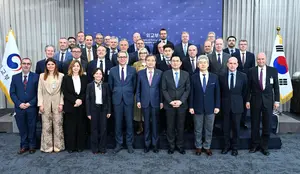
북대서양조약기구(NATO) 30개 회원국 대사단이 이번 주 방위협력 및 지역안보 관련 회담을 위해 한국을 방문했다고 외교부가 화요일 밝혔다.
NATO의 주요 의사결정 기구인 북대서양이사회(NAC) 위원들로 구성된 이 대사단은 월요일부터 수요일까지 서울에 머물고 있다. 양측이 북한의 핵·미사일 위협과 우크라이나에서의 러시아 전쟁 등 진화하는 안보 도전에 대응하기 위해 긴밀한 협력을 모색하는 가운데, 한국과의 협력 확대 방안을 모색할 예정이다.
조현 외교부 장관은 화요일 대사단과 면담했으며, 정연두 외교전략정보실장이 한국의 안보 우선순위를 설명하는 브리핑 세션을 주재했다. 외교부는 또한 NATO 대사들과 국내 방위산업체 13개사 대표들을 초청한 만찬을 개최했다.
회담에서 서울과 NATO 대사들은 방위산업 협력 강화 방안을 논의하고 한반도 정세를 포함한 지역 안보 동향에 대해 의견을 교환했다. 또한 인도태평양과 유럽-대서양 지역 간 상호 연계되는 안보 역학 관계 속에서 우주와 첨단 기술 등 신흥 분야로 협력을 확대할 필요성에 공감대를 이루었다.
방문 기간 중 대사단은 방위산업 시설을 시찰하며 한국의 기술 역량을 직접 확인했는데, 이는 유럽 국가들이 군사 대비 태세를 강화하려는 가운데 한국산 방위수출에 대한 관심이 높아지고 있음을 반영한다.
외교부는 이번 대사단 방문이 한국-NATO 협력의 범위를 넓히고 한국 방위산업체의 유럽 및 대서양 시장 진출을 지원하는 데 도움이 될 것으로 기대된다고 밝혔다.
한국과 NATO는 최근 수년간 방위 관계를 꾸준히 발전시켜 왔으며, 협력이 무기 산업 파트너십과 상호운용성에 점점 더 초점을 맞추고 있다. 우크라이나 전쟁으로 고갈된 재고를 보충하려는 유럽 동맹국들은 비용 효율성과 신속한 납품 일정으로 평가받는 한국의 전차, 곡사포, 공방 플랫폼 등에 대한 관심을 높이고 있다.
이러한 논의는 NATO 동맹국들이 호르무즈 해협에서의 고조되는 위기에 끌려들어가는 것에 대해 신중한 태도를 유지하고 있으며, 이스라엘-미국-이란 간 전쟁이 글로벌 해상 운송로를 교란시키고 있는 상황에서 이루어지고 있다.
영국과 프랑스 등 여러 NATO 회원국은 미국이 주도하는 전략 수로 봉쇄 계획에 참여하지 않겠다는 뜻을 밝혔으며, 대신 안전한 통과를 회복하기 위한 외교적 및 분쟁 후 노력을 선호하고 있다.
NATO의 주요 의사결정 기구인 북대서양이사회(NAC) 위원들로 구성된 이 대사단은 월요일부터 수요일까지 서울에 머물고 있다. 양측이 북한의 핵·미사일 위협과 우크라이나에서의 러시아 전쟁 등 진화하는 안보 도전에 대응하기 위해 긴밀한 협력을 모색하는 가운데, 한국과의 협력 확대 방안을 모색할 예정이다.
조현 외교부 장관은 화요일 대사단과 면담했으며, 정연두 외교전략정보실장이 한국의 안보 우선순위를 설명하는 브리핑 세션을 주재했다. 외교부는 또한 NATO 대사들과 국내 방위산업체 13개사 대표들을 초청한 만찬을 개최했다.
회담에서 서울과 NATO 대사들은 방위산업 협력 강화 방안을 논의하고 한반도 정세를 포함한 지역 안보 동향에 대해 의견을 교환했다. 또한 인도태평양과 유럽-대서양 지역 간 상호 연계되는 안보 역학 관계 속에서 우주와 첨단 기술 등 신흥 분야로 협력을 확대할 필요성에 공감대를 이루었다.
방문 기간 중 대사단은 방위산업 시설을 시찰하며 한국의 기술 역량을 직접 확인했는데, 이는 유럽 국가들이 군사 대비 태세를 강화하려는 가운데 한국산 방위수출에 대한 관심이 높아지고 있음을 반영한다.
외교부는 이번 대사단 방문이 한국-NATO 협력의 범위를 넓히고 한국 방위산업체의 유럽 및 대서양 시장 진출을 지원하는 데 도움이 될 것으로 기대된다고 밝혔다.
한국과 NATO는 최근 수년간 방위 관계를 꾸준히 발전시켜 왔으며, 협력이 무기 산업 파트너십과 상호운용성에 점점 더 초점을 맞추고 있다. 우크라이나 전쟁으로 고갈된 재고를 보충하려는 유럽 동맹국들은 비용 효율성과 신속한 납품 일정으로 평가받는 한국의 전차, 곡사포, 공방 플랫폼 등에 대한 관심을 높이고 있다.
이러한 논의는 NATO 동맹국들이 호르무즈 해협에서의 고조되는 위기에 끌려들어가는 것에 대해 신중한 태도를 유지하고 있으며, 이스라엘-미국-이란 간 전쟁이 글로벌 해상 운송로를 교란시키고 있는 상황에서 이루어지고 있다.
영국과 프랑스 등 여러 NATO 회원국은 미국이 주도하는 전략 수로 봉쇄 계획에 참여하지 않겠다는 뜻을 밝혔으며, 대신 안전한 통과를 회복하기 위한 외교적 및 분쟁 후 노력을 선호하고 있다.
처리 완료
2,184 tokens · $0.0045
기사 수집 완료 · 20:52
매체 피드에서 기사 메타데이터 수집
헤드라인 번역 완료 · 21:06
제목/요약 한국어 번역 (fetch 시점 inline)
kimi-k2.5
138 tokens
$0.00025
10.4s
본문 추출 완료
2,680자 추출 완료
본문 한국어 번역 완료 · 21:06
1,146자 번역 완료
kimi-k2.5
2,046 tokens
$0.00421
43.4s
지정학적 엔티티 추출 완료 · 21:06
8개 엔티티 추출 완료
지정학적 맥락 & R-Scanner
R-Scanner · 평상
z=-0.89
일상적인 보도 수준 — 기준: Seoul
(🇰🇷 KR)
최근 6시간 4건
7일 평균 6.43건 / 6h
2개국 매체
2개 매체
본문에서 추출된 지명 (8)
Seoul
🇰🇷
South Korea
🇰🇷
Strait of Hormuz
🇮🇷
Ukraine
🇺🇦
Russia
🇷🇺
North Korea
🇰🇵
Britain
🇬🇧
France
🇫🇷
위치 지도
지도 로딩 중…
같은 주제의 다른 기사 (최근 7일)
Lee urges warring parties toward peace based on universal human rights
A delegation of ambassadors representing 30 countries of the North Atlantic Treaty Organization visited South Korea this week for talks on defense cooperation and regional security, the Foreign Ministry said Tuesday.The delegation — composed of members of the North Atlantic Council, NATO’s principal decision-making body — is in Seoul from Monday to Wednesday. It plans to explore ways to expand cooperation with South Korea, as both sides seek closer coordination in response to evolving security challenges, including North Korea’s nuclear and missile threats and Russia’s war in Ukraine.
Foreign Minister Cho Hyun met the delegation Tuesday, while Vice Foreign Minister for diplomatic strategy and intelligence Jeong Yeon-doo led a briefing session outlining Seoul’s security priorities. The ministry also hosted a dinner bringing together NATO envoys and representatives from 13 South Korean defense firms.
During the meetings, Seoul and NATO ambassadors discussed ways to strengthen cooperation in the defense industry and exchanged views on regional security developments, including the situation on the Korean Peninsula. They also agreed on the need to expand cooperation into emerging areas such as space and advanced technologies, amid increasingly interconnected security dynamics between the Indo-Pacific and Euro-Atlantic regions.
The visit included tours of defense industry sites, where the delegation observed South Korea’s technological capabilities, reflecting growing interest in Korean defense exports as European countries seek to bolster their military readiness.
The Foreign Ministry said the delegation’s visit is expected to help broaden the scope of South Korea-NATO cooperation and support Korean defense firms in expanding their presence in European and transatlantic markets.
South Korea and NATO have steadily developed defense ties in recent years, with cooperation increasingly focused on arms industry partnerships and interoperability. European allies, seeking to replenish stockpiles depleted by the war in Ukraine, have shown growing interest in South Korean systems such as tanks, howitzers and air defense platforms, which are valued for their cost-effectiveness and rapid delivery timelines.
The discussions come as NATO allies remain cautious about being drawn into the escalating crisis in the Strait of Hormuz, and the war between Israel, the United States and Iran has disrupted global shipping routes.
Several NATO members, including Britain and France, have indicated they would not participate in a US-led plan to blockade the strategic waterway, instead favoring diplomatic and post-conflict efforts to restore safe passage.