국립한강, 멸종위기 야생동물의 피난처 되다
National Han River becomes sanctuary for endangered wildlife Endangered species and wild birds are returning to the Han River in central Seoul, signaling improving ecological stability in one of the city’s most heavily urbanized areas. The Seoul Metropolitan Go
The Korea Herald
· 🇰🇷 Seoul, KR
Choi Jeong-yoon
EN
2026-04-14 15:36
Translated
한강이 멸종위기 야생동물의 피난처로 변모하다
강변공원에서 백로, 수달, 삵 등 번식 관찰
멸종위기종과 야생조류가 서울 중심부 한강으로 돌아오고 있어, 도시에서 가장 도시화된 지역 중 하나의 생태적 안정성이 개선되고 있음을 보여준다.
서울시는 최근 모니터링에서 여의도 샛강 생태공원에서 백로의 알 품기와 수달, 삵 등 멸종위기 포유류의 서식 활동이 확인되었다고 밝혔다.
여의도 샛강 생태공원에서는 백로 4마리가 알을 품고 있었고, 잉어 100마리 이상이 산란하는 모습이 관찰되었다.
안정적인 습지와 풍부한 먹이원에 의존하는 백로는 핵심 지표종으로 간주되며, 이 지역의 환경 조건이 개선되었음을 시사한다.
시 관계자는 여의도 샛강 일대의 수질 개선 및 서식지 보호를 위한 지속적인 노력이 이러한 추세에 기여했다고 설명했다. 수중 생태계의 개선이 어류와 기타 먹이종을 지원하여 백로와 같은 상위 포식자의 성공적인 번식을 가능하게 했다.
고덕·암사 생태공원 및 인근 강변 일대의 추가 모니터링에서는 제비를 포함한 37종의 조류가 확인되었다. 생태 회복의 추가 징후로 개구리와 올챙이의 번식, 그리고 박새의 둥지 활동도 포함되었다.
난지한강공원에서는 저녁 시간대 특히 수달 활동이 기록되었다. 수달은 강 생태계의 균형을 유지하는 데 도움을 주는 핵심 지표종으로 여겨진다.
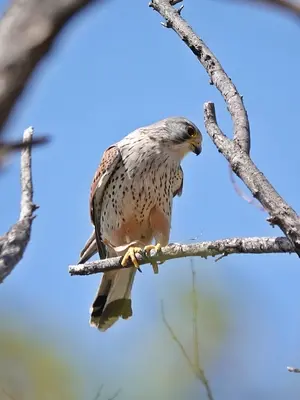
한편, 강서습지생태공원에서는 작은 맹금류인 황조롱이뿐만 아니라 큰오색딱따구리와 콩새를 포함한 40종 이상의 조류가 서식하는 것으로 확인되었다. 이러한 맹금류의 존재는 다양한 야생동물을 지탱할 수 있는 잘 보존된 서식지를 시사한다.
뚝섬과 잠실한강공원 자연학습원에서는 제비꽃, 민들레, 바위취 등 봄 야생화와 매화, 개나리, 벚꽃, 살구꽃 등 꽃나무가 만개하여 계절별 식물상도 관찰되었다.
서울시는 가족 중심 교육 활동을 통해 시민들이 강의 생태적 가치를 더 잘 이해하고 체험할 수 있도록 자연과의 공존을 촉진하는 프로그램을 확대할 계획이다.
멸종위기종과 야생조류가 서울 중심부 한강으로 돌아오고 있어, 도시에서 가장 도시화된 지역 중 하나의 생태적 안정성이 개선되고 있음을 보여준다.
서울시는 최근 모니터링에서 여의도 샛강 생태공원에서 백로의 알 품기와 수달, 삵 등 멸종위기 포유류의 서식 활동이 확인되었다고 밝혔다.
여의도 샛강 생태공원에서는 백로 4마리가 알을 품고 있었고, 잉어 100마리 이상이 산란하는 모습이 관찰되었다.
안정적인 습지와 풍부한 먹이원에 의존하는 백로는 핵심 지표종으로 간주되며, 이 지역의 환경 조건이 개선되었음을 시사한다.
시 관계자는 여의도 샛강 일대의 수질 개선 및 서식지 보호를 위한 지속적인 노력이 이러한 추세에 기여했다고 설명했다. 수중 생태계의 개선이 어류와 기타 먹이종을 지원하여 백로와 같은 상위 포식자의 성공적인 번식을 가능하게 했다.
고덕·암사 생태공원 및 인근 강변 일대의 추가 모니터링에서는 제비를 포함한 37종의 조류가 확인되었다. 생태 회복의 추가 징후로 개구리와 올챙이의 번식, 그리고 박새의 둥지 활동도 포함되었다.
난지한강공원에서는 저녁 시간대 특히 수달 활동이 기록되었다. 수달은 강 생태계의 균형을 유지하는 데 도움을 주는 핵심 지표종으로 여겨진다.
한편, 강서습지생태공원에서는 작은 맹금류인 황조롱이뿐만 아니라 큰오색딱따구리와 콩새를 포함한 40종 이상의 조류가 서식하는 것으로 확인되었다. 이러한 맹금류의 존재는 다양한 야생동물을 지탱할 수 있는 잘 보존된 서식지를 시사한다.
뚝섬과 잠실한강공원 자연학습원에서는 제비꽃, 민들레, 바위취 등 봄 야생화와 매화, 개나리, 벚꽃, 살구꽃 등 꽃나무가 만개하여 계절별 식물상도 관찰되었다.
서울시는 가족 중심 교육 활동을 통해 시민들이 강의 생태적 가치를 더 잘 이해하고 체험할 수 있도록 자연과의 공존을 촉진하는 프로그램을 확대할 계획이다.
처리 완료
166 tokens · $0.0003
기사 수집 완료 · 15:36
매체 피드에서 기사 메타데이터 수집
헤드라인 번역 완료 · 15:56
제목/요약 한국어 번역 (fetch 시점 inline)
kimi-k2.5
166 tokens
$0.00027
8.7s
본문 추출 완료
2,312자 추출 완료
본문 한국어 번역 완료 · 15:56
938자 번역 완료
지정학적 엔티티 추출 완료 · 15:56
8개 엔티티 추출 완료
지정학적 맥락 & R-Scanner
R-Scanner · 평상
z=-0.89
일상적인 보도 수준 — 기준: Seoul
(🇰🇷 KR)
최근 6시간 4건
7일 평균 6.43건 / 6h
2개국 매체
2개 매체
본문에서 추출된 지명 (8)
Seoul
🇰🇷
Han River
🇰🇷
Yeouido Saetgang Ecological Park
🇰🇷
Nanji Hangang Park
🇰🇷
Gangseo Wetland Ecological Park
🇰🇷
Godeok Ecological Park
🇰🇷
Amsa Ecological Park
🇰🇷
Ttukseom Hangang Park
🇰🇷
위치 지도
지도 로딩 중…
같은 주제의 다른 기사 (최근 7일)
Han River becomes sanctuary for endangered wildlife
Breeding herons, otters, leopard cats observed across riverside parksEndangered species and wild birds are returning to the Han River in central Seoul, signaling improving ecological stability in one of the city’s most heavily urbanized areas.
The Seoul Metropolitan Government said that recent monitoring confirmed breeding and habitat activity across multiple species, including herons incubating eggs as well as endangered mammals such as otters and leopard cats.
At Yeouido Saetgang Ecological Park, four herons were observed incubating eggs, while more than 100 carp were seen spawning.
Herons, which rely on stable wetlands and ample food sources to reproduce, are considered a key indicator species, suggesting that environmental conditions in the area have improved.
City officials attributed the trend to ongoing efforts to enhance water quality and protect habitats around the Saetgang area of Yeouido. Improvements in the aquatic ecosystem have supported fish and other prey species, enabling the successful breeding of higher predators such as herons.
Further monitoring at Godeok and Amsa Ecological Parks and nearby riverside areas identified 37 bird species, including swallows. Additional signs of ecological recovery included breeding brown frogs and tadpoles, along with nesting activity by great tits.
At Nanji Hangang Park, otter activity was recorded, particularly in the evening. Otters are considered a key indicator species that help maintain the balance of river ecosystems.
Meanwhile, Gangseo Wetland Ecological Park was found to host more than 40 bird species, including the Eurasian kestrel, a small bird of prey, as well as the great spotted woodpecker and hawfinch. The presence of such raptors suggests a well-preserved habitat capable of supporting diverse wildlife.
Seasonal plant life was also observed at the natural learning centers in Ttukseom and Jamsil Hangang Parks, where spring wildflowers such as violets, dandelions and speedwell were in bloom alongside flowering trees including plum, forsythia, cherry and apricot blossoms.
The Seoul Metropolitan Government plans to expand programs aimed at promoting coexistence with nature, allowing locals to better understand and experience the river’s ecological value through family-oriented educational activities.