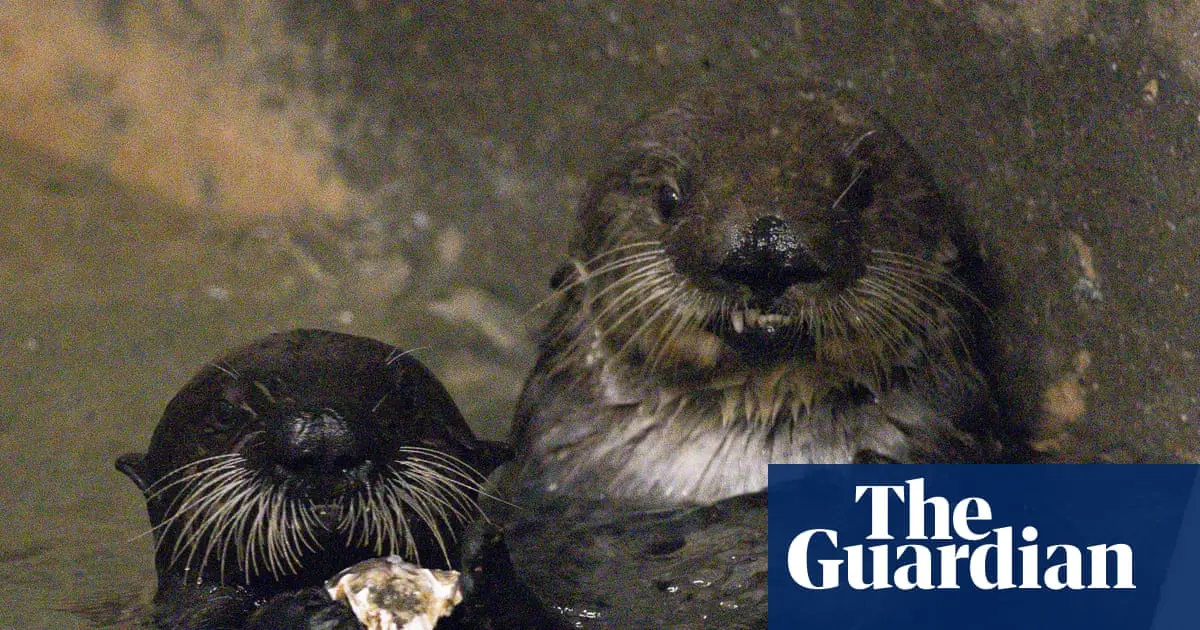
캘리포니아 수족관에서 바다수달 어미가 고아 새끼를 입양하다
Mother knows best as sea otter adopts orphaned pup at California aquarium
The Guardian
· 🇬🇧 London, GB
Long Beach Post
EN
2026-05-01 23:32
Translated
Rey는 약 2주 된 Sunny에게 입양된 아기가 살아가기 위해 알아야 할 모든 것을 가르치고 있습니다. 지난달 이전까지 어린 남부 바다수달 Rey는 자신이 어미가 될 것이라고 상상도 못했습니다. 2월 Asilomar 주립 해변에서 고아로 발견된 약 2주 된 새끼 Sunny를 만나면서 상황이 바뀌었습니다. 이 짝짓기는 완벽하게 진행되었습니다.
지난달 이전까지 어린 남부 바다수달 Rey는 자신이 어미가 될 것이라고 상상도 못했습니다.
상황이 바뀐 것은 그녀가 Sunny를 만났을 때입니다. Sunny는 2월 Asilomar 주립 해변에서 고아로 발견된 약 2주 된 새끼였습니다. 이 짝짓기는 완벽하게 진행되었습니다.
두 수달은 이제 태평양 수족관에서 어미와 딸로 함께 살고 있습니다. 그들은 지난달 이 시설에 도착했으며, Monterey Bay 수족관과 함께 운영하는 대리모 프로그램의 일환으로 함께 짝을 이루었습니다.
1990년대 Monterey Bay 수족관에 의해 만들어진 이 프로그램은 2024년 Long Beach에서 시작되었습니다. 이 프로그램은 모성기 암컷 수달과 어미가 없는 어린 새끼를 짝지어 주는데, 이 새끼들은 그렇지 않으면 야생에서 자력으로 생존하지 못할 것입니다.
바다수달 프로그램 매니저 Megan Smylie는 이 운영이 이후 9마리의 수달을 재활 및 야생으로 방출했으며, 나머지 3마리는 여름까지 떠날 것으로 예상된다고 말합니다.
수족관은 한 번에 11마리의 수달을 수용할 수 있으며, 메인 탱크에는 최대 7마리까지 각각 2마리의 수달을 수용할 수 있는 재활 풀이 있습니다. 현재 대리모 모성을 준비 중인 다른 암컷 2마리를 포함하여 5마리의 수달이 있습니다.
하지만 Sunny와 Rey는 야생으로 방출될 수 없습니다. 전문가들은 둘 다 이미 인간과 함께 있는 것에 너무 익숙해져 있으며 바다에서 독립적으로 생존할 수 있는 생존 본능이 부족하다고 말합니다.
대신, 둘 다 포로 상태에서 모성을 위해 정해졌습니다. Rey의 경우, Sunny는 그녀가 성년까지 키워낼 첫 번째 새끼가 될 것입니다. 이것은 그녀에게 완전한 원형의 순간입니다. 약 2년 반 된 Rey는 2023년 7월에 고립된 것으로 발견되었습니다.
그녀는 Long Beach로 이사하기 전에 다른 시설에서 몇 년을 보냈습니다.
"Rey는 내가 일어날 것이라고 생각했던 것보다 훨씬 뛰어났습니다," Smylie가 말했습니다. "그녀는 훌륭합니다."
대리모 어미로서, 그녀는 입양된 아기에게 야생으로 돌아갈 수 없음에도 불구하고 자신을 부양하기 위해 알아야 할 모든 것을 가르치고 있습니다.
둘은 인공 게껍질을 조작하고 음식을 찾는 모습이 목격되었습니다. 어린 수달은 털의 두께와 부력 때문에 털 많은 몸을 물 탱크의 바닥으로 내릴 힘이 없습니다.
수달은 모든 포유류 중 가장 두꺼운 코트를 가지고 있으며, 제곱 인치당 최대 백만 개의 털이 있습니다. 털은 공기를 가두고 있으며, 이는 단열 역할을 하고 수달의 부력을 유지하는 데 도움이 됩니다.
시간이 지나면서, 그녀는 새끼에게 도구 사용 방법을 가르칠 수도 있습니다. 바다수달은 교활한 동물로 알려져 있으며, 바위를 사용하여 조개껍질을 깨뜨리고, 볼트에서 견과류를 제거하고, 독립적으로 문을 열 수 있습니다.
진정할 시간이 되면, 그녀는 새끼를 손질할 것이고, 낮잠을 잘 시간이 되면 Rey는 Sunny를 자신의 가슴에 끌어당기고 등을 굴립니다. 야생의 모성 유대는 강한 것이며, 새끼는 지속적인 관심이 필요합니다.
전문가들은 대리모가 키운 수달과 야생 자손 사이의 이러한 빠르게 형성되는 연결이 캘리포니아 중부 해안을 따라 발견되는 개체군 증가에 중요한 역할을 해왔다고 말합니다.
한때 일본에서 바하 캘리포니아까지 북태평양 해변을 따라 30만 마리 이상의 개체군을 자랑했던 이 동물들은 털 때문에 귀중했고 19세기 초에 약 2,000마리로 수렵되었습니다. 관계자들은 수달 집단이 거의 10년 후 발견될 때까지 멸종된 것으로 생각되었다고 말합니다.
현재 연방 멸종 위기 종인 캘리포니아 남부 바다수달 개체군은 약 3,000마리로 회복되었습니다. 그들의 복귀를 돕기 위한 노력에도 불구하고, 이 종은 새끼의 낮은 생존률과 기생충, 상어 공격, 인간이 야기한 재앙의 지속적인 위협에 직면해 있습니다.
이는 Rey와 같은 모성을 가진 모든 수달의 업무를 더욱 중요하게 만들며, 그녀는 새끼들에게 그녀가 가지지 못했던 어린 시절을 제공할 뿐만 아니라 자신의 종 보존을 보장해야 합니다.
그리고 Sunny는 다시는 바다를 볼 수 없을지도 모르지만, 수족관 직원들은 그녀가 스스로 엄마가 되어 다음 세대의 어린 새끼들에게 다른 인생 기회를 주기를 바라고 있습니다.
"그것은 일종의 행복한 결말이며, 어쩌면 조금 쓸쓸할 수도 있습니다," Smylie가 말했습니다.
상황이 바뀐 것은 그녀가 Sunny를 만났을 때입니다. Sunny는 2월 Asilomar 주립 해변에서 고아로 발견된 약 2주 된 새끼였습니다. 이 짝짓기는 완벽하게 진행되었습니다.
두 수달은 이제 태평양 수족관에서 어미와 딸로 함께 살고 있습니다. 그들은 지난달 이 시설에 도착했으며, Monterey Bay 수족관과 함께 운영하는 대리모 프로그램의 일환으로 함께 짝을 이루었습니다.
1990년대 Monterey Bay 수족관에 의해 만들어진 이 프로그램은 2024년 Long Beach에서 시작되었습니다. 이 프로그램은 모성기 암컷 수달과 어미가 없는 어린 새끼를 짝지어 주는데, 이 새끼들은 그렇지 않으면 야생에서 자력으로 생존하지 못할 것입니다.
바다수달 프로그램 매니저 Megan Smylie는 이 운영이 이후 9마리의 수달을 재활 및 야생으로 방출했으며, 나머지 3마리는 여름까지 떠날 것으로 예상된다고 말합니다.
수족관은 한 번에 11마리의 수달을 수용할 수 있으며, 메인 탱크에는 최대 7마리까지 각각 2마리의 수달을 수용할 수 있는 재활 풀이 있습니다. 현재 대리모 모성을 준비 중인 다른 암컷 2마리를 포함하여 5마리의 수달이 있습니다.
하지만 Sunny와 Rey는 야생으로 방출될 수 없습니다. 전문가들은 둘 다 이미 인간과 함께 있는 것에 너무 익숙해져 있으며 바다에서 독립적으로 생존할 수 있는 생존 본능이 부족하다고 말합니다.
대신, 둘 다 포로 상태에서 모성을 위해 정해졌습니다. Rey의 경우, Sunny는 그녀가 성년까지 키워낼 첫 번째 새끼가 될 것입니다. 이것은 그녀에게 완전한 원형의 순간입니다. 약 2년 반 된 Rey는 2023년 7월에 고립된 것으로 발견되었습니다.
그녀는 Long Beach로 이사하기 전에 다른 시설에서 몇 년을 보냈습니다.
"Rey는 내가 일어날 것이라고 생각했던 것보다 훨씬 뛰어났습니다," Smylie가 말했습니다. "그녀는 훌륭합니다."
대리모 어미로서, 그녀는 입양된 아기에게 야생으로 돌아갈 수 없음에도 불구하고 자신을 부양하기 위해 알아야 할 모든 것을 가르치고 있습니다.
둘은 인공 게껍질을 조작하고 음식을 찾는 모습이 목격되었습니다. 어린 수달은 털의 두께와 부력 때문에 털 많은 몸을 물 탱크의 바닥으로 내릴 힘이 없습니다.
수달은 모든 포유류 중 가장 두꺼운 코트를 가지고 있으며, 제곱 인치당 최대 백만 개의 털이 있습니다. 털은 공기를 가두고 있으며, 이는 단열 역할을 하고 수달의 부력을 유지하는 데 도움이 됩니다.
시간이 지나면서, 그녀는 새끼에게 도구 사용 방법을 가르칠 수도 있습니다. 바다수달은 교활한 동물로 알려져 있으며, 바위를 사용하여 조개껍질을 깨뜨리고, 볼트에서 견과류를 제거하고, 독립적으로 문을 열 수 있습니다.
진정할 시간이 되면, 그녀는 새끼를 손질할 것이고, 낮잠을 잘 시간이 되면 Rey는 Sunny를 자신의 가슴에 끌어당기고 등을 굴립니다. 야생의 모성 유대는 강한 것이며, 새끼는 지속적인 관심이 필요합니다.
전문가들은 대리모가 키운 수달과 야생 자손 사이의 이러한 빠르게 형성되는 연결이 캘리포니아 중부 해안을 따라 발견되는 개체군 증가에 중요한 역할을 해왔다고 말합니다.
한때 일본에서 바하 캘리포니아까지 북태평양 해변을 따라 30만 마리 이상의 개체군을 자랑했던 이 동물들은 털 때문에 귀중했고 19세기 초에 약 2,000마리로 수렵되었습니다. 관계자들은 수달 집단이 거의 10년 후 발견될 때까지 멸종된 것으로 생각되었다고 말합니다.
현재 연방 멸종 위기 종인 캘리포니아 남부 바다수달 개체군은 약 3,000마리로 회복되었습니다. 그들의 복귀를 돕기 위한 노력에도 불구하고, 이 종은 새끼의 낮은 생존률과 기생충, 상어 공격, 인간이 야기한 재앙의 지속적인 위협에 직면해 있습니다.
이는 Rey와 같은 모성을 가진 모든 수달의 업무를 더욱 중요하게 만들며, 그녀는 새끼들에게 그녀가 가지지 못했던 어린 시절을 제공할 뿐만 아니라 자신의 종 보존을 보장해야 합니다.
그리고 Sunny는 다시는 바다를 볼 수 없을지도 모르지만, 수족관 직원들은 그녀가 스스로 엄마가 되어 다음 세대의 어린 새끼들에게 다른 인생 기회를 주기를 바라고 있습니다.
"그것은 일종의 행복한 결말이며, 어쩌면 조금 쓸쓸할 수도 있습니다," Smylie가 말했습니다.
처리 완료
4,395 tokens · $0.0125
기사 수집 완료 · 23:56
매체 피드에서 기사 메타데이터 수집
헤드라인 번역 완료 · 00:07
제목/요약 한국어 번역 (fetch 시점 inline)
claude-haiku-4-5-20251001
368 tokens
$0.00096
2.5s
본문 추출 완료
3,986자 추출 완료
본문 한국어 번역 완료 · 00:07
2,175자 번역 완료
claude-haiku-4-5-20251001
4,027 tokens
$0.01155
21.6s
지정학적 엔티티 추출 완료 · 00:07
7개 엔티티 추출 완료
지정학적 맥락 & R-Scanner
R-Scanner · 평상
z=-3.95
일상적인 보도 수준 — 기준: California
(🇺🇸 US)
최근 6시간 7건
7일 평균 28.39건 / 6h
4개국 매체
4개 매체
본문에서 추출된 지명 (7)
California
🇺🇸
Asilomar State Beach
🇺🇸
Long Beach
🇺🇸
Monterey Bay
🇺🇸
Northern Pacific Rim
🇺🇸
Japan
🇯🇵
Baja California
🇲🇽
위치 지도
지도 로딩 중…
같은 주제의 다른 기사 (최근 7일)
Rey is teaching Sunny, aged about two weeks, all her adopted baby needs to know to fend for herselfBefore last month, a young southern sea otter named Rey would never have imagined she would be a mother.That changed when she met Sunny, a pup – about two weeks old – found orphaned and alone on Asilomar state beach in February. The pairing went off without a hitch.
Before last month, a young southern sea otter named Rey would never have imagined she would be a mother.That changed when she met Sunny, a pup – about two weeks old – found orphaned and alone on Asilomar state beach in February. The pairing went off without a hitch.
The two otters now live as mother and daughter at the Aquarium of the Pacific. They arrived at the facility last month, paired together as part of the facility’s surrogacy program that it runs alongside the Monterey Bay Aquarium.
The program, created by the Monterey Bay Aquarium in the 1990s, was launched in Long Beach in 2024. It pairs maternal-age female otters with young, motherless pups who would otherwise not survive on their own in the wild.
Megan Smylie, the sea otter program manager, says the operation has since rehabilitated and released nine otters into the wild, with the three others expected to leave by the summer.
The aquarium can handle 11 otters at a time, with up to seven in the main tank with rehabilitation pools that can each house two otters. They currently have five otters, including two other females that are preparing for surrogate motherhood.
But Sunny and Rey cannot be released into the wild. Experts say both are already too used to being around people and lack the survival instincts to make it on their own in the ocean.
Instead, the two are destined for motherhood in captivity. For Rey, Sunny will be the first pup she raises into adulthood. It’s a full-circle moment for her: about two and a half years old, Rey was found stranded herself in July 2023.
She spent a couple of years at another facility before moving to Long Beach.
“Ray has far surpassed my expectations of what I thought was gonna happen,” Smylie said. “She’s fantastic.”
As a surrogate mom, she is teaching her adopted baby everything she needs to know to fend for herself, regardless of her inability to return to the wild.
The two were seen manipulating an imitation crab shell and foraging for food. Young otters, because of the thickness and buoyancy of their fur, don’t have the strength to get their furry bodies to the bottom of the water tank.
Otters have the thickest coat of any mammal, with as many as a million hairs per square inch. The hairs trap air, which acts as insulation and helps keep the otters buoyant.
In time, she may teach the pup how to use tools. Sea otters are known to be crafty creatures, able to use rocks to crack clamshells, take nuts off bolts and open doors on their own.
When it’s time to calm down, she will groom the pup, and when it’s time for a nap, Rey will pull Sunny to her chest and roll on to her back. The maternal bond in the wild is a strong one, and the pup requires constant attention.
Experts say this quick-forming connection, between that of surrogate-raised otters and their wild offspring, has played a significant role in growing the population found along California’s central coast.
The animals, which once boasted a population of more than 300,000 along the Northern Pacific Rim from Japan to Baja California, were prized for their fur and hunted down to about 2,000 by the early 19th century. Officials say they were thought to have been exterminated until a colony of otters was discovered nearly a decade later.
Now a federally threatened species, California’s southern sea otter population has rebounded to about 3,000. Despite efforts to aid their comeback, the species faces a low survival rate for pups and constant threats of parasites, shark attacks and human-caused catastrophes.
This makes the work of every mothering otter like Rey all the more important, as she is tasked with not only providing pups the childhood she never had but ensuring the preservation of her species.
And while Sunny may never see the ocean again, aquarium staff hope she can grow into a mom herself, giving the next generation of young pups another shot at life.
“That is kind of a happy ending, if maybe a little bittersweet,” Smylie said.