마리화나 중독자는 증가하지만 도움을 찾는 사람은 감소하고 있다고 전문가들이 말함
More people are addicted to marijuana, but fewer of them are seeking help, experts say
Associated Press
· 🇺🇸 New York, US
https://apnews.com/author/laura-ungar
EN
2026-04-24 22:20
Translated
메건 펠러는 하루에 여러 번 마리화나를 피웠으며 그것 없이는 먹을 수도, 자을 수도, 기능할 수도 없었다. 하지만 그 당시 그녀는 도움을 청할 필요가 있다고 생각하지 않았다.
"나는 대마초가 큰 문제라고 생각하지 않았다"고 24세의 펠러는 말했다. "그것은 정말 사회적으로 수용되었다."
이러한 태도는 일반적이다. 더 많은 주에서 마리화나를 합법화함에 따라 사용이 더 정상화되었고 제품은 더욱 강력해졌다. 하지만 중독된 사람 중 도움을 찾는 사람은 더 적어졌다.
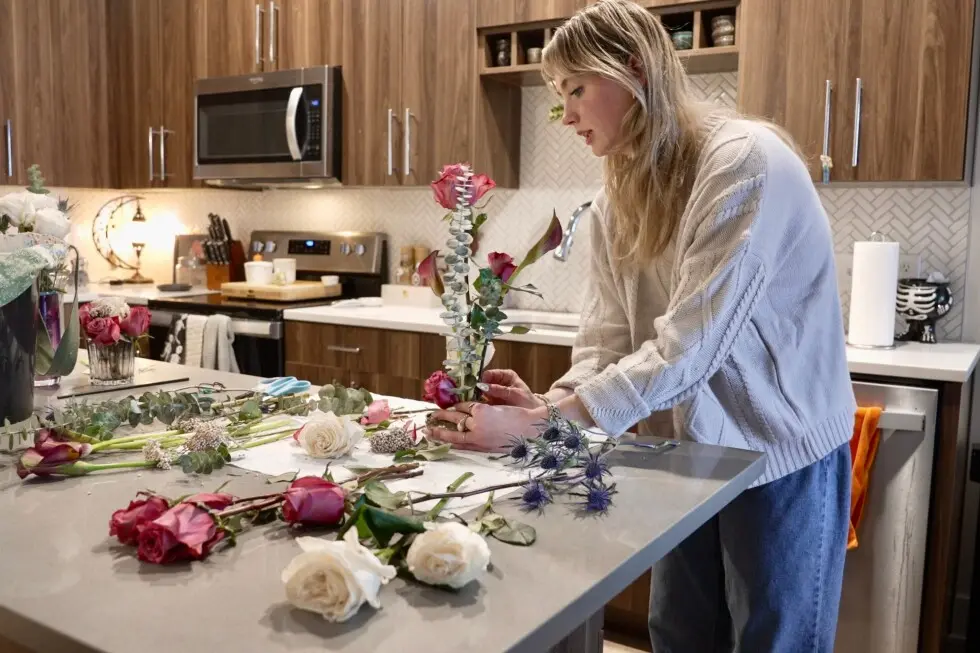
메건 펠러는 2025년 10월 25일 토요일 미네소타주 에디나의 자신의 아파트에서 할로윈 파티를 위해 꽃다발을 정리하고 있다. (AP 사진/마크 밴클리브)
최근 몇 년간 연방 정부 지원 설문조사에 따르면 젊은 성인들 사이의 마리화나 사용이 역사적 수준에 도달했다. 일일 사용은 일일 음주를 능가했으며, 거의 1,800만 명의 미국인이 2022년 매일 또는 거의 매일 마리화나를 사용한다고 보고했으며, 이는 30년 전보다 100만 명 미만에서 증가했다.
연구에 따르면 대응하는 수준의 대마초 사용 장애가 증가하고 있는데, 이는 사람들이 마리화나를 갈망하고 가정, 학교, 직장 또는 관계에서 문제를 일으키더라도 많은 시간을 사용하는 데 소비하는 상태이다. 연구원들은 이 상태가 마리화나 사용자의 약 3명 중 1명에게 영향을 미치며 경증, 중등도 또는 중증일 수 있다고 추정한다.
그리고 그것은 중독이다 — 마리화나로는 불가능하다는 일반적인 오해에도 불구하고, 스탠포드 대학교의 중독 정신과 의사인 스미타 다스 박사는 말했다.
한편, 약물의 광범위한 수용은 치료 추구에 대한 낙인을 부추겼다고 미네소타의 헤즐든 베티 포드 재단의 제니퍼 엑소 박사가 말했다.
"당신이 중독될 수 없다, 실제로 문제가 될 수 없다는 이 만연한 믿음이 있다"고 그녀는 말했다. "대마초가 안전하고, 자연적이며, 무해하다는 이 신화와 관련이 있다."
마리화나가 더 강한 약물만큼 해롭지는 않지만, 빈번하거나 과도한 사용은 학습, 기억 및 주의력 문제 및 그것을 피우는 사람들 사이의 만성 메스꺼움, 구토 및 폐 문제와 연결되었다. 일부 증거는 또한 정신분열증과 같은 정신병 장애의 유전적 위험 인자가 있는 사람들에서 정신병의 더 빠른 발병과 연결되었다.
그리고 오늘날의 마리화나는 과거와 다르다.
많은 사람들은 "몇 번 피우고 음식을 먹고 잠이 들었던" 나이 많은 친척들을 기억한다고 엑소는 말했다. "하지만 그것은 절대적으로 다르다."
1960년대에 사람들이 피운 대부분의 마리화나는 5% 미만의 THC를 함유했는데, 이는 높은 느낌을 유발하는 성분이다. 오늘날, 약국에서 판매되는 대마초 꽃과 농축액의 THC 효력은 40% 이상에 도달할 수 있다고 국립 약물 남용 연구소에 따르면.
청소년들은 대마초 꽃으로 만든 브라우니를 먹거나 봉에서 한 번 마시는 대신 강력한 마리화나 농축액을 기화하는 경향이 있다고 엑소는 말했다.
마리화나도 점점 더 이용 가능해지고 있다. 연방 범죄로 소유하는 것이 여전히 범죄이지만, 6월 말 현재 24개 주에서 성인의 오락용 사용을 허용하고 40개에서는 의료용 사용을 허용하고 있다고 전국 주 의회 회의가 말했다. 약국은 많고 더 많은 사람들이 집에서 마리화나를 보관할 수 있다.
연구에 따르면 오락용 마리화나의 합법화는 "급성 대마초 중독"으로 인한 응급실 방문 증가와 연결되어 있으며, 이 경우 환자는 빠른 심박수를 경험하거나 어지럽거나, 혼란스럽거나, 편집증적으로 느낄 수 있다.
작년에 미시간을 중심으로 한 연구에 따르면 합법화는 모든 연령의 사람들, 특히 중년 성인들 사이에서 이 상태로 인한 응급실 방문 비율의 즉각적인 증가와 연결되었다.
다스는 대마초에 대한 접근성 증가, 대마초 제품 수 증가 및 더 높은 효력이 응급실 방문 증가에 기여한다고 말했다. 구미 같은 식용품은 작용하기까지 약간의 시간이 걸리므로 사람들이 약물의 효과를 아직 느끼지 못하기 때문에 계속 더 많이 복용할 수 있기 때문에 특히 문제가 될 수 있다.
"그러면 갑자기 그들은 대마초 독성으로 고통받고 있다"고 그녀는 말했다.
펠러는 16세에 처음 마리화나를 시도했고 빠르게 식물을 피우는 것에서 주머니에 숨기기 쉬운 베이프 카트리지 사용으로 옮겨갔다. 곧, 그녀는 거의 그것 없이는 버틸 수 없었다.
"나는 수년 동안 매일 아침 깨어났고, 마리화나를 피울 때까지 나는 토했을 것이다"라고 그녀는 말했다. 높아지려는 대신 그녀는 "이 다른 증상들을 없애기" 위해 사용했다.
펠러는 또한 술을 많이 마셨고 그녀의 부모는 그녀가 약 18세일 때 그녀를 치료 센터에 보냈다. 그것은 도움이 되지 않았는데 그녀가 회복할 준비가 되어 있지 않았기 때문이다. 그녀의 어머니가 사망한 후 그녀의 물질 사용이 악화되었다.
22세에 펠러는 헤즐든에 스스로 들어갔지만 — 오직 알코올에서 깨기 위해, 그녀는 했다.
그녀는 계속해서 가끔 마리화나를 사용했다가 마침내 대마초 사용 장애에 대한 치료를 추구했으며 거의 1년 동안 마리화나에서 깨어있었다.
"나는 지금 훨씬 더 행복하다"고 그녀는 말했다. "나는 마치 물질에 속박당한 것처럼 느끼지 않는다."
그러한 치료는 종종 간과된다고 플로리다 대서양 대학교의 연구원 브라이언 그레이브스가 말했다.
그와 그의 동료들은 올해 발표한 연구에서 그들의 전국적으로 대표되는 표본에서 대마초 사용 장애에 대한 치료를 받은 사람의 비율이 2003년 19%에서 2019년 13%로 하락했음을 보여주었다. 더 이른 연구도 현저한 감소를 발견했으며 "대마초 합법화 확대 및 보다 관대한 태도"를 포함하는 이유를 지적했다.
전문가들은 사람들이 마리화나가 알코올과 마찬가지로 오용될 수 있고 실질적인 피해를 야기할 수 있음을 교육받아야 한다고 말했다.
"또 다른 중요한 부분은 사람들이 시작하기 전에 위험을 이해하도록 돕는 것"이라고 엑소는 말했다. "그리고 나서 '이것을 관리하는 데 도움이 필요하다'고 말할 수 있을 만큼 충분히 안전함을 느낀다."
많은 사람들은 그들의 마리화나 사용이 그들의 삶의 여러 부분에서 문제를 야기할 때까지 기다렸다 — 만약 그들이 그렇게 한다면.
"마리화나 때문에 당신의 삶을 바꾸고 있다면, 문제가 있을 수 있다"고 펠러가 덧붙였다. "도움을 받을 수 있는 자원이 있으며 당신은 혼자가 아니다."
관련 언론사 건강 및 과학부는 하워드 휴즈 의학 연구소의 과학 교육부와 로버트 우드 존슨 재단의 지원을 받습니다. AP는 모든 콘텐츠에 대해 전적으로 책임이 있습니다.
"나는 대마초가 큰 문제라고 생각하지 않았다"고 24세의 펠러는 말했다. "그것은 정말 사회적으로 수용되었다."
이러한 태도는 일반적이다. 더 많은 주에서 마리화나를 합법화함에 따라 사용이 더 정상화되었고 제품은 더욱 강력해졌다. 하지만 중독된 사람 중 도움을 찾는 사람은 더 적어졌다.
메건 펠러는 2025년 10월 25일 토요일 미네소타주 에디나의 자신의 아파트에서 할로윈 파티를 위해 꽃다발을 정리하고 있다. (AP 사진/마크 밴클리브)
최근 몇 년간 연방 정부 지원 설문조사에 따르면 젊은 성인들 사이의 마리화나 사용이 역사적 수준에 도달했다. 일일 사용은 일일 음주를 능가했으며, 거의 1,800만 명의 미국인이 2022년 매일 또는 거의 매일 마리화나를 사용한다고 보고했으며, 이는 30년 전보다 100만 명 미만에서 증가했다.
연구에 따르면 대응하는 수준의 대마초 사용 장애가 증가하고 있는데, 이는 사람들이 마리화나를 갈망하고 가정, 학교, 직장 또는 관계에서 문제를 일으키더라도 많은 시간을 사용하는 데 소비하는 상태이다. 연구원들은 이 상태가 마리화나 사용자의 약 3명 중 1명에게 영향을 미치며 경증, 중등도 또는 중증일 수 있다고 추정한다.
그리고 그것은 중독이다 — 마리화나로는 불가능하다는 일반적인 오해에도 불구하고, 스탠포드 대학교의 중독 정신과 의사인 스미타 다스 박사는 말했다.
한편, 약물의 광범위한 수용은 치료 추구에 대한 낙인을 부추겼다고 미네소타의 헤즐든 베티 포드 재단의 제니퍼 엑소 박사가 말했다.
"당신이 중독될 수 없다, 실제로 문제가 될 수 없다는 이 만연한 믿음이 있다"고 그녀는 말했다. "대마초가 안전하고, 자연적이며, 무해하다는 이 신화와 관련이 있다."
마리화나가 더 강한 약물만큼 해롭지는 않지만, 빈번하거나 과도한 사용은 학습, 기억 및 주의력 문제 및 그것을 피우는 사람들 사이의 만성 메스꺼움, 구토 및 폐 문제와 연결되었다. 일부 증거는 또한 정신분열증과 같은 정신병 장애의 유전적 위험 인자가 있는 사람들에서 정신병의 더 빠른 발병과 연결되었다.
그리고 오늘날의 마리화나는 과거와 다르다.
많은 사람들은 "몇 번 피우고 음식을 먹고 잠이 들었던" 나이 많은 친척들을 기억한다고 엑소는 말했다. "하지만 그것은 절대적으로 다르다."
1960년대에 사람들이 피운 대부분의 마리화나는 5% 미만의 THC를 함유했는데, 이는 높은 느낌을 유발하는 성분이다. 오늘날, 약국에서 판매되는 대마초 꽃과 농축액의 THC 효력은 40% 이상에 도달할 수 있다고 국립 약물 남용 연구소에 따르면.
청소년들은 대마초 꽃으로 만든 브라우니를 먹거나 봉에서 한 번 마시는 대신 강력한 마리화나 농축액을 기화하는 경향이 있다고 엑소는 말했다.
마리화나도 점점 더 이용 가능해지고 있다. 연방 범죄로 소유하는 것이 여전히 범죄이지만, 6월 말 현재 24개 주에서 성인의 오락용 사용을 허용하고 40개에서는 의료용 사용을 허용하고 있다고 전국 주 의회 회의가 말했다. 약국은 많고 더 많은 사람들이 집에서 마리화나를 보관할 수 있다.
연구에 따르면 오락용 마리화나의 합법화는 "급성 대마초 중독"으로 인한 응급실 방문 증가와 연결되어 있으며, 이 경우 환자는 빠른 심박수를 경험하거나 어지럽거나, 혼란스럽거나, 편집증적으로 느낄 수 있다.
작년에 미시간을 중심으로 한 연구에 따르면 합법화는 모든 연령의 사람들, 특히 중년 성인들 사이에서 이 상태로 인한 응급실 방문 비율의 즉각적인 증가와 연결되었다.
다스는 대마초에 대한 접근성 증가, 대마초 제품 수 증가 및 더 높은 효력이 응급실 방문 증가에 기여한다고 말했다. 구미 같은 식용품은 작용하기까지 약간의 시간이 걸리므로 사람들이 약물의 효과를 아직 느끼지 못하기 때문에 계속 더 많이 복용할 수 있기 때문에 특히 문제가 될 수 있다.
"그러면 갑자기 그들은 대마초 독성으로 고통받고 있다"고 그녀는 말했다.
펠러는 16세에 처음 마리화나를 시도했고 빠르게 식물을 피우는 것에서 주머니에 숨기기 쉬운 베이프 카트리지 사용으로 옮겨갔다. 곧, 그녀는 거의 그것 없이는 버틸 수 없었다.
"나는 수년 동안 매일 아침 깨어났고, 마리화나를 피울 때까지 나는 토했을 것이다"라고 그녀는 말했다. 높아지려는 대신 그녀는 "이 다른 증상들을 없애기" 위해 사용했다.
펠러는 또한 술을 많이 마셨고 그녀의 부모는 그녀가 약 18세일 때 그녀를 치료 센터에 보냈다. 그것은 도움이 되지 않았는데 그녀가 회복할 준비가 되어 있지 않았기 때문이다. 그녀의 어머니가 사망한 후 그녀의 물질 사용이 악화되었다.
22세에 펠러는 헤즐든에 스스로 들어갔지만 — 오직 알코올에서 깨기 위해, 그녀는 했다.
그녀는 계속해서 가끔 마리화나를 사용했다가 마침내 대마초 사용 장애에 대한 치료를 추구했으며 거의 1년 동안 마리화나에서 깨어있었다.
"나는 지금 훨씬 더 행복하다"고 그녀는 말했다. "나는 마치 물질에 속박당한 것처럼 느끼지 않는다."
그러한 치료는 종종 간과된다고 플로리다 대서양 대학교의 연구원 브라이언 그레이브스가 말했다.
그와 그의 동료들은 올해 발표한 연구에서 그들의 전국적으로 대표되는 표본에서 대마초 사용 장애에 대한 치료를 받은 사람의 비율이 2003년 19%에서 2019년 13%로 하락했음을 보여주었다. 더 이른 연구도 현저한 감소를 발견했으며 "대마초 합법화 확대 및 보다 관대한 태도"를 포함하는 이유를 지적했다.
전문가들은 사람들이 마리화나가 알코올과 마찬가지로 오용될 수 있고 실질적인 피해를 야기할 수 있음을 교육받아야 한다고 말했다.
"또 다른 중요한 부분은 사람들이 시작하기 전에 위험을 이해하도록 돕는 것"이라고 엑소는 말했다. "그리고 나서 '이것을 관리하는 데 도움이 필요하다'고 말할 수 있을 만큼 충분히 안전함을 느낀다."
많은 사람들은 그들의 마리화나 사용이 그들의 삶의 여러 부분에서 문제를 야기할 때까지 기다렸다 — 만약 그들이 그렇게 한다면.
"마리화나 때문에 당신의 삶을 바꾸고 있다면, 문제가 있을 수 있다"고 펠러가 덧붙였다. "도움을 받을 수 있는 자원이 있으며 당신은 혼자가 아니다."
관련 언론사 건강 및 과학부는 하워드 휴즈 의학 연구소의 과학 교육부와 로버트 우드 존슨 재단의 지원을 받습니다. AP는 모든 콘텐츠에 대해 전적으로 책임이 있습니다.
처리 완료
5,395 tokens · $0.0157
기사 수집 완료 · 22:20
매체 피드에서 기사 메타데이터 수집
헤드라인 번역 완료 · 22:32
제목/요약 한국어 번역 (fetch 시점 inline)
claude-haiku-4-5-20251001
172 tokens
$0.00048
2.6s
본문 추출 완료
6,048자 추출 완료
본문 한국어 번역 완료 · 22:32
3,197자 번역 완료
claude-haiku-4-5-20251001
5,223 tokens
$0.01521
35.1s
지정학적 엔티티 추출 완료 · 22:32
5개 엔티티 추출 완료
지정학적 맥락 & R-Scanner
R-Scanner · 평상
z=-7.19
일상적인 보도 수준 — 기준: United States
(🇺🇸 US)
최근 6시간 22건
7일 평균 90.89건 / 6h
7개국 매체
8개 매체
본문에서 추출된 지명 (5)
위치 지도
지도 로딩 중…
같은 주제의 다른 기사 (최근 7일)
Megan Feller smoked pot several times a day and couldn’t eat, sleep or function without it. But at the time, she didn’t see the need to reach out for help.
“I didn’t think cannabis was a big deal,” the 24-year-old said. “It was really socially accepted.”
This attitude is common. As more states legalize marijuana, use has become more normalized and products have become more potent. But fewer of those who are addicted seek help for it.
Megan Feller arranges bouquets for a Halloween party at her apartment in Edina, Minn. on Saturday, Oct. 25, 2025. (AP Photo/Mark Vancleave)
Megan Feller arranges bouquets for a Halloween party at her apartment in Edina, Minn. on Saturday, Oct. 25, 2025. (AP Photo/Mark Vancleave)
Pot use among young adults reached historic levels in recent years, according to a federally supported survey. Daily use even outpaced daily drinking, with nearly 18 million Americans reporting in 2022 that they use marijuana every day or nearly every day, up from less than 1 million three decades earlier.
Studies show a corresponding increase in cannabis use disorder — when people crave marijuana and spend lots of time using it even though it causes problems at home, school, work or in relationships. It’s a condition that researchers estimate affects about 3 in 10 pot users and can be mild, moderate or severe.
And it’s an addiction — despite the common misconception that that’s not possible with marijuana, said Dr. Smita Das, an addiction psychiatrist at Stanford University.
Meanwhile, the drug’s widespread acceptance has fueled a stigma about seeking treatment, said Dr. Jennifer Exo of the Hazelden Betty Ford Foundation in Minnesota.
“There’s this pervasive belief that you can’t become addicted, it can’t actually be a problem,” she said. “It has to do with this myth that cannabis is safe, natural and benign.”
While pot isn’t as harmful as harder drugs, frequent or heavy use has been linked to problems with learning, memory and attention as well as chronic nausea, vomiting and lung problems among those who smoke it. Some evidence has also linked it to earlier onset of psychosis in people with genetic risk factors for psychotic disorders like schizophrenia.
And today’s pot is not the same as that of the past.
Many people recall older relatives who “smoked a few doobies and ate some food and fell asleep,” Exo said. “But it’s absolutely different.”
In the 1960s, most pot that people smoked contained less than 5% THC, the ingredient that causes a high. Today, the THC potency in cannabis flower and concentrates sold in dispensaries can reach 40% or more, according to the National Institute on Drug Abuse.
Teens are often vaping potent marijuana concentrates, Exo said, rather than eating brownies made with cannabis flower or taking a hit from a bong.
Pot is also increasingly available. Though it’s still a federal crime to possess it, 24 states allow recreational use by adults and 40 allow medical use as of late June, the National Conference of State Legislatures said. Dispensaries abound and more people are able to keep pot at home.
Research links the legalization of recreational marijuana with rising emergency room visits for “acute cannabis intoxication,” in which patients may experience a rapid heartbeat or feel dizzy, confused or paranoid.
A study last year focused on Michigan found that legalization was associated with an immediate increase in the rate of ER visits for this condition among people of all ages, especially middle-aged adults.
Das said increased access to cannabis, along with a growing number of cannabis products and with higher potency all contribute to rising ER visits. Edibles such as gummies can pose a particular problem because they take a little while to kick in so people may keep taking more because they don’t yet feel the drug’s effects.
“Then, suddenly, they’re suffering from cannabis toxicity,” she said.
Feller first tried pot at 16 and quickly went from smoking the plant to using vape cartridges that were easy to hide in her pocket. Soon, she could barely get by without it.
“I would wake up every morning for years, and until I smoked weed, I would throw up,” she said. Instead of trying to get high, she used it “to make these other symptoms go away.”
Feller was also drinking a lot and her parents sent her to a treatment center when she was around 18. It didn’t help because she wasn’t ready to get well. After her mother died, her substance use worsened.
At 22, Feller entered Hazelden on her own — but only to get sober from alcohol, which she did.
She kept using pot on and off, then finally sought treatment for cannabis use disorder and has been sober from marijuana for almost a year.
“I’m so much happier now,” she said. “I don’t feel, like, shackled to a substance.”
Such treatment is often overlooked, said Brian Graves, a researcher at Florida Atlantic University.
He and his colleagues published a study this year showing that the share of people who got treatment for cannabis use disorder from their nationally representative sample dropped from 19% in 2003 to 13% in 2019. An earlier study also found a marked decline and pointed to reasons that include “expanding cannabis legalization and more tolerant attitudes.”
Experts said people need to be educated that pot, like alcohol, can be misused and can cause real harm.
“Another important piece is helping people understand the risk before they start,” Exo said, “and then to feel safe enough to say, ‘Hey, I need help managing this.’”
Many people wait until their marijuana use causes problems in multiple parts of their lives before they seek treatment — if they ever do.
“If you’re changing your life because of weed, there might be an issue,” Feller added. “There are resources to get help and you are not alone.”
The Associated Press Health and Science Department receives support from the Howard Hughes Medical Institute’s Department of Science Education and the Robert Wood Johnson Foundation. The AP is solely responsible for all content.
“I didn’t think cannabis was a big deal,” the 24-year-old said. “It was really socially accepted.”
This attitude is common. As more states legalize marijuana, use has become more normalized and products have become more potent. But fewer of those who are addicted seek help for it.
Megan Feller arranges bouquets for a Halloween party at her apartment in Edina, Minn. on Saturday, Oct. 25, 2025. (AP Photo/Mark Vancleave)
Megan Feller arranges bouquets for a Halloween party at her apartment in Edina, Minn. on Saturday, Oct. 25, 2025. (AP Photo/Mark Vancleave)
Pot use among young adults reached historic levels in recent years, according to a federally supported survey. Daily use even outpaced daily drinking, with nearly 18 million Americans reporting in 2022 that they use marijuana every day or nearly every day, up from less than 1 million three decades earlier.
Studies show a corresponding increase in cannabis use disorder — when people crave marijuana and spend lots of time using it even though it causes problems at home, school, work or in relationships. It’s a condition that researchers estimate affects about 3 in 10 pot users and can be mild, moderate or severe.
And it’s an addiction — despite the common misconception that that’s not possible with marijuana, said Dr. Smita Das, an addiction psychiatrist at Stanford University.
Meanwhile, the drug’s widespread acceptance has fueled a stigma about seeking treatment, said Dr. Jennifer Exo of the Hazelden Betty Ford Foundation in Minnesota.
“There’s this pervasive belief that you can’t become addicted, it can’t actually be a problem,” she said. “It has to do with this myth that cannabis is safe, natural and benign.”
While pot isn’t as harmful as harder drugs, frequent or heavy use has been linked to problems with learning, memory and attention as well as chronic nausea, vomiting and lung problems among those who smoke it. Some evidence has also linked it to earlier onset of psychosis in people with genetic risk factors for psychotic disorders like schizophrenia.
And today’s pot is not the same as that of the past.
Many people recall older relatives who “smoked a few doobies and ate some food and fell asleep,” Exo said. “But it’s absolutely different.”
In the 1960s, most pot that people smoked contained less than 5% THC, the ingredient that causes a high. Today, the THC potency in cannabis flower and concentrates sold in dispensaries can reach 40% or more, according to the National Institute on Drug Abuse.
Teens are often vaping potent marijuana concentrates, Exo said, rather than eating brownies made with cannabis flower or taking a hit from a bong.
Pot is also increasingly available. Though it’s still a federal crime to possess it, 24 states allow recreational use by adults and 40 allow medical use as of late June, the National Conference of State Legislatures said. Dispensaries abound and more people are able to keep pot at home.
Research links the legalization of recreational marijuana with rising emergency room visits for “acute cannabis intoxication,” in which patients may experience a rapid heartbeat or feel dizzy, confused or paranoid.
A study last year focused on Michigan found that legalization was associated with an immediate increase in the rate of ER visits for this condition among people of all ages, especially middle-aged adults.
Das said increased access to cannabis, along with a growing number of cannabis products and with higher potency all contribute to rising ER visits. Edibles such as gummies can pose a particular problem because they take a little while to kick in so people may keep taking more because they don’t yet feel the drug’s effects.
“Then, suddenly, they’re suffering from cannabis toxicity,” she said.
Feller first tried pot at 16 and quickly went from smoking the plant to using vape cartridges that were easy to hide in her pocket. Soon, she could barely get by without it.
“I would wake up every morning for years, and until I smoked weed, I would throw up,” she said. Instead of trying to get high, she used it “to make these other symptoms go away.”
Feller was also drinking a lot and her parents sent her to a treatment center when she was around 18. It didn’t help because she wasn’t ready to get well. After her mother died, her substance use worsened.
At 22, Feller entered Hazelden on her own — but only to get sober from alcohol, which she did.
She kept using pot on and off, then finally sought treatment for cannabis use disorder and has been sober from marijuana for almost a year.
“I’m so much happier now,” she said. “I don’t feel, like, shackled to a substance.”
Such treatment is often overlooked, said Brian Graves, a researcher at Florida Atlantic University.
He and his colleagues published a study this year showing that the share of people who got treatment for cannabis use disorder from their nationally representative sample dropped from 19% in 2003 to 13% in 2019. An earlier study also found a marked decline and pointed to reasons that include “expanding cannabis legalization and more tolerant attitudes.”
Experts said people need to be educated that pot, like alcohol, can be misused and can cause real harm.
“Another important piece is helping people understand the risk before they start,” Exo said, “and then to feel safe enough to say, ‘Hey, I need help managing this.’”
Many people wait until their marijuana use causes problems in multiple parts of their lives before they seek treatment — if they ever do.
“If you’re changing your life because of weed, there might be an issue,” Feller added. “There are resources to get help and you are not alone.”
The Associated Press Health and Science Department receives support from the Howard Hughes Medical Institute’s Department of Science Education and the Robert Wood Johnson Foundation. The AP is solely responsible for all content.