많은 민주당원들이 뉴스로 인해 스트레스를 받고 있습니다. 그들은 여전히 눈을 돌릴 수 없습니다. 새로운 여론조사가 발견했습니다.
Many Democrats are stressed out by the news. They still can't turn away, a new poll finds
Associated Press
· 🇺🇸 New York, US
https://apnews.com/author/ali-swenson
EN
2026-04-29 22:35
Translated
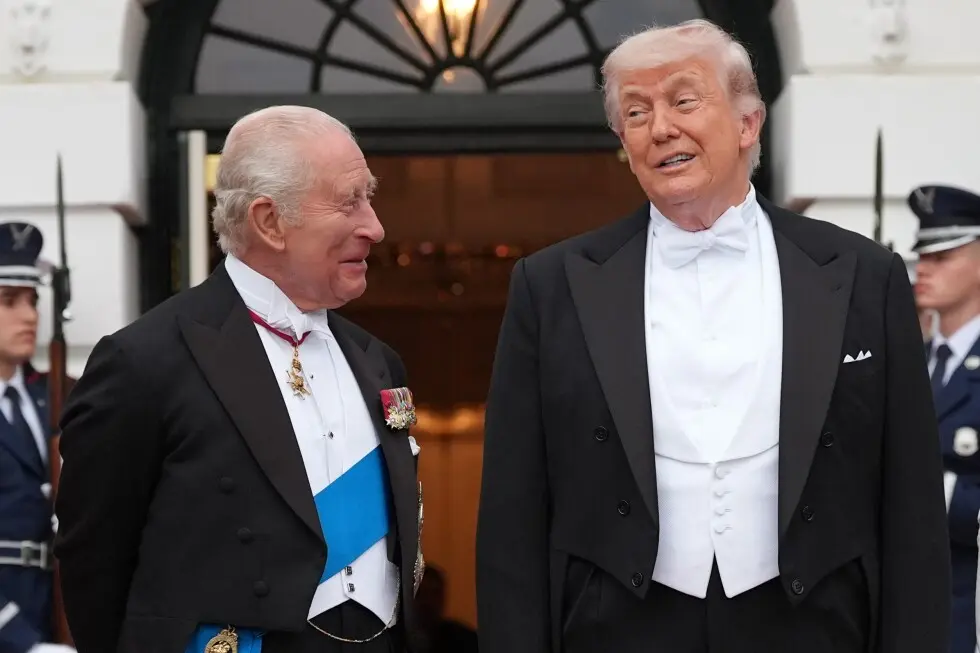
도널드 트럼프 대통령이 2026년 4월 28일 화요일 워싱턴의 백악관 남쪽 현관에서 국빈만찬을 위해 영국의 찰스 3세 국왕을 맞이합니다. (AP Photo/Alex Brandon)
도널드 트럼프 대통령이 2026년 4월 6일 월요일 워싱턴의 백악관 제임스 브래디 보도실에서 기자회견을 하는 동안 국방부 장관 피트 헥세스와 합참의장 댄 케인 장군의 말을 듣고 있습니다. (AP Photo/Mark Schiefelbein, File)
도널드 트럼프 대통령이 2026년 4월 28일 화요일 워싱턴의 백악관 남쪽 현관에서 국빈만찬을 위해 영국의 찰스 3세 국왕을 맞이합니다. (AP Photo/Alex Brandon)
도널드 트럼프 대통령이 2026년 4월 28일 화요일 워싱턴의 백악관 남쪽 현관에서 국빈만찬을 위해 영국의 찰스 3세 국왕을 맞이합니다. (AP Photo/Alex Brandon)
도널드 트럼프 대통령이 2026년 4월 6일 월요일 워싱턴의 백악관 제임스 브래디 보도실에서 기자회견을 하는 동안 국방부 장관 피트 헥세스와 합참의장 댄 케인 장군의 말을 듣고 있습니다. (AP Photo/Mark Schiefelbein, File)
도널드 트럼프 대통령이 2026년 4월 6일 월요일 워싱턴의 백악관 제임스 브래디 보도실에서 기자회견을 하는 동안 국방부 장관 피트 헥세스와 합참의장 댄 케인 장군의 말을 듣고 있습니다. (AP Photo/Mark Schiefelbein, File)
워싱턴 (AP) — 덴버의 은퇴자 돈 코헨은 아이패드에서 읽기와 방송 프로그램 시청 사이를 오가며 매일 약 2시간 반을 뉴스를 소비하는 데 보냅니다. 하지만 72세인 그는 도널드 트럼프 대통령에 대한 뉴스를 피할 수 있기를 바라지만, 그것이 불가능하다는 것을 받아들였습니다.
"그것은 미디어를 피하는 것과 같을 것입니다."라고 2016년 대선 출마 이후 트럼프에 반대해온 무소속 유권자인 코헨이 말했습니다.
코헨이 포기했지만, 다른 사람들은 그렇지 않았습니다. 새로운 미디어 인사이트 프로젝트 여론조사에 따르면 미국 성인 약 60%가 트럼프 대통령에 관한 뉴스 기사를 "자주" 또는 "때때로" 적극적으로 피하려고 한다고 말합니다.
대부분은 뉴스에서 희망을 찾지 못하고 있으며, 특히 트럼프를 싫어할 가능성이 더 높은 사람들입니다. 공화당원들은 자신들이 소비하는 뉴스가 세계에 대한 희망적인 관점을 제공한다고 말할 가능성이 더 높은 반면, 민주당원들 중 소수만이 이렇게 느낀다고 말합니다.
새로운 여론조사의 결과는 증가된 양극화와 소셜 미디어가 사람들의 뉴스 소비 방식을 바꾸고 있는 시점에서 미국 유권자의 분열을 반영합니다.
프로젝트의 파트너였던 AP-NORC 여론조사 센터의 주임 연구원 데이비드 스테렛은 민주당원들이 트럼프 뉴스를 피하려고 한다고 말할 때 소원하는 생각을 할 수 있다고 말했습니다.
"그들은 트럼프 뉴스를 피하고 싶지만, 국내 정치 뉴스 대부분이 어떤 식으로든 대통령과 연결되어 있기 때문에 아마도 그렇지 않을 것입니다."라고 그가 말했습니다.
여론조사에 따르면 민주당원들은 공화당원들에 비해 특히 국내 뉴스 매체에 대해 미디어에 더 많은 신뢰를 가지는 경향이 있으며, 국내 정치 뉴스를 정기적으로 따를 가능성도 더 높습니다.
하지만 공화당원들은 자신들이 소비하는 뉴스가 세계에 대한 희망적인 관점을 제공한다고 말할 가능성이 더 높은 반면, 민주당원들은 뉴스를 읽거나 보기에는 너무 스트레스가 많다고 말할 가능성이 더 높습니다.
민주당원과 무소속 유권자의 약 3분의 2가 트럼프 대통령에 관한 뉴스 기사를 "자주" 또는 "때때로" 적극적으로 피하려고 한다고 말합니다. 그 중 한 명은 로스앤젤레스의 민주당원 페르난도 오세게다로, 그는 최근 바로 그 이유로 정치 뉴스 소비를 줄였다고 말했습니다.
"나는 그의 결정에 동의하지 않습니다."라고 50세의 병리 전문의가 대통령에 대해 말했습니다. "나는 그가 적합하다고 생각하지 않으므로 그가 말해야 할 것에 관심을 기울이고 싶지 않습니다."
은퇴자인 코헨은 대통령이 많은 미국인을 투쟁 또는 도피 상태에 놓는 불안정성의 감각을 만들었다고 생각합니다. 그는 그것이 사람들이 계속해서 더 많은 것을 찾도록 하는 부분이라고 생각합니다.
"사람들은 알고 싶지 않지만, 그에 달린 박박 위협감 때문에 어떤 식으로든 알고 싶어 합니다."라고 그가 말했습니다. "당신은 그것이 열차 사고라는 것을 알고 있고, 당신은 단지 눈을 떼지 못합니다."
민주당원뿐만 아닙니다. 여론조사에서 약 절반의 공화당원이 트럼프 대통령에 관한 뉴스 기사를 "자주" 또는 "때때로" 적극적으로 피하려고 한다고 말했습니다. 온건 공화당원으로 자신을 인식하는 니콜 프랫이 그 중 한 명입니다.
캘리포니아 토런스에 사는 62세인 그녀는 트럼프 행정부가 하고 있는 일 중 일부를 지지하며 뉴스를 알고 싶지만, 그녀가 대통령의 자기애증적 성격으로 보는 것에 대한 더 많은 이야기를 읽을 필요는 없습니다.
"그의 다른 사람들과의 싸움, 그의 주장 — 더 이상 신경 쓰지 않습니다."라고 그녀가 말했습니다. "마치, 나는 할 일이 더 많습니다."
스테렛은 일부 공화당원들이 트럼프에 대한 뉴스를 피한다고 말하는 이유는 트럼프 뉴스에 지쳤기 때문이 아니라 전통적인 뉴스 매체를 신뢰하지 않기 때문일 수 있다고 말했습니다.
"그의 많은 추종자들은 소셜 미디어를 통해 그로부터 직접 뉴스를 얻으며, 그의 게시물과 발표를 얻습니다."라고 그가 말했습니다.
공화당원과 민주당원 중 약 40%가 소셜 미디어에서 최소한 "매일" 뉴스를 얻는다고 말하지만, 그들은 또한 그곳에서 공유되는 것의 함정을 인식하고 있습니다.
대부분의 민주당원과 공화당원은 소셜 미디어 사용자들이 사건 및 중요한 문제에 대한 잘못된 정보의 확산에 "많은" 또는 "상당한" 책임이 있다고 지적합니다.
그들은 다른 곳에서 책임을 두는 것에 더 나뉘어져 있습니다.
약 3분의 2의 민주당원이 정치인들이 잘못된 정보 확산에 높은 수준의 책임이 있다고 말하는 반면, 공화당원의 65%가 그렇게 말합니다. 민주당원의 또 다른 64%가 Facebook 또는 Meta, X, YouTube와 같은 소셜 미디어 회사에 대해 그렇게 말하며, 공화당원의 53%가 그렇게 말합니다.
대부분의 민주당원, 58%는 또한 AI 챗봇을 만들고 개발하는 인공지능 회사에서 잘못된 정보에 대해 최소한 "상당한" 책임을 봅니다. 더 작은 공화당원 비율인 47%는 AI 회사를 책임이 있다고 봅니다.
한편, 대부분의 공화당원은 국내 뉴스 미디어가 사건 및 중요한 문제에 대한 잘못된 정보의 확산에 대해 "많은" 또는 "상당한" 책임이 있다고 지적합니다. 약 절반의 민주당원이 동일하게 말합니다.
미국인들이 두 주요 정당 중 하나와 일치할 때 종종 미디어 신뢰에 대한 특정 견해에서 다를 수 있지만, 무소속 유권자들은 덜 참여하고 있습니다.
약 80%의 민주당원과 공화당원이 다양한 뉴스 및 정보 주제를 정기적으로 따르는 반면, 대략 70%의 무소속 유권자가 그렇게 합니다.
트럼프 관련 뉴스 외에도, 당파 유권자들은 유명인 뉴스, 일반적인 뉴스 또는 소셜 미디어나 휴대폰과 같은 다양한 장치의 뉴스를 피하는 것에 대해 비슷하게 보고할 가능성이 있습니다. 양쪽 대부분이 친구나 가족과 이야기할 때 최소한 때때로 뉴스를 피하려고 합니다.
스테렛은 정치 정당이 그들의 뉴스 선호도에서 다를지라도, 여론조사는 겹치는 일부 영역을 보여준다고 말했습니다. 예를 들어, 양쪽 정당의 미국인들은 스포츠 뉴스, 날씨 뉴스 또는 범죄 뉴스를 따를 가능성이 유사합니다.
"특히 지역 문제와 사람들의 일상 생활에 영향을 미치는 것들에 관해서는, 공화당원과 민주당원이 유사한 출처를 따르고 유사한 주제를 따르고 있는 것으로 보입니다."라고 스테렛이 말했습니다.
스웬슨은 뉴욕에서 보도했고, 킨나드는 사우스캐롤라이나주 컬럼비아에서 보도했습니다. ___
미디어 인사이트 프로젝트 여론조사는 미국 언론 협회, 노스웨스턴 대학 메디리 저널리즘 스쿨, 미디어 통합 마케팅 커뮤니케이션, 메릴랜드 대학교 필립 메릴 저널리즘 대학의 로컬 뉴스 네트워크, AP-NORC 여론조사 센터의 이니셔티브입니다. 2,101명의 미국인을 대상으로 한 여론조사에는 18세 이상의 1,092명의 미국 성인과 13세에서 17세 사이의 1,009명의 청소년이 포함되었지만, 당파성은 미국 성인에게만 요청되었습니다. 성인 여론조사는 2월 5일-8일에 실시되었고 청소년 여론조사는 2월 2일-16일에 NORC의 확률 기반 AmeriSpeak 패널에서 추출한 샘플을 사용하여 실시되었으며, 이는 미국 인구를 대표하도록 설계되었습니다. 전체 성인의 표본 오차 한계는 플러스 또는 마이너스 4.1 퍼센트 포인트이고 전체 청소년의 표본 오차 한계는 플러스 또는 마이너스 4.3 퍼센트 포인트입니다.
도널드 트럼프 대통령이 2026년 4월 6일 월요일 워싱턴의 백악관 제임스 브래디 보도실에서 기자회견을 하는 동안 국방부 장관 피트 헥세스와 합참의장 댄 케인 장군의 말을 듣고 있습니다. (AP Photo/Mark Schiefelbein, File)
도널드 트럼프 대통령이 2026년 4월 28일 화요일 워싱턴의 백악관 남쪽 현관에서 국빈만찬을 위해 영국의 찰스 3세 국왕을 맞이합니다. (AP Photo/Alex Brandon)
도널드 트럼프 대통령이 2026년 4월 28일 화요일 워싱턴의 백악관 남쪽 현관에서 국빈만찬을 위해 영국의 찰스 3세 국왕을 맞이합니다. (AP Photo/Alex Brandon)
도널드 트럼프 대통령이 2026년 4월 6일 월요일 워싱턴의 백악관 제임스 브래디 보도실에서 기자회견을 하는 동안 국방부 장관 피트 헥세스와 합참의장 댄 케인 장군의 말을 듣고 있습니다. (AP Photo/Mark Schiefelbein, File)
도널드 트럼프 대통령이 2026년 4월 6일 월요일 워싱턴의 백악관 제임스 브래디 보도실에서 기자회견을 하는 동안 국방부 장관 피트 헥세스와 합참의장 댄 케인 장군의 말을 듣고 있습니다. (AP Photo/Mark Schiefelbein, File)
워싱턴 (AP) — 덴버의 은퇴자 돈 코헨은 아이패드에서 읽기와 방송 프로그램 시청 사이를 오가며 매일 약 2시간 반을 뉴스를 소비하는 데 보냅니다. 하지만 72세인 그는 도널드 트럼프 대통령에 대한 뉴스를 피할 수 있기를 바라지만, 그것이 불가능하다는 것을 받아들였습니다.
"그것은 미디어를 피하는 것과 같을 것입니다."라고 2016년 대선 출마 이후 트럼프에 반대해온 무소속 유권자인 코헨이 말했습니다.
코헨이 포기했지만, 다른 사람들은 그렇지 않았습니다. 새로운 미디어 인사이트 프로젝트 여론조사에 따르면 미국 성인 약 60%가 트럼프 대통령에 관한 뉴스 기사를 "자주" 또는 "때때로" 적극적으로 피하려고 한다고 말합니다.
대부분은 뉴스에서 희망을 찾지 못하고 있으며, 특히 트럼프를 싫어할 가능성이 더 높은 사람들입니다. 공화당원들은 자신들이 소비하는 뉴스가 세계에 대한 희망적인 관점을 제공한다고 말할 가능성이 더 높은 반면, 민주당원들 중 소수만이 이렇게 느낀다고 말합니다.
새로운 여론조사의 결과는 증가된 양극화와 소셜 미디어가 사람들의 뉴스 소비 방식을 바꾸고 있는 시점에서 미국 유권자의 분열을 반영합니다.
프로젝트의 파트너였던 AP-NORC 여론조사 센터의 주임 연구원 데이비드 스테렛은 민주당원들이 트럼프 뉴스를 피하려고 한다고 말할 때 소원하는 생각을 할 수 있다고 말했습니다.
"그들은 트럼프 뉴스를 피하고 싶지만, 국내 정치 뉴스 대부분이 어떤 식으로든 대통령과 연결되어 있기 때문에 아마도 그렇지 않을 것입니다."라고 그가 말했습니다.
여론조사에 따르면 민주당원들은 공화당원들에 비해 특히 국내 뉴스 매체에 대해 미디어에 더 많은 신뢰를 가지는 경향이 있으며, 국내 정치 뉴스를 정기적으로 따를 가능성도 더 높습니다.
하지만 공화당원들은 자신들이 소비하는 뉴스가 세계에 대한 희망적인 관점을 제공한다고 말할 가능성이 더 높은 반면, 민주당원들은 뉴스를 읽거나 보기에는 너무 스트레스가 많다고 말할 가능성이 더 높습니다.
민주당원과 무소속 유권자의 약 3분의 2가 트럼프 대통령에 관한 뉴스 기사를 "자주" 또는 "때때로" 적극적으로 피하려고 한다고 말합니다. 그 중 한 명은 로스앤젤레스의 민주당원 페르난도 오세게다로, 그는 최근 바로 그 이유로 정치 뉴스 소비를 줄였다고 말했습니다.
"나는 그의 결정에 동의하지 않습니다."라고 50세의 병리 전문의가 대통령에 대해 말했습니다. "나는 그가 적합하다고 생각하지 않으므로 그가 말해야 할 것에 관심을 기울이고 싶지 않습니다."
은퇴자인 코헨은 대통령이 많은 미국인을 투쟁 또는 도피 상태에 놓는 불안정성의 감각을 만들었다고 생각합니다. 그는 그것이 사람들이 계속해서 더 많은 것을 찾도록 하는 부분이라고 생각합니다.
"사람들은 알고 싶지 않지만, 그에 달린 박박 위협감 때문에 어떤 식으로든 알고 싶어 합니다."라고 그가 말했습니다. "당신은 그것이 열차 사고라는 것을 알고 있고, 당신은 단지 눈을 떼지 못합니다."
민주당원뿐만 아닙니다. 여론조사에서 약 절반의 공화당원이 트럼프 대통령에 관한 뉴스 기사를 "자주" 또는 "때때로" 적극적으로 피하려고 한다고 말했습니다. 온건 공화당원으로 자신을 인식하는 니콜 프랫이 그 중 한 명입니다.
캘리포니아 토런스에 사는 62세인 그녀는 트럼프 행정부가 하고 있는 일 중 일부를 지지하며 뉴스를 알고 싶지만, 그녀가 대통령의 자기애증적 성격으로 보는 것에 대한 더 많은 이야기를 읽을 필요는 없습니다.
"그의 다른 사람들과의 싸움, 그의 주장 — 더 이상 신경 쓰지 않습니다."라고 그녀가 말했습니다. "마치, 나는 할 일이 더 많습니다."
스테렛은 일부 공화당원들이 트럼프에 대한 뉴스를 피한다고 말하는 이유는 트럼프 뉴스에 지쳤기 때문이 아니라 전통적인 뉴스 매체를 신뢰하지 않기 때문일 수 있다고 말했습니다.
"그의 많은 추종자들은 소셜 미디어를 통해 그로부터 직접 뉴스를 얻으며, 그의 게시물과 발표를 얻습니다."라고 그가 말했습니다.
공화당원과 민주당원 중 약 40%가 소셜 미디어에서 최소한 "매일" 뉴스를 얻는다고 말하지만, 그들은 또한 그곳에서 공유되는 것의 함정을 인식하고 있습니다.
대부분의 민주당원과 공화당원은 소셜 미디어 사용자들이 사건 및 중요한 문제에 대한 잘못된 정보의 확산에 "많은" 또는 "상당한" 책임이 있다고 지적합니다.
그들은 다른 곳에서 책임을 두는 것에 더 나뉘어져 있습니다.
약 3분의 2의 민주당원이 정치인들이 잘못된 정보 확산에 높은 수준의 책임이 있다고 말하는 반면, 공화당원의 65%가 그렇게 말합니다. 민주당원의 또 다른 64%가 Facebook 또는 Meta, X, YouTube와 같은 소셜 미디어 회사에 대해 그렇게 말하며, 공화당원의 53%가 그렇게 말합니다.
대부분의 민주당원, 58%는 또한 AI 챗봇을 만들고 개발하는 인공지능 회사에서 잘못된 정보에 대해 최소한 "상당한" 책임을 봅니다. 더 작은 공화당원 비율인 47%는 AI 회사를 책임이 있다고 봅니다.
한편, 대부분의 공화당원은 국내 뉴스 미디어가 사건 및 중요한 문제에 대한 잘못된 정보의 확산에 대해 "많은" 또는 "상당한" 책임이 있다고 지적합니다. 약 절반의 민주당원이 동일하게 말합니다.
미국인들이 두 주요 정당 중 하나와 일치할 때 종종 미디어 신뢰에 대한 특정 견해에서 다를 수 있지만, 무소속 유권자들은 덜 참여하고 있습니다.
약 80%의 민주당원과 공화당원이 다양한 뉴스 및 정보 주제를 정기적으로 따르는 반면, 대략 70%의 무소속 유권자가 그렇게 합니다.
트럼프 관련 뉴스 외에도, 당파 유권자들은 유명인 뉴스, 일반적인 뉴스 또는 소셜 미디어나 휴대폰과 같은 다양한 장치의 뉴스를 피하는 것에 대해 비슷하게 보고할 가능성이 있습니다. 양쪽 대부분이 친구나 가족과 이야기할 때 최소한 때때로 뉴스를 피하려고 합니다.
스테렛은 정치 정당이 그들의 뉴스 선호도에서 다를지라도, 여론조사는 겹치는 일부 영역을 보여준다고 말했습니다. 예를 들어, 양쪽 정당의 미국인들은 스포츠 뉴스, 날씨 뉴스 또는 범죄 뉴스를 따를 가능성이 유사합니다.
"특히 지역 문제와 사람들의 일상 생활에 영향을 미치는 것들에 관해서는, 공화당원과 민주당원이 유사한 출처를 따르고 유사한 주제를 따르고 있는 것으로 보입니다."라고 스테렛이 말했습니다.
스웬슨은 뉴욕에서 보도했고, 킨나드는 사우스캐롤라이나주 컬럼비아에서 보도했습니다. ___
미디어 인사이트 프로젝트 여론조사는 미국 언론 협회, 노스웨스턴 대학 메디리 저널리즘 스쿨, 미디어 통합 마케팅 커뮤니케이션, 메릴랜드 대학교 필립 메릴 저널리즘 대학의 로컬 뉴스 네트워크, AP-NORC 여론조사 센터의 이니셔티브입니다. 2,101명의 미국인을 대상으로 한 여론조사에는 18세 이상의 1,092명의 미국 성인과 13세에서 17세 사이의 1,009명의 청소년이 포함되었지만, 당파성은 미국 성인에게만 요청되었습니다. 성인 여론조사는 2월 5일-8일에 실시되었고 청소년 여론조사는 2월 2일-16일에 NORC의 확률 기반 AmeriSpeak 패널에서 추출한 샘플을 사용하여 실시되었으며, 이는 미국 인구를 대표하도록 설계되었습니다. 전체 성인의 표본 오차 한계는 플러스 또는 마이너스 4.1 퍼센트 포인트이고 전체 청소년의 표본 오차 한계는 플러스 또는 마이너스 4.3 퍼센트 포인트입니다.
처리 완료
7,051 tokens · $0.0208
기사 수집 완료 · 22:35
매체 피드에서 기사 메타데이터 수집
헤드라인 번역 완료 · 22:45
제목/요약 한국어 번역 (fetch 시점 inline)
claude-haiku-4-5-20251001
133 tokens
$0.00032
3.6s
본문 추출 완료
8,200자 추출 완료
본문 한국어 번역 완료 · 22:45
4,329자 번역 완료
claude-haiku-4-5-20251001
6,918 tokens
$0.02048
38.1s
지정학적 엔티티 추출 완료 · 22:45
8개 엔티티 추출 완료
지정학적 맥락 & R-Scanner
R-Scanner · 평상
z=-6.85
일상적인 보도 수준 — 기준: United States
(🇺🇸 US)
최근 6시간 0건
7일 평균 47.89건 / 6h
0개국 매체
0개 매체
본문에서 추출된 지명 (8)
United States
🇺🇸
Washington
🇺🇸
Denver
🇺🇸
Los Angeles
🇺🇸
Torrance
🇺🇸
New York
🇺🇸
Columbia
🇺🇸
United Kingdom
🇬🇧
위치 지도
지도 로딩 중…
같은 주제의 다른 기사 (최근 7일)
President Donald Trump greets Britain’s King Charles III at the South Portico of the White House for a State Dinner Tuesday, April 28, 2026, in Washington. (AP Photo/Alex Brandon)
President Donald Trump speaks with reporters during a news conference in the James Brady Press Briefing Room at the White House, Monday, April 6, 2026, in Washington, as Defense Secretary Pete Hegseth and Chairman of the Joint Chiefs of Staff Gen. Dan Caine listen. (AP Photo/Mark Schiefelbein, File)
President Donald Trump greets Britain’s King Charles III at the South Portico of the White House for a State Dinner Tuesday, April 28, 2026, in Washington. (AP Photo/Alex Brandon)
President Donald Trump greets Britain’s King Charles III at the South Portico of the White House for a State Dinner Tuesday, April 28, 2026, in Washington. (AP Photo/Alex Brandon)
President Donald Trump speaks with reporters during a news conference in the James Brady Press Briefing Room at the White House, Monday, April 6, 2026, in Washington, as Defense Secretary Pete Hegseth and Chairman of the Joint Chiefs of Staff Gen. Dan Caine listen. (AP Photo/Mark Schiefelbein, File)
President Donald Trump speaks with reporters during a news conference in the James Brady Press Briefing Room at the White House, Monday, April 6, 2026, in Washington, as Defense Secretary Pete Hegseth and Chairman of the Joint Chiefs of Staff Gen. Dan Caine listen. (AP Photo/Mark Schiefelbein, File)
WASHINGTON (AP) — Denver retiree Don Cohen spends about two-and-a-half hours each day consuming the news, between reading on his iPad and watching broadcast programs. But while the 72-year-old says he wishes he could avoid stories about President Donald Trump, he’s accepted that’s impossible.
“It would be to avoid media,” said Cohen, an independent voter who has opposed Trump since he announced his 2016 presidential campaign.
Although Cohen has given up, others have not. A new Media Insight Project survey finds that about 6 in 10 U.S adults say they actively try to avoid news stories about Trump “often” or “sometimes.”
Most aren’t finding hope in the news — particularly the people who are more apt to dislike Trump. Republicans are more likely to say the news they consume gives them a hopeful view of the world, while few Democrats say this is how they feel.
The findings from the new survey reflect divisions in an American electorate at a time when increased polarization and social media are changing the way people consume news.
David Sterrett, a principal research scientist at the AP-NORC Center for Public Affairs Research, which was a partner on the project, said Democrats may be exercising wishful thinking when they say they try to avoid news about Trump.
“They would like to avoid Trump news, but they’re probably not because most national politics news is somewhat connected to the president,” he said.
Democrats tend to have more faith in media, particularly national news outlets, compared to Republicans, and they’re also more likely to regularly follow national political news, the survey found.
But Republicans are more likely to say the news they consume gives them a hopeful view of the world, while Democrats are more likely to say the news is too stressful to read or watch.
About two-thirds of Democrats and independents say that they “often” or “sometimes” actively try to avoid news stories about Trump. Among them is Fernando Ocegueda, a Democrat in Los Angeles who said he recently cut back on consuming political news for precisely that reason.
“I don’t agree with his decisions,” the 50-year-old phlebotomist said of the president. “I don’t think he’s fit, so I don’t even want to bother in paying attention to what he has to say.”
Cohen, the retiree, said he thinks the president has created a sense of instability that puts many Americans in fight-or-flight mode. He thinks that’s part of what keeps people coming back for more.
“People don’t want to know, but they sort of want to know, because of the imminent sense of threat that is attached to him,” he said. “You know it’s a train wreck, and you just can’t take your eyes off of it.”
It’s not just Democrats. About half of Republicans in the survey said they “often” or “sometimes” actively try to avoid news stories about Trump. Nicole Pratt, who identifies as a moderate Republican, is one of them.
The 62-year-old in Torrance, California said she supports some things the Trump administration is doing and wants to know the news, but she doesn’t need to read any more stories about what she views as the president’s narcissism.
“His fights with other people, his arguments — I don’t bother with that anymore,” she said. “It’s like, I have other things to do.”
Sterrett said some Republicans might say they avoid news about Trump not because they’re tired of Trump updates but because they distrust traditional news sources.
“A lot of his followers do get news directly from him via social media, and his posts and announcements,” he said.
About 4 in 10 Republicans and Democrats say they get news from social media at least “daily,” but they also recognize the pitfalls of what’s shared there.
Most Democrats and Republicans point to social media users as having “a great deal” or “quite a bit” of responsibility for the spread of misinformation about events and important issues.
They’re more divided on where to place the blame otherwise.
About three-quarters of Democrats say politicians have a high amount of responsibility for misinformation spreading, compared to 65% of Republicans. Another 64% of Democrats say that about social media companies such as Facebook or Meta, X, and YouTube, compared to 53% of Republicans.
Most Democrats, 58%, also see at least “quite a bit” of responsibility for misinformation coming from artificial intelligence companies that create and develop AI chatbots. A smaller share of Republicans, 47%, see AI companies as responsible.
Most Republicans, meanwhile, point to national news media as having “a great deal” or “quite a bit” of responsibility for the spread of misinformation about events and important issues. About half of Democrats say the same.
While Americans aligned with one of the two major parties often differ on their specific views of trust in media, it’s independents who are less engaged.
About 8 in 10 Democrats and Republicans regularly follow various news and information topics, compared to roughly 7 in 10 independents.
Other than Trump-related news, partisans are similarly likely to report avoiding news about celebrities, news in general, or news on their various devices — such as on social media or on their phone. Most on both sides of the aisle try to avoid the news when talking with friends or family at least sometimes.
Sterrett said even as the political parties differ in their news preferences, the survey shows some areas of overlap. For example, Americans in both parties are similarly likely to say they follow sports news, weather news or crime news.
“Especially when it comes to local issues and the stuff that affects people’s daily lives, it does seem like Republicans and Democrats are following similar sources and following similar topics,” Sterrett said.
Swenson reported from New York, and Kinnard reported from Columbia, South Carolina. ___
The Media Insight Project survey is an initiative of the American Press Institute, Northwestern University Medill School of Journalism, Media, Integrated Marketing Communications, Local News Network at the University of Maryland’s Philip Merrill College of Journalism, and The Associated Press-NORC Center for Public Affairs Research. The poll of 2,101 Americans included 1,092 U.S. adults ages 18 and older and 1,009 teenagers ages 13 to 17 but partisanship was only asked of U.S. adults. The poll of adults was conducted Feb. 5-8 and the poll of teens was conducted Feb. 2-16 using a sample drawn from NORC’s probability-based AmeriSpeak Panel, which is designed to be representative of the U.S. population. The margin of sampling error for adults overall is plus or minus 4.1 percentage points and the margin of sampling error for teenagers overall is plus or minus 4.3 percentage points.
President Donald Trump speaks with reporters during a news conference in the James Brady Press Briefing Room at the White House, Monday, April 6, 2026, in Washington, as Defense Secretary Pete Hegseth and Chairman of the Joint Chiefs of Staff Gen. Dan Caine listen. (AP Photo/Mark Schiefelbein, File)
President Donald Trump greets Britain’s King Charles III at the South Portico of the White House for a State Dinner Tuesday, April 28, 2026, in Washington. (AP Photo/Alex Brandon)
President Donald Trump greets Britain’s King Charles III at the South Portico of the White House for a State Dinner Tuesday, April 28, 2026, in Washington. (AP Photo/Alex Brandon)
President Donald Trump speaks with reporters during a news conference in the James Brady Press Briefing Room at the White House, Monday, April 6, 2026, in Washington, as Defense Secretary Pete Hegseth and Chairman of the Joint Chiefs of Staff Gen. Dan Caine listen. (AP Photo/Mark Schiefelbein, File)
President Donald Trump speaks with reporters during a news conference in the James Brady Press Briefing Room at the White House, Monday, April 6, 2026, in Washington, as Defense Secretary Pete Hegseth and Chairman of the Joint Chiefs of Staff Gen. Dan Caine listen. (AP Photo/Mark Schiefelbein, File)
WASHINGTON (AP) — Denver retiree Don Cohen spends about two-and-a-half hours each day consuming the news, between reading on his iPad and watching broadcast programs. But while the 72-year-old says he wishes he could avoid stories about President Donald Trump, he’s accepted that’s impossible.
“It would be to avoid media,” said Cohen, an independent voter who has opposed Trump since he announced his 2016 presidential campaign.
Although Cohen has given up, others have not. A new Media Insight Project survey finds that about 6 in 10 U.S adults say they actively try to avoid news stories about Trump “often” or “sometimes.”
Most aren’t finding hope in the news — particularly the people who are more apt to dislike Trump. Republicans are more likely to say the news they consume gives them a hopeful view of the world, while few Democrats say this is how they feel.
The findings from the new survey reflect divisions in an American electorate at a time when increased polarization and social media are changing the way people consume news.
David Sterrett, a principal research scientist at the AP-NORC Center for Public Affairs Research, which was a partner on the project, said Democrats may be exercising wishful thinking when they say they try to avoid news about Trump.
“They would like to avoid Trump news, but they’re probably not because most national politics news is somewhat connected to the president,” he said.
Democrats tend to have more faith in media, particularly national news outlets, compared to Republicans, and they’re also more likely to regularly follow national political news, the survey found.
But Republicans are more likely to say the news they consume gives them a hopeful view of the world, while Democrats are more likely to say the news is too stressful to read or watch.
About two-thirds of Democrats and independents say that they “often” or “sometimes” actively try to avoid news stories about Trump. Among them is Fernando Ocegueda, a Democrat in Los Angeles who said he recently cut back on consuming political news for precisely that reason.
“I don’t agree with his decisions,” the 50-year-old phlebotomist said of the president. “I don’t think he’s fit, so I don’t even want to bother in paying attention to what he has to say.”
Cohen, the retiree, said he thinks the president has created a sense of instability that puts many Americans in fight-or-flight mode. He thinks that’s part of what keeps people coming back for more.
“People don’t want to know, but they sort of want to know, because of the imminent sense of threat that is attached to him,” he said. “You know it’s a train wreck, and you just can’t take your eyes off of it.”
It’s not just Democrats. About half of Republicans in the survey said they “often” or “sometimes” actively try to avoid news stories about Trump. Nicole Pratt, who identifies as a moderate Republican, is one of them.
The 62-year-old in Torrance, California said she supports some things the Trump administration is doing and wants to know the news, but she doesn’t need to read any more stories about what she views as the president’s narcissism.
“His fights with other people, his arguments — I don’t bother with that anymore,” she said. “It’s like, I have other things to do.”
Sterrett said some Republicans might say they avoid news about Trump not because they’re tired of Trump updates but because they distrust traditional news sources.
“A lot of his followers do get news directly from him via social media, and his posts and announcements,” he said.
About 4 in 10 Republicans and Democrats say they get news from social media at least “daily,” but they also recognize the pitfalls of what’s shared there.
Most Democrats and Republicans point to social media users as having “a great deal” or “quite a bit” of responsibility for the spread of misinformation about events and important issues.
They’re more divided on where to place the blame otherwise.
About three-quarters of Democrats say politicians have a high amount of responsibility for misinformation spreading, compared to 65% of Republicans. Another 64% of Democrats say that about social media companies such as Facebook or Meta, X, and YouTube, compared to 53% of Republicans.
Most Democrats, 58%, also see at least “quite a bit” of responsibility for misinformation coming from artificial intelligence companies that create and develop AI chatbots. A smaller share of Republicans, 47%, see AI companies as responsible.
Most Republicans, meanwhile, point to national news media as having “a great deal” or “quite a bit” of responsibility for the spread of misinformation about events and important issues. About half of Democrats say the same.
While Americans aligned with one of the two major parties often differ on their specific views of trust in media, it’s independents who are less engaged.
About 8 in 10 Democrats and Republicans regularly follow various news and information topics, compared to roughly 7 in 10 independents.
Other than Trump-related news, partisans are similarly likely to report avoiding news about celebrities, news in general, or news on their various devices — such as on social media or on their phone. Most on both sides of the aisle try to avoid the news when talking with friends or family at least sometimes.
Sterrett said even as the political parties differ in their news preferences, the survey shows some areas of overlap. For example, Americans in both parties are similarly likely to say they follow sports news, weather news or crime news.
“Especially when it comes to local issues and the stuff that affects people’s daily lives, it does seem like Republicans and Democrats are following similar sources and following similar topics,” Sterrett said.
Swenson reported from New York, and Kinnard reported from Columbia, South Carolina. ___
The Media Insight Project survey is an initiative of the American Press Institute, Northwestern University Medill School of Journalism, Media, Integrated Marketing Communications, Local News Network at the University of Maryland’s Philip Merrill College of Journalism, and The Associated Press-NORC Center for Public Affairs Research. The poll of 2,101 Americans included 1,092 U.S. adults ages 18 and older and 1,009 teenagers ages 13 to 17 but partisanship was only asked of U.S. adults. The poll of adults was conducted Feb. 5-8 and the poll of teens was conducted Feb. 2-16 using a sample drawn from NORC’s probability-based AmeriSpeak Panel, which is designed to be representative of the U.S. population. The margin of sampling error for adults overall is plus or minus 4.1 percentage points and the margin of sampling error for teenagers overall is plus or minus 4.3 percentage points.