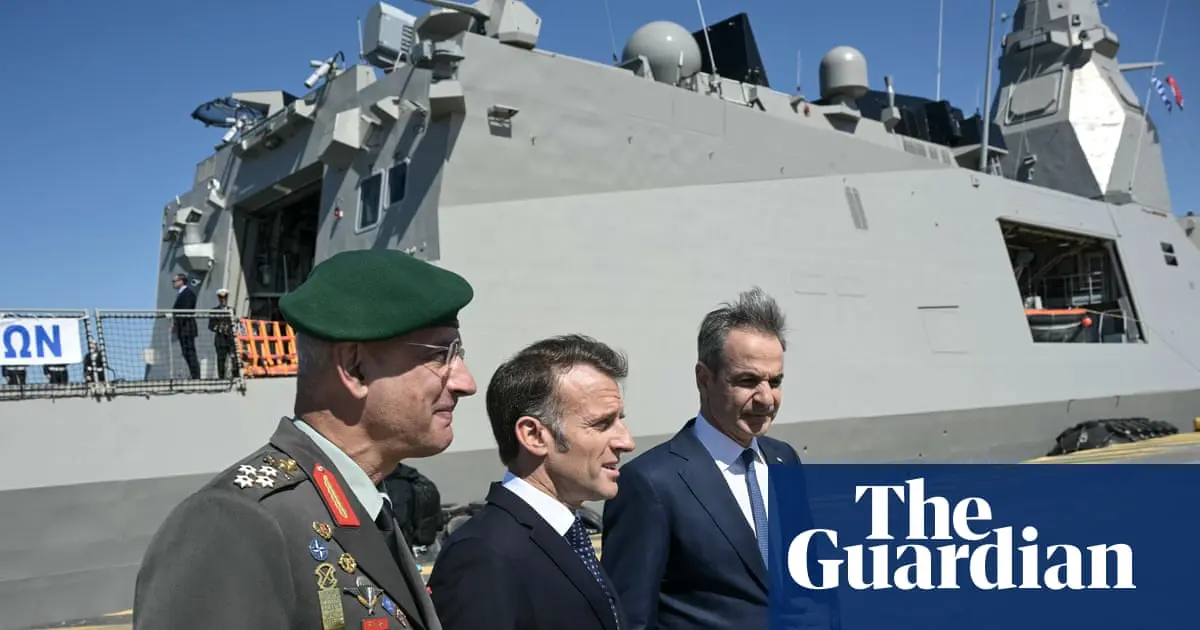
마크롱, EU의 상호방위 조항이 "단순한 말이 아니다"라고 밝혀
Macron says EU’s mutual defence clause ‘not just words’
The Guardian
· 🇬🇧 London, GB
Helena Smith
EN
2026-04-26 04:10
Translated
프랑스 대통령이 키프로스에 대한 공동 군사 지원을 유럽의 자기방위 능력의 증거로 제시, 아테네 방문 중 언급. 에마뉘엘 마크롱은 EU 조약에 명시된 상호부조 조항이 명확하며 "단순한 말이 아니다"라고 말하며 유럽의 자기방위 능력을 강조했다. 프랑스 대통령은 2월 28일 영국 공군기지에 대한 드론 공격 이후 여러 회원국이 키프로스에 군사 지원을 보낸 사례를 통해 이 협약이 이미 실제로 입증되었다고 밝혔다.
에마뉘엘 마크롱은 EU 조약에 명시된 상호부조 조항이 명확하며 "단순한 말이 아니다"라고 말하며 유럽의 자기방위 능력을 강조했다.
프랑스 대통령은 2월 28일 섬의 영국 공군기지에 대한 드론 공격 이후 여러 회원국이 키프로스에 군사 지원을 보낸 사례를 통해 이 협약이 이미 실제로 입증되었다고 밝혔다.
"제42조 7항에 관해 이것은 단순한 말이 아닙니다"라고 프랑스 지도자는 말했다. "우리는 우리에게 명확하며 해석의 여지나 모호함이 없다는 것을 알고 있습니다."
양자 전략방위협정을 갱신하기 위해 그리스에 방문한 마크롱은 이 조항이 NATO의 집단방위 조항인 제5조보다 "더 강하다"고 설명했으며, 유럽이 점점 더 변덕스러워지는 도널드 트럼프 치하의 미국에 의존하기보다는 자체 안보를 강화하는 것이 더 낫다는 자신의 오랜 신념을 다시 강조했다. "나는 이러한 미국식 접근 방식이 계속될 것이라고 진정으로 믿습니다"라고 그는 말했다.
하루 전, EU 지도자들은 키프로스에서 비공식 회의에 참석했으며 모호한 조항이 실제로 어떻게 작동할지에 대한 계획을 정교하게 다듬고 있다고 밝혔다. 금요일에 발언한 유럽이사회 의장 안토니우 코스타는 "우리는 상호부조 조항을 사용하는 방법에 대한 핸드북을 설계하고 있습니다"라고 말했다.
마크롱은 군사동맹과 회원국이 공격을 받으면 서로 원조하는 설립 원칙에 관해 질문받자 NATO 제5조의 효력에 의문을 제기했다.
"현재 제5조에 대한 의심이 있으며, 이는 유럽인들이 제기한 것이 아니라 미국 대통령이 제기한 것입니다"라고 그는 수도의 그림 같은 로마 시대 아고라에서 그리스 총리와의 토론 중에 청중에게 말했다. "이것은 명백히 NATO 동맹의 사실상의 약화입니다... 나는 NATO의 유럽 기둥을 강력히 믿으며 우리는 이 유럽 기둥을 강화해야 한다고 생각합니다."
그의 그리스 상대방 키리아코스 미초타키스는 키프로스에 전투기와 해상 지원을 신속하게 파견하기로 한 결정을 블록의 "게임 체인저"라고 부르며 동의하는 것으로 보였다.
미국-이스라엘의 이란에 대한 전쟁 초기에 연합의 최동쪽 회원국이 지속적인 보복 공격을 받을 수 있다는 우려 속에서 프랑스, 그리스, 스페인, 이탈리아, 네덜란드 및 포르투갈은 섬으로 지원을 보내기 위해 서둘렀다.
"우리가 키프로스에서 한 일은 게임 체인저입니다"라고 미초타키스는 이제 잘 알려지지 않은 방위 협약을 심각하게 받아들여야 할 때가 왔다고 주장했다.
"우리의 조약에는 상호부조 조항이 있으며 이것은 우리의 유럽 책임입니다. 우리는 NATO가 항상 역할을 할 것이라고 생각했기 때문에 이에 대해 말하지 않았습니다... 우리는 이 조항을 훨씬 더 진지하게 받아들여야 합니다; 우리는 키프로스의 교훈을 살펴보고, 다른 경우에 어떤 일이 일어날 수 있을지 생각해야 하며, 우리가 위협 받는 유럽 국가에 다시 지원을 제공할 경우 그것이 의미하는 바에 대한 훈련을 해야 합니다."
그렇게 하는 것은 EU가 NATO에만 의존하지 않는다는 "정치적 성명"과 같을 것이며 "NATO에도 좋을 것"이라고 그는 덧붙였다.
이란에 대한 공격 지원에 실패한 NATO에 격분한 미국 대통령은 대서양횡단 동맹에 대한 비판을 강화했으며, 워싱턴의 제5조 지원이 더 이상 보장될 수 없다는 우려를 더욱 높이고 있다.
임기를 마치기 전 그리스에 대한 세 번째 공식 방문을 하고 있는 마크롱은 두 국가 간의 강력한 동맹이 EU의 나머지 부분을 위한 모델이 되어야 한다고 말했다.
토요일에 두 국가 간에 과학 연구 및 핵 기술 등 여러 분야에서 협력 증대를 예상하는 전례 없는 9개의 협정이 서명되었다. 마크롱은 프랑스가 그리스가 이웃 국가이자 오랜 지역 경쟁 상대인 터키로부터 공격을 받을 경우 그리스 곁에 설 것이라고 약속했다.
2017년 당시 새로 선출된 마크롱은 아테네 아크로폴리스 아래의 고대 픅스의 극적인 배경에서 유럽의 미래와 민주주의의 미덕에 관한 열정적인 정책 연설을 펼쳤었다.
9년 후 어조는 완전히 달랐다. 그러한 지정학적 불확실성의 시대에 유럽은 "깨어나야" 하며 이전에 직면하지 않은 상대들에 직면함에 따라 지정학적 강대국으로서 자신의 지위를 주장해야 한다고 그는 말했다.
"우리는 미국 대통령, 러시아 대통령, 중국 대통령이 모두 유럽에 반대하고 있는 독특한 순간이라는 점을 과소평가해서는 안 됩니다"라고 그는 군중에게 말했다. 이제 수백 년의 내전을 끝내고 번영을 이룬 대륙이 남은 것은 "다음 장을 쓰고 지정학적 강대국이 되는" 것이었다.
프랑스 대통령은 2월 28일 섬의 영국 공군기지에 대한 드론 공격 이후 여러 회원국이 키프로스에 군사 지원을 보낸 사례를 통해 이 협약이 이미 실제로 입증되었다고 밝혔다.
"제42조 7항에 관해 이것은 단순한 말이 아닙니다"라고 프랑스 지도자는 말했다. "우리는 우리에게 명확하며 해석의 여지나 모호함이 없다는 것을 알고 있습니다."
양자 전략방위협정을 갱신하기 위해 그리스에 방문한 마크롱은 이 조항이 NATO의 집단방위 조항인 제5조보다 "더 강하다"고 설명했으며, 유럽이 점점 더 변덕스러워지는 도널드 트럼프 치하의 미국에 의존하기보다는 자체 안보를 강화하는 것이 더 낫다는 자신의 오랜 신념을 다시 강조했다. "나는 이러한 미국식 접근 방식이 계속될 것이라고 진정으로 믿습니다"라고 그는 말했다.
하루 전, EU 지도자들은 키프로스에서 비공식 회의에 참석했으며 모호한 조항이 실제로 어떻게 작동할지에 대한 계획을 정교하게 다듬고 있다고 밝혔다. 금요일에 발언한 유럽이사회 의장 안토니우 코스타는 "우리는 상호부조 조항을 사용하는 방법에 대한 핸드북을 설계하고 있습니다"라고 말했다.
마크롱은 군사동맹과 회원국이 공격을 받으면 서로 원조하는 설립 원칙에 관해 질문받자 NATO 제5조의 효력에 의문을 제기했다.
"현재 제5조에 대한 의심이 있으며, 이는 유럽인들이 제기한 것이 아니라 미국 대통령이 제기한 것입니다"라고 그는 수도의 그림 같은 로마 시대 아고라에서 그리스 총리와의 토론 중에 청중에게 말했다. "이것은 명백히 NATO 동맹의 사실상의 약화입니다... 나는 NATO의 유럽 기둥을 강력히 믿으며 우리는 이 유럽 기둥을 강화해야 한다고 생각합니다."
그의 그리스 상대방 키리아코스 미초타키스는 키프로스에 전투기와 해상 지원을 신속하게 파견하기로 한 결정을 블록의 "게임 체인저"라고 부르며 동의하는 것으로 보였다.
미국-이스라엘의 이란에 대한 전쟁 초기에 연합의 최동쪽 회원국이 지속적인 보복 공격을 받을 수 있다는 우려 속에서 프랑스, 그리스, 스페인, 이탈리아, 네덜란드 및 포르투갈은 섬으로 지원을 보내기 위해 서둘렀다.
"우리가 키프로스에서 한 일은 게임 체인저입니다"라고 미초타키스는 이제 잘 알려지지 않은 방위 협약을 심각하게 받아들여야 할 때가 왔다고 주장했다.
"우리의 조약에는 상호부조 조항이 있으며 이것은 우리의 유럽 책임입니다. 우리는 NATO가 항상 역할을 할 것이라고 생각했기 때문에 이에 대해 말하지 않았습니다... 우리는 이 조항을 훨씬 더 진지하게 받아들여야 합니다; 우리는 키프로스의 교훈을 살펴보고, 다른 경우에 어떤 일이 일어날 수 있을지 생각해야 하며, 우리가 위협 받는 유럽 국가에 다시 지원을 제공할 경우 그것이 의미하는 바에 대한 훈련을 해야 합니다."
그렇게 하는 것은 EU가 NATO에만 의존하지 않는다는 "정치적 성명"과 같을 것이며 "NATO에도 좋을 것"이라고 그는 덧붙였다.
이란에 대한 공격 지원에 실패한 NATO에 격분한 미국 대통령은 대서양횡단 동맹에 대한 비판을 강화했으며, 워싱턴의 제5조 지원이 더 이상 보장될 수 없다는 우려를 더욱 높이고 있다.
임기를 마치기 전 그리스에 대한 세 번째 공식 방문을 하고 있는 마크롱은 두 국가 간의 강력한 동맹이 EU의 나머지 부분을 위한 모델이 되어야 한다고 말했다.
토요일에 두 국가 간에 과학 연구 및 핵 기술 등 여러 분야에서 협력 증대를 예상하는 전례 없는 9개의 협정이 서명되었다. 마크롱은 프랑스가 그리스가 이웃 국가이자 오랜 지역 경쟁 상대인 터키로부터 공격을 받을 경우 그리스 곁에 설 것이라고 약속했다.
2017년 당시 새로 선출된 마크롱은 아테네 아크로폴리스 아래의 고대 픅스의 극적인 배경에서 유럽의 미래와 민주주의의 미덕에 관한 열정적인 정책 연설을 펼쳤었다.
9년 후 어조는 완전히 달랐다. 그러한 지정학적 불확실성의 시대에 유럽은 "깨어나야" 하며 이전에 직면하지 않은 상대들에 직면함에 따라 지정학적 강대국으로서 자신의 지위를 주장해야 한다고 그는 말했다.
"우리는 미국 대통령, 러시아 대통령, 중국 대통령이 모두 유럽에 반대하고 있는 독특한 순간이라는 점을 과소평가해서는 안 됩니다"라고 그는 군중에게 말했다. 이제 수백 년의 내전을 끝내고 번영을 이룬 대륙이 남은 것은 "다음 장을 쓰고 지정학적 강대국이 되는" 것이었다.
처리 완료
4,717 tokens · $0.0135
기사 수집 완료 · 04:25
매체 피드에서 기사 메타데이터 수집
헤드라인 번역 완료 · 04:36
제목/요약 한국어 번역 (fetch 시점 inline)
claude-haiku-4-5-20251001
472 tokens
$0.00134
4.2s
본문 추출 완료
4,438자 추출 완료
본문 한국어 번역 완료 · 04:36
2,203자 번역 완료
claude-haiku-4-5-20251001
4,245 tokens
$0.01221
25.4s
지정학적 엔티티 추출 완료 · 04:36
8개 엔티티 추출 완료
지정학적 맥락 & R-Scanner
R-Scanner · 평상
z=-1.17
일상적인 보도 수준 — 기준: Cyprus
(🇨🇾 CY)
최근 6시간 0건
7일 평균 2.04건 / 6h
0개국 매체
0개 매체
본문에서 추출된 지명 (8)
위치 지도
지도 로딩 중…
같은 주제의 다른 기사 (최근 7일)
French president cites joint military aid to Cyprus as proof of Europe’s ability to defend itself during trip to AthensEmmanuel Macron has spoken up for Europe’s ability to defend itself, saying a mutual assistance clause, enshrined in the EU treaty, was unambiguous and “not just words”.The French president said the pact had already been proved in action when several member states sent military aid to Cyprus after a drone attack against a British airbase on the island on 28 February.
Emmanuel Macron has spoken up for Europe’s ability to defend itself, saying a mutual assistance clause, enshrined in the EU treaty, was unambiguous and “not just words”.The French president said the pact had already been proved in action when several member states sent military aid to Cyprus after a drone attack against a British airbase on the island on 28 February.
“On article 42, paragraph 7, it’s not just words,” the French leader said. “We know that for us, it is clear and there is no room for interpretation or ambiguity.”
Macron, in Greece to renew a bilateral strategic defence agreement, described the clause as “stronger” than article 5, Nato’s collective defence clause, as he reiterated his long-held belief that Europe was better off boosting its own security than relying on an increasingly erratic US under Donald Trump. “I really believe this US approach will last,” he said.
A day earlier, EU leaders, attending an informal council in Cyprus, said plans were being finessed on how the obscure clause would work in practice. Speaking on Friday, the European Council president, António Costa, said: “We are designing the handbook [on] how to use this mutual assistance clause.”
Macron questioned the efficacy of the Nato article when asked about the military alliance and its founding principle under which members come to one another’s aid if they are attacked.
“There is now a doubt on article 5, not put on the table by the Europeans but by the US president,” he told the audience during a discussion held with the Greek prime minister in the capital’s picturesque Roman-era agora. “It is clearly a de facto weakening of the Nato alliance … I am a strong believer in the European pillar of Nato and my view is that we should strengthen this European pillar.”
His Greek counterpart, Kyriakos Mitsotakis, appeared to agree, calling the decision to rush fighter jets and naval support to Cyprus “a gamechanger” for the bloc.
Amid fears of the union’s easternmost member coming under sustained retaliatory attack in the first days of the US-Israeli war against Iran, France, Greece, Spain, Italy, the Netherlands and Portugal scrambled to send assistance to the island.
“What we did in Cyprus was a gamechanger,” said Mitsotakis, insisting that the time had come for the little-known defence pact to be taken seriously.
“We have a mutual assistance clause in our treaties and this is our European responsibility. We never spoke about it because we thought that Nato would always do the job … we need to take this article much more seriously; we need to look at the Cypriot lesson, think about what could happen in another case, have exercises in terms of what it would mean if we were again to offer support to a European country under threat.”
Doing so would be tantamount to a “political statement” that the EU did not only rely on Nato, and would be “also good for Nato”, he added.
Infuriated by Nato’s failure to support the strikes against Iran, the US president has stepped up criticism of the transatlantic alliance, further raising concerns that support for article 5 from Washington can no longer be guaranteed.
Macron, who is making his third official visit to Greece before he leaves office next year, said the strong alliance between the two nations should serve as a model for the rest of the EU.
On Saturday an unprecedented nine accords were signed between the countries, foreseeing increased cooperation in areas including scientific research and nuclear technology. Macron vowed that France would stand by Greece if it ever came under attack from its neighbour and long-time regional rival, Turkey.
In 2017, Macron, then newly elected, had used the dramatic setting of the ancient Pnyx beneath the Athens Acropolis to give a rousing policy speech on the future of Europe and the virtues of democracy.
The tone, nine years later, could not have been more different. At a time of such geopolitical uncertainty, Europe, he said, had to “wake up” and claim its place as a geopolitical power as it faced opponents it had not faced before.
“We should not underestimate that this is a unique moment where a US president, a Russian president and a Chinese president are dead against the Europeans,” he told the crowd. It now remained for a continent that had managed to end centuries of civil war – and deliver on prosperity – to “write the next chapter and become a geopolitical power”.