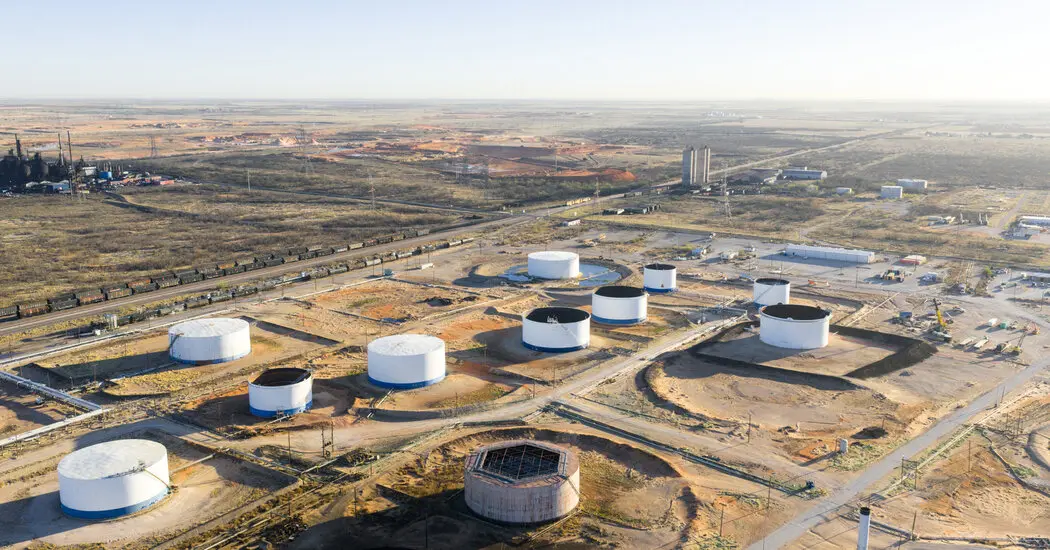
아랍에미리트의 탈퇴로 OPEC의 영향력이 더욱 약화됨
Loss of Emirates Further Weakens OPEC’s Influence
The New York Times
· 🇺🇸 New York, US
Ivan Penn and Rebecca F. Elliott
EN
2026-04-29 18:04
Translated
아랍에미리트의 탈퇴는 최근 몇 년간 석유 카르텔에서 나간 일련의 탈퇴 중 가장 중요한 사건입니다.
주요 회원국 중 하나인 아랍에미리트가 없으면 OPEC의 영향력이 약해질 것입니다. 문제는 얼마나 약해질 것인가 하는 점입니다.
미국이 세계 최대 석유 생산국으로 부상하면서 석유수출국기구(OPEC)가 전 지구적 시장에 대해 가지고 있던 지배력이 약해졌고, 카르텔 회원국들의 탈퇴도 이에 영향을 미쳤습니다.
화요일 50년 이상의 회원 기간을 끝내고 주요 석유 생산국인 아랍에미리트가 탈퇴한다는 발표는 조직에게 어려운 시점에 나왔습니다. 미국과 이스라엘은 OPEC의 창립 회원국인 이란과 불안정한 대치 상태에 있으며, 이란은 페르시아만에서 석유와 천연가스의 상당 부분의 흐름을 사실상 차단했습니다. 2개월간의 전쟁 동안 이란은 또한 카르텔의 동반자들을 공격했습니다.
첫 번째 트럼프 행정부에서 에너지 자원 국무부 보좌관을 역임한 프랭크 팬논은 "UAE의 탈퇴를 가볍게 볼 방법이 없습니다. 이는 일반적인 변화의 일부입니다. 회원국들 간의 신뢰 부족이 있으며, 특히 회원국 중 하나가 다른 회원국을 공격하고 있습니다. 이는 매우 중요한 일입니다"라고 말했습니다.
현재로서는 이란과의 전쟁과 중요한 페르시아만 해운 통로인 호르무즈 해협의 사실상 폐쇄로 인한 전 지구적 석유 시장의 혼란이 아랍에미리트의 향후 탈퇴로 인한 영향을 덮고 있습니다. OPEC이 몇 개의 회원국을 가지고 있든 걸프는 신뢰할 수 없는 에너지 공급자가 되었습니다.
실제로 석유 가격은 아랍에미리트의 발표에 거의 반응을 보이지 않았습니다.
더 오래 지속되는 결과는 해협이 다시 열려 지역의 생산자들이 전쟁 이전의 생산 및 수출 수준으로 돌아갈 수 있을 때 더욱 명확해질 것입니다.
아랍에미리트가 없으면 카르텔의 최대 석유 생산국은 사우디아라비아, 이라크, 이란이 될 것입니다. 이는 누구도 원하는 그룹이 아닙니다.
에너지 컨설턴트이자 뉴욕대학교의 에너지, 기후 정의 및 지속 가능성 연구소 소장인 에이미 마이어스 자페는 "적어도 단기적으로 그리고 어쩌면 영원히 OPEC이 친화적 협력을 위한 기능하는 조직으로 계속될 수 있는 방법을 상상하기는 매우 어렵습니다"라고 말했습니다.
다른 전문가들은 OPEC이 이전의 탈퇴를 견뎌냈고 석유 지정학의 변화에 적응하는 방법을 찾았다고 주의를 촉구했습니다.
카르텔의 실질적 지도자인 사우디아라비아는 최근 수년간 OPEC Plus라는 8개 국가 그룹을 통해 러시아와 석유 생산을 조율해 OPEC의 영향력 감소를 보충해왔습니다.
컬럼비아 대학교 글로벌 에너지 정책 센터의 창립 이사인 제이슨 보도프는 "OPEC의 죽음은 이전에 여러 번 선포되었으며, UAE와 같이 중요한 생산자의 탈퇴는 확실히 큰 타격입니다. 하지만 아직 OPEC이 죽었다고 선포하기에는 충분한 정보를 알지 못합니다"라고 말했습니다.
OPEC이 1960년에 형성되기 전에 국제 석유 시장은 결국 이름 변경 및 합병을 통해 Shell, Chevron, Exxon Mobil 및 BP가 된 다국적 에너지 회사인 "Seven Sisters"에 의해 지배되었습니다.
이란, 이라크, 쿠웨이트, 사우디아라비아, 베네수엘라는 부분적으로 Seven Sisters의 권력에 불만을 품고 OPEC을 설립했습니다. 하지만 지난 30년 동안 여러 회원국이 회원을 중단하거나 종료했으며, 일부는 탈퇴 후 다시 가입했습니다.
에콰도르는 1992년에 회원을 중단했지만 2007년에 다시 가입했다가 2020년에 다시 탈퇴했습니다. 인도네시아는 2009년에 회원을 중단했다가 2016년에 재개했으나 같은 해에 다시 비활성화되었습니다. 석유와 천연가스를 모두 수출하는 카타르는 2019년에 탈퇴했고 앙골라는 2024년에 탈퇴했습니다.
최대 규모일 때 카르텔은 16개 회원국을 가지고 있었지만, 아랍에미리트의 탈퇴 후에는 11개가 될 것이며, 이들 중 대부분은 아프리카의 더 작은 생산국들로 전 지구적 테이블에서 자리를 제공하는 조직의 통합된 목소리에서 이점을 얻습니다.
하지만 탈퇴 중 어느 것도 OPEC 생산량의 약 12%, 즉 하루 약 360만 배럴의 석유를 차지하는 아랍에미리트의 탈퇴와는 다릅니다. 이제 아랍에미리트는 호르무즈 해협이 다시 열리면 원하는 대로 생산을 늘릴 수 있게 됩니다.
사우디아라비아와의 긴장 증가 이후 내린 결정 후에 에미리트 에너지 장관 수하일 알 마즈루이는 시장을 안심시키려고 했습니다.
그는 뉴욕 타임스에 "우리는 시장의 균형을 맞추고 전 세계 소비자들을 돕기 위한 올바른 조치를 찾을 것입니다"라고 말했습니다.
모닝스타 분석가들은 아랍에미리트가 전기화와 경제 성장에 의해 주도되는 "지역의 다양한 에너지 강국 중 하나로 진화"하려는 자신의 야망을 진전시키려고 했다고 말했습니다.
사우디아라비아 외에도 아랍에미리트는 의미 있는 여유 생산 능력, 즉 단기 통보로 생산을 늘릴 수 있는 능력을 가진 몇 안 되는 OPEC 회원국 중 하나였습니다. 더 많은 석유를 판매할 수 있는 유연성은 오랫동안 그룹이 글로벌 석유 가격에 영향을 미치는 데 도움이 되었다고 모닝스타 분석가들은 말했습니다.
OPEC을 탈퇴함으로써 아랍에미리트는 미국과 더욱 긴밀하게 자신을 일치시키고 있으며, 미국은 오랫동안 OPEC의 영향력을 약화시키려고 노력해왔습니다. 트럼프 대통령은 반복적으로 가격을 낮추기 위해 더 많은 석유를 생산하도록 카르텔에 압력을 가했습니다.
미국 자체는 주요 화석 연료 생산국이 되었습니다. 에너지 정보청에 따르면 2011년에 러시아를 천연가스 생산에서 능가했고 2018년에 사우디아라비아와 러시아를 석유 생산에서 능가하여 선도적인 석유 생산국이 되었습니다.
사우디 지도자들은 석유 시장과 가격에 대해 가능한 한 많은 통제를 유지하기 위해 OPEC의 나머지를 함께 유지하려고 노력할 가능성이 있으며, 워싱턴 연구 조직인 민주주의 재단(Foundation for Defense of Democracies)의 수석 연구원이자 국가 안보 위원회에서 이전에 근무했던 리차드 골드버그는 말했습니다.
골드버그는 "사우디는 쿠웨이트 및 이라크와 같은 다른 걸프 생산국과 함께 있기를 원합니다"라고 말했습니다.
미국이 세계 최대 석유 생산국으로 부상하면서 석유수출국기구(OPEC)가 전 지구적 시장에 대해 가지고 있던 지배력이 약해졌고, 카르텔 회원국들의 탈퇴도 이에 영향을 미쳤습니다.
화요일 50년 이상의 회원 기간을 끝내고 주요 석유 생산국인 아랍에미리트가 탈퇴한다는 발표는 조직에게 어려운 시점에 나왔습니다. 미국과 이스라엘은 OPEC의 창립 회원국인 이란과 불안정한 대치 상태에 있으며, 이란은 페르시아만에서 석유와 천연가스의 상당 부분의 흐름을 사실상 차단했습니다. 2개월간의 전쟁 동안 이란은 또한 카르텔의 동반자들을 공격했습니다.
첫 번째 트럼프 행정부에서 에너지 자원 국무부 보좌관을 역임한 프랭크 팬논은 "UAE의 탈퇴를 가볍게 볼 방법이 없습니다. 이는 일반적인 변화의 일부입니다. 회원국들 간의 신뢰 부족이 있으며, 특히 회원국 중 하나가 다른 회원국을 공격하고 있습니다. 이는 매우 중요한 일입니다"라고 말했습니다.
현재로서는 이란과의 전쟁과 중요한 페르시아만 해운 통로인 호르무즈 해협의 사실상 폐쇄로 인한 전 지구적 석유 시장의 혼란이 아랍에미리트의 향후 탈퇴로 인한 영향을 덮고 있습니다. OPEC이 몇 개의 회원국을 가지고 있든 걸프는 신뢰할 수 없는 에너지 공급자가 되었습니다.
실제로 석유 가격은 아랍에미리트의 발표에 거의 반응을 보이지 않았습니다.
더 오래 지속되는 결과는 해협이 다시 열려 지역의 생산자들이 전쟁 이전의 생산 및 수출 수준으로 돌아갈 수 있을 때 더욱 명확해질 것입니다.
아랍에미리트가 없으면 카르텔의 최대 석유 생산국은 사우디아라비아, 이라크, 이란이 될 것입니다. 이는 누구도 원하는 그룹이 아닙니다.
에너지 컨설턴트이자 뉴욕대학교의 에너지, 기후 정의 및 지속 가능성 연구소 소장인 에이미 마이어스 자페는 "적어도 단기적으로 그리고 어쩌면 영원히 OPEC이 친화적 협력을 위한 기능하는 조직으로 계속될 수 있는 방법을 상상하기는 매우 어렵습니다"라고 말했습니다.
다른 전문가들은 OPEC이 이전의 탈퇴를 견뎌냈고 석유 지정학의 변화에 적응하는 방법을 찾았다고 주의를 촉구했습니다.
카르텔의 실질적 지도자인 사우디아라비아는 최근 수년간 OPEC Plus라는 8개 국가 그룹을 통해 러시아와 석유 생산을 조율해 OPEC의 영향력 감소를 보충해왔습니다.
컬럼비아 대학교 글로벌 에너지 정책 센터의 창립 이사인 제이슨 보도프는 "OPEC의 죽음은 이전에 여러 번 선포되었으며, UAE와 같이 중요한 생산자의 탈퇴는 확실히 큰 타격입니다. 하지만 아직 OPEC이 죽었다고 선포하기에는 충분한 정보를 알지 못합니다"라고 말했습니다.
OPEC이 1960년에 형성되기 전에 국제 석유 시장은 결국 이름 변경 및 합병을 통해 Shell, Chevron, Exxon Mobil 및 BP가 된 다국적 에너지 회사인 "Seven Sisters"에 의해 지배되었습니다.
이란, 이라크, 쿠웨이트, 사우디아라비아, 베네수엘라는 부분적으로 Seven Sisters의 권력에 불만을 품고 OPEC을 설립했습니다. 하지만 지난 30년 동안 여러 회원국이 회원을 중단하거나 종료했으며, 일부는 탈퇴 후 다시 가입했습니다.
에콰도르는 1992년에 회원을 중단했지만 2007년에 다시 가입했다가 2020년에 다시 탈퇴했습니다. 인도네시아는 2009년에 회원을 중단했다가 2016년에 재개했으나 같은 해에 다시 비활성화되었습니다. 석유와 천연가스를 모두 수출하는 카타르는 2019년에 탈퇴했고 앙골라는 2024년에 탈퇴했습니다.
최대 규모일 때 카르텔은 16개 회원국을 가지고 있었지만, 아랍에미리트의 탈퇴 후에는 11개가 될 것이며, 이들 중 대부분은 아프리카의 더 작은 생산국들로 전 지구적 테이블에서 자리를 제공하는 조직의 통합된 목소리에서 이점을 얻습니다.
하지만 탈퇴 중 어느 것도 OPEC 생산량의 약 12%, 즉 하루 약 360만 배럴의 석유를 차지하는 아랍에미리트의 탈퇴와는 다릅니다. 이제 아랍에미리트는 호르무즈 해협이 다시 열리면 원하는 대로 생산을 늘릴 수 있게 됩니다.
사우디아라비아와의 긴장 증가 이후 내린 결정 후에 에미리트 에너지 장관 수하일 알 마즈루이는 시장을 안심시키려고 했습니다.
그는 뉴욕 타임스에 "우리는 시장의 균형을 맞추고 전 세계 소비자들을 돕기 위한 올바른 조치를 찾을 것입니다"라고 말했습니다.
모닝스타 분석가들은 아랍에미리트가 전기화와 경제 성장에 의해 주도되는 "지역의 다양한 에너지 강국 중 하나로 진화"하려는 자신의 야망을 진전시키려고 했다고 말했습니다.
사우디아라비아 외에도 아랍에미리트는 의미 있는 여유 생산 능력, 즉 단기 통보로 생산을 늘릴 수 있는 능력을 가진 몇 안 되는 OPEC 회원국 중 하나였습니다. 더 많은 석유를 판매할 수 있는 유연성은 오랫동안 그룹이 글로벌 석유 가격에 영향을 미치는 데 도움이 되었다고 모닝스타 분석가들은 말했습니다.
OPEC을 탈퇴함으로써 아랍에미리트는 미국과 더욱 긴밀하게 자신을 일치시키고 있으며, 미국은 오랫동안 OPEC의 영향력을 약화시키려고 노력해왔습니다. 트럼프 대통령은 반복적으로 가격을 낮추기 위해 더 많은 석유를 생산하도록 카르텔에 압력을 가했습니다.
미국 자체는 주요 화석 연료 생산국이 되었습니다. 에너지 정보청에 따르면 2011년에 러시아를 천연가스 생산에서 능가했고 2018년에 사우디아라비아와 러시아를 석유 생산에서 능가하여 선도적인 석유 생산국이 되었습니다.
사우디 지도자들은 석유 시장과 가격에 대해 가능한 한 많은 통제를 유지하기 위해 OPEC의 나머지를 함께 유지하려고 노력할 가능성이 있으며, 워싱턴 연구 조직인 민주주의 재단(Foundation for Defense of Democracies)의 수석 연구원이자 국가 안보 위원회에서 이전에 근무했던 리차드 골드버그는 말했습니다.
골드버그는 "사우디는 쿠웨이트 및 이라크와 같은 다른 걸프 생산국과 함께 있기를 원합니다"라고 말했습니다.
처리 완료
5,270 tokens · $0.0152
기사 수집 완료 · 19:05
매체 피드에서 기사 메타데이터 수집
헤드라인 번역 완료 · 19:16
제목/요약 한국어 번역 (fetch 시점 inline)
claude-haiku-4-5-20251001
196 tokens
$0.00049
1.5s
본문 추출 완료
5,959자 추출 완료
본문 한국어 번역 완료 · 19:16
2,967자 번역 완료
claude-haiku-4-5-20251001
5,074 tokens
$0.01472
29.5s
지정학적 엔티티 추출 완료 · 19:16
8개 엔티티 추출 완료
지정학적 맥락 & R-Scanner
R-Scanner · 핫스팟
z=3.38
평소보다 훨씬 많은 매체가 집중 보도 중 — 기준: United Arab Emirates
(🇦🇪 AE)
최근 6시간 12건
7일 평균 4.25건 / 6h
7개국 매체
9개 매체
본문에서 추출된 지명 (8)
United Arab Emirates
🇦🇪
Saudi Arabia
🇸🇦
Iran
🇮🇷
United States
🇺🇸
Persian Gulf
Strait of Hormuz
🇮🇷
Russia
🇷🇺
Iraq
🇮🇶
위치 지도
지도 로딩 중…
같은 주제의 다른 기사 (최근 7일)
The exit of the United Arab Emirates is the most significant in a series of departures from the oil cartel in recent years.
OPEC will be less powerful without one of its leading members, the United Arab Emirates. The question is: How much?The emergence of the United States as the world’s largest oil producer has diminished the grip that the Organization of the Petroleum Exporting Countries had over the global market, as has the departure of several of the cartel’s members.
But the announcement on Tuesday that the Emirates, a major oil producer, is leaving after more than 50 years of membership comes at a difficult moment for the organization. The United States and Israel are locked in a uneasy standoff with Iran, a founding member of OPEC that has effectively shut down much of the flow of oil and natural gas from the Persian Gulf. During the two-month war, Iran has also attacked its partners in the cartel.
“There’s no way to underplay U.A.E.’s departure,” said Frank Fannon, who was an assistant secretary of state for energy resources in the first Trump administration. “It’s part and parcel of a general shift. There’s the lack of trust among members, particularly with one of them shooting at other members. It’s a very big deal.”
For now, the chaos in global oil markets from the war with Iran and effective closure of the Strait of Hormuz, a crucial Persian Gulf shipping channel, is overshadowing the fallout from the Emirates’ pending departure. Regardless of how many members OPEC has, the Gulf has become an unreliable energy supplier.
Indeed, oil prices hardly budged in response to the Emirates’ announcement.
The longer-term consequences will become clearer if and when the strait reopens, allowing producers throughout the region to return to prewar production and export levels.
Without the Emirates, the cartel’s largest oil producers will be Saudi Arabia, Iraq and Iran. That is hardly anybody’s idea of a chummy group.
“It’s pretty hard to envision how OPEC could continue to be a functioning organization for friendly collaboration, at least in the short term and maybe forever,” said Amy Myers Jaffe, an energy consultant and the director of New York University’s Energy, Climate Justice and Sustainability Lab.
Others cautioned that OPEC had survived previous departures and found ways to adapt to changes in the geopolitics of oil.
To make up for OPEC’s reduced clout, Saudi Arabia, the cartel’s de factor leader, has coordinated oil production with Russia in recent years through a group of eight countries called OPEC Plus.
“The death of OPEC has been proclaimed many times before, and the withdrawal of a producer as important as the U.A.E. is certainly a large blow,” said Jason Bordoff, the founding director of the Center on Global Energy Policy at Columbia University. “But I don’t think we know enough yet to proclaim OPEC dead.”
Before OPEC formed in 1960, the international oil market was dominated by the “Seven Sisters” — multinational energy companies that would eventually, through name changes and mergers, become Shell, Chevron, Exxon Mobil and BP.
Iran, Iraq, Kuwait, Saudi Arabia and Venezuela created OPEC in part because they chafed at the power of the Seven Sisters. But over the last 30 years, several members have suspended or terminated their membership, including some that left and rejoined.
Ecuador suspended its membership in 1992 but it rejoined in 2007 and then left again in 2020. Indonesia suspended its membership in 2009 and reactivated in 2016, only to go inactive again the same year. Qatar, which exports both oil and natural gas, left in 2019 and Angola in 2024.
At its largest, the cartel had 16 members, but after the Emirates’ departure it will have 11, many of them smaller producers in Africa that benefit from the united voice of an organization that gives them a seat at a global table.
But none of the departures were quite like that of the Emirates, which accounts for about 12 percent of OPEC’s production, or around 3.6 million barrels of oil a day. Now, the Emirates will be free to increase production as it wishes once the Strait of Hormuz reopens.
After the decision, which followed growing tension with Saudi Arabia, the Emirati energy minister, Suhail Al Mazrouei, sought to reassure the market.
“We will look for the right measures to balance the market, the right measures to help the consumers all over the world,” he told The New York Times.
Analysts at Morningstar said the Emirates was seeking to advance its own ambitions as it evolved “into one of the region’s diversified energy powerhouses, driven by electrification and economic growth.”
Outside of Saudi Arabia, the Emirates was one of the few OPEC members with meaningful spare capacity — or the ability to increase production on short notice. The flexibility to sell more oil has long allowed the group to exert influence over global oil prices, Morningstar analysts said.
By leaving OPEC, the Emirates is more closely aligning itself with the United States, which has long sought to undermine the OPEC’s influence. President Trump has repeatedly badgered the cartel to produce more oil to lower prices.
The United States itself has become a leading fossil fuel producer. In 2011, it surpassed Russia in natural gas production and in 2018 overtook Saudi Arabia and Russia as the leading oil producer, according to the Energy Information Administration.
Saudi leaders are likely to seek to keep the rest of OPEC together to maintain as much control as it can over the oil market and prices, said Richard Goldberg, a senior fellow at the Foundation for Defense of Democracies, a Washington research organization, who previously worked at the National Security Council.
“The Saudis want to stay with other Gulf producers like Kuwait and Iraq,” Mr. Goldberg said.
Ivan Penn is a reporter based in Los Angeles and covers the energy industry. His work has included reporting on clean energy, failures in the electric grid and the economics of utility services.
Rebecca F. Elliott covers energy for The Times.