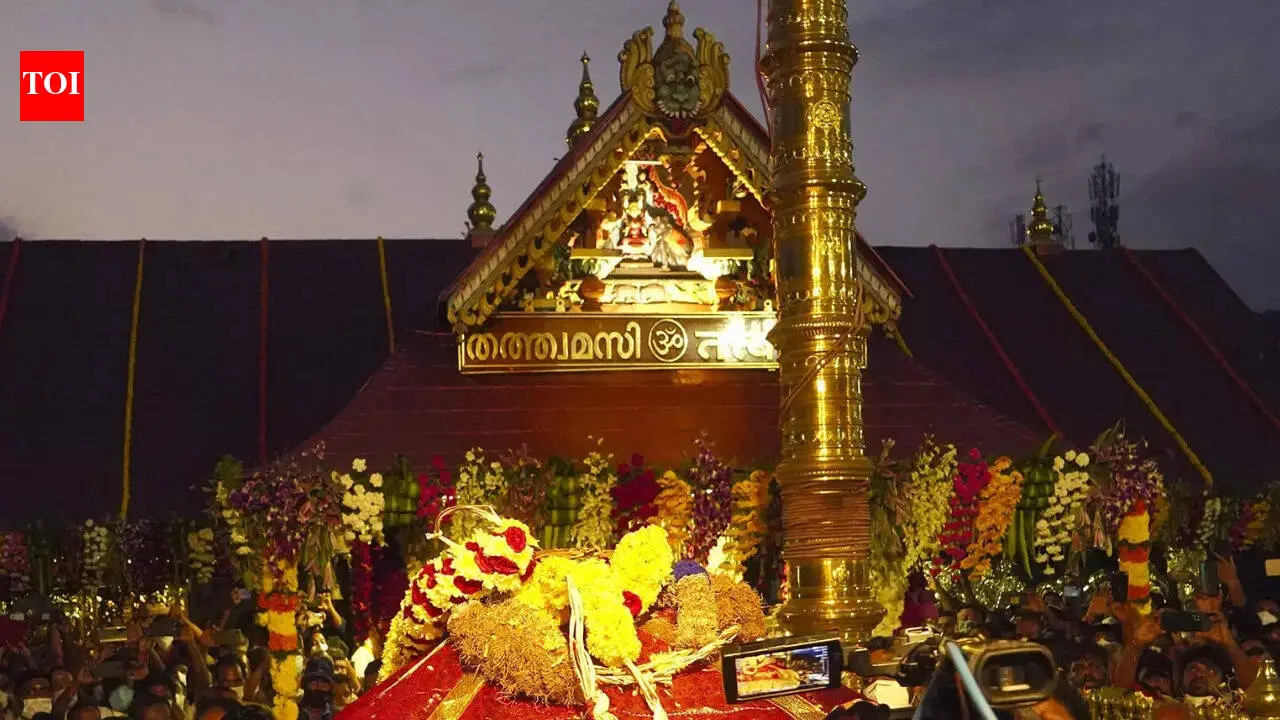
사법부는 신도들의 신성한 예배 방식의 권리에 개입할 수 없다고 대법원이 말함
Judiciary can’t interfere in devotees’ sacrosanct right to manner of worship, says Supreme Court
The Times of India
· 🇮🇳 Mumbai, IN
DHANANJAY.MAHAPATRA
EN
2026-04-24 07:19
Translated
뉴델리: 중요한 성명에서 사바리말라 아야파 사원의 10-50세 여성 출입 금지 관습을 무효화한 판결과 겉보기에 모순되는 대법원은 목요일 신도들의 신을 예배하는 방식과 양식을 결정할 권리가 사법적 판단 대상이 아니라는 점에 일단 동의했다. 대법원의 발언은 고위 변호사 J 무스 라즈가 힌두교에서는 모든 마을이 '그람 데브타'를 가지고 있으며, 모든 가족이 '쿨 데브타'와 '이슈타 데브타'를 가지고 있고, 이들 모두가 다르게 예배된다고 주장하면서 법원이 우산 종교로 추적하면서 그러한 관습의 본질성을 면밀히 검토하는 것은 불가능하다는 주장에 따랐다. 양심과 신앙은 개인에게 사적: 대법원. 사바리말라 사건을 심리하는 재판부는 수리아 칸트 대법원장과 나가라투나, M M 순드레시, 아산우딘 아마눌라, 아라빈드 쿠마르, A G 마심, P B 바랄레, R 마하데반, J 바그치 판사들로 구성되었다. 칸트 대법원장과 나가라투나, 순드레시, 쿠마르, 마하데반 판사는 자신들의 의견을 통해 법원이 신도가 신을 예배하도록 선택한 방식과 양식의 타당성을 검토하기 위해 사법적 렌즈를 적용하기 어려울 것이라는 점에 동의하는 것으로 보였다. 라즈는 종교 경전에서 그러한 예배를 규정하지 않았다면, 사법적 검토의 기준이 무엇인지를 물었다. 대법원장과 나가라투나 판사는 양심과 신앙은 개인에게 사적이라고 말했다. 순드레시 판사는 "제25조 권리는 신도를 비신도로부터 보호한다. 이는 종교를 실천, 신봉, 전파하는 개인의 양심에 중요성을 부여한다. 예배의 양식은 양심의 일부이며 신도와 신 사이의 사적인 영역이다. 이것에 제한적 의미를 부여할 수 없다"고 말했다. 마하데반 판사는 "신앙은 신앙이다. 그 타당성을 검증할 수 없다"고 덧붙였다. N K 카울, K 라다크리슈난, 크리슈난 베누고팔, 구루 크리슈나 쿠마르, 샤얌 디완, 아르빈드 다타르 고위 변호사들로 대표되는 모든 주요 종교 공동체는 사바리말라 사원의 오래된 관습과 같은 것들이 신앙에 기반하며 사법적 판단 대상이 아니라는 점에 한목소리로 주장했다.
처리 완료
2,095 tokens · $0.0054
기사 수집 완료 · 07:30
매체 피드에서 기사 메타데이터 수집
헤드라인 번역 완료 · 11:16
제목/요약 한국어 번역 (fetch 시점 inline)
kimi-k2.5
0 tokens
$0.00000
0.2s
본문 추출 완료
2,019자 추출 완료
본문 한국어 번역 완료 · 11:16
1,000자 번역 완료
claude-haiku-4-5-20251001
2,095 tokens
$0.00545
11.9s
지정학적 엔티티 추출 완료 · 11:16
3개 엔티티 추출 완료
지정학적 맥락 & R-Scanner
R-Scanner · 핫스팟
z=2.51
평소보다 훨씬 많은 매체가 집중 보도 중 — 기준: New Delhi
(🇮🇳 IN)
최근 6시간 29건
7일 평균 18.04건 / 6h
2개국 매체
3개 매체
본문에서 추출된 지명 (3)
위치 지도
지도 로딩 중…
같은 주제의 다른 기사 (최근 7일)
. NEW DELHI: In a significant statement, apparently in conflict with the judgment that quashed the Sabarimala Ayyappa temple’s custom of barring entry of women in the 10-50 age group, the Supreme Court on Thursday prima facie agreed that devotees’ right to decide the mode and manner of worshipping God was non-justiciable.SC’s remark came following senior advocate J Muth Raj’s argument that in Hinduism, every village had a ‘gram devta’, every family had a ‘kul devta’ and ‘ishta devta’, all of whom were worshipped differently, and it was impossible for the court to scrutinise the essentiality of such practices while tracing it to the umbrella religion.Conscience and faith private to individuals: SCThe bench hearing the Sabarimala case comprised CJI Surya Kant and Justices B V Nagarathna, M M Sundresh, Ahsanuddin Amanulla, Aravind Kumar, A G Masih, P B Varale, R Mahadevan and J Bagchi. CJI Kant and Justices Nagarathna, Sundresh, Kumar and Mahadevan, through their observations, appeared to agree that it would be difficult for the court to put its judicial lens to examine the validity of the mode and manner a devotee chooses to worship God. Raj asked that as no religious text prescribed such worship, what would be the baseline for the judicial scrutiny? The CJI and Justice Nagarathna said conscience and faith were private to an individual.Justice Sundresh said, “Article 25 rights protect a believer from a non-believer. It gives importance to the conscience of a person to practise, profess and propagate religion. The manner of worship is part of conscience and a space private to the devotee and God. This cannot be given a restrictive meaning.” Justice Mahadevan added, “Faith is faith. Its validity can’t be tested.”All major religious communities represented by senior advocates N K Kaul, K Radhakrishnan, Krishnan Venugopal, Guru Krishna Kumar, Shyam Divan and Arvind Datar — argued in unison that long-standing customs, as in the Sabarimala temple, were based on faith and were non-justiciable.