Jeffrey Epstein의 가능한 자살 유서가 대중에게 숨겨져 있음
Jeffrey Epstein’s Possible Suicide Note Hidden from Public View
The New York Times
· 🇺🇸 New York, US
Benjamin Weiser, Steve Eder and Jan Ransom
EN
2026-05-01 02:54
Translated
한 수감자가 Epstein이 감옥 독방에서 부상을 입은 상태로 발견된 후, 그의 사망 몇 주 전에 이 유서를 발견했다고 말했습니다. 현재 법원에 보관되어 있습니다.
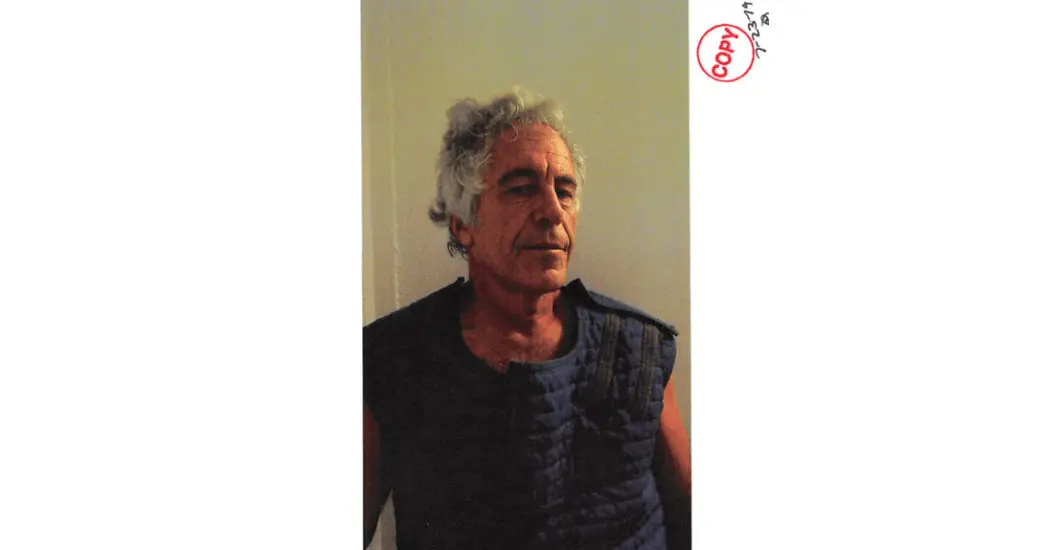
2019년 7월 23일 자로 표시된 Epstein 파일의 Jeffrey Epstein 사진입니다. 출처...법무부를 통해
Benjamin Weiser, Steve Eder, Jan Ransom 저
기자들은 https://www.nytimes.com/tips에서 기밀 팁을 환영합니다.
Jeffrey Epstein이 맨해튼 감옥에서 작성했다고 추정되는 자살 유서가 거의 7년간 비밀로 유지되어 왔으며, 뉴욕 법원에 보관되어 있습니다.
한 감옥 동료는 2019년 7월 Epstein이 목 주위에 천 조각을 감은 채 반응이 없는 상태로 발견된 후 이 유서를 발견했다고 말했습니다. Epstein은 그 사건에서 생존했지만 몇 주 후 감옥에서 사망한 채로 발견되었습니다.
유서는 결국 동료 수감자 자신의 형사 사건의 일부로 연방 판사에 의해 봉인되었습니다. 이는 Epstein의 유명한 사망을 조사하던 수사관들이 중요한 증거가 될 수 있었던 것을 놓치게 되었다는 것을 의미합니다.
목요일에 뉴욕 타임즈는 판사에게 "이제 작별할 시간이다"고 말하는 유서를 공개하도록 청원했습니다. 동료 Nicholas Tartaglione은 회상합니다. Tartaglione이 지난해 팟캐스트에서 유서에 대해 언급했지만, 손으로 쓴 메시지는 Epstein에 대한 정부 수사의 전례 없는 투명성 시대에도 공개되지 않았습니다. 12월 이후 법무부는 성적 포식자와 관련된 수백만 페이지의 문서를 공개했습니다.
뉴욕 타임즈는 유서를 본 적이 없으며 Epstein 파일에서 찾을 수 없었습니다. 법무부 대변인은 기관이 이를 보지 못했다고 말했습니다.
그러나 기록의 수수께끼로운 2페이지 연대기는 유서가 Tartaglione의 복잡한 법적 사건에 어떻게 얽혔는지 설명합니다. 연대기에 따르면 Tartaglione의 변호사들은 유서를 인증했지만, 그 방법을 설명하지는 않습니다. Epstein이 작성했다면, 그 메시지는 사망 몇 주 전 그의 정신 상태에 대한 통찰력을 제공할 수 있습니다.
법무부 대변인은 정부의 Epstein 파일 공개를 요구하는 연방법에 대응하여 기관이 "철저한 노력을 기울여" 교도소 국(Bureau of Prisons)과 감찰관실(Office of the Inspector General)을 포함한 "소유 중인 모든 기록을 수집"했다고 말했습니다.
66세의 Epstein의 사망은 뉴욕시 의학 검사관에 의해 자살로 판정되었습니다. 하지만 현재 폐쇄된 맨해튼 교정 센터(Manhattan Correctional Center) 내 보안 허점의 폭로로 인해 그가 어떻게 사망했으며 살해당했는지 여부에 대한 수많은 이론이 생겨났습니다. 감옥 관계자들이 7월 사건 이후 Epstein의 목의 붉은 자국에 대해 물었을 때, 그는 Tartaglione이 자신을 공격했으며 자살할 의도가 없다고 말했습니다.
4중 살인혐의로 기소된 전직 경찰관 Tartaglione은 오래전부터 Epstein을 폭행했다는 혐의를 부인해왔습니다. 교도소 국 기록에 따르면 동료에 대한 최초 혐의가 제기된 일주일 후, Epstein은 관계자들에게 Tartaglione과 "아무 문제도 없었다"고 말했으며 그와 함께 수감되는 것이 안전하다고 느꼈습니다.
2023년 유죄 판결을 받은 Tartaglione은 현재 4개의 무기징역을 선고받고 있습니다. 그는 항소를 추구하고 있으며 자신이 무죄라고 주장합니다.
기밀 뉴스 팁이 있으신가요? 뉴욕 타임즈는 기자들과 메시지와 자료를 공유하고 싶은 독자들로부터의 소식을 듣고 싶습니다.
최근 캘리포니아의 연방 교도소에서 전화로 인터뷰한 Tartaglione은 유서를 어떻게 발견했는지에 대한 자신의 버전을 말했습니다.
7월 사건 이후 Epstein은 감옥의 다른 부분으로 옮겨졌고 일시적으로 자살 감시에 놓였습니다. 그 무렵 Tartaglione은 그래픽 소설에 끼워져 있던 유서를 자신의 독방에서 발견했다고 말했습니다.
"나는 책을 열어서 읽으려고 했고 거기에 있었습니다."라고 Tartaglione은 말했습니다: 법률 메모장에서 찢어낸 노란 종이.
유서에는 수사관들이 Epstein을 여러 달 동안 조사했고 "아무것도 발견하지 못했다"고 Tartaglione이 회상했습니다. 그는 메시지가 다음과 같이 계속되었다고 말했습니다: "당신은 내가 무엇을 하기를 원하나요, 울음을 터뜨리나요? 이제 작별할 시간입니다."
Tartaglione은 Epstein이 계속해서 Tartaglione이 자신을 해치려고 시도했다고 주장할 경우 유서가 도움이 될 수 있다고 생각했기 때문에 변호사들에게 유서를 주었다고 말했습니다.
유서는 2023년 법무부 감찰관실(Office of the Inspector General)의 보고서를 포함하여 Epstein의 사망에 대한 공식 수사에서 언급되지 않았습니다. OIG는 의견 표명을 거부했습니다.
하지만 Epstein 파일의 일부로 공개된 타임라인 문서는 유서가 사법 제도를 통해 어떻게 움직였는지 요약합니다. "연대기"라는 제목의 문서가 왜 만들어졌으며 누가 작성했는지는 분명하지 않습니다.
타임라인에 따르면 2019년 7월 27일, Epstein의 명백한 자살 시도 4일 후, Tartaglione은 주요 변호사인 "BB"(Bruce Barket)를 만나 발견한 유서에 대해 말했습니다. 경비원이 Tartaglione이 자신의 독방에 가서 유서를 찾을 수 없다고 말했을 때, Barket은 자신의 의뢰인에게 그 다음 방문하는 변호사에게 주도록 했습니다. Barket은 "JW"(또 다른 변호사, John Wieder)에게 전화를 걸어 자신의 의뢰인으로부터 유서를 수거하도록 요청했습니다.
타임라인은 변호사들이 다음 며칠 동안 유서를 인증하려고 두 번 시도했으나 성공하지 못했음을 나타냅니다. 그들은 2019년 말 또는 2020년 초에 유서를 인증했습니다(연대기 참조). Barket은 본지의 논평을 거부했습니다.
"당시 제 변호사들은 제가 그것을 쓰지 않았다는 것을 확인하고 싶었습니다."라고 Tartaglione은 2025년 7월 팟캐스트 진행자 Jessica Reed Kraus와의 인터뷰에서 말했습니다. 그는 "필적 전문가"들이 유서를 검토했다고 말했습니다.
Tartaglione의 사건을 담당하는 판사인 Kenneth M. Karas는 화이트 플레인스의 연방 지방 법원에 앉아 있으며, Tartaglione과 Wieder에 따르면 결국 유서를 법원에 제출하도록 명령했습니다. 인터뷰에서 Wieder는 뉴욕 타임즈에 유서를 법원으로 운전했고 서기관에게 주었다고 말했습니다. 그는 그것이 무엇을 말했는지 기억할 수 없었습니다.
유서는 Tartaglione의 변호사들 사이의 오래된 분쟁에 얽혀 있는 것으로 보이며, Karas 판사는 분쟁을 조사하기 위해 외부 변호사를 임명하게 했습니다. 공개 서류에 따르면 분쟁과 관련된 문서는 변호사-의뢰인 특권을 보호하기 위해 봉인되었습니다. 판사는 결국 왜인지를 설명하는 별도의 봉인된 명령을 인용하면서 Wieder를 사건에서 제외하는 간단한 명령을 내렸습니다. Wieder는 제외에 대해 논평하기를 거부했습니다.
법원 대변인은 봉인된 문서의 존재에 대해 언급하기를 거부했습니다. 그는 그러한 기록들이 안전 보관을 위해 법원 금고에 보관된다고 말했습니다.
Seamus Hughes가 보도에 기여했습니다.
Benjamin Weiser는 맨해튼의 연방 법원 및 미국 변호사 사무소와 더 광범위한 사법 제도를 다루는 뉴욕 타임즈 기자입니다.
Steve Eder는 10년 이상 뉴욕 타임즈의 조사 기자로 활동해왔습니다.
Jan Ransom은 뉴욕의 형사 사법 제도, 법 집행 및 수감을 중심으로 하는 뉴욕 타임즈의 조사 기자입니다.
Benjamin Weiser, Steve Eder, Jan Ransom 저
기자들은 https://www.nytimes.com/tips에서 기밀 팁을 환영합니다.
Jeffrey Epstein이 맨해튼 감옥에서 작성했다고 추정되는 자살 유서가 거의 7년간 비밀로 유지되어 왔으며, 뉴욕 법원에 보관되어 있습니다.
한 감옥 동료는 2019년 7월 Epstein이 목 주위에 천 조각을 감은 채 반응이 없는 상태로 발견된 후 이 유서를 발견했다고 말했습니다. Epstein은 그 사건에서 생존했지만 몇 주 후 감옥에서 사망한 채로 발견되었습니다.
유서는 결국 동료 수감자 자신의 형사 사건의 일부로 연방 판사에 의해 봉인되었습니다. 이는 Epstein의 유명한 사망을 조사하던 수사관들이 중요한 증거가 될 수 있었던 것을 놓치게 되었다는 것을 의미합니다.
목요일에 뉴욕 타임즈는 판사에게 "이제 작별할 시간이다"고 말하는 유서를 공개하도록 청원했습니다. 동료 Nicholas Tartaglione은 회상합니다. Tartaglione이 지난해 팟캐스트에서 유서에 대해 언급했지만, 손으로 쓴 메시지는 Epstein에 대한 정부 수사의 전례 없는 투명성 시대에도 공개되지 않았습니다. 12월 이후 법무부는 성적 포식자와 관련된 수백만 페이지의 문서를 공개했습니다.
뉴욕 타임즈는 유서를 본 적이 없으며 Epstein 파일에서 찾을 수 없었습니다. 법무부 대변인은 기관이 이를 보지 못했다고 말했습니다.
그러나 기록의 수수께끼로운 2페이지 연대기는 유서가 Tartaglione의 복잡한 법적 사건에 어떻게 얽혔는지 설명합니다. 연대기에 따르면 Tartaglione의 변호사들은 유서를 인증했지만, 그 방법을 설명하지는 않습니다. Epstein이 작성했다면, 그 메시지는 사망 몇 주 전 그의 정신 상태에 대한 통찰력을 제공할 수 있습니다.
법무부 대변인은 정부의 Epstein 파일 공개를 요구하는 연방법에 대응하여 기관이 "철저한 노력을 기울여" 교도소 국(Bureau of Prisons)과 감찰관실(Office of the Inspector General)을 포함한 "소유 중인 모든 기록을 수집"했다고 말했습니다.
66세의 Epstein의 사망은 뉴욕시 의학 검사관에 의해 자살로 판정되었습니다. 하지만 현재 폐쇄된 맨해튼 교정 센터(Manhattan Correctional Center) 내 보안 허점의 폭로로 인해 그가 어떻게 사망했으며 살해당했는지 여부에 대한 수많은 이론이 생겨났습니다. 감옥 관계자들이 7월 사건 이후 Epstein의 목의 붉은 자국에 대해 물었을 때, 그는 Tartaglione이 자신을 공격했으며 자살할 의도가 없다고 말했습니다.
4중 살인혐의로 기소된 전직 경찰관 Tartaglione은 오래전부터 Epstein을 폭행했다는 혐의를 부인해왔습니다. 교도소 국 기록에 따르면 동료에 대한 최초 혐의가 제기된 일주일 후, Epstein은 관계자들에게 Tartaglione과 "아무 문제도 없었다"고 말했으며 그와 함께 수감되는 것이 안전하다고 느꼈습니다.
2023년 유죄 판결을 받은 Tartaglione은 현재 4개의 무기징역을 선고받고 있습니다. 그는 항소를 추구하고 있으며 자신이 무죄라고 주장합니다.
기밀 뉴스 팁이 있으신가요? 뉴욕 타임즈는 기자들과 메시지와 자료를 공유하고 싶은 독자들로부터의 소식을 듣고 싶습니다.
최근 캘리포니아의 연방 교도소에서 전화로 인터뷰한 Tartaglione은 유서를 어떻게 발견했는지에 대한 자신의 버전을 말했습니다.
7월 사건 이후 Epstein은 감옥의 다른 부분으로 옮겨졌고 일시적으로 자살 감시에 놓였습니다. 그 무렵 Tartaglione은 그래픽 소설에 끼워져 있던 유서를 자신의 독방에서 발견했다고 말했습니다.
"나는 책을 열어서 읽으려고 했고 거기에 있었습니다."라고 Tartaglione은 말했습니다: 법률 메모장에서 찢어낸 노란 종이.
유서에는 수사관들이 Epstein을 여러 달 동안 조사했고 "아무것도 발견하지 못했다"고 Tartaglione이 회상했습니다. 그는 메시지가 다음과 같이 계속되었다고 말했습니다: "당신은 내가 무엇을 하기를 원하나요, 울음을 터뜨리나요? 이제 작별할 시간입니다."
Tartaglione은 Epstein이 계속해서 Tartaglione이 자신을 해치려고 시도했다고 주장할 경우 유서가 도움이 될 수 있다고 생각했기 때문에 변호사들에게 유서를 주었다고 말했습니다.
유서는 2023년 법무부 감찰관실(Office of the Inspector General)의 보고서를 포함하여 Epstein의 사망에 대한 공식 수사에서 언급되지 않았습니다. OIG는 의견 표명을 거부했습니다.
하지만 Epstein 파일의 일부로 공개된 타임라인 문서는 유서가 사법 제도를 통해 어떻게 움직였는지 요약합니다. "연대기"라는 제목의 문서가 왜 만들어졌으며 누가 작성했는지는 분명하지 않습니다.
타임라인에 따르면 2019년 7월 27일, Epstein의 명백한 자살 시도 4일 후, Tartaglione은 주요 변호사인 "BB"(Bruce Barket)를 만나 발견한 유서에 대해 말했습니다. 경비원이 Tartaglione이 자신의 독방에 가서 유서를 찾을 수 없다고 말했을 때, Barket은 자신의 의뢰인에게 그 다음 방문하는 변호사에게 주도록 했습니다. Barket은 "JW"(또 다른 변호사, John Wieder)에게 전화를 걸어 자신의 의뢰인으로부터 유서를 수거하도록 요청했습니다.
타임라인은 변호사들이 다음 며칠 동안 유서를 인증하려고 두 번 시도했으나 성공하지 못했음을 나타냅니다. 그들은 2019년 말 또는 2020년 초에 유서를 인증했습니다(연대기 참조). Barket은 본지의 논평을 거부했습니다.
"당시 제 변호사들은 제가 그것을 쓰지 않았다는 것을 확인하고 싶었습니다."라고 Tartaglione은 2025년 7월 팟캐스트 진행자 Jessica Reed Kraus와의 인터뷰에서 말했습니다. 그는 "필적 전문가"들이 유서를 검토했다고 말했습니다.
Tartaglione의 사건을 담당하는 판사인 Kenneth M. Karas는 화이트 플레인스의 연방 지방 법원에 앉아 있으며, Tartaglione과 Wieder에 따르면 결국 유서를 법원에 제출하도록 명령했습니다. 인터뷰에서 Wieder는 뉴욕 타임즈에 유서를 법원으로 운전했고 서기관에게 주었다고 말했습니다. 그는 그것이 무엇을 말했는지 기억할 수 없었습니다.
유서는 Tartaglione의 변호사들 사이의 오래된 분쟁에 얽혀 있는 것으로 보이며, Karas 판사는 분쟁을 조사하기 위해 외부 변호사를 임명하게 했습니다. 공개 서류에 따르면 분쟁과 관련된 문서는 변호사-의뢰인 특권을 보호하기 위해 봉인되었습니다. 판사는 결국 왜인지를 설명하는 별도의 봉인된 명령을 인용하면서 Wieder를 사건에서 제외하는 간단한 명령을 내렸습니다. Wieder는 제외에 대해 논평하기를 거부했습니다.
법원 대변인은 봉인된 문서의 존재에 대해 언급하기를 거부했습니다. 그는 그러한 기록들이 안전 보관을 위해 법원 금고에 보관된다고 말했습니다.
Seamus Hughes가 보도에 기여했습니다.
Benjamin Weiser는 맨해튼의 연방 법원 및 미국 변호사 사무소와 더 광범위한 사법 제도를 다루는 뉴욕 타임즈 기자입니다.
Steve Eder는 10년 이상 뉴욕 타임즈의 조사 기자로 활동해왔습니다.
Jan Ransom은 뉴욕의 형사 사법 제도, 법 집행 및 수감을 중심으로 하는 뉴욕 타임즈의 조사 기자입니다.
처리 완료
5,988 tokens · $0.0170
기사 수집 완료 · 03:20
매체 피드에서 기사 메타데이터 수집
헤드라인 번역 완료 · 03:35
제목/요약 한국어 번역 (fetch 시점 inline)
claude-haiku-4-5-20251001
230 tokens
$0.00060
2.1s
본문 추출 완료
6,967자 추출 완료
본문 한국어 번역 완료 · 03:35
3,773자 번역 완료
claude-haiku-4-5-20251001
5,758 tokens
$0.01639
37.8s
지정학적 엔티티 추출 완료 · 03:35
5개 엔티티 추출 완료
지정학적 맥락 & R-Scanner
R-Scanner · 핫스팟
z=3.22
평소보다 훨씬 많은 매체가 집중 보도 중 — 기준: Manhattan
(🇺🇸 US)
최근 6시간 57건
7일 평균 37.11건 / 6h
7개국 매체
10개 매체
본문에서 추출된 지명 (5)
위치 지도
지도 로딩 중…
같은 주제의 다른 기사 (최근 7일)
An inmate said he discovered the note after Mr. Epstein was found injured in his jail cell, weeks before his death. It’s now locked in a courthouse.
A photo of Jeffrey Epstein from the Epstein files dated July 23, 2019. Credit...via Department of JusticeBy Benjamin WeiserSteve Eder and Jan Ransom
The reporters welcome confidential tips at https://www.nytimes.com/tips.
A suicide note purportedly written by Jeffrey Epstein in a Manhattan jail has been kept secret for nearly seven years, locked up in a New York courthouse.
A cellmate said he discovered the note in July 2019, after Mr. Epstein was found unresponsive with a strip of cloth around his neck. Mr. Epstein survived that incident but weeks later was found dead in the jail.
The note was eventually sealed by a federal judge as part of the cellmate’s own criminal case, according to documents and interviews. That means investigators scrutinizing Mr. Epstein’s high-profile death lacked what could have been a key piece of evidence.
On Thursday, The New York Times petitioned the judge to unseal the note, which said it was “time to say goodbye,” the cellmate, Nicholas Tartaglione, recalled. While Mr. Tartaglione mentioned the note on a podcast last year, the scrawled message has remained hidden from public view, even at a time of unprecedented transparency around the government’s investigations into Mr. Epstein. Since December, the Justice Department has released millions of pages of documents related to the sexual predator.
The Times has not seen the note and could not find it in the Epstein files. A Justice Department spokeswoman said the agency had not seen it.
But a cryptic two-page chronology in the records describes how the note became tangled up in Mr. Tartaglione’s messy legal case. The chronology says that Mr. Tartaglione’s lawyers authenticated the note, though it does not explain how. If it was written by Mr. Epstein, the message could provide insights into his state of mind in the weeks before he died hanging from a bunk bed.
The Justice Department spokeswoman said that in response to a federal law demanding the release of the government’s Epstein files, the agency “underwent an exhaustive effort to collect all records in its possession,” including those from the Bureau of Prisons and the Office of the Inspector General.
Mr. Epstein’s death, at age 66, was ruled a suicide by the New York City medical examiner. But revelations of security lapses inside the now-shuttered Manhattan Correctional Center have spawned countless theories about how he died and whether he was murdered. When jail officials asked Mr. Epstein about red marks on his neck after the July incident, he told them that Mr. Tartaglione had attacked him and that he was not suicidal.
Mr. Tartaglione, a former police officer charged with a quadruple homicide, has long denied assaulting Mr. Epstein. Bureau of Prisons records show that a week after the initial accusation against his cellmate, Mr. Epstein told officials that he had “never had any issues” with Mr. Tartaglione and felt safe being housed with him.
Convicted in 2023, Mr. Tartaglione is now serving four life sentences. He is pursuing an appeal and maintains that he is innocent.
Got a confidential news tip? The New York Times would like to hear from readers who want to share messages and materials with our journalists.
In recent interviews by phone from a federal prison in California, Mr. Tartaglione gave his version of how he came upon the note.
After the July episode, Mr. Epstein was moved to a different part of the jail and briefly placed on suicide watch. Around then, Mr. Tartaglione said, he found the note in his cell, tucked into a graphic novel.
“I opened the book to read and there it was,” Mr. Tartaglione said: a piece of yellow paper ripped from a legal pad.
The note said that investigators had looked into Mr. Epstein for many months and “found nothing,” Mr. Tartaglione recalled. He said the message continued along the lines of: “What do you want me to do, bust out crying? Time to say goodbye.”
Mr. Tartaglione gave the note to his lawyers, he said, because it could have been helpful if Mr. Epstein continued to claim Mr. Tartaglione had tried to hurt him.
The note was not mentioned in the official investigations into Mr. Epstein’s death, including a 2023 report by the Justice Department’s Office of the Inspector General. The OIG declined to comment.
But the timeline document released as part of the Epstein files summarizes the note’s journey through the justice system. It is unclear why the document, which is titled “Chronology” and refers to inmates and lawyers by their initials, was created or who wrote it.
The timeline says that on July 27, 2019, four days after Mr. Epstein’s apparent suicide attempt, Mr. Tartaglione met with “BB” — his lead lawyer, Bruce Barket — and told him about finding the note.
When a guard said Mr. Tartaglione was not allowed to go to his cell to retrieve the note, Mr. Barket told his client to give it to the next lawyer who visited him, the document says. Mr. Barket then called “JW” — another lawyer, John Wieder — and asked him to pick up the note from their client.
The timeline indicates that the lawyers tried twice in the next few days to have the note authenticated, without success. They did authenticate the note in late 2019 or early 2020, the chronology says. Mr. Barket declined to comment for this article.
“My lawyers at the time wanted to make sure, you know, I didn’t write it,” Mr. Tartaglione said in a July 2025 interview with the podcast host Jessica Reed Kraus. He said they had “handwriting experts” examine the note.
The judge overseeing Mr. Tartaglione’s case, Kenneth M. Karas, who sits in the federal district courthouse in White Plains, eventually ordered the note to be turned over to the court, according to Mr. Tartaglione and Mr. Wieder. In an interview, Mr. Wieder told The Times that he drove the note to the courthouse and gave it to a clerk. He could not recall what it said.
The note appears to have become enmeshed in a protracted dispute among Mr. Tartaglione’s lawyers, leading Judge Karas to appoint an outside lawyer to look into the conflict, according to public filings. Documents related to the dispute were sealed in order to protect attorney-client privilege, the filings say. The judge eventually issued a brief order that disqualified Mr. Wieder from the case, citing a separate, sealed order that apparently explained why. Mr. Wieder declined to comment on the disqualification.
A court spokesman declined to comment on the existence of any sealed document. Such records, he said, are placed in court vaults for safekeeping.
Seamus Hughes contributed reporting.
Benjamin Weiser is a Times reporter covering the federal courts and U.S. attorney’s office in Manhattan, and the justice system more broadly.
Steve Eder has been an investigative reporter for The Times for more than a decade.
Jan Ransom is an investigative reporter for The Times focusing on the criminal justice system, law enforcement and incarceration in New York.