이탈리아, 미국으로부터 약탈된 고대 유물 337점 회수
Italy recovers 337 looted antiquities from United States
The Korea Herald
· 🇰🇷 Seoul, KR
Korea Herald
EN
2026-04-30 10:55
Translated
로마 (로이터) -- 미국이 이탈리아에서 약탈된 고대 유물 337점을 반환했으며, 이는 최근 몇 년간 도난 문화재 반환 중 가장 큰 규모라고 관계자들이 수요일 밝혔다. 이는 로마와 워싱턴 간의 협력이 심화되었음을 보여준다.
고대 로마 조각상부터 그리스, 에트루리아, 이집트 유물까지 다양한 문화재들이 이탈리아 카라비니에리 문화재 보호부 본부에서 공개되었으며, 이는 주로 뉴욕을 중심으로 진행된 여러 수사의 결과다.
이탈리아는 수십 년간 불법 발굴된 고대 유물의 거래를 억제하기 위해 노력해왔으며, 수천 개의 유물 반환에 성공했고 그 가치는 수천만 유로에 달한다.
온라인 데이터베이스, 기술 발전, 특히 맨해튼 지방검사실과의 더욱 긴밀한 협력으로 이 캠페인은 최근 몇 년간 기세를 높이고 있으며, 맨해튼 지방검사실은 이번 회수 유물 중 221점을 찾아냈다.
틸만 J. 페르티타 주이탈리아 미국 대사는 "세상에 이탈리아처럼 역사와 문화를 가진 나라는 없으며, 미국은 항상 이 훌륭한 문화재들을 여러분의 특별한 나라로 돌려보내기 위해 최선을 다할 것이다"고 기자들에게 말했다.
수요일 공개된 가장 중요한 유물 중 하나는 기원후 1세기로 추정되는 알렉산더 대왕의 대리석 두상으로, 1960년 로마 박물관에서 도난당했다.
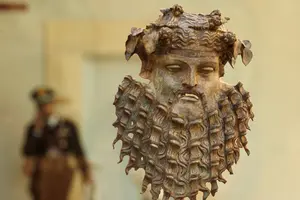
또한 회수된 유물에는 로마 도시 헤르쿨라네움에서 약탈된 청동 조각상, 이집트 현무암 조상상 2점, 로마 동전, 장신구, 도자기, 기원전 5세기부터 기원후 3세기까지의 건축 부품들이 포함되어 있다.
이탈리아 당국은 대부분의 유물이 불법 발굴이나 문화 기관에서의 도난을 통해 국제 미술 시장으로 유입되었다고 밝혔다.
알레산드로 줄리 이탈리아 문화부 장관은 "문화유산 보호는 기억을 수호하고, 정체성을 강화하며, 문화를 보편적 공공재로서 미래 세대에 전승하는 것을 의미한다"고 말했다.
이탈리아와 미국은 지난해 이탈리아 고고학 자료에 대한 미국의 수입 제한을 강화하고 관세 통제를 강화하며 정보 공유를 확대하는 양해각서를 갱신했다.
미국은 경매소, 개인 수집가, 박물관들이 희귀 유물 획득에 관심을 가지고 있는 세계 고대 미술품의 주요 시장이다.
문화부 관계자는 "때로는 이들이 왜 이런 고대 유물이 판매되고 있는지에 대해 충분한 주의를 기울이지 않는다. 그것은 매우 비용이 많이 드는 실수가 될 수 있다"고 말했다.
그녀는 "우리는 무엇이 없어졌는지 알고 있으며 그것을 찾는 데 훨씬 더 능숙해지고 있다"며 앞으로 더 많은 유물 반환을 예측했다.
회수된 유물들은 이제 연구될 것이며 가능한 경우 이탈리아 전역의 원래 위치로 반환될 것이다.
고대 로마 조각상부터 그리스, 에트루리아, 이집트 유물까지 다양한 문화재들이 이탈리아 카라비니에리 문화재 보호부 본부에서 공개되었으며, 이는 주로 뉴욕을 중심으로 진행된 여러 수사의 결과다.
이탈리아는 수십 년간 불법 발굴된 고대 유물의 거래를 억제하기 위해 노력해왔으며, 수천 개의 유물 반환에 성공했고 그 가치는 수천만 유로에 달한다.
온라인 데이터베이스, 기술 발전, 특히 맨해튼 지방검사실과의 더욱 긴밀한 협력으로 이 캠페인은 최근 몇 년간 기세를 높이고 있으며, 맨해튼 지방검사실은 이번 회수 유물 중 221점을 찾아냈다.
틸만 J. 페르티타 주이탈리아 미국 대사는 "세상에 이탈리아처럼 역사와 문화를 가진 나라는 없으며, 미국은 항상 이 훌륭한 문화재들을 여러분의 특별한 나라로 돌려보내기 위해 최선을 다할 것이다"고 기자들에게 말했다.
수요일 공개된 가장 중요한 유물 중 하나는 기원후 1세기로 추정되는 알렉산더 대왕의 대리석 두상으로, 1960년 로마 박물관에서 도난당했다.
또한 회수된 유물에는 로마 도시 헤르쿨라네움에서 약탈된 청동 조각상, 이집트 현무암 조상상 2점, 로마 동전, 장신구, 도자기, 기원전 5세기부터 기원후 3세기까지의 건축 부품들이 포함되어 있다.
이탈리아 당국은 대부분의 유물이 불법 발굴이나 문화 기관에서의 도난을 통해 국제 미술 시장으로 유입되었다고 밝혔다.
알레산드로 줄리 이탈리아 문화부 장관은 "문화유산 보호는 기억을 수호하고, 정체성을 강화하며, 문화를 보편적 공공재로서 미래 세대에 전승하는 것을 의미한다"고 말했다.
이탈리아와 미국은 지난해 이탈리아 고고학 자료에 대한 미국의 수입 제한을 강화하고 관세 통제를 강화하며 정보 공유를 확대하는 양해각서를 갱신했다.
미국은 경매소, 개인 수집가, 박물관들이 희귀 유물 획득에 관심을 가지고 있는 세계 고대 미술품의 주요 시장이다.
문화부 관계자는 "때로는 이들이 왜 이런 고대 유물이 판매되고 있는지에 대해 충분한 주의를 기울이지 않는다. 그것은 매우 비용이 많이 드는 실수가 될 수 있다"고 말했다.
그녀는 "우리는 무엇이 없어졌는지 알고 있으며 그것을 찾는 데 훨씬 더 능숙해지고 있다"며 앞으로 더 많은 유물 반환을 예측했다.
회수된 유물들은 이제 연구될 것이며 가능한 경우 이탈리아 전역의 원래 위치로 반환될 것이다.
처리 완료
2,611 tokens · $0.0073
기사 수집 완료 · 10:55
매체 피드에서 기사 메타데이터 수집
헤드라인 번역 완료 · 11:05
제목/요약 한국어 번역 (fetch 시점 inline)
claude-haiku-4-5-20251001
145 tokens
$0.00039
1.5s
본문 추출 완료
2,809자 추출 완료
본문 한국어 번역 완료 · 11:05
1,271자 번역 완료
claude-haiku-4-5-20251001
2,466 tokens
$0.00686
12.1s
지정학적 엔티티 추출 완료 · 11:05
6개 엔티티 추출 완료
지정학적 맥락 & R-Scanner
R-Scanner · 평상
z=-3.02
일상적인 보도 수준 — 기준: Italy
(🇮🇹 IT)
최근 6시간 0건
7일 평균 10건 / 6h
0개국 매체
0개 매체
본문에서 추출된 지명 (6)
위치 지도
지도 로딩 중…
같은 주제의 다른 기사 (최근 7일)
ROME (Reuters) -- The United States has handed back 337 antiquities looted from Italy in one of the largest recent returns of stolen cultural property, officials said on Wednesday, highlighting deepened cooperation between Rome and Washington.
The artifacts, ranging from ancient Roman sculptures to Greek, Etruscan and Egyptian pieces, were presented at the headquarters of Italy's Carabinieri cultural protection unit following an array of investigations, many centered on New York.
Italy has spent decades trying to curb a rampant trade in illicitly excavated antiquities, securing the repatriation of thousands of artifacts worth tens of millions of euros.
The campaign has gained momentum in recent years, aided by online databases, advances in technology and closer cooperation with US authorities, particularly the Manhattan district attorney's office, which found 221 objects of this latest haul.
"There's no country in the world that has history and culture like Italy, and the United States will always do whatever it takes to help bring these wonderful artifacts back to your very special country," the US Ambassador to Italy Tilman J. Fertitta told reporters.
Among the most significant items unveiled on Wednesday were a marble head of Alexander the Great dating to the first century AD, which was stolen from a Rome museum in 1960.
Also recovered were a bronze sculpture looted from the Roman town of Herculaneum, two Egyptian basalt statues, Roman coins, jewelry, ceramics and architectural fragments spanning from the fifth century BC to the 3rd century AD.
Italian authorities said many of the objects were taken from clandestine excavations or stolen from cultural institutions before being funneled into the international art market.
"Protecting cultural heritage means defending memory, strengthening identity and passing on to future generations the value of culture as a universal public good," said Italian Culture Minister Alessandro Giuli.
Italy and the United States last year renewed a memorandum of understanding tightening US import restrictions on Italian archaeological material, strengthening customs controls and expanding information-sharing.
The United States is one of the main markets for global antiquities, with an array of auction houses, private collectors and museums interested in acquiring rare artifacts.
"Sometimes they do not pay enough attention as to why these antiques are up for sale. That can be a very costly mistake," said an official from the Culture Ministry, who was not authorized to talk to the press.
"We know what is missing and are getting much better at finding it," she added, predicting more returns in the future.
The recovered objects will now be studied and, where possible, returned to their places of origin across Italy.
The artifacts, ranging from ancient Roman sculptures to Greek, Etruscan and Egyptian pieces, were presented at the headquarters of Italy's Carabinieri cultural protection unit following an array of investigations, many centered on New York.
Italy has spent decades trying to curb a rampant trade in illicitly excavated antiquities, securing the repatriation of thousands of artifacts worth tens of millions of euros.
The campaign has gained momentum in recent years, aided by online databases, advances in technology and closer cooperation with US authorities, particularly the Manhattan district attorney's office, which found 221 objects of this latest haul.
"There's no country in the world that has history and culture like Italy, and the United States will always do whatever it takes to help bring these wonderful artifacts back to your very special country," the US Ambassador to Italy Tilman J. Fertitta told reporters.
Among the most significant items unveiled on Wednesday were a marble head of Alexander the Great dating to the first century AD, which was stolen from a Rome museum in 1960.
Also recovered were a bronze sculpture looted from the Roman town of Herculaneum, two Egyptian basalt statues, Roman coins, jewelry, ceramics and architectural fragments spanning from the fifth century BC to the 3rd century AD.
Italian authorities said many of the objects were taken from clandestine excavations or stolen from cultural institutions before being funneled into the international art market.
"Protecting cultural heritage means defending memory, strengthening identity and passing on to future generations the value of culture as a universal public good," said Italian Culture Minister Alessandro Giuli.
Italy and the United States last year renewed a memorandum of understanding tightening US import restrictions on Italian archaeological material, strengthening customs controls and expanding information-sharing.
The United States is one of the main markets for global antiquities, with an array of auction houses, private collectors and museums interested in acquiring rare artifacts.
"Sometimes they do not pay enough attention as to why these antiques are up for sale. That can be a very costly mistake," said an official from the Culture Ministry, who was not authorized to talk to the press.
"We know what is missing and are getting much better at finding it," she added, predicting more returns in the future.
The recovered objects will now be studied and, where possible, returned to their places of origin across Italy.