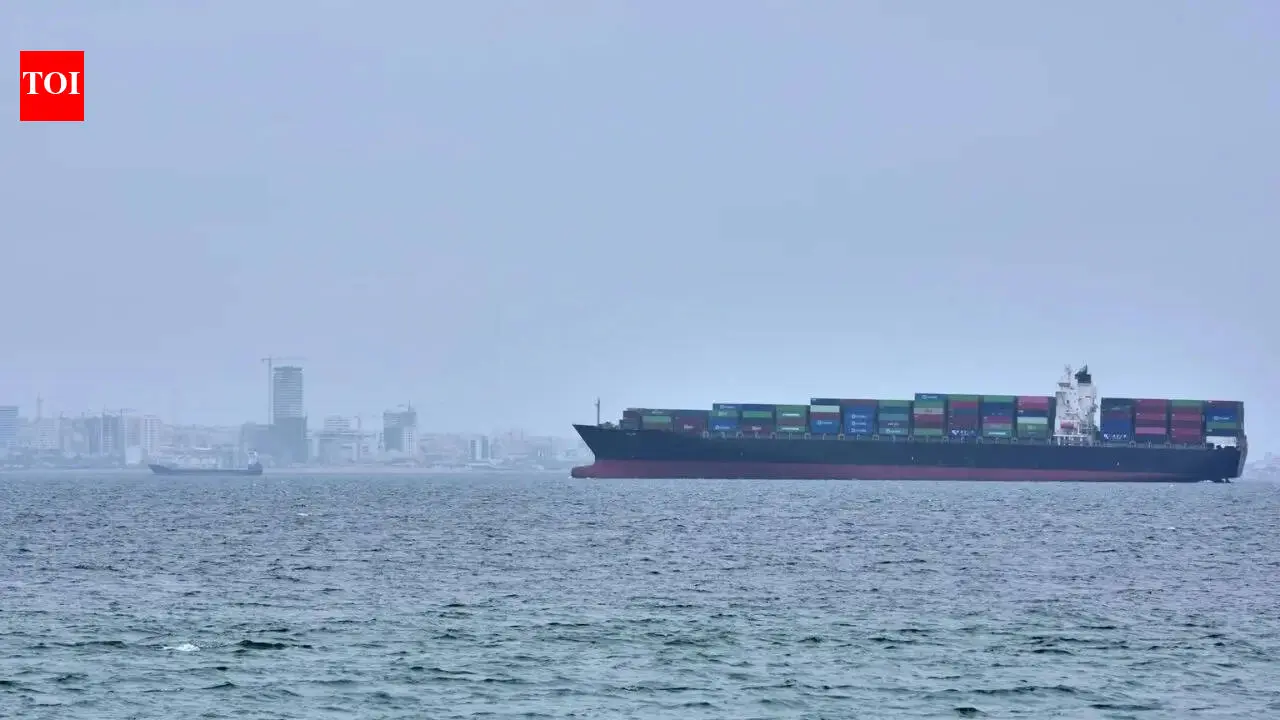
트럼프의 호르무즈 봉쇄가 '성공'인가? 34척의 이란 관련 유조선이 제한을 우회
Is Trump's Hormuz blockade a 'success'? 34 Iran-linked tankers bypass restrictions
The Times of India
· 🇮🇳 Mumbai, IN
TOI WORLD DESK
EN
2026-04-23 00:17
Translated
미국은 호르무즈 해협에 대해 "완전한 통제"를 유지하고 있다고 주장하며 이를 성공이라고 표현했습니다. 그러나 보도에 따르면 이란 관련 유조선 34척이 이러한 제한을 우회하고 계속 운영 중입니다. 일부 유조선은 상당한 석유 물량을 운송하고 있으며, 이는 글로벌 석유 무역에 복잡한 환경을 조성하고 있습니다. 양측이 이 중요한 해수로에 대한 통제력을 주장하면서 긴장 상태가 지속되고 있습니다.
도널드 트럼프 미국 대통령은 워싱턴이 호르무즈 해협을 "완전히 통제"하고 있다고 밝혔으며 진행 중인 해군 봉쇄를 "엄청난 성공"이라고 표현했습니다. 그러나 파이낸셜 타임스 보도에 따르면 적어도 34척의 이란 관련 유조선이 제한을 우회하여 미국의 봉쇄 이후 이 지역에서 계속 운영하고 있습니다. 이번 주 화요일 CNBC와의 인터뷰에서 트럼프는 전략의 효과성을 강조하며 "봉쇄는 엄청난 성공을 거두었습니다. 2일 전 그들은 해협을 열겠다고 말했습니다. 저는 테헤란과의 최종 협상이 이루어질 때까지 해협을 열지 않겠다고 했습니다"라고 말했습니다. "우리가 해협을 완전히 통제하고 있다는 것을 이해하세요"라고 덧붙이며 최종 협상이 이루어질 때까지 봉쇄가 계속될 것임을 명확히 했습니다. 호르무즈 해협은 전 세계 석유 무역의 상당한 부분을 처리하는 세계에서 가장 중요한 병목 지점 중 하나입니다. 미국은 4월 13일에 이란 해역으로 출입하는 모든 선박을 대상으로 봉쇄를 시작했으며, 이는 지속되는 갈등의 상당한 확대입니다. 제한은 4월 16일에 더욱 확대되어 공해에서 운영 중인 이란 선박과 이란의 전쟁 노력을 도울 수 있는 물품을 운송하는 것으로 의심되는 선박을 포함하게 되었습니다. 이 조치는 테헤란과의 협상을 강요하려는 워싱턴의 광범위한 시도의 일부입니다. 미국 중앙사령부에 따르면 해군은 봉쇄 시작 이후 적어도 28척의 선박을 이란 항구로 돌아가도록 지시했습니다. 미군은 또한 오만만에서 한 척의 컨테이너선을 억류했으며 인도태평양에서 제재 대상 유조선에 승선하여 제재를 시행하려는 노력을 강조했습니다. 34척의 유조선, 9억 1,000만 달러의 수익 그러나 해양 추적 회사 보르텍사의 데이터는 현장에서 더 복잡한 현실을 시사합니다. 미국의 강한 통제 주장에도 불구하고 적어도 34척의 이란 관련 유조선이 봉쇄를 우회했습니다. 이 중 19척은 걸프에서 빠져나갔고 15척은 진입했으며, 이는 강화된 제한에도 불구하고 계속된 선박 이동을 나타냅니다. 통과한 선박 중에는 이란 원유를 운송하는 여러 척이 포함되어 있습니다. 적어도 6척의 유조선이 약 1,070만 배럴의 석유를 운송하는 것으로 확인되었습니다. 이란 원유는 일반적으로 브렌트유보다 할인된 가격에 판매되므로 이 물량은 테헤란에 약 9억 1,000만 달러의 수익을 가져올 수 있습니다. 이 유조선들이 봉쇄를 어떻게 통과하는가? 가장 주목할 만한 선박 중 하나는 이란 국기를 달고 있는 대형 유조선 도레나로, 선박의 신원과 위치를 신호하는 데 사용되는 장비인 트랜스폰더를 꺼서 탐지를 회피한 것으로 보도되고 있습니다. FT가 3월에 분석한 위성 영상은 말레이시아 근처에서 선박 간 물품 이동을 하고 있는 선박의 모습을 보여주었으며, 이는 석유 선적의 출처를 위장하는 데 사용되는 일반적인 전술입니다. 유조선은 마지막으로 인도 남부 해안 인근에서 추적되었습니다. 무르리키샨과 앨리시아를 포함한 다른 제재 대상 선박도 미국의 제한에도 불구하고 호르무즈 해협을 통과하여 걸프로 진입했습니다. 두 선박 모두 지난해 워싱턴의 제재를 받았지만 여전히 분쟁 수역을 항해할 수 있었습니다. 호르무즈 해협의 상황은 이란이 해협에 대한 자신의 통제를 주장하면서 점점 더 불안정해지고 있습니다. 테헤란은 모든 선박이 이슬람혁명수비대가 설정한 지정 경로를 따라야 하며 통과 전에 사전 승인을 받아야 한다고 주장했습니다. 이란 당국은 일시적으로 해협을 "완전히 개방"되어 있다고 선언했지만 나중에 접근이 조건부라고 명확히 했습니다. 4월 18일 이란군이 프랑스 컨테이너선과 인도 유조선을 포함한 여러 선박에 총을 쏘면서 긴장이 더욱 고조되었습니다. 이 사건들은 해상 교통의 급격한 감소를 촉발했으며, 많은 선박이 증가하는 보안 우려 속에서 돌아서거나 걸프에 닻을 내린 상태로 남아있게 되었습니다. 이란은 4월 22일에 구자라트로 향하는 것으로 알려진 선박을 포함하여 2척의 선박을 나포했으며, 이는 이 중요한 에너지 회랑을 통한 해운 안전에 대한 우려를 심화시켰습니다. FT 보도에 따르면 선주들은 또한 상황을 "이중 봉쇄"라고 설명했으며, 한쪽에는 미국 해군 집행, 다른 쪽에는 이란의 제한이 있습니다. 겹치는 통제로 인한 불확실성으로 인해 많은 운영자들이 이 지역을 통한 운송을 중단하거나 연기하도록 강제되었습니다. 이러한 전개는 외교적 노력이 계속되고 있는 와중에도 일어나고 있습니다. 트럼프는 최근 이란의 "통합 제안"을 위한 시간을 허용하기 위해 휴전을 무기한 연장했다고 발표했습니다. 그러나 테헤란은 연장을 공식적으로 인정하지 않았으며 미국의 봉쇄를 "받아들일 수 없다"고 비판하여 향후 협상의 전망에 의문을 제기하고 있습니다.
처리 완료
4,343 tokens · $0.0127
기사 수집 완료 · 03:15
매체 피드에서 기사 메타데이터 수집
헤드라인 번역 완료 · 14:46
제목/요약 한국어 번역 (fetch 시점 inline)
kimi-k2.5
0 tokens
$0.00000
0.1s
본문 추출 완료
4,758자 추출 완료
본문 한국어 번역 완료 · 14:46
2,276자 번역 완료
claude-haiku-4-5-20251001
4,343 tokens
$0.01270
25.0s
지정학적 엔티티 추출 완료 · 14:46
8개 엔티티 추출 완료
지정학적 맥락 & R-Scanner
R-Scanner · 상승
z=0.86
평소보다 보도량이 증가 추세 — 기준: Strait of Hormuz
(🇮🇷 IR)
최근 6시간 18건
7일 평균 14.61건 / 6h
8개국 매체
10개 매체
본문에서 추출된 지명 (8)
Strait of Hormuz
🇮🇷
Iran
🇮🇷
United States
🇺🇸
Gulf of Oman
🇴🇲
Malaysia
🇲🇾
India
🇮🇳
Indo-Pacific
🇽🇽
Gujarat
🇮🇳
위치 지도
지도 로딩 중…
같은 주제의 다른 기사 (최근 7일)
US claimed that it holds "total control" over the Strait of Hormuz, calling it a success. However, reports reveal Iran-linked tankers are bypassing these restrictions. At least 34 tankers have continued operations, with some carrying significant oil volumes. This situation creates a complex environment for global oil trade. Tensions remain high as both sides assert control over the vital waterway.
US President Donald Trump has stated that the Washington "totally controls" the Strait of Hormuz and described the ongoing naval blockade as a "tremendous success." However according to a Financial Times report at least 34 Iran-linked tankers have managed to bypass the restrictions and continued operations in the region since the US blockade began.Earlier this week on Tuesday, speaking in an interview with CNBC, Trump doubled down on the effectiveness of the strategy, saying, "The blockade has been a tremendous success. They said two days ago, we will open the strait. I said, no, we’re not going to open the strait until we have a final deal..." Watch HUGE! Iran Military SHOOTS, Then CAPTURES India-Bound Vessel In Hormuz After ‘Red Line’ Warning"We totally control the strait, just so you understand," he added, making it clear that the blockade would remain in place until a "final deal" is reached with Tehran. The Strait of Hormuz remains one of the world’s most important chokepoints, handling a significant share of global oil trade.Is Trump's Hormuz blockade a 'success'? The US imposed the blockade on April 13, targeting all vessels entering or leaving Iranian coastal waters, marking a significant escalation in the ongoing conflict.The restrictions were further expanded on April 16 to include Iranian vessels operating on the high seas and ships suspected of carrying goods that could aid Iran’s war effort. The move is part of a broader attempt by Washington to pressure Tehran into negotiations.According to the US Central Command, the Navy has already directed at least 28 vessels to turn back toward Iranian ports since the blockade began. American forces have also detained one container ship in the Gulf of Oman and boarded a sanctioned tanker in the Indo-Pacific, underlining efforts to enforce the embargo.34 tankers, $910 million in revenueHowever, data from maritime tracking firm Vortexa suggests a more complex reality on the ground. Despite US claims of tight control, at least 34 tankers linked to Iran have managed to bypass the blockade. Of these, 19 exited the Gulf while 15 entered, indicating continued movement of vessels despite heightened restrictions.Among the ships that slipped through were several carrying Iranian crude oil. At least six tankers were confirmed to be transporting around 10.7 million barrels of oil, the report stated.Given that Iranian crude typically sells at a discount to Brent prices, this volume could translate into roughly $910 million in revenue for Tehran.How these tankers slip through blockade?One of the most notable vessels is the Iranian-flagged supertanker Dorena, which reportedly evaded detection by switching off its transponder, a device used to signal a ship’s identity and location.Satellite imagery analysed by the FT in March showed the vessel engaging in a ship-to-ship transfer near Malaysia, a common tactic used to disguise the origin of oil shipments. The tanker was last tracked off the southern coast of India.Other sanctioned vessels, including Murlikishan and Alicia, also moved through the Strait of Hormuz and into the Gulf, despite US restrictions. Both ships had been sanctioned by Washington last year but were still able to navigate the contested waters.The situation in the Strait has become increasingly volatile, with Iran asserting its own control over the waterway. Tehran has insisted that all vessels must follow designated routes set by the Islamic Revolutionary Guard Corps and obtain prior approval before passing through. Iranian authorities briefly declared the strait "completely open," but later clarified that access would be conditional.Tensions escalated further after Iranian forces opened fire on multiple vessels, including a French container ship and an Indian tanker, on April 18. The incidents triggered a sharp decline in maritime traffic, with many ships either turning back or remaining anchored in the Gulf amid rising security concerns.Iran also seized two vessels on April 22, including one reportedly bound for Gujarat, intensifying concerns about the safety of shipping through the critical energy corridor.As per FT report, shipowners have also described the situation as a "double blockade," with US naval enforcement on one side and Iranian restrictions on the other. The overlapping controls have created uncertainty, forcing many operators to halt or delay transit through the region.The developments come even as diplomatic efforts continue. Trump recently announced an indefinite extension of the ceasefire to allow time for a "unified proposal" from Iran. However, Tehran has not formally acknowledged the extension and has criticised the US blockade as "unacceptable," raising doubts over the future of negotiations.