이란 전쟁: 테헤란은 미국과의 새로운 회담에서 무엇을 기대하는가?
Iran war: What does Tehran expect from fresh talks with US?
Deutsche Welle
· 🇩🇪 Bonn, DE
Kersten Knipp Political editor with a focus on the Middle East
DE
2026-04-17 23:38
Translated
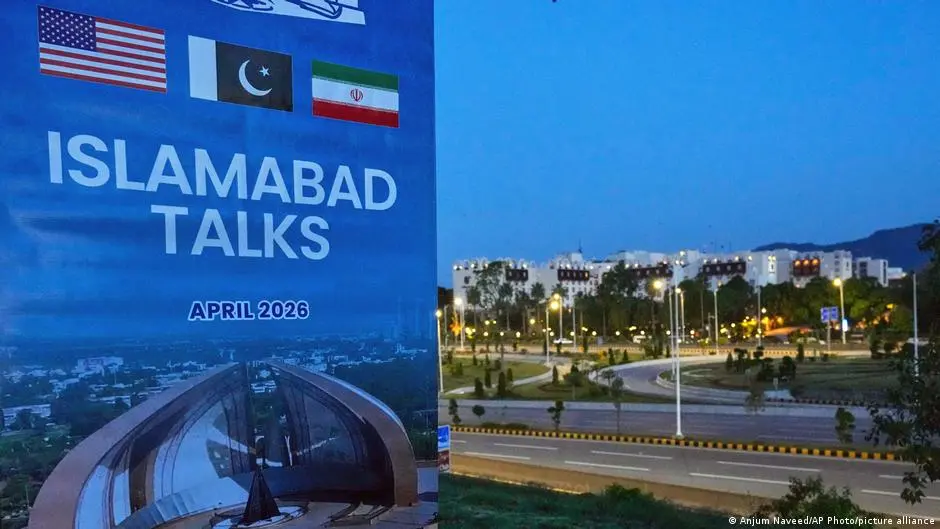
이란과 미국 간의 두 번째 협상 회담이 임박한 가운데, 전문가들은 양측 간의 돌파구가 가능하지만 결코 확실하지는 않다고 말한다.
"테헤란과 거래를 성사시킬 매우 좋은 기회가 있다"고 도널드 트럼프 미국 대통령이 목요일 기자들에게 밝혔다. 미국과 이란 간의 두 번째 회담이 이번 주말에 열리기를 희망하며 중동 분쟁을 종식시키기 위한 것이다.
"그들은 핵 먼지를 돌려주기로 동의했다"고 그는 말했으며, 이는 워싱턴이 핵무기 제조에 사용될 수 있다고 주장하는 이란의 농축 우라늄 비축량을 지칭한 것이다.
트럼프는 또한 이란이 20년 이상 핵무기를 보유하지 않겠다고 제안했다고 주장했다.
"이란은 거래를 하고 싶어한다. 그들은 두 달 전에는 하려 하지 않았던 일들을 오늘 기꺼이 하려 한다"고 미국 대통령은 덧붙였다. "지금 매우 성공적인 협상이 진행 중이다. 성사된다면 상당히 빨리 발표될 것이다."
트럼프는 미국-이란 간 다음 라운드 회담이 주말에 열릴 수 있으며, 2주 휴전 연장이 가능하지만 이란이 거래를 원하기 때문에 필요하지 않을 수도 있다고 말했다.
그는 또한 목요일 레바논에서 합의된 휴전에 대해 긍정적인 평가를 내렸으며, 이스라엘이 이란 연계 헤즈볼라 무장단체와 전투를 벌이고 있는 곳이다.
트럼프는 미국과 이란이 거래에 도달한다면 "유가가 크게 하락하고, 물가가 크게 하락하고, 인플레이션이 크게 하락할 것"이라고 확신한다고 밝혔다.
이 영상을 보려면 자바스크립트를 활성화하고 HTML5 비디오를 지원하는 웹 브라우저로 업그레이드하십시오.
교전 양측 간의 고위험 협상을 중재해 온 파키스탄 측 중재자들은 비밀 외교가 진전을 이루었다고 말한다.
중재 노력에 참여한 파키스탄 소식통은 금요일 로이터 통신에 양측 간의 예정된 회담이 양해각서 서명으로 이어질 수 있으며, 이후 60일 이내에 포괄적 거래가 성사될 수 있다고 전했다.
"양측 모두 원칙적으로 동의하고 있다. 기술적 세부사항은 나중에 다룬다"고 익명의 소식통은 말했다.
한편, 이란에서는 다른 분위기가 형성되고 있는데, 국영 언론은 정부가 이란 국회의장 모하마드 바게르 갈리바프와 그의 협상팀 뒤에 단결해 있으며, 이들이 이란 측에서 회담을 진행하고 있다고 보도했다.
보도는 이를 국가적 단결과 "강화된 힘의 외교"를 반영하는 것으로 묘사했다.
갈리바프는 한편 이슬람 공화국과 레바논의 헤즈볼라 무장조직, 예멘의 후티, 가자지구의 하마스 등 중동 전역의 이란 연계 단체를 포함하는 "저항의 축" 간의 긴밀한 유대를 강조했다. 그는 이들이 전쟁에서든 휴전에서든 "하나의 몸"이라고 강조했다.
이 영상을 보려면 자바스크립트를 활성화하고 HTML5 비디오를 지원하는 웹 브라우저로 업그레이드하십시오.
동시에 이란에서는 회의론이 커지고 있는데, 많은 이들이 워싱턴이 휴전을 이용해 군사적 노력을 강화하고 있다고 믿고 있다.
추가적인 미군 배치에 대한 보도는 그 인상을 강화한다.
따라서 이란 관리들은 잠재적 회담에 "큰 주의"를 기울이고 있으며 군은 어떠한 위협에도 대비되어 있다고 말한다.
양측 간의 깊은 불신은 핵 프로그램뿐만 아니라 호르무즈 해협, 이란에 대한 국제 제재, 테헤란의 지역 대리 세력 지원 등 다른 골치 아픈 문제에 관해서도 합의에 도달하는 것이 특히 어려울 것임을 의미한다.
"이슬라마바드에서의 첫 라운드 협상은 실패한 것으로 보인다"고 독일 국제안보연구소(SWP)의 하미드레자 아지지가 DW에 말했다. "그러나 미국과 이란 측 소식통 모두 적어도 일부 진전이 있었다고 나타내고 있다."
세 가지 문제가 중요하다고 그는 말했다: 호르무즈 해협, 이란의 핵 프로그램, 테헤란의 지역 대리 세력이다.
본 국제분쟁연구소 소장이자 평화·분쟁 연구자인 콘라트 셰터도 이 견해에 동의했다.
"전반적으로 지배적인 인상은 양측이 미국의 요구든 이란의 요구든 핵심 문제에서 더 가까워지지 않았다는 것"이라고 그는 DW에 말했다.
동시에 이 전문가는 덧붙여 최근 어느 정도 수사가 완화되어 적어도 일부 조치의 여지가 열렸다고 말했다.
이란 핵 프로그램의 미래는 핵심 문제로 남아있다. "미국은 이란이 이 물질을 국외로 제거할 것을 요구하고 있다"고 아지지는 농축 우라늄을 언급하며 말했다.
반면 테헤란은 비축량을 줄이려 하지만 점진적으로만 하고, 다시 공격받지 않겠다는 보장과의 교환 조건으로만 하겠다는 입장이다.
셰터는 미국이 목표 달성을 위해 또 다른 군사 행동을 개시하는 것이 거의 현실적이지 않다고 믿지만, 타협에 도달하는 것은 여전히 어렵다고 본다.
일시적 면제가 가능하다고 그는 지적했다. "약 10년에서 12년에 대한 합의가 이루어진다면 그것은 실행 가능한 타협이 될 것이다."
두 번째 주요 쟁점은 호르무즈 해협이다.
이란에게 이는 전략적 지렛대라고 아지지는 말했다. 그러나 서방에게 이 수로는 글로벌 무역의 생명선이다.
셰터는 또한 고립된 사건조차도 "대규모 군사 충돌"을 촉발할 수 있다며 에스컬레이션 위험을 경고했다.
아지지는 합의가 이루어지더라도 양측 간의 근본적 대립은 지속될 것이며, 긴장과 간접적 충돌의 "회색 지대" 형태로 더 가능성이 높다고 말했다.
수많은 글로벌 싱크탱크가 발표한 보고서들도 당분간 지속적인 평화에 대한 기대를 낮췄다.
"회담의 빠르거나 광범위한 진전은 비현실적"이라고 워싱턴 근동정책연구소 전문가들이 썼고, 차텀하우스는 "휴전은 벼랑 끝에서 한 걸음 물러서는 필요한 조치로 환영받을 것"이라고 말했다.
이 영상을 보려면 자바스크립트를 활성화하고 HTML5 비디오를 지원하는 웹 브라우저로 업그레이드하십시오.
그러나 미국과의 협상은 테헤란의 정권을 약화시키지는 않을 것이다. "여기서 어떤 근본적인 개선도 기대하지 않는다"고 셰터는 말했다. 이 정권은 막대한 압력 속에서도 안정을 유지할 수 있음을 보여주었다고 이 전문가는 강조하며, 국내의 가혹한 탄압과 전쟁에서의 회복력이 실제로 이를 강화했다고 덧붙였다.
이란 국민에게 이는 정치적 변화에 대한 희망이 계속 희미해지고 있음을 의미한다고 셰터는 지적했다.
많은 이들이 이 정권은 외부 압력에 관계없이 사실상 전복 불가능하다는 결론에 도달할 가능성이 높다. 동시에 정권의 입증된 행동력과 생존 능력은 억제력으로 작용한다고 그는 말하며, 단기적으로 시민 자유의 증가는 기대하지 말아야 한다고 덧붙였다.
이 기사는 원래 독일어로 작성되었다.
"그들은 핵 먼지를 돌려주기로 동의했다"고 그는 말했으며, 이는 워싱턴이 핵무기 제조에 사용될 수 있다고 주장하는 이란의 농축 우라늄 비축량을 지칭한 것이다.
트럼프는 또한 이란이 20년 이상 핵무기를 보유하지 않겠다고 제안했다고 주장했다.
"이란은 거래를 하고 싶어한다. 그들은 두 달 전에는 하려 하지 않았던 일들을 오늘 기꺼이 하려 한다"고 미국 대통령은 덧붙였다. "지금 매우 성공적인 협상이 진행 중이다. 성사된다면 상당히 빨리 발표될 것이다."
트럼프는 미국-이란 간 다음 라운드 회담이 주말에 열릴 수 있으며, 2주 휴전 연장이 가능하지만 이란이 거래를 원하기 때문에 필요하지 않을 수도 있다고 말했다.
그는 또한 목요일 레바논에서 합의된 휴전에 대해 긍정적인 평가를 내렸으며, 이스라엘이 이란 연계 헤즈볼라 무장단체와 전투를 벌이고 있는 곳이다.
트럼프는 미국과 이란이 거래에 도달한다면 "유가가 크게 하락하고, 물가가 크게 하락하고, 인플레이션이 크게 하락할 것"이라고 확신한다고 밝혔다.
이 영상을 보려면 자바스크립트를 활성화하고 HTML5 비디오를 지원하는 웹 브라우저로 업그레이드하십시오.
교전 양측 간의 고위험 협상을 중재해 온 파키스탄 측 중재자들은 비밀 외교가 진전을 이루었다고 말한다.
중재 노력에 참여한 파키스탄 소식통은 금요일 로이터 통신에 양측 간의 예정된 회담이 양해각서 서명으로 이어질 수 있으며, 이후 60일 이내에 포괄적 거래가 성사될 수 있다고 전했다.
"양측 모두 원칙적으로 동의하고 있다. 기술적 세부사항은 나중에 다룬다"고 익명의 소식통은 말했다.
한편, 이란에서는 다른 분위기가 형성되고 있는데, 국영 언론은 정부가 이란 국회의장 모하마드 바게르 갈리바프와 그의 협상팀 뒤에 단결해 있으며, 이들이 이란 측에서 회담을 진행하고 있다고 보도했다.
보도는 이를 국가적 단결과 "강화된 힘의 외교"를 반영하는 것으로 묘사했다.
갈리바프는 한편 이슬람 공화국과 레바논의 헤즈볼라 무장조직, 예멘의 후티, 가자지구의 하마스 등 중동 전역의 이란 연계 단체를 포함하는 "저항의 축" 간의 긴밀한 유대를 강조했다. 그는 이들이 전쟁에서든 휴전에서든 "하나의 몸"이라고 강조했다.
이 영상을 보려면 자바스크립트를 활성화하고 HTML5 비디오를 지원하는 웹 브라우저로 업그레이드하십시오.
동시에 이란에서는 회의론이 커지고 있는데, 많은 이들이 워싱턴이 휴전을 이용해 군사적 노력을 강화하고 있다고 믿고 있다.
추가적인 미군 배치에 대한 보도는 그 인상을 강화한다.
따라서 이란 관리들은 잠재적 회담에 "큰 주의"를 기울이고 있으며 군은 어떠한 위협에도 대비되어 있다고 말한다.
양측 간의 깊은 불신은 핵 프로그램뿐만 아니라 호르무즈 해협, 이란에 대한 국제 제재, 테헤란의 지역 대리 세력 지원 등 다른 골치 아픈 문제에 관해서도 합의에 도달하는 것이 특히 어려울 것임을 의미한다.
"이슬라마바드에서의 첫 라운드 협상은 실패한 것으로 보인다"고 독일 국제안보연구소(SWP)의 하미드레자 아지지가 DW에 말했다. "그러나 미국과 이란 측 소식통 모두 적어도 일부 진전이 있었다고 나타내고 있다."
세 가지 문제가 중요하다고 그는 말했다: 호르무즈 해협, 이란의 핵 프로그램, 테헤란의 지역 대리 세력이다.
본 국제분쟁연구소 소장이자 평화·분쟁 연구자인 콘라트 셰터도 이 견해에 동의했다.
"전반적으로 지배적인 인상은 양측이 미국의 요구든 이란의 요구든 핵심 문제에서 더 가까워지지 않았다는 것"이라고 그는 DW에 말했다.
동시에 이 전문가는 덧붙여 최근 어느 정도 수사가 완화되어 적어도 일부 조치의 여지가 열렸다고 말했다.
이란 핵 프로그램의 미래는 핵심 문제로 남아있다. "미국은 이란이 이 물질을 국외로 제거할 것을 요구하고 있다"고 아지지는 농축 우라늄을 언급하며 말했다.
반면 테헤란은 비축량을 줄이려 하지만 점진적으로만 하고, 다시 공격받지 않겠다는 보장과의 교환 조건으로만 하겠다는 입장이다.
셰터는 미국이 목표 달성을 위해 또 다른 군사 행동을 개시하는 것이 거의 현실적이지 않다고 믿지만, 타협에 도달하는 것은 여전히 어렵다고 본다.
일시적 면제가 가능하다고 그는 지적했다. "약 10년에서 12년에 대한 합의가 이루어진다면 그것은 실행 가능한 타협이 될 것이다."
두 번째 주요 쟁점은 호르무즈 해협이다.
이란에게 이는 전략적 지렛대라고 아지지는 말했다. 그러나 서방에게 이 수로는 글로벌 무역의 생명선이다.
셰터는 또한 고립된 사건조차도 "대규모 군사 충돌"을 촉발할 수 있다며 에스컬레이션 위험을 경고했다.
아지지는 합의가 이루어지더라도 양측 간의 근본적 대립은 지속될 것이며, 긴장과 간접적 충돌의 "회색 지대" 형태로 더 가능성이 높다고 말했다.
수많은 글로벌 싱크탱크가 발표한 보고서들도 당분간 지속적인 평화에 대한 기대를 낮췄다.
"회담의 빠르거나 광범위한 진전은 비현실적"이라고 워싱턴 근동정책연구소 전문가들이 썼고, 차텀하우스는 "휴전은 벼랑 끝에서 한 걸음 물러서는 필요한 조치로 환영받을 것"이라고 말했다.
이 영상을 보려면 자바스크립트를 활성화하고 HTML5 비디오를 지원하는 웹 브라우저로 업그레이드하십시오.
그러나 미국과의 협상은 테헤란의 정권을 약화시키지는 않을 것이다. "여기서 어떤 근본적인 개선도 기대하지 않는다"고 셰터는 말했다. 이 정권은 막대한 압력 속에서도 안정을 유지할 수 있음을 보여주었다고 이 전문가는 강조하며, 국내의 가혹한 탄압과 전쟁에서의 회복력이 실제로 이를 강화했다고 덧붙였다.
이란 국민에게 이는 정치적 변화에 대한 희망이 계속 희미해지고 있음을 의미한다고 셰터는 지적했다.
많은 이들이 이 정권은 외부 압력에 관계없이 사실상 전복 불가능하다는 결론에 도달할 가능성이 높다. 동시에 정권의 입증된 행동력과 생존 능력은 억제력으로 작용한다고 그는 말하며, 단기적으로 시민 자유의 증가는 기대하지 말아야 한다고 덧붙였다.
이 기사는 원래 독일어로 작성되었다.
처리 완료
183 tokens · $0.0003
기사 수집 완료 · 23:45
매체 피드에서 기사 메타데이터 수집
헤드라인 번역 완료 · 23:56
제목/요약 한국어 번역 (fetch 시점 inline)
kimi-k2.5
183 tokens
$0.00034
3.0s
본문 추출 완료
6,483자 추출 완료
본문 한국어 번역 완료 · 23:56
3,044자 번역 완료
지정학적 엔티티 추출 완료 · 23:56
8개 엔티티 추출 완료
지정학적 맥락 & R-Scanner
R-Scanner · 상승
z=1.37
평소보다 보도량이 증가 추세 — 기준: Iran
(🇮🇷 IR)
최근 6시간 101건
7일 평균 88.07건 / 6h
12개국 매체
19개 매체
본문에서 추출된 지명 (8)
Iran
🇮🇷
United States
🇺🇸
Lebanon
🇱🇧
Pakistan
🇵🇰
Strait of Hormuz
🇮🇷
Yemen
🇾🇪
Gaza Strip
🇵🇸
Islamabad
🇵🇰
위치 지도
지도 로딩 중…
같은 주제의 다른 기사 (최근 7일)
Amid talk of a second round of negotiations between Iran and the US, experts say a breakthrough between the two sides is possible, but far from certain.
"There's a very good chance we're going to make a deal" with Tehran, US President Donald Trump told reporters on Thursday amid hopes for a second round of talks between the United States and Iran this weekend aimed at ending the Middle East conflict."They've agreed to give us back the nuclear dust," he said, referring to Iran's enriched uranium stockpile that Washington says could be used for building nuclear weapons.
Trump also claimed that Iran had offered not to possess nuclear weapons for more than 20 years.
"Iran wants to make a deal. They are willing to do things today that they weren't willing to do two months ago," the US president added. "We have a very successful negotiation going on right now. If it happens, it will be announced fairly soon."
Trump said the next round of US-Iran talks could take place at the weekend, and an extension of a two-week ceasefire was possible, but might not be needed as Tehran wanted a deal.
He also gave a positive assessment of the ceasefire that was agreed on Thursday in Lebanon, where Israel is fighting the Iran-aligned Hezbollah militant group.
Trump said he was confident that if the US and Iran reach a deal, "oil goes way down, prices go way down, inflation goes way down."
To view this video please enable JavaScript, and consider upgrading to a web browser that supports HTML5 video
Pakistani mediators, who have been facilitating the high-stakes negotiations between the warring sides, say backdoor diplomacy has achieved progress.
A Pakistani source involved in the mediation efforts told the Reuters news agency on Friday that an upcoming meeting between the two sides could result in the signing of a memorandum of understanding, followed by a comprehensive deal within 60 days.
"Both sides are agreeing in principle. And technical bits come later," said the unnamed source.
Meanwhile, a different tone is emerging from Iran, with state media reporting that the government is united behind the speaker of Iran's parliament, Mohammad Bagher Ghalibaf, and his negotiating team, who are conducting the talks from the Iranian side.
The coverage has portrayed it as reflecting national unity and a "diplomacy of enhanced strength."
Ghalibaf, meanwhile, has emphasized the close ties between the Islamic Republic and its "axis of resistance," which includes Iran-allied groups across the Middle East such as the Hezbollah militant outfit in Lebanon, the Houthis in Yemen, and Hamas in the Gaza Strip. They are "one body," in war as in ceasefire, he stressed.
To view this video please enable JavaScript, and consider upgrading to a web browser that supports HTML5 video
At the same time, skepticism is growing in Iran, where many believe Washington is using the ceasefire to step up its military efforts.
Reports of further US troop deployments reinforce that impression.
Iranian officials, therefore, say they are approaching potential talks with "great caution" and that the military is prepared to tackle any threats.
The deep mistrust between the two sides means reaching an agreement would be particularly challenging, not only concerning the nuclear program but also on other thorny issues like the Strait of Hormuz, international sanctions against Iran and Tehran's support for its regional proxies.
"The first round of negotiations in Islamabad appears to have failed," Hamidreza Azizi of the German Institute for International and Security Affairs (SWP), told DW. "However, both American and Iranian sources indicate that at least some progress has been made."
Three issues are crucial, he said: the Strait of Hormuz, Iran's nuclear program and Tehran's regional proxies.
Conrad Schetter, a peace and conflict researcher and director of the Bonn International Center for Conflict Studies, echoed this view.
"Overall, the prevailing impression is that the two sides have not moved any closer on key issues, neither regarding the US demands nor those of Iran," he told DW.
At the same time, the expert added, there has recently been a certain easing of rhetoric, which at least opens up some room to maneuver.
The future of Iran's nuclear program remains the core issue. "The US is demanding that Iran remove this material from the country," said Azizi, referring to the enriched uranium.
Tehran, on the other hand, is willing to reduce its stockpiles, but only gradually — and only in exchange for guarantees that it won't be attacked again.
Schetter believes it's hardly realistic for the US to launch another military action to achieve its goals, but reaching a compromise remains difficult.
A temporary waiver is conceivable, he noted. "If an agreement could be reached for about 10 to 12 years, that would likely be a viable compromise."
A second key point of contention is the Strait of Hormuz.
For Iran, it is a strategic lever, said Azizi. For the West, however, the waterway is a lifeline for global trade.
Schetter also warned of the risk of escalation, saying that even isolated incidents could trigger "a major military conflict."
Azizi said even if an agreement is reached, the fundamental confrontation between the two sides will persist, more likely in the form of a "gray zone" of tensions and indirect conflicts.
Reports published by a host of global think tanks have also dampened expectations of a lasting peace anytime soon.
"Fast or broad progress in the talks is unrealistic,” wrote experts at the Washington Institute for Near East Policy, while Chatham House said, "the ceasefire will be welcomed as a necessary step back from the brink."
To view this video please enable JavaScript, and consider upgrading to a web browser that supports HTML5 video
The negotiations with the US, however, are unlikely to weaken the regime in Tehran. "I don't expect any fundamental improvements here," said Schetter. The regime has shown that it can remain stable even under massive pressure, the expert underlined, adding that the harsh repression at home and its resilience in the war have actually strengthened it.
For the Iranian people, this means that hope for political change continues to fade, Schetter noted.
Many are likely to conclude that this regime is virtually impossible to overthrow — regardless of external pressure. At the same time, the regime's demonstrated ability to act and survive serves as a deterrent, he said, adding that no increase in civil liberties should be expected in the short term.
This article was originally written in German