아미노믹스 내부: BTS의 경제적 효과는 얼마나 지속될까?
Inside Army-nomics: How long will BTS bonanza last?
The Korea Herald
· 🇰🇷 Seoul, KR
Choi Jeong-yoon
EN
2026-04-16 10:06
Translated
BTS 효과 덕에 1분기 한국 외국인 방문객 23% 증가, 역대 최고 기록 경신
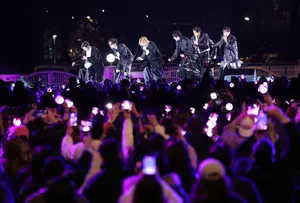
지난 토요일, 첫 코드가 광화문 광장에 울려 퍼지고 보라색 응원봉 바다가 일제히 맥동하자, 수천 명의 팬들과 전 세계 온라인으로 시청하는 수백만 명이 BTS의 기대 속에 열린 컴백 콘서트에 대한 애정을 외쳤다.
우연한 관찰자에게는 대중문화 지배력의 화려한 진열대였다. 경제학자들에게 광화문의 집회는 거시경제적 강력한 힘의 실시간 시연이었다. 팬들이 호텔을 가득 메우고 지역 식당을 북적이게 하며 며칠 만에 수백만 달러를 지역 경제에 쏟아부었기 때문이다.
한국이 문화 수출을 적극적으로 활용하는 가운데, BTS의 충성스러운 글로벌 팬덤이 주도하는 '아미노믹스'의 엄청난 규모가 금융계에 의문을 제기했다.
이 대중적 음악 그룹은 연간 수조 원의 수익을 기록하며 한국의 주요 대기업들과 어깨를 나란히 한다. 현대경제연구원은 2018년 BTS가 한국 경제에 5,560억 원(36억 9천만 달러)을 창출할 것으로 추산했는데, 이는 당해 해당 국가 국내총생산의 거의 0.3%에 해당했다.
분석가들은 이 전례 없는 팬덤 경제가 글로벌 상거래의 구조적 전환을 나타내는 것인지, 아니면 터질 준비를 하는 문화적 거품인지 묻고 있다.
컴백 경제학
BTS 콘서트의 금융적 발자국은 티켓 판매를 훨씬 넘어선다. 브랜다이스 대학 학자 핀지에 류가 발표한 연구에 따르면, 서울에서 열리는 주요 BTS 행사의 경제적 파급력은 놀랍다. 2019년 그룹의 "Love Yourself: Speak Yourself" 피날레를 기준으로 볼 때, 서울 콘서트의 직접적인 경제적 영향은 약 3,307억 원 수준이다.
그러나 관광 급증, 주변 상품, 지역 기업 파트너십 등 간접적 영향을 고려하면 5년 기간 동안 단일 콘서트 시리즈가 창출하는 총 경제적 가치는 무려 9,229억 원에 달한다.
한국문화관광연구원은 다가오는 34개 도시 투어가 공연당 1.2조 원을 창출할 것으로 추산했다. 가디언은 경제학자들이 북미 투어만으로도 수십조 원을 창출할 것으로 예상하며, 이는 테일러 스위프트의 60회 북미 투어가 창출한 약 46억 달러를 크게 상회할 것이라고 보도했다.
토요일 콘서트 당일 일부 지역 상인들은 비빔밥과 라면 판매 급증을 보고했으나, 공연과 관련한 외국 자본 유입의 정확한 수치는 아직 공식적으로 존재하지 않는다. 다만 당일 1,840만 명의 시청자가 넷플릭스를 통해 콘서트를 시청했다는 점은 BTS의 글로벌 인기를 보여주는 증거다.
거품인가, 장기적인 미래인가?
그룹의 금융적 영향이 장기적으로 지속될 수 있을지에 대한 의문이 남아있다. 금융 분석가들 사이의 주요 우려는 기업 재무에서 '핵심 인물 리스크'라고 불리는 것으로, 극소수 개인에 대한 극도의 의존이다.
데이터에 따르면 BTS 소속사 하이브의 성공 상당 부분은 시가총액 기준 가장 가치 있는 엔터테인먼트 회사로, 이 7인조 그룹에 달려 있다.
NH투자증권 데이터에 따르면 BTS는 2021년 한 해에만 약 8,800억 원의 매출을 창출했다. 이는 소속사 하이브 전체 수익의 약 70%를 차지했다. 2020년에는 이 비율이 더 높아 거의 92%에 달했다.
이러한 과도한 집중이 전통적 투자자들 사이에서 '거품' 경고를 유발하는 것이다. 7명의 개인에 깊이 의존하는 경제나 기업 가치는 본질적으로 중단에 취약하다.
한국 시장은 멤버들의 의무 복무와 관련한 불확실성이 엔터테인먼트 주식의 대폭적인 변동을 일으켰고, 명확한 일정이 확정된 후에야 안정화되었을 때 이러한 변동성을 직접 경험했다.
또한 류의 논문이 지적했듯, 대통령 특사 역할 등 그룹의 국가 주도 외교에의 통합은 우연히 그들의 상업적 자유를 제한할 수 있다.
"외교적 임무의 무거운 부담과 흠 없는 정치적 입장을 유지해야 하는 압박은 궁극적으로 그들의 독립적인 예술가로서의 발전을 제한하여, 그들의 제국을 건설한 바로 그 유기적인 글로벌 매력을 식게 할 수 있다"고 논문은 말했다.
그럼에도 일부는 BTS 모델이 투기적 거품과 근본적으로 다르다고 주장한다. 그들은 그 기반이 장기적인 팬 관계에 있다고 말한다.
팬덤 행동에 대한 연구는 끊임없는 디지털 상호작용을 통해 형성된 의사사회적 유대가 예술가뿐만 아니라 한국 자체에 대한 지속적인 참여로 전환된다는 것을 보여준다.
팬들은 종종 반복 방문객, 한국 미디어 소비자로 진화하여 단일 발매나 투어를 훨씬 넘어 경제적 수명을 연장한다.
"BTS 팬들이 BTS를 친한 친구로 여길수록, 그들은 한국에 대해 더 친숙하고 가까움을 느낀다"고 이화여대 커뮤니케이션학과 김수진 교수가 설명했다.
이 현상을 측정하기 위해 김 교수와 연구팀은 195명의 미국 BTS 팬을 대상으로 심층 설문조사를 실시하여 소셜 미디어 사용과 참여를 분석해 그들의 밴드와의 관계가 어떻게 한국에 대한 인식을 직접 개선했는지 이해했다.
"BTS는 전 세계 팬들과 소통하기 위해 소셜 미디어를 사용하여 장기적인 유대를 만드는 반사회적 관계를 형성한다"고 김 교수는 말했다.
"이는 세계에서 한국의 이미지를 개선하는 데 도움이 된다. 우리 연구는 BTS 팬덤이 한국의 외교 활동에서 핵심 자원이 될 수 있음을 확인했다. 중앙 및 지방 정부가 BTS와 다른 K팝 스타를 활용하면 좋은 홍보 결과를 낼 수 있다는 것이 학술적으로 입증되었다."
지속 가능한 유산
바로 이러한 반사회적 유대가 BTS의 경제적, 문화적 유산을 확고히 하여 전통적인 경제적 '거품' 모델에 저항한다. 투기적 금융 거품은 터지면 아무것도 남기지 않지만, 팬덤 경제는 커뮤니티 구축과 문화 통합에 의해 주도된다고 전문가들은 설명한다.
이 이론에 따르면 음악을 위해 도착한 팬들은 종종 문화를 위해 머물고, 한국어를 배우고, 글로벌 방송에서 멤버들이 입는 것을 보고 현대화된 한복을 구매하며, 무대 조명이 꺼진 후에도 한국 미디어를 소비한다.
이 영향의 메커니즘은 전통적인 산업과 다르다. 공급망이나 자본 투자가 아닌, BTS의 경제 엔진은 일부 연구자들이 '정서적 인프라'라고 묘사하는 것에 의해 주도된다.
이 이론에서 팬들은 단순한 소비자가 아니다. 그들은 공유된 정체성의 참여자로서 콘서트, 여행, 음식, 패션, 언어 학습 등 여러 카테고리에 걸쳐 지출할 의사가 있다. 이는 이례적으로 탄력적이고 가격에 둔감한 수요를 창출한다.
"그들은 공유된 문화적 정체성에 참여하기 위해 프리미엄을 지불한다. 이는 일반적인 소비재에 비해 수요가 매우 비탄력적이게 만든다"고 홍익대 경제학과 김선영 교수가 말했다.
"따라서 진정한 시험은 BTS가 경제적 영향을 창출하는지 여부가 아니라 그 영향을 제도화할 수 있는지 여부"라고 김 교수는 설명했다.
"한국이 '보라색 파급 효과'를 다양화된 문화 경제로 전환할 수 있는가? 아니면 여전히 너무 많은 것이 한 그룹의 지속적인 모멘텀에 의존하는가? 한국이 직면한 과제는 이제 BTS가 구축한 문화 인프라가 다른 세대의 K팝 음악 이후에도 경제를 지속할 수 있도록 하는 방법이다."
우연한 관찰자에게는 대중문화 지배력의 화려한 진열대였다. 경제학자들에게 광화문의 집회는 거시경제적 강력한 힘의 실시간 시연이었다. 팬들이 호텔을 가득 메우고 지역 식당을 북적이게 하며 며칠 만에 수백만 달러를 지역 경제에 쏟아부었기 때문이다.
한국이 문화 수출을 적극적으로 활용하는 가운데, BTS의 충성스러운 글로벌 팬덤이 주도하는 '아미노믹스'의 엄청난 규모가 금융계에 의문을 제기했다.
이 대중적 음악 그룹은 연간 수조 원의 수익을 기록하며 한국의 주요 대기업들과 어깨를 나란히 한다. 현대경제연구원은 2018년 BTS가 한국 경제에 5,560억 원(36억 9천만 달러)을 창출할 것으로 추산했는데, 이는 당해 해당 국가 국내총생산의 거의 0.3%에 해당했다.
분석가들은 이 전례 없는 팬덤 경제가 글로벌 상거래의 구조적 전환을 나타내는 것인지, 아니면 터질 준비를 하는 문화적 거품인지 묻고 있다.
컴백 경제학
BTS 콘서트의 금융적 발자국은 티켓 판매를 훨씬 넘어선다. 브랜다이스 대학 학자 핀지에 류가 발표한 연구에 따르면, 서울에서 열리는 주요 BTS 행사의 경제적 파급력은 놀랍다. 2019년 그룹의 "Love Yourself: Speak Yourself" 피날레를 기준으로 볼 때, 서울 콘서트의 직접적인 경제적 영향은 약 3,307억 원 수준이다.
그러나 관광 급증, 주변 상품, 지역 기업 파트너십 등 간접적 영향을 고려하면 5년 기간 동안 단일 콘서트 시리즈가 창출하는 총 경제적 가치는 무려 9,229억 원에 달한다.
한국문화관광연구원은 다가오는 34개 도시 투어가 공연당 1.2조 원을 창출할 것으로 추산했다. 가디언은 경제학자들이 북미 투어만으로도 수십조 원을 창출할 것으로 예상하며, 이는 테일러 스위프트의 60회 북미 투어가 창출한 약 46억 달러를 크게 상회할 것이라고 보도했다.
토요일 콘서트 당일 일부 지역 상인들은 비빔밥과 라면 판매 급증을 보고했으나, 공연과 관련한 외국 자본 유입의 정확한 수치는 아직 공식적으로 존재하지 않는다. 다만 당일 1,840만 명의 시청자가 넷플릭스를 통해 콘서트를 시청했다는 점은 BTS의 글로벌 인기를 보여주는 증거다.
거품인가, 장기적인 미래인가?
그룹의 금융적 영향이 장기적으로 지속될 수 있을지에 대한 의문이 남아있다. 금융 분석가들 사이의 주요 우려는 기업 재무에서 '핵심 인물 리스크'라고 불리는 것으로, 극소수 개인에 대한 극도의 의존이다.
데이터에 따르면 BTS 소속사 하이브의 성공 상당 부분은 시가총액 기준 가장 가치 있는 엔터테인먼트 회사로, 이 7인조 그룹에 달려 있다.
NH투자증권 데이터에 따르면 BTS는 2021년 한 해에만 약 8,800억 원의 매출을 창출했다. 이는 소속사 하이브 전체 수익의 약 70%를 차지했다. 2020년에는 이 비율이 더 높아 거의 92%에 달했다.
이러한 과도한 집중이 전통적 투자자들 사이에서 '거품' 경고를 유발하는 것이다. 7명의 개인에 깊이 의존하는 경제나 기업 가치는 본질적으로 중단에 취약하다.
한국 시장은 멤버들의 의무 복무와 관련한 불확실성이 엔터테인먼트 주식의 대폭적인 변동을 일으켰고, 명확한 일정이 확정된 후에야 안정화되었을 때 이러한 변동성을 직접 경험했다.
또한 류의 논문이 지적했듯, 대통령 특사 역할 등 그룹의 국가 주도 외교에의 통합은 우연히 그들의 상업적 자유를 제한할 수 있다.
"외교적 임무의 무거운 부담과 흠 없는 정치적 입장을 유지해야 하는 압박은 궁극적으로 그들의 독립적인 예술가로서의 발전을 제한하여, 그들의 제국을 건설한 바로 그 유기적인 글로벌 매력을 식게 할 수 있다"고 논문은 말했다.
그럼에도 일부는 BTS 모델이 투기적 거품과 근본적으로 다르다고 주장한다. 그들은 그 기반이 장기적인 팬 관계에 있다고 말한다.
팬덤 행동에 대한 연구는 끊임없는 디지털 상호작용을 통해 형성된 의사사회적 유대가 예술가뿐만 아니라 한국 자체에 대한 지속적인 참여로 전환된다는 것을 보여준다.
팬들은 종종 반복 방문객, 한국 미디어 소비자로 진화하여 단일 발매나 투어를 훨씬 넘어 경제적 수명을 연장한다.
"BTS 팬들이 BTS를 친한 친구로 여길수록, 그들은 한국에 대해 더 친숙하고 가까움을 느낀다"고 이화여대 커뮤니케이션학과 김수진 교수가 설명했다.
이 현상을 측정하기 위해 김 교수와 연구팀은 195명의 미국 BTS 팬을 대상으로 심층 설문조사를 실시하여 소셜 미디어 사용과 참여를 분석해 그들의 밴드와의 관계가 어떻게 한국에 대한 인식을 직접 개선했는지 이해했다.
"BTS는 전 세계 팬들과 소통하기 위해 소셜 미디어를 사용하여 장기적인 유대를 만드는 반사회적 관계를 형성한다"고 김 교수는 말했다.
"이는 세계에서 한국의 이미지를 개선하는 데 도움이 된다. 우리 연구는 BTS 팬덤이 한국의 외교 활동에서 핵심 자원이 될 수 있음을 확인했다. 중앙 및 지방 정부가 BTS와 다른 K팝 스타를 활용하면 좋은 홍보 결과를 낼 수 있다는 것이 학술적으로 입증되었다."
지속 가능한 유산
바로 이러한 반사회적 유대가 BTS의 경제적, 문화적 유산을 확고히 하여 전통적인 경제적 '거품' 모델에 저항한다. 투기적 금융 거품은 터지면 아무것도 남기지 않지만, 팬덤 경제는 커뮤니티 구축과 문화 통합에 의해 주도된다고 전문가들은 설명한다.
이 이론에 따르면 음악을 위해 도착한 팬들은 종종 문화를 위해 머물고, 한국어를 배우고, 글로벌 방송에서 멤버들이 입는 것을 보고 현대화된 한복을 구매하며, 무대 조명이 꺼진 후에도 한국 미디어를 소비한다.
이 영향의 메커니즘은 전통적인 산업과 다르다. 공급망이나 자본 투자가 아닌, BTS의 경제 엔진은 일부 연구자들이 '정서적 인프라'라고 묘사하는 것에 의해 주도된다.
이 이론에서 팬들은 단순한 소비자가 아니다. 그들은 공유된 정체성의 참여자로서 콘서트, 여행, 음식, 패션, 언어 학습 등 여러 카테고리에 걸쳐 지출할 의사가 있다. 이는 이례적으로 탄력적이고 가격에 둔감한 수요를 창출한다.
"그들은 공유된 문화적 정체성에 참여하기 위해 프리미엄을 지불한다. 이는 일반적인 소비재에 비해 수요가 매우 비탄력적이게 만든다"고 홍익대 경제학과 김선영 교수가 말했다.
"따라서 진정한 시험은 BTS가 경제적 영향을 창출하는지 여부가 아니라 그 영향을 제도화할 수 있는지 여부"라고 김 교수는 설명했다.
"한국이 '보라색 파급 효과'를 다양화된 문화 경제로 전환할 수 있는가? 아니면 여전히 너무 많은 것이 한 그룹의 지속적인 모멘텀에 의존하는가? 한국이 직면한 과제는 이제 BTS가 구축한 문화 인프라가 다른 세대의 K팝 음악 이후에도 경제를 지속할 수 있도록 하는 방법이다."
처리 완료
149 tokens · $0.0003
기사 수집 완료 · 10:06
매체 피드에서 기사 메타데이터 수집
헤드라인 번역 완료 · 10:18
제목/요약 한국어 번역 (fetch 시점 inline)
kimi-k2.5
149 tokens
$0.00027
4.8s
본문 추출 완료
7,251자 추출 완료
본문 한국어 번역 완료 · 10:18
3,382자 번역 완료
지정학적 엔티티 추출 완료 · 10:18
6개 엔티티 추출 완료
지정학적 맥락 & R-Scanner
R-Scanner · 핫스팟
z=1.73
평소보다 훨씬 많은 매체가 집중 보도 중 — 기준: South Korea
(🇰🇷 KR)
최근 6시간 18건
7일 평균 11.82건 / 6h
4개국 매체
5개 매체
본문에서 추출된 지명 (6)
위치 지도
지도 로딩 중…
같은 주제의 다른 기사 (최근 7일)
S. Korea hits record Q1 foreign arrivals, up 23% on-year amid BTS boost
When the first chords echoed across Gwanghwamun Square and a sea of purple light sticks pulsed in unison, thousands of fans in attendance and millions more watching online across the globe roared their affection at BTS’ highly anticipated comeback concert last SaturdayTo the casual observer, it was a spectacular display of pop culture dominance. To economists, the gathering at Gwanghwamun was a live demonstration of a macroeconomic powerhouse, as fans packed hotels, flooded local restaurants, pouring millions of dollars into the local economy in a matter of days.
As South Korea continues to aggressively leverage its cultural exports, the sheer scale of "Army-nomics" — driven by BTS’ fiercely loyal global fanbase — has prompted questions in financial circles.
The massively popular musical act records trillions of won in annual revenue, putting it on par with some of South Korea's major conglomerates. Hyundai Research Institute in 2018 estimated that BTS is expected to generate 5.56 billion won ($3.69 billion) in the Korean economy, which was nearly 0.3 percent of the country's gross domestic product that year.
Analysts now ask whether this unprecedented fandom economy represents a structural shift in global commerce or a cultural bubble waiting to burst.
Comeback economics
The financial footprint of a BTS concert extends far beyond ticket sales. According to research published by Brandeis University scholar Pinjie Lyu, the economic ripples of a major BTS event in Seoul are staggering. Looking back at the group's 2019 "Love Yourself: Speak Yourself" finale as a baseline, the direct economic impact of a Seoul concert hovers around 330.7 billion won.
However, when factoring in the indirect impacts — such as tourism surges, peripheral merchandise, and local business partnerships — the total economic value generated over a five-year window approaches a massive 922.9 billion won for a single concert series.
The Korea Culture and Tourism Institute estimated the upcoming 34-city tour will yield 1.2 trillion won per show. The Guardian reported that economists anticipate the North American leg alone will generate tens of trillions of won, significantly exceeding Taylor Swift's 60-date North American tour, which generated about $4.6 billion.
During Saturday’s concert, some local vendors reported a surge in sales of bibimbap and ramyeon, although no official figure exists yet for the exact influx of foreign capital regarding the performance. It was reported, however, that 18.4 million viewers watched the concert via Netflix that day, a testament to the global popularity of BTS.
Bubble or long-lasting future?
Questions remain over whether the financial impact of the group can last long term. The primary concern among financial analysts is what corporate finance calls "key-man risk" — an extreme reliance on a few individuals.
The data shows that much of the success enjoyed by BTS’ agency Hybe, the most valuable entertainment company by market capitalization, lies in the seven-person group.
According to NH Investment & Securities data, BTS generated about 880 billion won in sales in 2021 alone. This accounted for about 70 percent of their agency HYBE’s total revenue. In 2020, that proportion was even higher, reaching nearly 92 percent.
This heavy concentration is what triggers "bubble" warnings among traditional investors. An economy or corporate valuation deeply reliant on seven individuals is inherently vulnerable to disruption.
The South Korean market witnessed this volatility firsthand when uncertainties surrounding the members' mandatory military service caused massive fluctuations in entertainment stocks, only stabilizing once clear timelines were established.
Furthermore, as Lyu's paper points out, the group's integration into South Korea's state-sponsored diplomacy — such as their roles as presidential envoys — could inadvertently limit their commercial freedom.
“The heavy burden of diplomatic duties and the pressure to maintain a spotless political stance could eventually constrain their development as independent artists, potentially cooling the very organic global appeal that built their empire,” the paper said.
Still, some argue that the BTS model is fundamentally different from a speculative bubble. They say its foundation lies in long-term fan relationships.
Research on fandom behavior shows that parasocial bonds — formed through constant digital interaction — translate into durable engagement not just with the artists, but with Korea itself.
Fans often evolve into repeat visitors, consumers of Korean media, extending the economic lifecycle far beyond any single release or tour.
"The more BTS fans regard BTS as close friends, they feel more familiar with and close to Korea," explained Kim Su-jin, a communication professor at Ewha Womans University.
To measure this phenomenon, Kim and her research team conducted an in-depth survey of 195 American BTS fans, analyzing their social media usage and participation to understand how their relationship with the band directly improved their perception of Korea.
"BTS uses social media to interact with fans around, forging a semi-social relationship that creates a long-term bond," Kim said.
"This helps improve Korea’s image in the world. Our study confirmed that BTS fandom can be a key resource in Korea’s diplomatic activities. It has been academically proven that the central and local government’s leveraging of BTS and other K-pop stars can produce good publicity results."
Sustainable legacy
It is this semi-social bond that cements BTS' economic and cultural legacy, resisting traditional economic "bubble" models. A speculative financial bubble pops and leaves nothing behind, but the fandom economy is driven by community building and cultural integration, experts explain.
According to this theory, the fans who arrive for the music often stay for the culture, learn the Korean language, purchase modernized hanbok after seeing the members wear them on global broadcasts, and consume Korean media long after the stage lights go down.
The mechanism behind this impact differs from traditional industries. Rather than supply chains or capital investment, BTS’ economic engine is driven by what some researchers describe as “emotional infrastructure.”
In this theory, the fans are not simply consumers; they are participants in a shared identity, willing to spend across multiple categories, including concerts, travel, food, fashion, and language learning. This creates unusually resilient and price-insensitive demand
"They are paying a premium to participate in a shared cultural identity. That makes the demand highly inelastic compared to typical consumer goods," said Kim Sun-young, economy professor at Hongik University.
"The real test, then, is not whether BTS generates economic impact but whether that impact can be institutionalized," Kim explained.
"Can South Korea convert 'purple ripple effects' into a diversified cultural economy? Or does too much still depend on the continued momentum of one group? The challenge for South Korea now is how to ensure the cultural infrastructure BTS built can sustain the economy long after other generations of K-pop music."