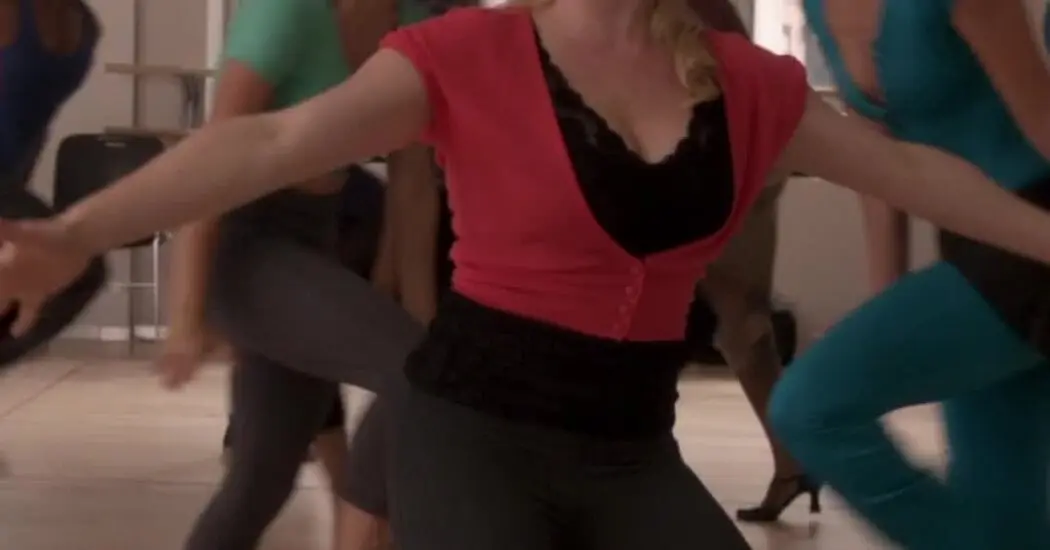
'스매시', '아메리칸 클래식' 같은 TV 시리즈가 연극을 묘사하는 방식은 꽤나 드라마틱하다
How TV Series Like ‘Smash’ and ‘American Classic’ Portray Theater Is Quite a Drama
The New York Times
· 🇺🇸 New York, US
Jesse Green
EN
2026-04-17 18:02
Translated
'스매시', '슬링스 앤 애로우즈', '아메리칸 클래식' 같은 드라마에서 묘사되는 무대 위 삶은 황당하게 틀리면서도 어느 정도 맞는 아키타입들의 잡동사니다.
사진 출처...Fx (FOSSE/VERDON); Hulu/디즈니 (온리 머더스 인 더 빌딩); Fox (글리)
텔레비전은 연극보다 2,500년 젊지만, 얼마나 버릇없는 동생이었는가. 조롱도 하고! 약화시키기도 하고!
적어도 충성스러웠다. 초기 키네스코프부터 케이블을 넘어, TV는 연극에 관한 이야기를 끊임없이 제공해왔다. 1950년 ABC에서 25회 방영된 '더 빌리 로즈 쇼'는 리알토 이야기 모음집으로, 그중 한 편에서는 주디스 앤더슨이 몰락하는 무대 배우를 연기했다. 케빈 클라인 주연의 '아메리칸 클래식' 역시 몰락하는 무대 배우를 연기하며, MGM+ 스트리밍 서비스에서 방금 첫 시즌을 마쳤다.
이렇게 많은 연습에도 불구하고, TV는 여전히 몇 가지를 틀리게 한다. 특히 과정, 결과물, 사람들에 대해서 말이다. (가끔 흥분감은 제대로 포착하기도 한다.) TV에서 보듯이, 연극은 몇 년이 아닌 며칠 만에 만들어진다. 프로덕션은 스타를 만드는 걸작이 아니라면 순전한 참사다. 배우들은 황당하고, 비참하고, 애처롭고, 가끔 살인적이다.
TV 작가, 감독, 출연자들이 많이 무대에서 경력을 쌓았음에도 불구하고 말이다. 가끔은 그들이 터무니없는 보복을 연기하는 것처럼 보인다. 예를 들어, 프로덕션 보조들이 대역 배우가 대신 출연할 수 있도록 땅콩으로 스타를 독살하지 않는다는 것을 그들은 알고 있을 것이다. 그런데 '스매시'에서는 무슨 일이 일어나는지 알겠는가?
실제 연극 생활과 TV에서의 모습 사이의 간극은, 소규모 특정 라이브 관객을 위해 맞춤화된 예술 형식의 정신이 더 크고 넓고 원격인 관객을 위해 재편집될 때 발생하는 왜곡을 보여준다. 당연히 TV 서사 트로프가 우세하다. 지난 44년간의 시리즈 11개를 한 달 동안 몰아본 동안 — 시트콤, 드라마, 미스터리, 고등학교 소프 — 나는 대부분 불취하면서도 때로는 계시적인 방식으로 나타나는 다섯 가지 아키타입을 발견했다.
클라인이 '아메리칸 클래식'에 끌린 이유는 어렵지 않게 알 수 있다. 그는 자신의 '킹 리어'에 대한 뉴욕 타임스의 혹평에 평론가를 물리적으로 공격하는 배우 리처드 빈을 연기한다. 해당 영상이 바이럴 되어 추방된 후, 빈은 자신의 고향과 그곳에 가족이 세운 극장이 위기에 처해 있음을 발견한다. 둘 다 (그리고 아마도 자신도) 구하기 위한 그의 계획, 즉 '아워 타운'의 지역 배우들을 캐스팅한 프로덕션을 연출하는 것은 웃음을 자아내지만, 시즌의 결말에서 모든 것이 구원받는다. 빈이 스테이지 매니저로서 — 다시 말해 클라인이 — 마침내 소란을 감당할 만한 소재를 갖게 되었을 때 말이다. 심지어 타임스 평론가도 이를 좋아한다.
넷플릭스에서 2018-21년 방영된 '더 코민스키 메소드'의 샌디 코민스키(마이클 더글러스)를 칭찬할 사람은 아마 없을 것이다. 70대 중반에 전립선 문제와 세 명의 전처를 가진 그는 한 번도 성공을 거두지 못한 적 없는, 과거의 인물조차 아니다. 할리우드의 가게 앞 연기 학원에서 가르치는 학생들도 나은 미래를 기대하기 어려워 보인다. 대부분의 그런 쇼의 열정적인 학생들처럼, 그들은 스승의 자기도취 드라마의 소품에 불과하며, '우리의 기예'에 대한 그의 선언을 열심히 받아들인다. 결국 '더 코민스키 메소드'는 연극에 그다지 관심이 없다. 성공적으로 드라마화하는 '방법'은 모든 사람이 실망과 죽음에 맞서는 데 사용하는 방법이다. 이미 과장된 고정관념에 더 많은 허풍을 불어넣어 그 견고한 지점에 도달한다는 점이 아쉽다.
'아메리칸 클래식'은 MGM+에서, '더 코민스키 메소드'는 넷플릭스에서 스트리밍하라.
학생 배우들은 선생님들보다 훨씬 더 광범위하게 고정관념화된다. NBC의 '페임'(1982-87)은 과장된 야망과 위험의 바다에서 헤엄치는 조증적인 청소년들의 묘사로 이 패턴을 확립했다. 그 이후 모든 고등학교 연극 시리즈는 괴롭힘당하는 너드, 냉소적인 여신, 기이한 소외자, 수줍은 꿈나무 등의 시식 메뉴를 특징으로 해야 하는 것처럼 보인다.
2009-2015년 폭스에서 방영된 '글리'는 확실히 이를 따른다. 중서부 쇼 합창단들 사이의 초대형 대결을 능가하는 잔인한 학생들의 경쟁은 슬래셔 영화의 심리적 잔인함에 접근한다. 후반 시즌에서 브로드웨이로의 언라이클리한 브랜드 확장은 황당함을 높이며, 날것의 재능과 완전히 익은 예술성을 혼동한다.
두 경우 모두, 비누극적인 얽힘은 결국 흥미진진한 공연을 압도한다 — 2018년 NBC의 '라이즈'는 한 시즌이 전부였기 때문에 한 시즌 안에 이 문제를 압축했다. 10회에 걸쳐, 다정한 영어 교사(조시 래드너)는 노동자 계급 펜실베이니아 마을의 고등학교에서 무대 뒤에서 더 많은 드라마를 다룬다. 극부원 중 한 명은 노숙자이고, 다른 한 명은 아마도 게이인데 부모님이 반대하고, 필연적인 쿼터백 출신 배우는 집에 죽어가는 어머니가 있다. TV의 모든 젊은 배우들이 그렇게 끊임없이 재난의 위기에 처해 있다면, 그들을 묘사할 젊은 배우들이 남아있지 않을 것이다.
'글리'는 디즈니+와 훌루에서, 아마존과 판당고 앳 홈에서 대여 또는 구매 가능; '라이즈'와 '페임'은 현재 스트리밍, 대여, 구매 불가.
어른들도 덜 재난이 아니다. NBC의 격동적인 '스매시'(2012-13)는 브로드웨이 진출 뮤지컬에서 마릴린 먬로를 연기하기 위한 두 여배우의 경쟁을 다루는데, 너무 많은 무대 뒤 불륜, 음모, 붕괴, 폭음이 있어 플로우차트나 정신과 의사가 필요했다. 처음에는 긴밀하게 집중되고 기본적으로 믿을 만했지만, 곧 디바 드라마와 싸가지 없는 말싸움의 전시장으로 전락하여, 그러한 뱀 구덩이에서 어떻게 종종 훌륭한 노래와 공연 시퀀스가 나올 수 있었는지 궁금하게 만들었다.
실제 삶에서 극장이 항상 사랑스러운 일터는 아니다. FX의 2019년 전기 미니시리즈 '포스/버든'이 날카롭게 보여주듯이, 일부 쇼가 만들어지는 온실 환경은 예술가들을 무너뜨릴 수 있다. 샘 록웰 연기의 천재적이고 학대적인 감독-안무가 밥 포스뿐만 아니라, 그의 뮤즈이자 아내인 위대한 댄서 균 버든도. 미셸 윌리엄스가 연기하는 버든은 괴물을 사랑하는 것이 항상 약간은 묻어나야 함을 보여준다.
'스매시'는 아마존과 피콕에서, 판당고 앳 홈에서 대여 또는 구매 가능; '포스/버든'은 훌루에서 스트리밍하라.
괴물이 있고 살인자가 있다. 수세기에 걸쳐 극장이 후자를 몇 명 배출했지만 — 예를 들어 존 윌크스 부스 — 할리우드의 무대에 대한 비전은 사형수에 접근한다. 2023년 데뷔한 훌루의 진행 중인 '온리 머더스 인 더 빌딩'에서, 마틴 쇼트가 연기하는 화려한 감독 올리버를 포함한 세 명의 아마추어 탐정들이 어퍼 웨스트 사이드 건물의 죽음을 조사한다. 쇼의 타고난 극적인 특성은 시즌 3에서 올리버의 브로드웨이 진출 미스터리 '데스 래틀'에서 배우가 살해당하면서 완전히 드러난다. 동기는 흐릿한 플롯에서 드러나면서 바로크적이며, 극장의 야망이 살인성과 매우 가까운 사촌이라는 전제에 달려 있다.
그 전제는 HBO의 '배리'(2018-2023)에서 논리적 극단으로 끌려간다. 빌 헤이더 주연의 이 비극적 코미디는 우울한 킬러를 다룬다. 표적을 따라, 맞추셨겠지만 허풍쟁이 연기 코치(헨리 윙클러)가 가르치는 수업에 들어간 후, 배리는 무대에서 공연하는 것이 감정을 전달하고 배출할 수 있는 방식에서 위안을 찾는다. 하지만 시리즈는 그 부드러운 착륙에 만족하지 않는다. 배리는 곧 연기 수업에서 배우는 기술이 더 나은 암살자가 되는 데 도움이 될 수 있음을 알게 된다. 이는 TV의 수많은 극장 초상화 중 가장 비난받을 만한 것으로, 나쁜 행동을 촉진하는 것이 선한 행동만큼이나 콘텐츠인 본질적으로 비도덕적인 예술이라는 플라톤의 반대를 반향한다.
'온리 머더스 인 더 빌딩'은 훌루에서, '배리'는 HBO 맥스에서 스트리밍하라.
좋든 나쁘든 완전히 터무니없든, 극장에 관한 TV 쇼는 거의 실제처럼 느껴지지 않는다. 왜냐하면 무대의 실제 삶은 대부분 힘든 일이기 때문이다. 이는 일정량의 비누극과 양립할 수 없는 것은 아니며, 2003년부터 2006년까지 캐나다 케이블 채널에서 방영된 '슬링스 앤 애로우즈'가 이를 뒷받침한다. 온타리오 주 스트랫퍼드의 축제를 많이 닮은 극장 축제를 배경으로, 배우와 감독들의 뒤얽힌 감정적 삶을 따른다. 하지만 그들의 재능, 열정, 유머 감각에도 정의를 실현한다. 글래머가 최소화된 상태에서, 예산 균형 맞추기, 일정 조정, 기부자 달래기, 배우 격려하기 등의 실제 고된 노력이 주요 위치를 차지한다.
"TV에서 연극이 묘사되는 것을 보면: '오, 쇼에 출연하는 것은 정말 이상해'라고 한다"며 '슬링스 앤 애로우즈'와 '아메리칸 클래식'의 제작자이자 쇼러너인 밥 마틴이 말했다. "나는 그것에 전혀 관심이 없다. 나는 연극이 참여형 예술 형식이라는 사실에 관심이 있다. 예를 들어 그림을 보는 것과는 반대로 말이다. 사람들이 연극에 참여할 때, 그들은 그 안에서 자신을 보고, 그것은 매우 강력한 것이다."
2010년부터 2014년까지 유튜브에서 간헐적으로 방영된 캐스팅 에이전트에 관한 코미디 '서브미션스 온리'는 그 힘을 존중하면서도 놀린다. 지망생들이 오디션을 볼 때 그들이 견뎌야 하는 것 — 각 에피소드는 창피한 노래나 독백으로 차가운 오프닝을 한다 — 은 극장 애호가들이 알아보며 울부짖을 만큼 충분하다. 왜냐하면 인정하라, TV의 무대에 대한 고정관념 중 일부는 사실이다. 다만 실제 삶에서는 그것이 전체 이야기가 아닐 뿐이다.
'슬링스 앤 애로우즈'는 스펙트럼 온 디맨드에서; '서브미션스 온리'는 유튜브에서 무료로 이용 가능.
제시 그린은 타임스의 문화 특파원이다.
텔레비전은 연극보다 2,500년 젊지만, 얼마나 버릇없는 동생이었는가. 조롱도 하고! 약화시키기도 하고!
적어도 충성스러웠다. 초기 키네스코프부터 케이블을 넘어, TV는 연극에 관한 이야기를 끊임없이 제공해왔다. 1950년 ABC에서 25회 방영된 '더 빌리 로즈 쇼'는 리알토 이야기 모음집으로, 그중 한 편에서는 주디스 앤더슨이 몰락하는 무대 배우를 연기했다. 케빈 클라인 주연의 '아메리칸 클래식' 역시 몰락하는 무대 배우를 연기하며, MGM+ 스트리밍 서비스에서 방금 첫 시즌을 마쳤다.
이렇게 많은 연습에도 불구하고, TV는 여전히 몇 가지를 틀리게 한다. 특히 과정, 결과물, 사람들에 대해서 말이다. (가끔 흥분감은 제대로 포착하기도 한다.) TV에서 보듯이, 연극은 몇 년이 아닌 며칠 만에 만들어진다. 프로덕션은 스타를 만드는 걸작이 아니라면 순전한 참사다. 배우들은 황당하고, 비참하고, 애처롭고, 가끔 살인적이다.
TV 작가, 감독, 출연자들이 많이 무대에서 경력을 쌓았음에도 불구하고 말이다. 가끔은 그들이 터무니없는 보복을 연기하는 것처럼 보인다. 예를 들어, 프로덕션 보조들이 대역 배우가 대신 출연할 수 있도록 땅콩으로 스타를 독살하지 않는다는 것을 그들은 알고 있을 것이다. 그런데 '스매시'에서는 무슨 일이 일어나는지 알겠는가?
실제 연극 생활과 TV에서의 모습 사이의 간극은, 소규모 특정 라이브 관객을 위해 맞춤화된 예술 형식의 정신이 더 크고 넓고 원격인 관객을 위해 재편집될 때 발생하는 왜곡을 보여준다. 당연히 TV 서사 트로프가 우세하다. 지난 44년간의 시리즈 11개를 한 달 동안 몰아본 동안 — 시트콤, 드라마, 미스터리, 고등학교 소프 — 나는 대부분 불취하면서도 때로는 계시적인 방식으로 나타나는 다섯 가지 아키타입을 발견했다.
클라인이 '아메리칸 클래식'에 끌린 이유는 어렵지 않게 알 수 있다. 그는 자신의 '킹 리어'에 대한 뉴욕 타임스의 혹평에 평론가를 물리적으로 공격하는 배우 리처드 빈을 연기한다. 해당 영상이 바이럴 되어 추방된 후, 빈은 자신의 고향과 그곳에 가족이 세운 극장이 위기에 처해 있음을 발견한다. 둘 다 (그리고 아마도 자신도) 구하기 위한 그의 계획, 즉 '아워 타운'의 지역 배우들을 캐스팅한 프로덕션을 연출하는 것은 웃음을 자아내지만, 시즌의 결말에서 모든 것이 구원받는다. 빈이 스테이지 매니저로서 — 다시 말해 클라인이 — 마침내 소란을 감당할 만한 소재를 갖게 되었을 때 말이다. 심지어 타임스 평론가도 이를 좋아한다.
넷플릭스에서 2018-21년 방영된 '더 코민스키 메소드'의 샌디 코민스키(마이클 더글러스)를 칭찬할 사람은 아마 없을 것이다. 70대 중반에 전립선 문제와 세 명의 전처를 가진 그는 한 번도 성공을 거두지 못한 적 없는, 과거의 인물조차 아니다. 할리우드의 가게 앞 연기 학원에서 가르치는 학생들도 나은 미래를 기대하기 어려워 보인다. 대부분의 그런 쇼의 열정적인 학생들처럼, 그들은 스승의 자기도취 드라마의 소품에 불과하며, '우리의 기예'에 대한 그의 선언을 열심히 받아들인다. 결국 '더 코민스키 메소드'는 연극에 그다지 관심이 없다. 성공적으로 드라마화하는 '방법'은 모든 사람이 실망과 죽음에 맞서는 데 사용하는 방법이다. 이미 과장된 고정관념에 더 많은 허풍을 불어넣어 그 견고한 지점에 도달한다는 점이 아쉽다.
'아메리칸 클래식'은 MGM+에서, '더 코민스키 메소드'는 넷플릭스에서 스트리밍하라.
학생 배우들은 선생님들보다 훨씬 더 광범위하게 고정관념화된다. NBC의 '페임'(1982-87)은 과장된 야망과 위험의 바다에서 헤엄치는 조증적인 청소년들의 묘사로 이 패턴을 확립했다. 그 이후 모든 고등학교 연극 시리즈는 괴롭힘당하는 너드, 냉소적인 여신, 기이한 소외자, 수줍은 꿈나무 등의 시식 메뉴를 특징으로 해야 하는 것처럼 보인다.
2009-2015년 폭스에서 방영된 '글리'는 확실히 이를 따른다. 중서부 쇼 합창단들 사이의 초대형 대결을 능가하는 잔인한 학생들의 경쟁은 슬래셔 영화의 심리적 잔인함에 접근한다. 후반 시즌에서 브로드웨이로의 언라이클리한 브랜드 확장은 황당함을 높이며, 날것의 재능과 완전히 익은 예술성을 혼동한다.
두 경우 모두, 비누극적인 얽힘은 결국 흥미진진한 공연을 압도한다 — 2018년 NBC의 '라이즈'는 한 시즌이 전부였기 때문에 한 시즌 안에 이 문제를 압축했다. 10회에 걸쳐, 다정한 영어 교사(조시 래드너)는 노동자 계급 펜실베이니아 마을의 고등학교에서 무대 뒤에서 더 많은 드라마를 다룬다. 극부원 중 한 명은 노숙자이고, 다른 한 명은 아마도 게이인데 부모님이 반대하고, 필연적인 쿼터백 출신 배우는 집에 죽어가는 어머니가 있다. TV의 모든 젊은 배우들이 그렇게 끊임없이 재난의 위기에 처해 있다면, 그들을 묘사할 젊은 배우들이 남아있지 않을 것이다.
'글리'는 디즈니+와 훌루에서, 아마존과 판당고 앳 홈에서 대여 또는 구매 가능; '라이즈'와 '페임'은 현재 스트리밍, 대여, 구매 불가.
어른들도 덜 재난이 아니다. NBC의 격동적인 '스매시'(2012-13)는 브로드웨이 진출 뮤지컬에서 마릴린 먬로를 연기하기 위한 두 여배우의 경쟁을 다루는데, 너무 많은 무대 뒤 불륜, 음모, 붕괴, 폭음이 있어 플로우차트나 정신과 의사가 필요했다. 처음에는 긴밀하게 집중되고 기본적으로 믿을 만했지만, 곧 디바 드라마와 싸가지 없는 말싸움의 전시장으로 전락하여, 그러한 뱀 구덩이에서 어떻게 종종 훌륭한 노래와 공연 시퀀스가 나올 수 있었는지 궁금하게 만들었다.
실제 삶에서 극장이 항상 사랑스러운 일터는 아니다. FX의 2019년 전기 미니시리즈 '포스/버든'이 날카롭게 보여주듯이, 일부 쇼가 만들어지는 온실 환경은 예술가들을 무너뜨릴 수 있다. 샘 록웰 연기의 천재적이고 학대적인 감독-안무가 밥 포스뿐만 아니라, 그의 뮤즈이자 아내인 위대한 댄서 균 버든도. 미셸 윌리엄스가 연기하는 버든은 괴물을 사랑하는 것이 항상 약간은 묻어나야 함을 보여준다.
'스매시'는 아마존과 피콕에서, 판당고 앳 홈에서 대여 또는 구매 가능; '포스/버든'은 훌루에서 스트리밍하라.
괴물이 있고 살인자가 있다. 수세기에 걸쳐 극장이 후자를 몇 명 배출했지만 — 예를 들어 존 윌크스 부스 — 할리우드의 무대에 대한 비전은 사형수에 접근한다. 2023년 데뷔한 훌루의 진행 중인 '온리 머더스 인 더 빌딩'에서, 마틴 쇼트가 연기하는 화려한 감독 올리버를 포함한 세 명의 아마추어 탐정들이 어퍼 웨스트 사이드 건물의 죽음을 조사한다. 쇼의 타고난 극적인 특성은 시즌 3에서 올리버의 브로드웨이 진출 미스터리 '데스 래틀'에서 배우가 살해당하면서 완전히 드러난다. 동기는 흐릿한 플롯에서 드러나면서 바로크적이며, 극장의 야망이 살인성과 매우 가까운 사촌이라는 전제에 달려 있다.
그 전제는 HBO의 '배리'(2018-2023)에서 논리적 극단으로 끌려간다. 빌 헤이더 주연의 이 비극적 코미디는 우울한 킬러를 다룬다. 표적을 따라, 맞추셨겠지만 허풍쟁이 연기 코치(헨리 윙클러)가 가르치는 수업에 들어간 후, 배리는 무대에서 공연하는 것이 감정을 전달하고 배출할 수 있는 방식에서 위안을 찾는다. 하지만 시리즈는 그 부드러운 착륙에 만족하지 않는다. 배리는 곧 연기 수업에서 배우는 기술이 더 나은 암살자가 되는 데 도움이 될 수 있음을 알게 된다. 이는 TV의 수많은 극장 초상화 중 가장 비난받을 만한 것으로, 나쁜 행동을 촉진하는 것이 선한 행동만큼이나 콘텐츠인 본질적으로 비도덕적인 예술이라는 플라톤의 반대를 반향한다.
'온리 머더스 인 더 빌딩'은 훌루에서, '배리'는 HBO 맥스에서 스트리밍하라.
좋든 나쁘든 완전히 터무니없든, 극장에 관한 TV 쇼는 거의 실제처럼 느껴지지 않는다. 왜냐하면 무대의 실제 삶은 대부분 힘든 일이기 때문이다. 이는 일정량의 비누극과 양립할 수 없는 것은 아니며, 2003년부터 2006년까지 캐나다 케이블 채널에서 방영된 '슬링스 앤 애로우즈'가 이를 뒷받침한다. 온타리오 주 스트랫퍼드의 축제를 많이 닮은 극장 축제를 배경으로, 배우와 감독들의 뒤얽힌 감정적 삶을 따른다. 하지만 그들의 재능, 열정, 유머 감각에도 정의를 실현한다. 글래머가 최소화된 상태에서, 예산 균형 맞추기, 일정 조정, 기부자 달래기, 배우 격려하기 등의 실제 고된 노력이 주요 위치를 차지한다.
"TV에서 연극이 묘사되는 것을 보면: '오, 쇼에 출연하는 것은 정말 이상해'라고 한다"며 '슬링스 앤 애로우즈'와 '아메리칸 클래식'의 제작자이자 쇼러너인 밥 마틴이 말했다. "나는 그것에 전혀 관심이 없다. 나는 연극이 참여형 예술 형식이라는 사실에 관심이 있다. 예를 들어 그림을 보는 것과는 반대로 말이다. 사람들이 연극에 참여할 때, 그들은 그 안에서 자신을 보고, 그것은 매우 강력한 것이다."
2010년부터 2014년까지 유튜브에서 간헐적으로 방영된 캐스팅 에이전트에 관한 코미디 '서브미션스 온리'는 그 힘을 존중하면서도 놀린다. 지망생들이 오디션을 볼 때 그들이 견뎌야 하는 것 — 각 에피소드는 창피한 노래나 독백으로 차가운 오프닝을 한다 — 은 극장 애호가들이 알아보며 울부짖을 만큼 충분하다. 왜냐하면 인정하라, TV의 무대에 대한 고정관념 중 일부는 사실이다. 다만 실제 삶에서는 그것이 전체 이야기가 아닐 뿐이다.
'슬링스 앤 애로우즈'는 스펙트럼 온 디맨드에서; '서브미션스 온리'는 유튜브에서 무료로 이용 가능.
제시 그린은 타임스의 문화 특파원이다.
처리 완료
237 tokens · $0.0005
기사 수집 완료 · 19:16
매체 피드에서 기사 메타데이터 수집
헤드라인 번역 완료 · 19:51
제목/요약 한국어 번역 (fetch 시점 inline)
kimi-k2.5
237 tokens
$0.00046
5.5s
본문 추출 완료
9,149자 추출 완료
본문 한국어 번역 완료 · 19:51
4,707자 번역 완료
지정학적 엔티티 추출 완료 · 19:51
7개 엔티티 추출 완료
지정학적 맥락 & R-Scanner
R-Scanner · 평상
z=-7.14
일상적인 보도 수준 — 기준: New York
(🇺🇸 US)
최근 6시간 0건
7일 평균 52건 / 6h
0개국 매체
0개 매체
본문에서 추출된 지명 (7)
위치 지도
지도 로딩 중…
같은 주제의 다른 기사 (최근 7일)
As portrayed in shows like “Smash,” “Slings & Arrows” and “American Classic,” life onstage is a grab-bag of archetypes both hilariously wrong and a little bit right.
Credit...Fx (FOSSE/VERDON); Hulu/disney (ONLY Murders In The Building); Fox (GLEE)Television is 2,500 years younger than theater, but what a bratty kid brother it has been. The mocking! The undermining!
At least it has been loyal. From the earliest kinescopes to cable and beyond, TV has never stopped offering stories about theater. “The Billy Rose Show,” an anthology of Rialto tales, including one in which Judith Anderson plays a stage actor on the skids, ran for 25 episodes on ABC starting in 1950. “American Classic,” starring Kevin Kline, also playing a stage actor on the skids, just finished its first season on the MGM+ streaming service.
Despite so much practice, television still manages to get a few things wrong, specifically the process, the product and the people. (It occasionally manages to nail the excitement.) As seen on TV, plays are assembled in days, not years. Productions are unmitigated fiascos unless they’re star-making masterpieces. Actors are ridiculous, pathetic, needy and occasionally homicidal.
This even though so many TV writers, directors and performers cut their teeth onstage. Sometimes it seems as if they are enacting a kind of revenge by absurdity. They probably know, for instance, that production assistants do not poison stars with peanuts so that understudies can take over. Yet guess what happens on “Smash”?
The gap between actual theater life and how it looks on TV suggests the distortions that arise when the spirit of an art form tailored to a small, specific live audience is recut for a larger, broader, remote one. Naturally, TV storytelling tropes prevail. During a month I spent bingeing 11 series from the past 44 years — sitcoms, dramedies, mysteries and high-school soaps — I noticed five archetypes emerging in mostly unflattering yet sometimes revealing ways.
It’s not hard to see why Kline, an expert at preening gasbaggery, was drawn to “American Classic.” He plays Richard Bean, an actor who responds to a withering New York Times review of his “King Lear” by physically assaulting the critic. Exiled after a video of the incident goes viral, Bean discovers that his hometown, as well as the theater built there by his family, is in dire straits. His plan to save both (and maybe himself), by directing a locally cast production of “Our Town,” is played for laughs, yet all is redeemed by the season’s payoff, when Bean, as the Stage Manager — which is to say Kline — finally has material worth the fuss. Even the Times critic likes it.
No one is likely to praise Sandy Kominsky (Michael Douglas) in “The Kominsky Method,” which ran from 2018-21 on Netflix. In his mid-70s, with a prostate problem and three ex-wives, he isn’t even a has-been, never having achieved much success. Nor do the students he teaches at a storefront acting studio in Hollywood seem destined to fare better. Like eager pupils in most such shows, they are merely props in the drama of their teacher’s self-regard, eagerly lapping up his pronouncements about “our craft.” In the end, “The Kominsky Method” isn’t even very interested in theater; the “method” it successfully dramatizes is the one all people use to face down disappointment and mortality. Too bad it gets to that solid point by pumping hot air into some already overblown stereotypes.
Stream “American Classic” on MGM+, and “The Kominsky Method” on Netflix.
Student performers are stereotyped even more broadly than teachers. NBC’s “Fame” (1982-87) established the pattern with its portrayal of manic adolescents swimming in a sea of amped-up ambition and danger. Since then, every high-school theater series seems obliged to feature a tasting menu of bullied nerds, snarky goddesses, quirky outcasts and shy dreamboats.
“Glee,” on Fox from 2009-2015, certainly complies, upstaging its supersized battles among Midwestern show choirs with vicious student rivalries that approach the psychological cruelty of a slasher film. In later seasons, an unlikely brand extension to Broadway ups the absurdity ante, confusing raw talent with fully cooked artistry.
In both cases, the soap opera entanglements eventually swamp the exciting performances — a problem that “Rise,” on NBC in 2018, compressed into one season because one season is all it got. Over the course of 10 episodes, a soulful English teacher (Josh Radnor) handles more drama offstage at the high school in his working-class Pennsylvania town. One of his drama club members is homeless, another is maybe-gay with disapproving parents, the inevitable quarterback turned thespian has a dying mother at home. If all young performers were as perpetually on the brink of disaster as those on television, there would be no young performers left to portray them.
Stream “Glee” on Disney+ and Hulu, and rent or buy on Amazon and Fandango at Home; “Rise” and “Fame” are not currently available to stream, rent or buy.
The adults are no less disasters. NBC’s tumultuous “Smash” (2012-13), about the competition between two actresses to play Marilyn Monroe in a Broadway-bound musical, featured so many backstage affairs, intrigues, collapses and binges that it required a flowchart or a psychiatrist to follow. Initially tightly focused and basically believable, it soon devolved into a showcase for diva drama and catty slap-downs, making you wonder how its often excellent songs and performance sequences could ever have emerged from such a snake pit.
Not that the theater is always, in real life, a loving place to work. As FX’s 2019 biographical mini-series “Fosse/Verdon” trenchantly demonstrated, the hothouse environment in which some shows are created can make artists snap. Not just Bob Fosse, the brilliant, abusive director-choreographer played by Sam Rockwell, but also the great dancer Gwen Verdon, his muse and wife. As Verdon, Michelle Williams demonstrates that loving a monster must always rub off a little.
Stream “Smash” on Amazon and Peacock, and rent or buy on Fandango at Home; stream “Fosse/Verdon” on Hulu.
There are monsters and then there are murderers. Though the theater has produced a few of the latter over the centuries — John Wilkes Booth, for one — Hollywood’s vision of the stage approaches death row. In Hulu’s ongoing “Only Murders in the Building,” which debuted in 2023, three amateur detectives, including Oliver, a flamboyant director played by Martin Short, investigate deaths in their Upper West Side building. The show’s innate theatricality comes fully to the fore in Season 3 with the killing of an actor in Oliver’s Broadway-bound mystery, “Death Rattle.” The motive, once it emerges from the murky plot, is baroque, hanging on the premise that ambition in the theater is a very close cousin to homicidality.
That premise is taken to its logical extreme in HBO’s “Barry” (2018-2023), a tragicomedy starring Bill Hader as a depressed hit man. After following a mark into a class taught by, you guessed it, a gasbag acting coach (Henry Winkler), Barry finds solace in the way performing onstage can both channel and discharge emotion. The series is not content with that soft landing, though: Barry soon learns that the techniques he’s learning in acting class can help him become a better assassin. That makes the show the most damning of television’s many portraits of the theater, echoing Plato’s objection to it as an essentially amoral art, as content to facilitate bad behavior as good.
Stream “Only Murders in the Building” on Hulu, and “Barry” on HBO Max.
Good, bad or totally ludicrous, few television shows about theater feel real, because the real life of the stage is mostly hard work. That’s not incompatible with a certain amount of soap opera, as “Slings & Arrows,” which ran on Canadian cable channels from 2003 to 2006, bears out. Set at a theater festival a lot like the one in Stratford, Ontario, it follows the tangled emotional lives of actors and directors. But it also does justice to their talent, passion and good humor. With glamour at a minimum, the real grind — balancing budgets, jiggering schedules, buttering up donors and bucking up casts — gets pride of place.
“What I see when theater is depicted on television is: ‘Oh, it’s so weird to be in a show,’” Bob Martin, a creator and showrunner on both “Slings & Arrows” and “American Classic,” said. “And I’m not interested in that at all. I’m interested in the fact that theater is a participatory art form, as opposed to, say, just looking at a painting. When people work on a play, they see themselves in it, and it’s a very powerful thing.”
“Submissions Only,” a comedy about casting agents that ran intermittently on You Tube from 2010 to 2014, respects that power while also teasing it. What they have to sit through as the wannabees audition — each episode opens cold with a mortifying song or monologue — is enough to make a theater lover howl with recognition. Because, admit it, some of TV’s stereotypes of the stage are true. It’s just that, in real life, they’re not the whole story.
Stream “Slings & Arrows” on Spectrum on Demand; “Submissions Only” is available free on YouTube.
Jesse Green is a culture correspondent for The Times.