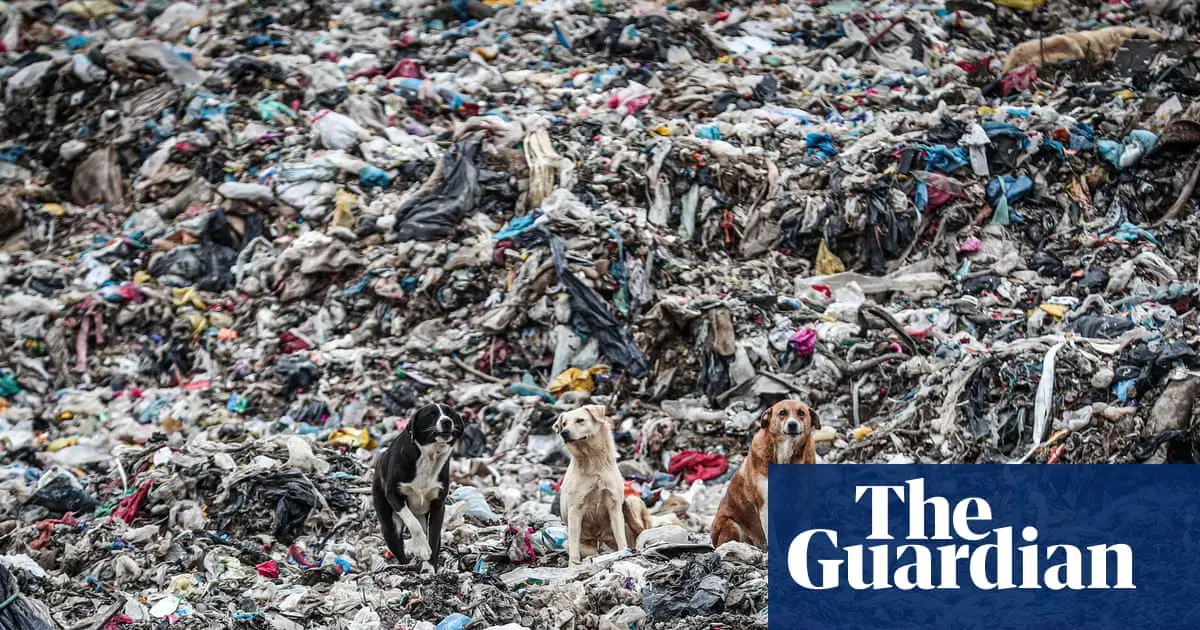
독일이 2025년 플라스틱 폐기물 최대 수출국, 810,000톤을 해외로 송출
Germany was largest exporter of plastic waste in 2025, sending 810,000 tonnes overseas, analysis finds
The Guardian
· 🇬🇧 London, GB
Leana Hosea
EN
2026-04-30 23:38
Translated
영국이 675,000톤을 수출하며 바짝 뒤따랐으며, 대부분의 폐기물은 터키, 말레이시아, 인도네시아로 송출됨
2025년 독일은 세계 최대 플라스틱 폐기물 수출국으로 810,000톤 이상을 해외로 송출했으며, 이는 가디언을 위해 수행된 무역 데이터 분석에 따른 것이다.
영국은 Watershed Investigations와 Basel Action Network의 분석에 따르면 바짝 뒤따랐다. 영국은 675,000톤 이상을 수출했으며, 이는 8년 만에 최고 수준이며 약 127,000개의 해운 컨테이너를 채울 수 있는 양이다.
폐기물의 대부분은 터키로 송출되었으며, 그 다음 말레이시아, 인도네시아도 정기적인 목적지다. 조사에서는 이러한 국가의 플라스틱 재활용 산업이 환경 피해, 불법 투기 및 소각, 노동 착취와 연관되어 있음을 반복적으로 밝혀냈다.
터키 해양 생물학자이자 플라스틱 오염을 조사하는 Sedat Gündoğdu는 다음과 같이 말했다: "터키 지중해 해안은 재활용 공장의 플라스틱 폐기물 때문에 전체 지중해에서 가장 오염된 해안이다. 미세플라스틱이 엄청나게 많아서 때로는 사람들이 모든 폐기물 때문에 바다에 들어갈 수도 없다."
미국과 중국 같은 더 큰 국가들은 더 많은 플라스틱 폐기물을 국내적으로 처리하기 때문에 플라스틱 폐기물 수출이 더 적다. 매립지, 소각 또는 재활용을 통해 처리되며, 유럽과 영국이 받는 것과 같은 재활용 목표 압력의 대상이 아니며, 수출이 공식 재활용율에 포함될 수 있다. 미국은 2025년에 385,000톤을 수출했으며 세계 5대 수출국이 되었으며, 중국은 2024년에 18위 수출국이었다.
EU는 2026년 11월까지 주로 부유한 OECD 국가 그룹 밖의 국가로의 플라스틱 폐기물 수출을 금지하기로 합의했지만, 여전히 절반이 그러한 목적지로 송출되고 있다. 나머지 대부분은 터키로 가며, 현재 유럽 플라스틱 폐기물의 최대 수령국이다.
금지가 임박해짐에 따라 모든 수출이 터키와 같은 개발도상국 OECD 국가 및 더 높은 양을 관리할 수 있는 역량이 부족한 동유럽 지역으로 리다이렉트될 수 있다는 우려가 있다.
터키에서는 폐기물 인프라가 이미 과부하 상태다. Gündoğdu는 다음과 같이 말했다: "국가는 국내에서 330만 톤의 플라스틱 폐기물을 생성하는데, 이는 우리의 재활용 능력의 2배 이상이다."
녹색당/유럽자유연맹 그룹의 MEP인 Sara Matthieu는 임박한 수출 금지를 "분수령 순간"이라고 설명하며, 유럽이 자신의 폐기물에 대한 책임을 지기 시작하고 있다고 말했다. 그러나 그녀는 "보수파와 극우파의 녹색 정책에 대한 공격으로 인해" EU의 국내 재활용 능력이 지난 몇 년간 100만 톤 감소했다고 말했다.
"주요 문제는 새로 생산된 플라스틱이 여전히 재사용 및 재활용 재료보다 훨씬 저렴하다는 것이다. 우리는 이러한 시장 실패에 대해 수년간 알고 있었지만, EU 위원회는 대부분 잠들어 있었고 문제의 근본을 해결하지 않았다"고 Matthieu는 말했다.
EU 위원회 대변인은 다음과 같이 말했다: "지난 10년 동안 플라스틱 폐기물의 통제되지 않은 무역이 증가했으며, 환경과 공중 보건을 모두 손상시켰다. 플라스틱 폐기물 수출에 관한 규칙은 새로운 폐기물 운송 규정에서 추가로 강화되었으며, 2026년 11월 21일부터 OECD 비회원국으로의 수출 금지가 포함된다. 이는 약 50만 톤의 플라스틱 폐기물에 영향을 미친다.
"2025년 12월, 위원회는 순환 경제를 촉진하고 유럽의 플라스틱 재활용을 강화하기 위한 새로운 조치 패키지를 채택했다. 추가로, 일회용 플라스틱 지침과 같은 재활용 내용물 목표도 EU 플라스틱 산업을 지원하고 있다."
영국은 2021년 환경법에 기록된 OECD 비회원국으로의 플라스틱 수출에 대해 유사한 약속을 했지만, 여전히 협의 대상이다. 2025년, 영국 플라스틱 폐기물 수출의 약 5분의 1은 여전히 OECD 비회원국으로 갔으며, 말레이시아로의 선적(현재 영국의 3대 목적지)은 2024년 이후 거의 60% 증가했다.
말레이시아 활동가이자 외국 플라스틱 폐기물의 유입과 그로 인한 오염에 맞서 캠페인을 펼치는 Pua Lay Peng은 다음과 같이 말했다: "이것은 폐기물 식민지주의다."
영국은 폐기물 수출 및 재활용에 관한 규칙을 강화하고 있으며, 투명성 개선 및 재활용 불가능한 플라스틱의 불법 선적에 대한 단속을 목표로 하는 개혁이 진행 중이다. 수출업자 및 재처리자는 이제 등록하고 폐기물 처리 방법에 대한 증거를 제공해야 하며, 올해 시행될 예정인 디지털 추적 시스템은 운영자가 폐기물 이동을 전자적으로 기록하도록 요구한다.
환경 캠페이너들이 이러한 통제를 환영하지만, 그들은 이것이 충분하지 않거나 핵심 문제를 해결하지 않는다고 말한다.
환경조사청의 법률 정책 전문가인 Amy Youngman은 다음과 같이 말했다: "우리가 이러한 양의 플라스틱을 계속 생산하는 한, 터키 같은 OECD 국가로 폐기물을 옮기고 유럽과 영국에서 소각을 증가시킬 것이다."
더욱이, 그녀는 영국이 EU 플라스틱 폐기물의 목적지가 될 수 있다고 말했다. "우리의 또 다른 우려는 EU에서 영국으로의 수출 증가로 인해 말레이시아와 같은 OECD 비회원국을 포함한 제3국으로 재수출할 수 있다는 것이다. 집행 당국은 이를 방지하려고 노력하고 있지만 영국은 이 문제를 전체적으로 해결하기 위해 더 의미 있는 정책 변화가 필요하다."
환경식품농촌부 대변인은 다음과 같이 말했다: "폐기물 수출은 엄격한 통제의 대상이며, 우리는 현재 플라스틱 폐기물이 해외에서 어떻게 처리되는지에 관한 데이터를 검토하여 적절하게 처리되도록 하고 있다.
"우리는 우리의 자원을 재사용, 감소 및 재활용해야 한다는 것을 알고 있으며, 우리의 순환 경제 성장 계획은 우리가 플라스틱 폐기물 수출에 덜 의존하는 더 순환적인 경제를 어떻게 제공할 것인지를 설정할 것이다."
영국은 Watershed Investigations와 Basel Action Network의 분석에 따르면 바짝 뒤따랐다. 영국은 675,000톤 이상을 수출했으며, 이는 8년 만에 최고 수준이며 약 127,000개의 해운 컨테이너를 채울 수 있는 양이다.
폐기물의 대부분은 터키로 송출되었으며, 그 다음 말레이시아, 인도네시아도 정기적인 목적지다. 조사에서는 이러한 국가의 플라스틱 재활용 산업이 환경 피해, 불법 투기 및 소각, 노동 착취와 연관되어 있음을 반복적으로 밝혀냈다.
터키 해양 생물학자이자 플라스틱 오염을 조사하는 Sedat Gündoğdu는 다음과 같이 말했다: "터키 지중해 해안은 재활용 공장의 플라스틱 폐기물 때문에 전체 지중해에서 가장 오염된 해안이다. 미세플라스틱이 엄청나게 많아서 때로는 사람들이 모든 폐기물 때문에 바다에 들어갈 수도 없다."
미국과 중국 같은 더 큰 국가들은 더 많은 플라스틱 폐기물을 국내적으로 처리하기 때문에 플라스틱 폐기물 수출이 더 적다. 매립지, 소각 또는 재활용을 통해 처리되며, 유럽과 영국이 받는 것과 같은 재활용 목표 압력의 대상이 아니며, 수출이 공식 재활용율에 포함될 수 있다. 미국은 2025년에 385,000톤을 수출했으며 세계 5대 수출국이 되었으며, 중국은 2024년에 18위 수출국이었다.
EU는 2026년 11월까지 주로 부유한 OECD 국가 그룹 밖의 국가로의 플라스틱 폐기물 수출을 금지하기로 합의했지만, 여전히 절반이 그러한 목적지로 송출되고 있다. 나머지 대부분은 터키로 가며, 현재 유럽 플라스틱 폐기물의 최대 수령국이다.
금지가 임박해짐에 따라 모든 수출이 터키와 같은 개발도상국 OECD 국가 및 더 높은 양을 관리할 수 있는 역량이 부족한 동유럽 지역으로 리다이렉트될 수 있다는 우려가 있다.
터키에서는 폐기물 인프라가 이미 과부하 상태다. Gündoğdu는 다음과 같이 말했다: "국가는 국내에서 330만 톤의 플라스틱 폐기물을 생성하는데, 이는 우리의 재활용 능력의 2배 이상이다."
녹색당/유럽자유연맹 그룹의 MEP인 Sara Matthieu는 임박한 수출 금지를 "분수령 순간"이라고 설명하며, 유럽이 자신의 폐기물에 대한 책임을 지기 시작하고 있다고 말했다. 그러나 그녀는 "보수파와 극우파의 녹색 정책에 대한 공격으로 인해" EU의 국내 재활용 능력이 지난 몇 년간 100만 톤 감소했다고 말했다.
"주요 문제는 새로 생산된 플라스틱이 여전히 재사용 및 재활용 재료보다 훨씬 저렴하다는 것이다. 우리는 이러한 시장 실패에 대해 수년간 알고 있었지만, EU 위원회는 대부분 잠들어 있었고 문제의 근본을 해결하지 않았다"고 Matthieu는 말했다.
EU 위원회 대변인은 다음과 같이 말했다: "지난 10년 동안 플라스틱 폐기물의 통제되지 않은 무역이 증가했으며, 환경과 공중 보건을 모두 손상시켰다. 플라스틱 폐기물 수출에 관한 규칙은 새로운 폐기물 운송 규정에서 추가로 강화되었으며, 2026년 11월 21일부터 OECD 비회원국으로의 수출 금지가 포함된다. 이는 약 50만 톤의 플라스틱 폐기물에 영향을 미친다.
"2025년 12월, 위원회는 순환 경제를 촉진하고 유럽의 플라스틱 재활용을 강화하기 위한 새로운 조치 패키지를 채택했다. 추가로, 일회용 플라스틱 지침과 같은 재활용 내용물 목표도 EU 플라스틱 산업을 지원하고 있다."
영국은 2021년 환경법에 기록된 OECD 비회원국으로의 플라스틱 수출에 대해 유사한 약속을 했지만, 여전히 협의 대상이다. 2025년, 영국 플라스틱 폐기물 수출의 약 5분의 1은 여전히 OECD 비회원국으로 갔으며, 말레이시아로의 선적(현재 영국의 3대 목적지)은 2024년 이후 거의 60% 증가했다.
말레이시아 활동가이자 외국 플라스틱 폐기물의 유입과 그로 인한 오염에 맞서 캠페인을 펼치는 Pua Lay Peng은 다음과 같이 말했다: "이것은 폐기물 식민지주의다."
영국은 폐기물 수출 및 재활용에 관한 규칙을 강화하고 있으며, 투명성 개선 및 재활용 불가능한 플라스틱의 불법 선적에 대한 단속을 목표로 하는 개혁이 진행 중이다. 수출업자 및 재처리자는 이제 등록하고 폐기물 처리 방법에 대한 증거를 제공해야 하며, 올해 시행될 예정인 디지털 추적 시스템은 운영자가 폐기물 이동을 전자적으로 기록하도록 요구한다.
환경 캠페이너들이 이러한 통제를 환영하지만, 그들은 이것이 충분하지 않거나 핵심 문제를 해결하지 않는다고 말한다.
환경조사청의 법률 정책 전문가인 Amy Youngman은 다음과 같이 말했다: "우리가 이러한 양의 플라스틱을 계속 생산하는 한, 터키 같은 OECD 국가로 폐기물을 옮기고 유럽과 영국에서 소각을 증가시킬 것이다."
더욱이, 그녀는 영국이 EU 플라스틱 폐기물의 목적지가 될 수 있다고 말했다. "우리의 또 다른 우려는 EU에서 영국으로의 수출 증가로 인해 말레이시아와 같은 OECD 비회원국을 포함한 제3국으로 재수출할 수 있다는 것이다. 집행 당국은 이를 방지하려고 노력하고 있지만 영국은 이 문제를 전체적으로 해결하기 위해 더 의미 있는 정책 변화가 필요하다."
환경식품농촌부 대변인은 다음과 같이 말했다: "폐기물 수출은 엄격한 통제의 대상이며, 우리는 현재 플라스틱 폐기물이 해외에서 어떻게 처리되는지에 관한 데이터를 검토하여 적절하게 처리되도록 하고 있다.
"우리는 우리의 자원을 재사용, 감소 및 재활용해야 한다는 것을 알고 있으며, 우리의 순환 경제 성장 계획은 우리가 플라스틱 폐기물 수출에 덜 의존하는 더 순환적인 경제를 어떻게 제공할 것인지를 설정할 것이다."
처리 완료
5,350 tokens · $0.0153
기사 수집 완료 · 23:55
매체 피드에서 기사 메타데이터 수집
헤드라인 번역 완료 · 00:05
제목/요약 한국어 번역 (fetch 시점 inline)
claude-haiku-4-5-20251001
509 tokens
$0.00142
3.1s
본문 추출 완료
5,620자 추출 완료
본문 한국어 번역 완료 · 00:05
2,827자 번역 완료
claude-haiku-4-5-20251001
4,841 tokens
$0.01387
26.5s
지정학적 엔티티 추출 완료 · 00:05
8개 엔티티 추출 완료
지정학적 맥락 & R-Scanner
R-Scanner · 핫스팟
z=2.7
평소보다 훨씬 많은 매체가 집중 보도 중 — 기준: Germany
(🇩🇪 DE)
최근 6시간 15건
7일 평균 7.25건 / 6h
6개국 매체
7개 매체
본문에서 추출된 지명 (8)
Germany
🇩🇪
United Kingdom
🇬🇧
Turkey
🇹🇷
European Union
🇪🇺
Malaysia
🇲🇾
Indonesia
🇮🇩
United States
🇺🇸
China
🇨🇳
위치 지도
지도 로딩 중…
같은 주제의 다른 기사 (최근 7일)
UK was close behind, exporting 675,000 tonnes, with much of the waste sent to Turkey, Malaysia and Indonesia Germany was the world’s largest exporter of plastic waste in 2025 and sent more than 810,000 tonnes abroad, according to analysis of trade data carried out for the Guardian.The UK followed close behind, according to the analysis by Watershed Investigations and the Basel Action Network. It exported more 675,000 tonnes, its highest level in eight years and enough to fill about 127,000 shipping containers.
Germany was the world’s largest exporter of plastic waste in 2025 and sent more than 810,000 tonnes abroad, according to analysis of trade data carried out for the Guardian.The UK followed close behind, according to the analysis by Watershed Investigations and the Basel Action Network. It exported more 675,000 tonnes, its highest level in eight years and enough to fill about 127,000 shipping containers.
Much of the waste was sent to Turkey, followed by Malaysia, with Indonesia also a regular destination. Investigations have repeatedly linked the plastic recycling industry in these countries to environmental damage, illegal dumping and burning, and labour abuses.
Sedat Gündoğdu, a Turkish marine biologist who investigates plastic pollution, said: “The Turkish Mediterranean coast is the most polluted coast in the whole Mediterranean because of the plastic waste from the recycling factories. There’s huge amounts of microplastics – sometimes people can’t even get into the sea because of all the waste.”
Larger countries such as the US and China export less plastic waste partly because more is handled domestically, through landfill, incineration or recycling, and they are not subject to the same recycling target pressures as Europe and the UK, where exports can count towards official recycling rates. The US exported 385,000 tonnes in 2025, making it the world’s fifth biggest exporter, while in 2024 China was the 18th biggest exporter.
The EU has agreed to ban exports of plastic waste to countries outside the group of mostly rich OECD nations by November 2026, yet half is still being sent to those destinations. Much of the remainder goes to Turkey, now the largest recipients of European plastic waste.
With the ban approaching, there are concerns that all exports could be redirected to developing OECD countries such as Turkey, as well as parts of eastern Europe, which lack the capacity to manage higher volumes.
In Turkey, the waste infrastructure is already overwhelmed. Gündoğdu said: “The country generates 3.3m tonnes of plastic waste domestically, which is more than double our capacity to recycle.”
Sara Matthieu, an MEP for the Greens/European Free Alliance grouping, described the imminent export ban as a “watershed moment”, saying Europe was beginning to take responsibility for its own waste. However, she said that “due to attacks on green policies by conservatives and the far right” the EU’s capacity to recycle domestically had reduced by 1m tonnes in the last few years.
“The major problem is that freshly produced plastics are still much cheaper than reused and recycled materials. We have known about this market failure for years, but the EU Commission has mostly been asleep at the wheel [and] not tackling the root of the challenges,” Matthieu said.
A spokesperson for the EU Commission said: “In the last decade, uncontrolled trade in plastic waste has increased, damaging both the environment and public health. The rules on the export of plastic waste were further strengthened in the new waste shipment regulation, including a prohibition of such exports to non-OECD countries as from 21 November 2026. It affects around 0.5m tonnes of plastic waste.
“In December 2025, the Commission adopted a new package of measures to boost circular economy and strengthen Europe’s plastic recycling. In additional, targets for recycled content, as in the single use plastics directive, are also supporting the EU plastics industry.”
The UK has made a similar commitment on plastic exports to non-OECD countries, written into the Environment Act 2021, but it remains subject to consultation. In 2025, about a fifth of Britain’s plastic waste exports still went to non-OECD countries, with shipments to Malaysia – now the UK’s third-largest destination – rising by almost 60% since 2024.
Pua Lay Peng, a Malaysian activist who campaigns against the influx of foreign plastic waste and the resulting pollution, said: “This is waste colonialism.”
The UK is tightening its rules on waste exports and recycling, with reforms aimed at improving transparency and cracking down on illegal shipments of non-recyclable plastic. Exporters and reprocessors must now register and provide evidence of how waste is handled, while a digital tracking system due to come into force this year will require operators to record waste movements electronically.
Although environmental campaigners welcome these controls, they say they do not go far enough or address the core issues.
Amy Youngman, a legal policy specialist for the Environmental Investigation Agency, said: “As long as we keep producing this volume of plastic it’ll displace waste to OECD countries like Turkey and increase incineration in Europe and the UK.”
Furthermore, she said the UK could become a destination for EU plastic waste. “Our other concern is that there will be an increase of exports from the EU to the UK, who can then re-export to third countries, including non-OECD countries like Malaysia. The enforcement authorities are trying to prevent this but the UK needs more significant policy changes to address this issue holistically.”
A spokesperson for the Department for Environment, Food and Rural Affairs said: “The export of waste is subject to strict controls and we are currently reviewing the data on how plastic waste is handled overseas to ensure it is treated appropriately.
“We know we need to do more to re-use, reduce and recycle our resources and our circular economy growth plan will set out how we will deliver a more circular economy which is less dependent on plastic waste exports.