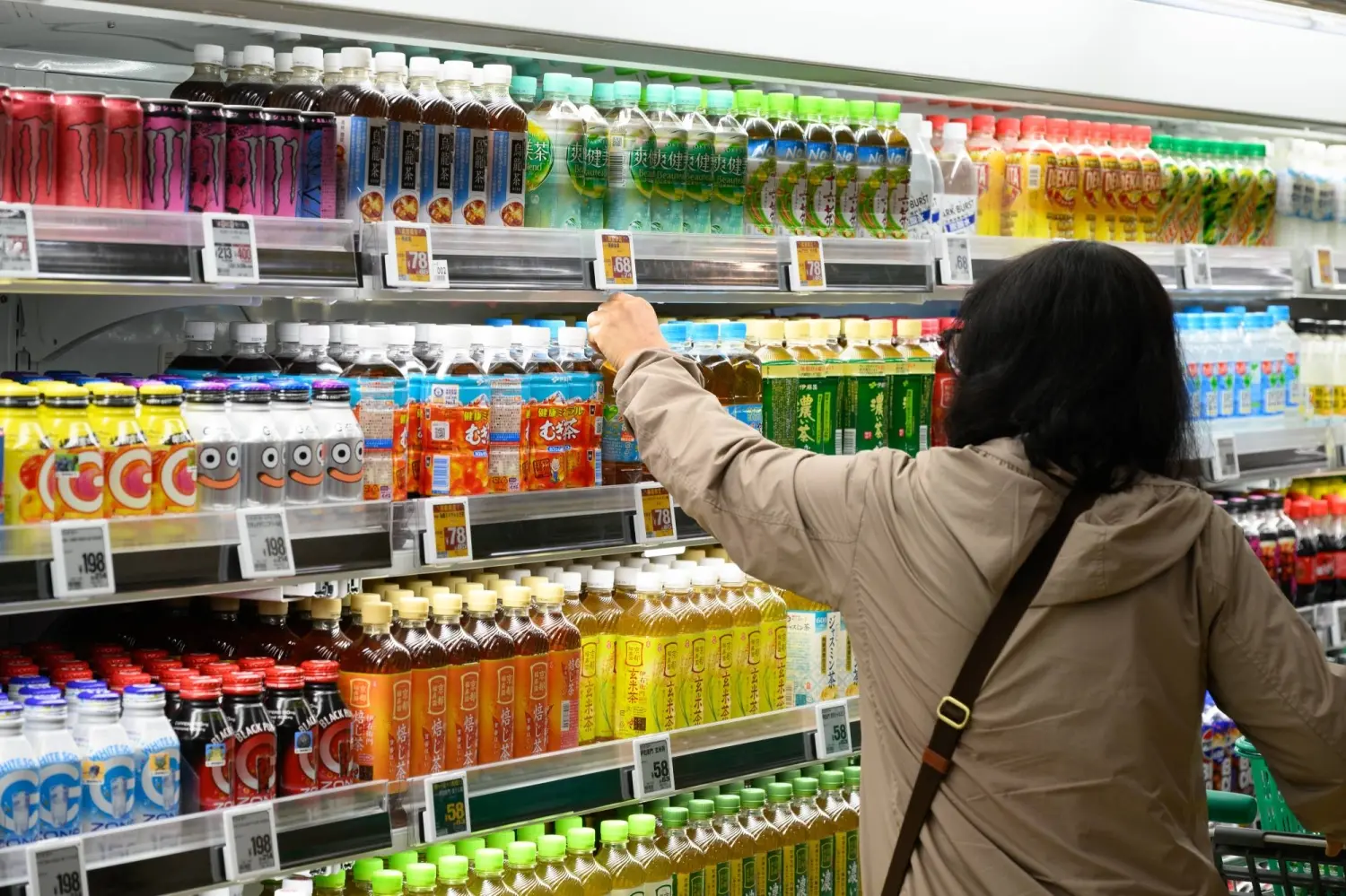
전쟁이 플라스틱 포장 비용을 올리면서 일본의 식품 가격 상승 예정
Food prices in Japan set to rise as war drives up cost of plastic packaging
The Japan Times
· 🇯🇵 Tokyo, JP
Shoko Oda
EN
2026-04-30 16:51
Translated
호르무즈 해협을 통한 에너지 흐름의 장기적 중단으로 플라스틱 포장 생산에 사용되는 중요한 원료인 나프타의 가용성이 감소했습니다.
기업 조사 회사인 테이코쿠 데이터뱅크의 보고서에 따르면, 플라스틱 포장 생산에 사용되는 중요한 원료 부족으로 인해 일본의 식품 및 음료 가격이 올여름부터 인상될 예정입니다.
호르무즈 해협을 통한 에너지 흐름의 장기적 중단으로 나프타의 가용성이 감소했으며, 이 석유화학 원료에서 파생된 폴리프로필렌 및 폴리에틸렌 포장 공급업체들이 즉시 가격 인상을 요구하고 있습니다. 보고서에 따르면 중소 규모 식품 제조업체들이 이미 영향을 받기 시작했습니다.
중동의 2개월 된 전쟁은 전 세계 석유 및 가스 시장을 뒤흔들었으며, 일본을 포함한 국가들이 이 지역으로부터의 수입에 크게 의존하고 있어 아시아의 많은 지역을 취약한 위치에 놓았습니다. 석유 제품의 부족은 식품 생산에서 의료 기기 제조업체에 이르기까지 다양한 산업에 영향을 미쳤습니다.
목요일에 발표된 테이코쿠 데이터뱅크 보고서는 9월까지 가격 인상을 경험했거나 경험할 것으로 예상되는 식품 및 음료 제품을 다루었습니다. 초콜릿을 포함한 과자류가 가격 인상으로 가장 큰 영향을 받을 가능성이 있는 범주 중 하나였습니다.
일본의 신선 식품을 제외한 핵심 소비자 물가는 3월에 전년 대비 1.8% 상승했습니다. 이는 중앙값 경제학자 추정치를 초과했으며 전월의 1.6% 상승과 비교됩니다.
신선 식품과 에너지를 모두 제외한 지표는 2.4% 증가했으며, 일본은행이 기저 인플레이션의 척도로 밀접하게 관찰하는 지표로 중앙은행의 2% 목표를 초과하고 있습니다. 모든 항목을 포함한 전체 인플레이션은 1.5%로 가속화되었습니다.
호르무즈 해협을 통한 에너지 흐름의 장기적 중단으로 나프타의 가용성이 감소했으며, 이 석유화학 원료에서 파생된 폴리프로필렌 및 폴리에틸렌 포장 공급업체들이 즉시 가격 인상을 요구하고 있습니다. 보고서에 따르면 중소 규모 식품 제조업체들이 이미 영향을 받기 시작했습니다.
중동의 2개월 된 전쟁은 전 세계 석유 및 가스 시장을 뒤흔들었으며, 일본을 포함한 국가들이 이 지역으로부터의 수입에 크게 의존하고 있어 아시아의 많은 지역을 취약한 위치에 놓았습니다. 석유 제품의 부족은 식품 생산에서 의료 기기 제조업체에 이르기까지 다양한 산업에 영향을 미쳤습니다.
목요일에 발표된 테이코쿠 데이터뱅크 보고서는 9월까지 가격 인상을 경험했거나 경험할 것으로 예상되는 식품 및 음료 제품을 다루었습니다. 초콜릿을 포함한 과자류가 가격 인상으로 가장 큰 영향을 받을 가능성이 있는 범주 중 하나였습니다.
일본의 신선 식품을 제외한 핵심 소비자 물가는 3월에 전년 대비 1.8% 상승했습니다. 이는 중앙값 경제학자 추정치를 초과했으며 전월의 1.6% 상승과 비교됩니다.
신선 식품과 에너지를 모두 제외한 지표는 2.4% 증가했으며, 일본은행이 기저 인플레이션의 척도로 밀접하게 관찰하는 지표로 중앙은행의 2% 목표를 초과하고 있습니다. 모든 항목을 포함한 전체 인플레이션은 1.5%로 가속화되었습니다.
처리 완료
2,020 tokens · $0.0054
기사 수집 완료 · 17:11
매체 피드에서 기사 메타데이터 수집
헤드라인 번역 완료 · 17:26
제목/요약 한국어 번역 (fetch 시점 inline)
claude-haiku-4-5-20251001
218 tokens
$0.00054
1.8s
본문 추출 완료
1,593자 추출 완료
본문 한국어 번역 완료 · 17:26
765자 번역 완료
claude-haiku-4-5-20251001
1,802 tokens
$0.00481
8.1s
지정학적 엔티티 추출 완료 · 17:26
4개 엔티티 추출 완료
지정학적 맥락 & R-Scanner
R-Scanner · 핫스팟
z=3.2
평소보다 훨씬 많은 매체가 집중 보도 중 — 기준: Japan
(🇯🇵 JP)
최근 6시간 19건
7일 평균 8.93건 / 6h
5개국 매체
5개 매체
본문에서 추출된 지명 (4)
위치 지도
지도 로딩 중…
같은 주제의 다른 기사 (최근 7일)
Prolonged disruption to energy flows via the Strait of Hormuz has cut the availability of naphtha, a critical ingredient used in the production of plastic packaging.
Food and drink prices in Japan are set to increase as early as this summer due to a war-driven shortage of a critical ingredient used in the production of plastic packaging, according to a report by corporate research firm Teikoku Databank.Prolonged disruption to energy flows via the Strait of Hormuz has cut the availability of naphtha, prompting suppliers of polypropylene and polyethylene packaging derived from the petrochemical feedstock to demand higher prices with immediate effect. Small and mid-size food manufacturers are beginning to feel the impact, the report said.
The two-month-old war in the Middle East has upended global oil and gas markets, putting much of Asia in a vulnerable position as countries — including Japan — rely heavily on imports from the region. The shortage of petroleum products has affected sectors from food production to medical equipment makers.
The Teikoku Databank report, published Thursday, covered food and beverage products that have experienced or are expected to see price increases through September. Confectionery, including chocolate, was among the categories likely to be most affected by price rises.
Japan’s core consumer prices, excluding fresh food, rose 1.8% in March from a year earlier. That topped the median economist estimate and compared with a 1.6% advance in the prior month.
The measure excluding both fresh food and energy — closely watched by the Bank of Japan as a gauge of underlying inflation — increased 2.4%, remaining above the central bank’s 2% target. Overall inflation including all items accelerated to 1.5%.