FISA 감시법안 표결로 의회 분열…무영장 감시 두고 격렬한 논쟁
Fisa surveillance vote sparks fierce debate as Congress splits on warrantless monitoring
진보 민주당원과 극우 공화당원 연합은 외국인 정보감시법(FISA) 702조 개정을 추진하고 있으나, 도널드 트럼프의 요구에 부응하여 수정 없이 18개월 연장을 주장하는 입법자들의 강력한 양당 반대에 직면해 있다. 공화당 하원 지도부는 화요일 밤 규칙위원회가 해당 조치를 승인한 후 수요일에 702조 순수 연장 절차 표결을 지연시켰다. 공화당 지도부는 수요일에 해당 조치를 본회의에 부의할 것으로 예상되었으나, 당내 개인정보 보호 옹호자들의 반발로 예정된 표결을 취소했다. 공화당이 내부 분열을 해소하는 대로 당일 후반에 법안 입법 조치가 이루어질 수 있다.
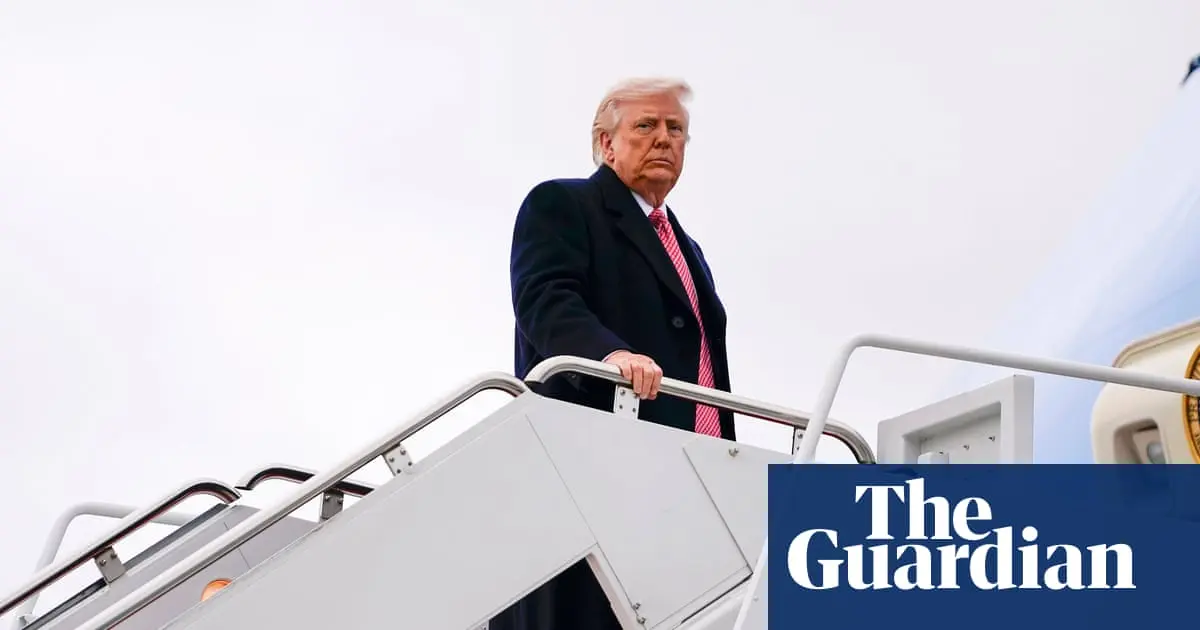
미국 대통령은 수요일, 이번 주 안에 702조 순수 연장안이 하원을 통과하도록 공화당 하원 지도부와 "매우 열심히" 노력하고 있다고 밝혔다. "나는 공화당원들에게 단결을 요청한다"고 그는 트루스 소셜 게시물에 썼다. 트럼프는 이 법을 "미국인들의 안전을 지키는 효과적인 도구"로 묘사하며, 특히 이란 전쟁 기간 동안 "우리 군대에 매우 중요하다"고 말했다. 이는 2016년 선거 캠페인을 감시하기 위해 FBI가 이 법을 남용했다고 비난한 후 2년 전 "FISA를 폐지하라"고 외친 그의 입장에서 극적인 변화를 보여준다. CIA는 702조가 해외 인질 구출과 빈 테일러 스위프트 콘서트 테러 공격 방지에 기여했다고 평가한다.
2008년 처음 제정된 702조는 국가안보 기관이 영장 없이 해외에 거주하는 외국인에게 보내고 받는 문자와 이메일을 수집하고 검토할 수 있도록 한다. 미국인이 해외에 거주하는 비미국인 대상과 통신하는 경우, 그들의 통신도 함께 포착될 수 있다. 이 법에는 주기적인 재승인 없이 만료된다는 조항이 포함되어 있으며, 현재 마감일은 4월 20일이다.
"이는 미국 외국인 감시를 용이하게 하기 위한 것이지만, 정부는 이를 영장 없이 미국인을 감시하는 도구로도 사용한다"고 브레넌 센터 자유와 국가안보 프로그램의 변호사 한나 제임스는 말한다. 정보기관들은 영장 요건이 일부 질의가 법적 기준을 충족하지 못할 수 있고, 충족하는 경우에도 절차가 너무 오래 걸릴 수 있다며 부담스럽다고 주장해왔다.
702조에 따른 감시는 의회가 그때까지 법을 연장하지 않더라도 2027년 3월까지 계속될 수 있는데, 이는 정보기관 활동에 사법 감독을 제공하는 특별 연방 법원이 승인한 연간 인증을 통해 운영되기 때문이다. 뉴욕타임스는 지난 주 FISA 법원이 해당 프로그램의 승인을 1년 더 연장했다고 보도했다.
의회는 지난 2024년 정보개혁 및 미국안보법(RISAA)을 통과시켜 702조를 마지막으로 재승인했다. 해당 법은 미국 시민에 대한 질의에 대한 제한과 의무적 감사를 포함한 일부 변경과 함께 프로그램을 2년 연장했다. 2년 전, 양당 의원들은 FISA 하에 "우연히" 수집된 미국인 통신에 대한 영장 요건을 만들 개정안을 지지했다. 그러나戲劇적인 212-212 동표 이후 통과되지 못했다.
공화당 하원의장 마이크 존슨은 무영장 감시에 대한 강경 공화당원들의 우려가 제기된 후 올해 재승인 표결을 4월 중순으로 지연시켰다. POLITICO는 여러 공화당원들이 수요일에 고려될 절차적 단계에 반대표를 던질 계획이라고 보도했다.
"영장 아니면 무너진다"고 공화당 반대파 중 한 명인 콜로라도 주 하원의원 로렌 보버트는 말했다. 존슨은 화요일 기자들에게 어떤 개정도 추가할 의사가 없다고 밝혔는데, 그렇게 하는 것은 "통과를 위태롭게 한다. 그리고 이는 너무나 중요하다"고 말했다.
존슨은 이전에 의회가 2년 전 채택한 개혁들이 "계획대로 잘 작동하고 있다"고 말했다. 개인정보 보호 옹호자들은 이에 동의하지 않으며, 이러한 변경들을 "근본적으로 망가진 법에 대한 비효과적인 미세 조정"으로 묘사하고 영장 요건 없이는 법 남용이 계속될 것이라고 말한다.
이 비판가들은 또한 연방 정부가 검색 수행 방식에 대한 내부 규칙을 반복적으로 위반했다고 주장한다. 법무부는 FBI가 지난해 미국인에 대해 7,413건의 질의를 했다고 밝혔다. 개인정보 보호 옹호자들은 이것이 이전 해에 비해 상당한 감소를 반영하지만, FBI의 필터링 도구 사용으로 많은 검색이 집계되지 않았다고 말한다. FBI는 법에 따라 모든 미국인 질의를 추적해야 한다.
외국인 정보감시법원은 2022년, FBI의 702조 하 질의 절차에 대한 준수 문제가 "지속적이고 광범위한 것으로 판명되었다"고 밝혔다. FBI 요원들은 702조를 사용하여 시위대, 의회의원, 주 법원 판사, 기자, 정치 평론가들의 통신을 검색했다.
공화당원들은 이 문제에 의견이 분열되어 있다. 하원 사법위원회 위원장인 하원의원 짐 조던은 2년 전 702조 연장에 반대표를 던졌다. 그는 지난 4월 워싱턴포스트 기고문에서 영장 요건 없이는 "정부의 감시 권력은 항상 남용의 대상이 될 것"이라고 썼다. 그러나 지난달 그는 트럼프처럼 순수 연장을 요구했다.
일부 민주당원들은 반대 궤적을 보이고 있다. 조던과 같은 위원회의 민주당 간사인 하원의원 제이미 라스킨은 2024년 법을 갱신하고 영장 개정안에 반대표를 던졌다. 그는 이제 개혁 없는 갱신에 반대한다.
라스킨은 동료 의원들에게 보낸 서신에서 "2024년에 마련된 안전장치가 트럼프 행정부에 의해 심각하게 훼손되었다"고 믿는다고 썼다. "이러한 개혁은 정보기관을 통제하기 위한 내부 감시자와 남용 사실을 의회와 법원에 정확히 보고하는 행정부에 의존했다"고 그는 썼다.
지난해 트럼프는 연방 정부의 테러리즘 대응 및 관련 국가안보 프로그램이 개인정보와 시민의 자유에 적절한 안전장치를 갖추도록 하는 독립 기관 이사회의 민주당원 3명을 모두 해임했다. "광산 속 카나리아는 죽었다"고 민주주의와 기술 센터 보안 및 감시 프로젝트 부국장 제이크 라페루크는 말했다.
702조의 임박한 갱신은 트럼프 행정부가 감시 무기고를 확대하는 것처럼 보이는 가운데 다가오고 있다. FBI는 지난달 민감한 위치 데이터 구매를 재개했다고 밝혔는데, 이는 정부가 영장 요건을 우회하여 개인과 그들의 생활 패턴을 식별하는 데 도움이 될 수 있다.
개인정보 및 시민자유 감시위원회(PCLOB)에서 해임된 민주당원 3명 중 한 명인 트래비스 르블랑은 702조를 통해 수집된 미국인에 대한 정보가 "우리가 아는 것보다 정부 전반에 더 광범위하게 공유될 수 있다"고 우려하며, 테러리즘과 국가안보와 무관한 목적으로 사용될 수 있다고 말한다. 그는 트럼프 행정부가 테러리즘을 얼마나 느슨하게 정의하고 있는지, 그리고 시위대를 감시하고 이민자를 추방하기 위해 데이터를 사용하려는 의지에 대해 우려하고 있다.
개인정보 보호 옹호자들은 영장 요건 추진에 집중하고 있다. "우리는 이렇게 말하고 있다: 어렵고 책임 있는 일을 하고 미국인들을 위한 실질적인 보호를 마련하기 위해 협상 테이블에 나오라. 그런 일은 논쟁과 타협을 필요로 한다"고 전자 프론티어 재단 연방 정책 국장 인디아 맥키니는 말한다. "단순히 순수 연장을 하는 것은 당신이 선출되어 대표하는 사람들에 대한 책임을 포기하는 것이다." 2년 전 영장 요건 개정안이 동표로 끝난 것은 "이에 대한 정치적 의지가 분명히 있다는 것을 보여준다"고 맥키니는 말한다. "하지만 지도력은 없다."
템플대학교 물리학 교수인 샤오싱 시는 수갑을 찬 후에야 연방 정부가 FISA 영장 하에 그를 감시했다는 사실을 알았다. 법무부는 미국 시민인 시를 2015년에 중국 과학자들과 민감한 기술을 공유한 전기사기 혐의로 기소했다. 혐의는 4개월 후 기각되었다. "이것은 농담이 아니다. 게임이 아니다"라고 시는 말한다. "그들은 우리 가족의 삶을 뒤집어 놓았다."
"내게 묻는다면, 사생활 같은 것은 없다. 정부가 무엇이든 알고 싶어하면, 그들은 알 것이다"라고 시는 말한다. "하지만 그들이 미국 시민을 감시하려 한다면, 적어도 영장을 받아야 한다."
kimi-k2.5
633 tokens
$0.00133
12.4s
Donald Trump says he is ‘working very hard’ with House Republicans to extend Section 702 without changesUS politics live – latest updatesA controversial law that grants the US government sweeping powers for warrantless surveillance is set to expire next week. Replacing it has inspired fierce debate within the White House and Congress, including a scheduled vote cancelled the day of.A coalition of progressive Democrats and far-right Republicans is pushing for reform of Section 702 of the Foreign Intelligence Surveillance Act (Fisa), but they face strong bipartisan opposition from lawmakers advocating for an 18-month renewal with no changes, in line with Donald Trump’s demands. House GOP leaders delayed a procedural vote on a clean extension of Section 702 on Wednesday, after the chamber’s rules committee approved the measure on Tuesday night. Republican leadership was expected to bring the measure to the floor on Wednesday but canceled the scheduled vote, amid dissent from privacy advocates in their own party. Legislative action on the bill could still occur later in the day, as Republicans address their internal disagreements.
A controversial law that grants the US government sweeping powers for warrantless surveillance is set to expire next week. Replacing it has inspired fierce debate within the White House and Congress, including a scheduled vote cancelled the day of.A coalition of progressive Democrats and far-right Republicans is pushing for reform of Section 702 of the Foreign Intelligence Surveillance Act (Fisa), but they face strong bipartisan opposition from lawmakers advocating for an 18-month renewal with no changes, in line with Donald Trump’s demands. House GOP leaders delayed a procedural vote on a clean extension of Section 702 on Wednesday, after the chamber’s rules committee approved the measure on Tuesday night. Republican leadership was expected to bring the measure to the floor on Wednesday but canceled the scheduled vote, amid dissent from privacy advocates in their own party. Legislative action on the bill could still occur later in the day, as Republicans address their internal disagreements.
The US president said on Wednesday that he is “working very hard” with House Republican leadership to get a clean extension of Section 702 approved by the chamber this week. “I am asking Republicans to UNIFY,” he wrote in a Truth Social post. Trump has described the law as an “effective tool to keep Americans safe”, and said that it is “extremely important to our military”, especially during the war in Iran. That marks a dramatic shift from his call two years ago to “KILL FISA” after accusing the FBI of misusing the law to spy on his 2016 campaign. The CIA credits Section 702 with helping to rescue hostages overseas and prevent a terror attack at a Taylor Swift concert in Vienna.
Section 702, first enacted in 2008, allows national security agencies to collect and review texts and emails sent to, and from, foreigners living outside the country, without a warrant. If Americans are talking to a non-American target living abroad, their communications can get swept in, too. The law includes a provision that notes the law will expire without periodically being reauthorized; the current deadline is 20 April.
“It’s intended to facilitate the surveillance of foreigners outside the U.S., but the government also uses it as a tool to spy on Americans without a warrant,” says Hannah James, counsel in the Brennan Center’s liberty and national security program. Intelligence agencies have argued that a warrant requirement would be too burdensome because some queries would not meet the legal standard, and, for those that do, the process could take too long.
Surveillance under Section 702 can continue through March 2027, even if Congress doesn’t extend the law by then, because it operates through yearlong certifications approved by a special federal court that provides judicial oversight of intelligence agencies’ activities. The New York Times reported last week that the Fisacourt renewed its approval of the program for another year.
Congress last reauthorized Section 702 in 2024 when lawmakers passed the Reforming Intelligence and Securing America Act (RISAA). That law extended the program by two years with some changes, including limits and mandatory audits for queries on US citizens. Two years ago, a bipartisan group of lawmakers had supported an amendment that would have created a warrant requirement for Americans’ communications “incidentally” collected under Fisa. But it failed to pass after a dramatic 212-212 tie.
Mike Johnson, the Republican House speaker, delayed this year’s reauthorization vote to mid-April following concerns raised by hardline Republicans about warrantless surveillance. Several Republicans plan to vote against a procedural step up for consideration on Wednesday, POLITICO reported.
“Warrants or bust,” Lauren Boebert, a Colorado representative who is one of several Republican holdouts, has said. Johnson told reporters on Tuesday that he is not willing to add any amendments to the law because doing so “jeopardizes its passage. And it’s far too important.”
Johnson previously said that the reforms Congress adopted two years ago “are working just as planned”. Privacy advocates disagree, describing these changes as “ineffective tweaks to a fundamentally broken law” – and that abuses of the law will continue without a warrant requirement.
These critics also say the federal government has repeatedly violated internal rules about how searches can be conducted. The Department of Justice states that the FBI made 7,413 queries about Americans last year. Privacy advocates say that while this reflects a significant drop from prior years, the FBI’s use of a filtering tool has led to many searches not being counted. The FBI, is required, by law, to track all of its US person queries.
The Foreign Intelligence Surveillance Court has said, in 2022, that compliance problems with the FBI’s querying procedures under Section 702 have “proven to be persistent and widespread”. FBI agents have used Section 702 to search for the communications of protesters, members of Congress, a state court judge, journalists and political commentators.
Republicans are divided on the issue. Jim Jordan, a US representative and chairman of the House judiciary committee, voted against extending Section 702 two years ago. He wrote in a Washington Post Op-ed last April that without a warrant requirement, “the government’s surveillance power will always be subject to abuse”. But last month, he, like Trump, called for a clean extension.
Some Democrats appear to be on the opposite trajectory. Jamie Raskin, a US representative and ranking member of the same committee as Jordan, voted to renew the law in 2024 and against the warrant amendment. He now opposes a renewal without reform.
Raskin wrote in a letter to his colleagues that he believes the “safeguards put in place in 2024 have been badly eroded by the Trump Administration”. “These reforms relied on internal watchdogs to keep the intelligence agencies in line and on the Administration to accurately report its own abuses to Congress and the courts,” he wrote.
Last year, Trump fired all three Democrats on the board of an independent agency that is supposed to ensure the federal government’s counterterrorism and related national security programs have appropriate safeguards for privacy and civil liberties. “The canaries in the coal mine are dead,” said Jake Laperruque, deputy director of the security and surveillance project at the Center for Democracy and Technology.
The looming renewal of Section 702 comes as the Trump administration appears to be widening its surveillance arsenal. The FBI said last month that the agency has resumed buying sensitive location data, which can help the government bypass warrant requirements to identify individuals and their patterns of life.
Travis LeBlanc, one of three Democrats fired from the Privacy and Civil Liberties Oversight Board (PCLOB), worries that the information collected on Americans through Section 702 may be “shared more broadly across the government than we may know” and for purposes unrelated to terrorism and national security. He is concerned about how loosely the Trump administration is defining terrorism, as well as its willingness to use data to surveil protesters and deport immigrants.
Privacy advocates are focused on pushing for a warrant requirement. “We are saying: do the hard and responsible thing and come to the table to put in real protections for Americans. That sort of thing requires debate and compromise,” says India McKinney, the director of federal affairs at the Electronic Frontier Foundation. “By just doing a straight up clean extension, you’re abdicating your responsibility to the people that you are elected to represent.” That the warrant requirement amendment ended in a tie two years ago shows “there is clearly the political will to work on this,” McKinney says. “But the leadership is just not there.”
Xiaoxing Xi, a physics professor at Temple University, only learned the federal government surveilled him under a Fisa order after he was in handcuffs. The DOJ accused Xi, an American citizen, in 2015, of wire fraud and sharing sensitive technology with scientists with China. The charges were dropped four months later. “This is not a joke. It’s not a game,” Xi says. “They turned the lives of my family upside down.”
“If you ask me, there’s no such thing as privacy. If the government wants to know anything, they will know it,” Xi says. “But if they want to surveil an American citizen, they should at least get a warrant.”