연방준비제도가 기준금리를 동결했으나 4명의 관계자가 반대, 거의 34년 만에 가장 많은 반대
Federal Reserve keeps key rate unchanged even as four officials dissent, most in almost 34 years
Associated Press
· 🇺🇸 New York, US
https://apnews.com/author/christopher-rugaber
EN
2026-04-30 03:35
Translated
워싱턴(AP) — 미국 연방준비제도(Fed)는 세 번째 연속으로 기준금리를 동결했지만 향후 몇 개월 내에 금리 인하 가능성을 시사했으며, 이는 1992년 10월 이후 가장 많은 반대를 초래했다.
연방준비제도는 수요일에 단기금리를 3.6%로 유지했고 다음 조치가 금리 인하가 될 것임을 시사하는 성명서의 표현을 유지했다. 3명의 관계자가 향후 인하 언급을 제거하기 위해 반대했으며, 네 번째 관계자인 스티브 미란(Stephen Miran)은 즉각적인 금리 인하를 위해 반대했다.
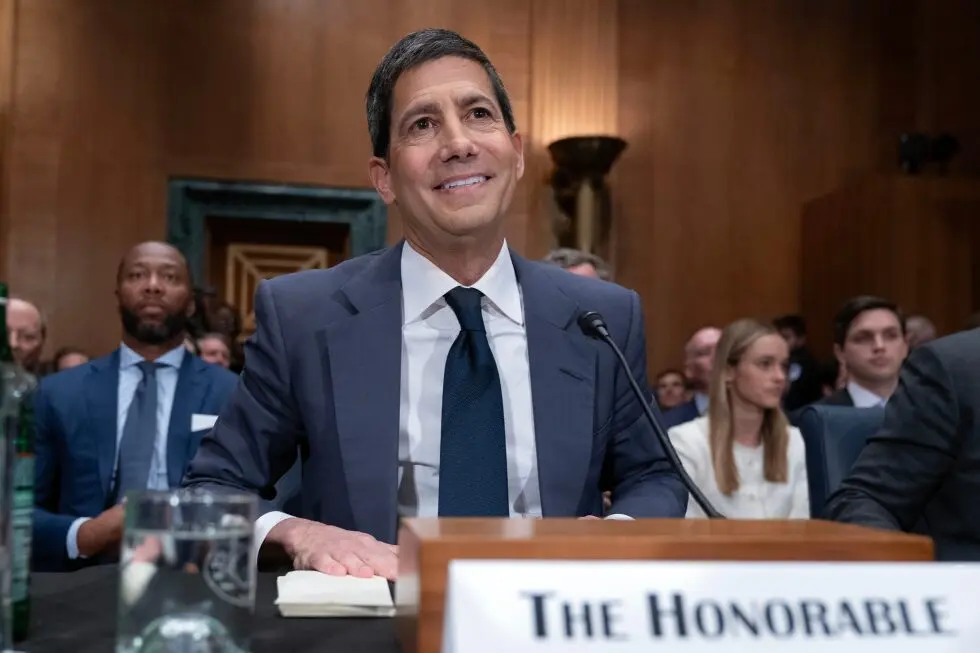
이러한 반대는 5월 15일로 임기가 끝나는 제롬 파월 의장의 퇴임을 앞두고 연방준비제도의 12명 규모 금리 결정 위원회의 분열 수준을 드러낸다. 상원 은행위원회는 수요일에 정당 일관된 투표로 그의 후임자인 트럼프 지명자 케빈 워시(Kevin Warsh)를 승인했다. 워시는 트럼프가 요구한 대로 금리 인하에 유리한 입장을 제시해왔다.
"중동 지역의 발전이 경제 전망에 대한 높은 수준의 불확실성에 기여하고 있다"고 연방준비제도는 이틀간의 회의 후 성명에서 밝혔다. "인플레이션은 높은 상태이며, 일부는 최근의 글로벌 에너지 가격 상승을 반영하고 있다."
워시는 중앙은행에서의 "정권 교체"를 약속했으며 경제 모델, 통신 전략 및 대차대조표에 대한 광범위한 변화를 할 수 있지만, 인플레이션이 연방준비제도의 목표인 2%를 초과하는 3%를 넘고 있어 트럼프가 추구하는 금리 인하를 실행하기 더 어려울 것이다.
파월 의장의 마지막 회의를 주재했을 가능성이 높으며 수요일 오후에 기자회견을 열 것이며, 이때 그는 5월 15일 의장 임기가 끝난 후에도 중앙은행의 지사 위원회에 남을 수 있는 비정상적인 조치를 취할지 여부를 말할 수 있다. 파월은 2028년 1월까지 지속되는 별도의 지사 임기를 담당한다. 의장들은 일반적으로 지도력 임기가 끝날 때 위원회를 떠나지만, 파월은 남을 수 있음을 시사했다. 그는 1948년 이후 이를 수행한 첫 번째 의장이 될 것이다.
연방준비제도의 독립성 보호를 자신의 유산의 핵심으로 만든 파월이 남기로 선택한다면, 그는 트럼프에게 그의 후임자를 선택하고 연방준비제도의 7명 규모 위원회에 다른 자리를 채울 기회를 박탈할 것이다. 현재 7명의 지사 중 3명은 트럼프 지명자들이다.
동시에, 트럼프 행정부와의 긴장을 악화시킬 수 있으며 일부 분석가들이 "두 교황" 시나리오라고 언급하는 것을 만들 수 있으며, 의장과 전직 의장 모두가 연방준비제도 위원회에 있다. 그 경우, 일부가 파월의 리드를 따르기로 결정했다면 정책 입안자들 간의 분열이 증가할 수 있다.
리더십 혼란은 경제가 비정상적으로 불명확한 상태로 유지되는 동안 발생하여 연방준비제도를 어려운 위치에 놓는다. 인플레이션은 전쟁으로 가스 가격이 급등하면서 2년 최고치인 3.3%로 뛰어올랐다. 이는 중앙은행이 금리를 인하하기 더 어렵게 만든다. 연방준비제도는 일반적으로 인플레이션이 악화되면 금리를 동결하거나 심지어 인상한다.
동시에 고용이 거의 멈춰 있어 직업 없는 사람들이 새로운 일자리를 찾기의 어려움에 답답해하고 있다. 일반적으로 연방준비제도는 일자리 시장이 약할 때 금리를 인하하여 더 많은 지출과 일자리 증가를 자극한다.
그러나 고용주들이 "저채용, 저해고" 전략을 따르고 있는 것으로 보이면서 정리해고도 여전히 낮은 상태이다. 많은 연방준비제도 관계자들은 실업률이 낮은 한, 중앙은행은 더 많은 지출과 고용을 촉진하기 위해 금리를 인하할 필요가 없다고 제시했다. 실업률은 3월에 4.4%에서 4.3%로 하락했다.
연방준비제도는 수요일에 단기금리를 3.6%로 유지했고 다음 조치가 금리 인하가 될 것임을 시사하는 성명서의 표현을 유지했다. 3명의 관계자가 향후 인하 언급을 제거하기 위해 반대했으며, 네 번째 관계자인 스티브 미란(Stephen Miran)은 즉각적인 금리 인하를 위해 반대했다.
이러한 반대는 5월 15일로 임기가 끝나는 제롬 파월 의장의 퇴임을 앞두고 연방준비제도의 12명 규모 금리 결정 위원회의 분열 수준을 드러낸다. 상원 은행위원회는 수요일에 정당 일관된 투표로 그의 후임자인 트럼프 지명자 케빈 워시(Kevin Warsh)를 승인했다. 워시는 트럼프가 요구한 대로 금리 인하에 유리한 입장을 제시해왔다.
"중동 지역의 발전이 경제 전망에 대한 높은 수준의 불확실성에 기여하고 있다"고 연방준비제도는 이틀간의 회의 후 성명에서 밝혔다. "인플레이션은 높은 상태이며, 일부는 최근의 글로벌 에너지 가격 상승을 반영하고 있다."
워시는 중앙은행에서의 "정권 교체"를 약속했으며 경제 모델, 통신 전략 및 대차대조표에 대한 광범위한 변화를 할 수 있지만, 인플레이션이 연방준비제도의 목표인 2%를 초과하는 3%를 넘고 있어 트럼프가 추구하는 금리 인하를 실행하기 더 어려울 것이다.
파월 의장의 마지막 회의를 주재했을 가능성이 높으며 수요일 오후에 기자회견을 열 것이며, 이때 그는 5월 15일 의장 임기가 끝난 후에도 중앙은행의 지사 위원회에 남을 수 있는 비정상적인 조치를 취할지 여부를 말할 수 있다. 파월은 2028년 1월까지 지속되는 별도의 지사 임기를 담당한다. 의장들은 일반적으로 지도력 임기가 끝날 때 위원회를 떠나지만, 파월은 남을 수 있음을 시사했다. 그는 1948년 이후 이를 수행한 첫 번째 의장이 될 것이다.
연방준비제도의 독립성 보호를 자신의 유산의 핵심으로 만든 파월이 남기로 선택한다면, 그는 트럼프에게 그의 후임자를 선택하고 연방준비제도의 7명 규모 위원회에 다른 자리를 채울 기회를 박탈할 것이다. 현재 7명의 지사 중 3명은 트럼프 지명자들이다.
동시에, 트럼프 행정부와의 긴장을 악화시킬 수 있으며 일부 분석가들이 "두 교황" 시나리오라고 언급하는 것을 만들 수 있으며, 의장과 전직 의장 모두가 연방준비제도 위원회에 있다. 그 경우, 일부가 파월의 리드를 따르기로 결정했다면 정책 입안자들 간의 분열이 증가할 수 있다.
리더십 혼란은 경제가 비정상적으로 불명확한 상태로 유지되는 동안 발생하여 연방준비제도를 어려운 위치에 놓는다. 인플레이션은 전쟁으로 가스 가격이 급등하면서 2년 최고치인 3.3%로 뛰어올랐다. 이는 중앙은행이 금리를 인하하기 더 어렵게 만든다. 연방준비제도는 일반적으로 인플레이션이 악화되면 금리를 동결하거나 심지어 인상한다.
동시에 고용이 거의 멈춰 있어 직업 없는 사람들이 새로운 일자리를 찾기의 어려움에 답답해하고 있다. 일반적으로 연방준비제도는 일자리 시장이 약할 때 금리를 인하하여 더 많은 지출과 일자리 증가를 자극한다.
그러나 고용주들이 "저채용, 저해고" 전략을 따르고 있는 것으로 보이면서 정리해고도 여전히 낮은 상태이다. 많은 연방준비제도 관계자들은 실업률이 낮은 한, 중앙은행은 더 많은 지출과 고용을 촉진하기 위해 금리를 인하할 필요가 없다고 제시했다. 실업률은 3월에 4.4%에서 4.3%로 하락했다.
처리 완료
3,429 tokens · $0.0095
기사 수집 완료 · 03:35
매체 피드에서 기사 메타데이터 수집
헤드라인 번역 완료 · 03:47
제목/요약 한국어 번역 (fetch 시점 inline)
claude-haiku-4-5-20251001
200 tokens
$0.00059
1.9s
본문 추출 완료
4,022자 추출 완료
본문 한국어 번역 완료 · 03:47
1,735자 번역 완료
claude-haiku-4-5-20251001
3,229 tokens
$0.00890
16.5s
지정학적 엔티티 추출 완료 · 03:47
6개 엔티티 추출 완료
지정학적 맥락 & R-Scanner
R-Scanner · 핫스팟
z=4.02
평소보다 훨씬 많은 매체가 집중 보도 중 — 기준: United States
(🇺🇸 US)
최근 6시간 106건
7일 평균 71.71건 / 6h
9개국 매체
14개 매체
본문에서 추출된 지명 (6)
위치 지도
지도 로딩 중…
같은 주제의 다른 기사 (최근 7일)
WASHINGTON (AP) — The Federal Reserve left its benchmark interest rate unchanged for the third straight meeting but signaled it could still cut rates in the coming months, moves that attracted the most dissents since October 1992.
The Fed on Wednesday kept its short-term rate at 3.6% and retained language in its statement suggesting the next move would be a rate reduction. Three officials dissented in favor of removing the reference to a future cut, while a fourth, Stephen Miran, dissented in favor of an immediate rate cut.
The dissents underscore the level of division on the Fed’s 12-member rate-setting committee ahead of the departure of Chair Jerome Powell, whose term ends May 15. The Senate Banking Committee approved his successor, Trump appointee Kevin Warsh, earlier Wednesday on a party-line vote. Warsh has argued in favor of rate cuts, as Trump has demanded.
“Developments in the Middle East are contributing to a high level of uncertainty about the economic outlook,” the Fed said in a statement after its two-day meeting. “Inflation is elevated, in part reflecting the recent increase in global energy prices.”
Warsh has promised “regime change” at the central bank and may make sweeping changes to its economic models, communications strategies, and balance sheet, but he will likely find it harder to implement the rate cut s Trump seeks with inflation topping 3%, above the Fed’s target of 2%.
The three officials who dissented against hinting that the Fed may reduce borrowing costs were Beth Hammack, president of the Federal Reserve Bank of Cleveland; Neel Kashkari, president of the Minneapolis Fed; and Lorie Logan, president of the Dallas Fed. Miran was appointed to the Fed’s Washington board by Trump last September. The regional Fed bank presidents have historically been more likely to dissent, while the Washington-based governors more often support the chair.
The dissents could renew tension between the Trump administration and the bank presidents, who White House officials have previously criticized.
Powell likely has presided over his last meeting as chair and will hold a news conference Wednesday afternoon, when he may say whether he will take the unusual step of remaining on the central bank’s board of governors, even after his term as chair ends May 15. Powell serves a separate term as a governor that lasts until January 2028. Chairs typically leave the board when their leadership terms end, but Powell has signaled he could remain. He would be the first chair to do so since 1948.
If Powell, who has made protecting Fed independence a key part of his legacy, chooses to stay, he would deprive Trump of the opportunity to pick his replacement and fill another seat on the Fed’s seven-member board. Three of the seven current governors are Trump appointees.
At the same time, it could worsen tensions with the Trump administration and would create what some analysts refer to as a “two Popes” scenario, with a chair and former chair both on the Fed’s board. In that case, divisions among policymakers could increase, if some decided to follow Powell’s lead rather than Warsh’s.
The leadership turmoil comes while the economy remains unusually murky, putting the Fed in a difficult spot. Inflation has jumped to 3.3%, a two-year high, as the war has sharply raised gas prices. That makes it harder for the central bank to reduce rates. The Fed typically leaves rates unchanged, or even raises them, if inflation is worsening.
At the same time, hiring has ground almost to a halt, leaving those without jobs frustrated by the difficulty of finding new ones. Typically, the Fed cuts rates when the job market is weak, to spur more spending and job gains.
But layoffs also remain low, as employers appear to be following a “ low-hire, low-fire ” strategy. Many Fed officials have suggested that as long as the unemployment rate is low, the central bank doesn’t need to cut rates to spur more spending and hiring. Unemployment declined to 4.3% in March, from 4.4%.
The Fed on Wednesday kept its short-term rate at 3.6% and retained language in its statement suggesting the next move would be a rate reduction. Three officials dissented in favor of removing the reference to a future cut, while a fourth, Stephen Miran, dissented in favor of an immediate rate cut.
The dissents underscore the level of division on the Fed’s 12-member rate-setting committee ahead of the departure of Chair Jerome Powell, whose term ends May 15. The Senate Banking Committee approved his successor, Trump appointee Kevin Warsh, earlier Wednesday on a party-line vote. Warsh has argued in favor of rate cuts, as Trump has demanded.
“Developments in the Middle East are contributing to a high level of uncertainty about the economic outlook,” the Fed said in a statement after its two-day meeting. “Inflation is elevated, in part reflecting the recent increase in global energy prices.”
Warsh has promised “regime change” at the central bank and may make sweeping changes to its economic models, communications strategies, and balance sheet, but he will likely find it harder to implement the rate cut s Trump seeks with inflation topping 3%, above the Fed’s target of 2%.
The three officials who dissented against hinting that the Fed may reduce borrowing costs were Beth Hammack, president of the Federal Reserve Bank of Cleveland; Neel Kashkari, president of the Minneapolis Fed; and Lorie Logan, president of the Dallas Fed. Miran was appointed to the Fed’s Washington board by Trump last September. The regional Fed bank presidents have historically been more likely to dissent, while the Washington-based governors more often support the chair.
The dissents could renew tension between the Trump administration and the bank presidents, who White House officials have previously criticized.
Powell likely has presided over his last meeting as chair and will hold a news conference Wednesday afternoon, when he may say whether he will take the unusual step of remaining on the central bank’s board of governors, even after his term as chair ends May 15. Powell serves a separate term as a governor that lasts until January 2028. Chairs typically leave the board when their leadership terms end, but Powell has signaled he could remain. He would be the first chair to do so since 1948.
If Powell, who has made protecting Fed independence a key part of his legacy, chooses to stay, he would deprive Trump of the opportunity to pick his replacement and fill another seat on the Fed’s seven-member board. Three of the seven current governors are Trump appointees.
At the same time, it could worsen tensions with the Trump administration and would create what some analysts refer to as a “two Popes” scenario, with a chair and former chair both on the Fed’s board. In that case, divisions among policymakers could increase, if some decided to follow Powell’s lead rather than Warsh’s.
The leadership turmoil comes while the economy remains unusually murky, putting the Fed in a difficult spot. Inflation has jumped to 3.3%, a two-year high, as the war has sharply raised gas prices. That makes it harder for the central bank to reduce rates. The Fed typically leaves rates unchanged, or even raises them, if inflation is worsening.
At the same time, hiring has ground almost to a halt, leaving those without jobs frustrated by the difficulty of finding new ones. Typically, the Fed cuts rates when the job market is weak, to spur more spending and job gains.
But layoffs also remain low, as employers appear to be following a “ low-hire, low-fire ” strategy. Many Fed officials have suggested that as long as the unemployment rate is low, the central bank doesn’t need to cut rates to spur more spending and hiring. Unemployment declined to 4.3% in March, from 4.4%.