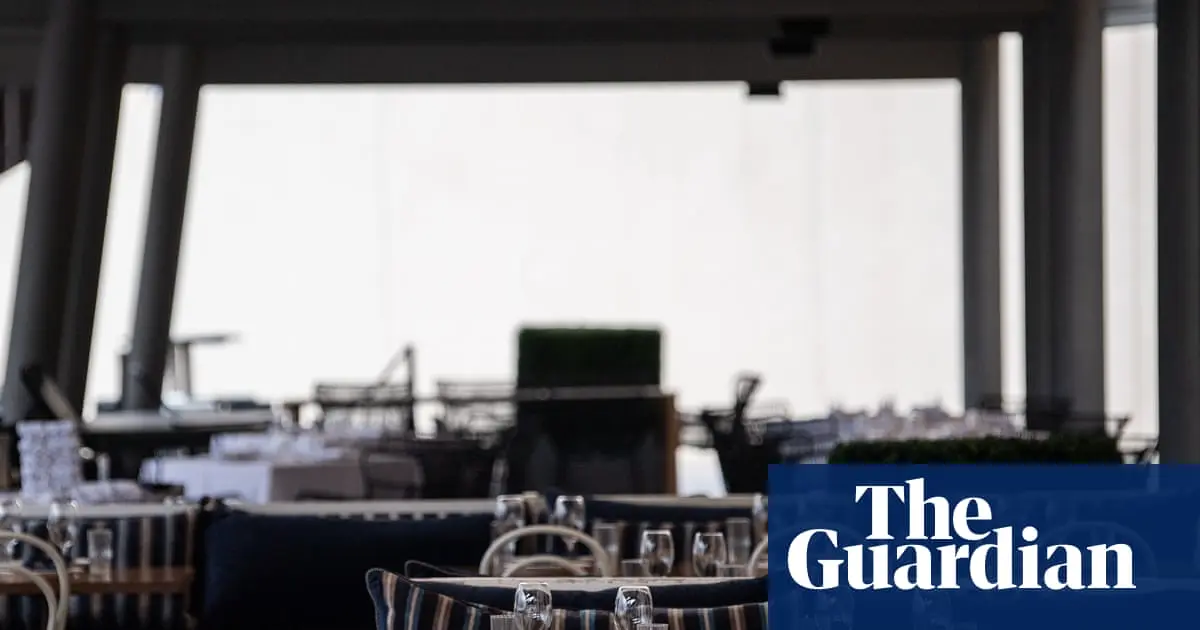
'외식 줄이기' 호주인들, 코로나 이후 최대 소비자 신뢰 타격에 고유가 위기로 외식 급감
Dinner for few: Australians eating out less as fuel crisis deals biggest blow to consumer confidence since Covid
The Guardian
· 🇬🇧 London, GB
Jonathan Barrett Business editor
EN
2026-04-15 00:00
Translated
전문가들은 '신중한 소비'가 팬데믹 기간 동안 경험했던 장기적인 재정 압박의 회귀에 대비하는 가계의 모습을 보여준다고 말한다
호주인들은 지속적인 고유가 위기와 이란 전쟁의 불확실성 속에서 더 비싼 리브아이 스테이크 대신 치킨 슈니첼을 선택하고, 애피타이저는 피하며, 와인 한 잔 대신 수도물을 마시고 있다.
지난달 미국과 이스라엘이 이란에 대한 공습을 개시하면서 주유기의 숫자가 오르기 시작하자마자 소비자들의 반응은 신속했다.
"몇 주 만에 일어났다. 이런 식의 소비자 신뢰 하락이 오면 소비자들은 그렇게 행동한다"고 레스토랑 & 케이터링 협회 회장이자 레스토랑 주인인 존 하트는 말했다. "그들은 더 저렴한 곳에서 먹거나, 평소 가던 곳에서 덜 주문한다. 가격 민감도가 매우 높아졌다."
호주의 소비자 신뢰가 급락하고 있으며, 화요일에 발표된 웨스트팩-멜버른 연구소 정서 지수는 팬데믹 발발 이후 가장 큰 월간 하락을 기록했다.
웨스트팩의 호주 거시예측 책임자인 매슈 하산은 소비자들이 팬데믹 인플레이션 급등 기간 동안 경험했던 장기적인 재정 압박의 회귀에 대비하고 있다고 말했다.
불확실한 경제 상황 동안 소비자들이 지출 습관을 바꾸는 것은 흔한 일이지만, 반응 속도는 이례적이었다. 유가에 큰 변동성을 일으킨 이란 전쟁은 전기차 판매의 즉각적인 증가와 통근 습관의 변화를 촉발했다.
가계들은 식품 가격이 오르고 품귀 현상이 발생할 수 있다는 우려로 장기 보관 가능한 식료품 비축에도 나서고 있다.
많은 사람들에게 외식 지출 감소는 기술적으로는 정식 3코스 식사와 음료를 주문할 여유가 있음에도 불구하고 미래에 대한 우려로 인해 위험 회피 행동으로 전환하는 '신중한 소비'에 관한 것이다.
다른 사람들은 이미 고유가와 금리 인상이 겹치면서 재정적 곤경에 빠지기 전부터 어려움을 겪고 있었다.
전국 부채 상담 핫라인에서 일하는 소비자 행동의 수석 재정 상담사인 커스티 롭슨은 사람들이 주유와 식료품 비용을 지불하기 위해 선불 후불 결제 서비스와 상품권을 이용하고 있다고 말했다.
"3월에 유가가 오르고 동시에 금리 인상이 이루어지자마자 사람들은 미래에 대해 매우 불안해졌고 물건을 어떻게 감당할 수 있을지 확신하지 못했다"고 롭슨은 말했다.
"이는 사람들이 이미 얼마나 빠듯하게 살았고 월급날까지 월급날을 기다리며 살았으며, 코로나19와 그 파급 효과에서 재정적으로 회복하지 못했는지를 보여주는 것이다."
외식 지출을 줄이는 사람들의 추세는 여러 조사와 데이터 출처에서 확인되었다.
미국-이란 분쟁은 불과 6주 전에 시작되었지만, 가계들은 이미 3월에 유가가 오르기 시작했을 때 재점화되는 인플레이션과 상승하는 주택담보대출금리에 직면해 있었다.
커먼웰스은행이 추적한 결제 내역에 따르면 가계는 상승하는 유가와 높은 에너지 요금을 지불하기 위해 외식 및 음주, 여행, 주택 개선에 대한 지출을 줄여 예산을 조정했다.
호주국민은행 역시 4월 초에 발표된 소비자 정서 조사에서 재량적 라이프스타일 지출이 급격히 악화되었으며, 소비자들이 외식을 줄이고 배달 음식을 삭감하고 있다고 밝혔다.
NAB는 점점 더 많은 소비자들이 커피와 간식과 같은 사치품에 대해 "줄이거나, 끊거나, 덜 쓰고" 있다고 말했다.
"이러한 카테고리는 일반적으로 완만한 경기 침체 기간 동안 가장 탄력적인데, 이러한 규모의 지출 축소는 높아진 재정적 신중함과 일상 비용의 철저한 관리를 가리킨다"고 NAB는 말했다.
하트는 사람들이 유위기에 대해 "말하는 것에 지겨워지면" 레스토랑 지출 감소가 가라앉기를 희망한다고 말했지만, 통근객에 의존하는 업장은 더 어려운 전망에 직면해 있다고 말했다.
"정말 영향을 받는 것은 당일 여행자 목적지 시장"이라고 하트는 말하며, 여행 중 방문하는 포도원과 해안 식당들을 언급했다.
"사람들은 얼마나 멀리 가는지 매우 의식하고 있다. 그들은 그냥 차에 타서 배고플 때까지 운전하지 않는다."
지난달 미국과 이스라엘이 이란에 대한 공습을 개시하면서 주유기의 숫자가 오르기 시작하자마자 소비자들의 반응은 신속했다.
"몇 주 만에 일어났다. 이런 식의 소비자 신뢰 하락이 오면 소비자들은 그렇게 행동한다"고 레스토랑 & 케이터링 협회 회장이자 레스토랑 주인인 존 하트는 말했다. "그들은 더 저렴한 곳에서 먹거나, 평소 가던 곳에서 덜 주문한다. 가격 민감도가 매우 높아졌다."
호주의 소비자 신뢰가 급락하고 있으며, 화요일에 발표된 웨스트팩-멜버른 연구소 정서 지수는 팬데믹 발발 이후 가장 큰 월간 하락을 기록했다.
웨스트팩의 호주 거시예측 책임자인 매슈 하산은 소비자들이 팬데믹 인플레이션 급등 기간 동안 경험했던 장기적인 재정 압박의 회귀에 대비하고 있다고 말했다.
불확실한 경제 상황 동안 소비자들이 지출 습관을 바꾸는 것은 흔한 일이지만, 반응 속도는 이례적이었다. 유가에 큰 변동성을 일으킨 이란 전쟁은 전기차 판매의 즉각적인 증가와 통근 습관의 변화를 촉발했다.
가계들은 식품 가격이 오르고 품귀 현상이 발생할 수 있다는 우려로 장기 보관 가능한 식료품 비축에도 나서고 있다.
많은 사람들에게 외식 지출 감소는 기술적으로는 정식 3코스 식사와 음료를 주문할 여유가 있음에도 불구하고 미래에 대한 우려로 인해 위험 회피 행동으로 전환하는 '신중한 소비'에 관한 것이다.
다른 사람들은 이미 고유가와 금리 인상이 겹치면서 재정적 곤경에 빠지기 전부터 어려움을 겪고 있었다.
전국 부채 상담 핫라인에서 일하는 소비자 행동의 수석 재정 상담사인 커스티 롭슨은 사람들이 주유와 식료품 비용을 지불하기 위해 선불 후불 결제 서비스와 상품권을 이용하고 있다고 말했다.
"3월에 유가가 오르고 동시에 금리 인상이 이루어지자마자 사람들은 미래에 대해 매우 불안해졌고 물건을 어떻게 감당할 수 있을지 확신하지 못했다"고 롭슨은 말했다.
"이는 사람들이 이미 얼마나 빠듯하게 살았고 월급날까지 월급날을 기다리며 살았으며, 코로나19와 그 파급 효과에서 재정적으로 회복하지 못했는지를 보여주는 것이다."
외식 지출을 줄이는 사람들의 추세는 여러 조사와 데이터 출처에서 확인되었다.
미국-이란 분쟁은 불과 6주 전에 시작되었지만, 가계들은 이미 3월에 유가가 오르기 시작했을 때 재점화되는 인플레이션과 상승하는 주택담보대출금리에 직면해 있었다.
커먼웰스은행이 추적한 결제 내역에 따르면 가계는 상승하는 유가와 높은 에너지 요금을 지불하기 위해 외식 및 음주, 여행, 주택 개선에 대한 지출을 줄여 예산을 조정했다.
호주국민은행 역시 4월 초에 발표된 소비자 정서 조사에서 재량적 라이프스타일 지출이 급격히 악화되었으며, 소비자들이 외식을 줄이고 배달 음식을 삭감하고 있다고 밝혔다.
NAB는 점점 더 많은 소비자들이 커피와 간식과 같은 사치품에 대해 "줄이거나, 끊거나, 덜 쓰고" 있다고 말했다.
"이러한 카테고리는 일반적으로 완만한 경기 침체 기간 동안 가장 탄력적인데, 이러한 규모의 지출 축소는 높아진 재정적 신중함과 일상 비용의 철저한 관리를 가리킨다"고 NAB는 말했다.
하트는 사람들이 유위기에 대해 "말하는 것에 지겨워지면" 레스토랑 지출 감소가 가라앉기를 희망한다고 말했지만, 통근객에 의존하는 업장은 더 어려운 전망에 직면해 있다고 말했다.
"정말 영향을 받는 것은 당일 여행자 목적지 시장"이라고 하트는 말하며, 여행 중 방문하는 포도원과 해안 식당들을 언급했다.
"사람들은 얼마나 멀리 가는지 매우 의식하고 있다. 그들은 그냥 차에 타서 배고플 때까지 운전하지 않는다."
처리 완료
398 tokens · $0.0008
기사 수집 완료 · 00:30
매체 피드에서 기사 메타데이터 수집
헤드라인 번역 완료 · 00:47
제목/요약 한국어 번역 (fetch 시점 inline)
kimi-k2.5
398 tokens
$0.00078
9.4s
본문 추출 완료
4,112자 추출 완료
본문 한국어 번역 완료 · 00:47
1,850자 번역 완료
지정학적 엔티티 추출 완료 · 00:47
5개 엔티티 추출 완료
지정학적 맥락 & R-Scanner
R-Scanner · 상승
z=1.45
평소보다 보도량이 증가 추세 — 기준: Australia
(🇦🇺 AU)
최근 6시간 21건
7일 평균 15.18건 / 6h
8개국 매체
9개 매체
본문에서 추출된 지명 (5)
위치 지도
지도 로딩 중…
같은 주제의 다른 기사 (최근 7일)
Experts say ‘cautious consumption’ shows households bracing for return to extended period of financial pressure experienced during pandemic yearsGet our breaking news email, free app or daily news podcastAustralians are choosing chicken schnitzel over more expensive rib-eye steak, avoiding entrees and sticking with tap water rather than a glass of wine amid ongoing uncertainty surrounding the fuel crisis and war in Iran.As soon as the numbers on the petrol bowser started climbing last month as the US and Israel launched strikes on Iran, the customer response was swift.
Australians are choosing chicken schnitzel over more expensive rib-eye steak, avoiding entrees and sticking with tap water rather than a glass of wine amid ongoing uncertainty surrounding the fuel crisis and war in Iran.As soon as the numbers on the petrol bowser started climbing last month as the US and Israel launched strikes on Iran, the customer response was swift.
“It happened in a matter of weeks; when you get this sort of dip in consumer confidence, that’s the way consumers act,” said John Hart, a restaurant owner and president of the Restaurant & Catering Association. “They’re eating at cheaper places or ordering less at the places they normally go.
“There’s very heightened price sensitivity.”
Consumer confidence is plummeting in Australia, with the closely watched Westpac-Melbourne Institute sentiment index, released on Tuesday, recording its sharpest monthly decline since the onset of the pandemic.
Westpac’s head of Australian macro-forecasting, Matthew Hassan, said consumers are bracing for a return to the extended period of financial pressure experienced during the pandemic inflation surge.
While it is common for consumers to change their spending habits during uncertain economic times, the speed of the response has been unusual. The Iran war, which has triggered huge volatility in oil prices, sparked an immediate rise in electric vehicle sales and changes in commuter habits.
Households are also stocking up on long-life pantry staples over fears food prices will rise and shortages could occur.
For many people, their reduced spending on dining out is about “cautious consumption”, whereby they shift into risk-averse behaviour due to concerns over the future – even though they could technically afford to order a full three-course meal and drinks.
Others were already struggling before the surge in petrol prices, coupled with interest rate hikes, pushed them into financial distress.
Kirsty Robson, a senior financial counsellor from Consumer Action working on the national debt helpline, said people are turning to buy-now pay-later providers and gift cards to pay for petrol and groceries.
“As soon as petrol prices went up in March and the interest rate rise occurred at the same time, people became very anxious about the future and were unsure how they were going to afford to pay for things,” said Robson.
“It’s indicative of how much people were already on the edge and living paycheque to paycheque, and had not financially recovered from Covid and its flow-on effects.”
The trend of people paring their spending on dining out has been confirmed by multiple surveys and data sources.
While the US-Iran conflict only started about six weeks ago, households were already facing reigniting inflation and rising mortgage rates heading into March when petrol prices started to climb.
Payments tracked by Commonwealth Bank show that households have adjusted their budgets to pay for rising fuel prices and elevated energy bills by spending less on eating and drinking out, travel and home improvement.
National Australia Bank also found in its consumer sentiment survey released in early April that discretionary and lifestyle spending had experienced a sharp deterioration, with consumers eating out less and cutting back on food deliveries.
NAB said that a rising number of consumers are “reducing, cutting or spending less” on treats such as coffee and snacks.
“These categories are typically among the most resilient during milder slowdowns, so the scale of the pullback points to heightened financial caution and close management of day-to-day expenses,” NAB said.
Hart said he hoped the pullback in restaurant spending will subside once people get “sick of talking” about the oil crisis, although he says venues that rely on commuters are facing a tougher outlook.
“It’s the day-tripper destination market that’s really being affected,” said Hart, referring to vineyard and coastal eateries people visit during trips.
“People are very conscious of how far they’re going. They are not just getting in the car and driving until they get hungry.”