DeepSeek의 후속작, 오픈소스 AI에서 중국의 영향력 확대 예상
DeepSeek’s Sequel Set to Extend China’s Reach in Open-Source A.I.
The New York Times
· 🇺🇸 New York, US
Meaghan Tobin and Cade Metz
EN
2026-04-24 13:29
Translated
중국 기업들은 가장 첨단의 인공지능 모델을 모두에게 공개하는 방식을 채택했습니다.
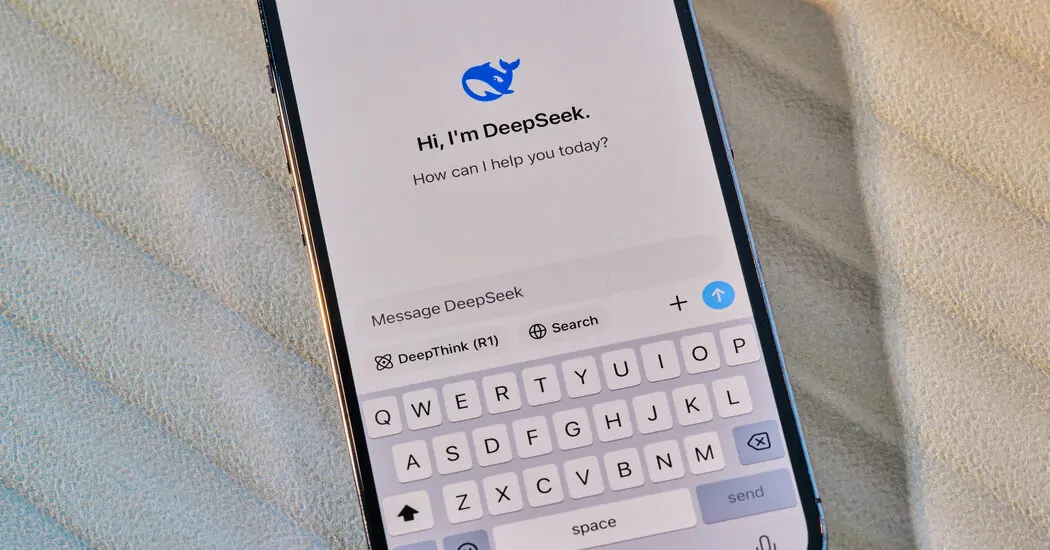
중국 스타트업 DeepSeek는 2025년 1월에 미국 경쟁사들이 쓴 비용의 극히 일부로 고급 AI 시스템을 개발했다는 주장으로 업계에 충격을 주었습니다.
메건 토빈과 케이드 메츠 기자
메건 토빈은 대만 타이페이에서, 케이드 메츠는 샌프란시스코에서 보도했습니다.
중국 스타트업 DeepSeek이 지난해 인공지능 모델 중 하나에 대한 세부사항을 공개했을 때, 그것은 기술 업계 전역에 충격파를 보냈습니다.
이 회사는 OpenAI 및 Anthropic 같은 미국 경쟁사들보다 훨씬 적은 컴퓨터 칩 비용으로 시스템을 구축했다고 말했습니다. 이는 중국의 "DeepSeek 모멘트"라고 알려지게 된 것의 시작을 알렸으며, 이는 중국 AI 회사들이 자신들의 기술 역량을 세계에 선보일 준비가 되었다는 신념을 의미합니다.
DeepSeek 모멘트는 글로벌 AI 환경의 변화를 반영했습니다. 이 변화는 비용 절감뿐만 아니라 기술 공유 방식의 개방성도 관련되어 있었습니다.
DeepSeek은 자신의 모델들을 오픈소스로 공개했으며, 이는 다른 사람들이 자유롭게 사용하고 수정할 수 있다는 의미입니다. 이와 대조적으로 OpenAI와 Anthropic은 자신들의 주요 모델들을 독점적으로 유지했습니다. 이 사건은 오픈소스 시스템이 폐쇄형 버전만큼 잘 작동할 수 있음을 입증했습니다. 그 이후 몇 개월 동안 중국 회사들은 수십 개의 다른 오픈소스 모델을 공개했습니다. 2025년 말까지, 이러한 모델들은 전 세계 AI 사용량의 상당한 비중을 차지했습니다.
금요일에 DeepSeek은 오픈소스로 공개할 계획인 오랫동안 기다려진 후속작 V4의 미리보기를 공개했습니다. 새로운 모델은 컴퓨터 코드 작성에 탁월하며, 이는 주요 AI 시스템에 점점 더 중요한 기술입니다. AI 기술의 성능을 추적하는 회사인 Vals AI의 테스트에 따르면, 코드 생성에서 다른 모든 오픈소스 시스템을 크게 능가했습니다.
DeepSeek은 또 다른 중국 스타트업인 Moonshot AI가 최신 오픈소스 모델인 Kimi 2.6을 출시한 지 며칠 후 새로운 모델을 공개했습니다. 이러한 시스템들은 Anthropic과 OpenAI의 주요 미국 모델의 코딩 역량에는 미치지 못하지만, 격차는 좁혀지고 있습니다.
그 의미는 실질적입니다. AI를 사용하여 코드를 작성하는 것은 더 빠르며 인간 프로그래머가 더 큰 문제에 집중할 수 있게 해줍니다. 또한 사람들은 DeepSeek의 최신 릴리스를 사용하여 AI 에이전트를 구동할 수 있으며, 이는 스프레드시트, 온라인 캘린더 및 이메일 서비스를 포함하여 사무 근로자를 위해 다른 소프트웨어 애플리케이션을 사용할 수 있는 개인 디지털 어시스턴트입니다.
AI 시스템이 컴퓨터 코드 작성에 더 나아짐에 따라, 소프트웨어의 보안 취약점을 찾는 데도 더 능해지고 있으며, 이는 사이버보안을 근본적으로 변화시키고 있는 기술입니다. 이는 DeepSeek과 같은 도구를 컴퓨터 네트워크를 공격하고 방어하는 데 모두 사용할 수 있다는 의미입니다.
전반적인 작업에서 DeepSeek V4는 Moonshot의 최신 모델과 동등합니다. Vals AI의 최고경영자 라얀 크리슈난은 "기본적으로 동등하다"고 말했습니다.
DeepSeek의 최신 공개에 앞서 몇 개월 동안, 외국 경쟁사들은 또 다른 호의적인 헤드라인의 라운드를 선제적으로 대응하려고 움직였습니다. 실리콘 밸리의 AI 거대 기업인 Anthropic과 OpenAI는 DeepSeek이 증류(distillation)라는 과정을 통해 부정정하게 자신들의 기술을 활용했다고 말했으며, 이 과정에서 엔지니어들은 경쟁 모델을 수백만 번 쿼리하고 그 행동을 복사함으로써 경쟁 모델을 모방합니다.
최고 성능의 AI 시스템을 구축하기 위한 경쟁은 지정학적 권력 투쟁으로 변모했습니다. 실리콘 밸리의 Anthropic과 OpenAI의 지도자들이 자신들의 기술이 독재 국가의 손에 있으면 위험할 것이라고 경고하는 동안, 중국은 AI 초강대국이 되기 위해 수십억 달러를 투자했으며, 이 기술을 경제 성장의 중요한 엔진으로 보고 있습니다.
DeepSeek의 오픈소스 모델들은 이 전략의 핵심입니다. 많은 서방 기업들이 자신들의 가장 가치 있는 모델을 보호하는 동안, 중국은 오픈소스를 수용했으며 거의 모든 상위 성능 시스템이 널리 이용 가능합니다.
그럼에도 불구하고 중국의 AI 회사들은 주요 장애물에 직면해 있습니다. 세 개의 미국 행정부는 첨단 AI 시스템에 필요한 고급 칩에 대한 접근을 제한하는 수출 통제를 부과했습니다. 그리고 실리콘 밸리의 회사들은 최고의 AI 인재 확보 경쟁에서 중국 경쟁사들보다 더 많이 지출을 계속하고 있습니다.
중국의 오픈소스 AI 진출은 미국 의회 자문 기관의 새로운 연구에 따르면 국내에서 주요 경제적 이점이 되었습니다. 사용에 대한 장벽이 거의 없어서, 이러한 시스템들은 로봇공학, 물류 및 제조와 같은 산업 전역에 확산되었습니다. 이 연구는 이러한 산업 응용 프로그램이 AI 시스템을 개선하는 데 사용되는 실제 데이터를 생성한다는 것을 발견했습니다.
이 접근 방식은 중국 기술 회사들이 전 세계 프로그래머와 엔지니어들이 새로운 제품을 구축하기 위해 자신들의 시스템을 채택함에 따라 글로벌 영향력을 확보하도록 허용했습니다.
라고스에서 쿠알라룸푸르까지, 예산이 부족한 개발자들은 중국 오픈소스 모델로 전환하고 있습니다. 왜냐하면 이들이 실행하기에 더 저렴하고 따라서 실험하기가 더 용이하기 때문입니다. 지난 5월, 말레이시아의 통신 부차관은 해당 국가의 주권적 AI 인프라가 DeepSeek의 기술 위에 구축될 것이라고 말했습니다.
AI 모델 마켓플레이스인 OpenRouter의 연구에 따르면, 중국 오픈소스 모델은 지난해 약 3분의 1의 글로벌 AI 사용량을 차지했습니다. DeepSeek이 가장 널리 사용되었으며, 그 다음은 중국 인터넷 회사인 알리바바의 모델들입니다.
이는 더 광범위한 전략을 반영합니다. 중국 회사들이 해외로 확장함에 따라, 자신들의 시스템을 오픈소스로 만드는 것은 더 저렴하고 더 접근 가능한 도구를 제공함으로써 코더들의 견인력을 얻을 수 있도록 도와줍니다.
"오픈소스는 미래 기술의 소프트 파워입니다"라고 AI 기술에 투자하는 헤지펀드인 Interconnected Capital의 미국 기반 창립자 Kevin Xu는 말했습니다. Xu와 그의 펀드는 DeepSeek에 투자하지 않습니다.
베이징의 Counterpoint Research에서 AI 수석 분석가인 Wei Sun은 DeepSeek의 성공이 중국의 기술 거대 기업들이 자신들의 AI 시스템을 공개적으로 공개하도록 길을 열었다고 말했습니다.
알리바바는 그 이후 지도자로 떠올랐습니다. 그것의 Qwen 모델 제품군은 10억 건의 다운로드를 초과했습니다. TikTok의 모회사인 ByteDance도 2024년에 AI 인프라에 110억 달러를 지출한 후 자신의 기술 세부사항의 일부를 공유했습니다.
"중국의 오픈소스 빌더들의 AI 세대는 아마도 2025년의 가장 큰 AI 이야기였습니다"라고 Xu는 말했습니다. "모델들의 진전, 릴리스의 속도, 그리고 서로 경쟁하지만 또한 서로를 응원하는 것으로 보이는 AI 랩의 수는 빠르고 맹렬하게 진행되었으며 둔화될 조짐이 없습니다."
메건 토빈은 중국에 초점을 두고 아시아에서 비즈니스 및 기술 이야기를 다루며 타이페이에 거주합니다.
케이드 메츠는 인공지능, 자율주행자동차, 로봇공학, 가상현실 및 기타 신흥 기술 분야에 대해 기고하는 뉴욕타임스 기자입니다.
메건 토빈과 케이드 메츠 기자
메건 토빈은 대만 타이페이에서, 케이드 메츠는 샌프란시스코에서 보도했습니다.
중국 스타트업 DeepSeek이 지난해 인공지능 모델 중 하나에 대한 세부사항을 공개했을 때, 그것은 기술 업계 전역에 충격파를 보냈습니다.
이 회사는 OpenAI 및 Anthropic 같은 미국 경쟁사들보다 훨씬 적은 컴퓨터 칩 비용으로 시스템을 구축했다고 말했습니다. 이는 중국의 "DeepSeek 모멘트"라고 알려지게 된 것의 시작을 알렸으며, 이는 중국 AI 회사들이 자신들의 기술 역량을 세계에 선보일 준비가 되었다는 신념을 의미합니다.
DeepSeek 모멘트는 글로벌 AI 환경의 변화를 반영했습니다. 이 변화는 비용 절감뿐만 아니라 기술 공유 방식의 개방성도 관련되어 있었습니다.
DeepSeek은 자신의 모델들을 오픈소스로 공개했으며, 이는 다른 사람들이 자유롭게 사용하고 수정할 수 있다는 의미입니다. 이와 대조적으로 OpenAI와 Anthropic은 자신들의 주요 모델들을 독점적으로 유지했습니다. 이 사건은 오픈소스 시스템이 폐쇄형 버전만큼 잘 작동할 수 있음을 입증했습니다. 그 이후 몇 개월 동안 중국 회사들은 수십 개의 다른 오픈소스 모델을 공개했습니다. 2025년 말까지, 이러한 모델들은 전 세계 AI 사용량의 상당한 비중을 차지했습니다.
금요일에 DeepSeek은 오픈소스로 공개할 계획인 오랫동안 기다려진 후속작 V4의 미리보기를 공개했습니다. 새로운 모델은 컴퓨터 코드 작성에 탁월하며, 이는 주요 AI 시스템에 점점 더 중요한 기술입니다. AI 기술의 성능을 추적하는 회사인 Vals AI의 테스트에 따르면, 코드 생성에서 다른 모든 오픈소스 시스템을 크게 능가했습니다.
DeepSeek은 또 다른 중국 스타트업인 Moonshot AI가 최신 오픈소스 모델인 Kimi 2.6을 출시한 지 며칠 후 새로운 모델을 공개했습니다. 이러한 시스템들은 Anthropic과 OpenAI의 주요 미국 모델의 코딩 역량에는 미치지 못하지만, 격차는 좁혀지고 있습니다.
그 의미는 실질적입니다. AI를 사용하여 코드를 작성하는 것은 더 빠르며 인간 프로그래머가 더 큰 문제에 집중할 수 있게 해줍니다. 또한 사람들은 DeepSeek의 최신 릴리스를 사용하여 AI 에이전트를 구동할 수 있으며, 이는 스프레드시트, 온라인 캘린더 및 이메일 서비스를 포함하여 사무 근로자를 위해 다른 소프트웨어 애플리케이션을 사용할 수 있는 개인 디지털 어시스턴트입니다.
AI 시스템이 컴퓨터 코드 작성에 더 나아짐에 따라, 소프트웨어의 보안 취약점을 찾는 데도 더 능해지고 있으며, 이는 사이버보안을 근본적으로 변화시키고 있는 기술입니다. 이는 DeepSeek과 같은 도구를 컴퓨터 네트워크를 공격하고 방어하는 데 모두 사용할 수 있다는 의미입니다.
전반적인 작업에서 DeepSeek V4는 Moonshot의 최신 모델과 동등합니다. Vals AI의 최고경영자 라얀 크리슈난은 "기본적으로 동등하다"고 말했습니다.
DeepSeek의 최신 공개에 앞서 몇 개월 동안, 외국 경쟁사들은 또 다른 호의적인 헤드라인의 라운드를 선제적으로 대응하려고 움직였습니다. 실리콘 밸리의 AI 거대 기업인 Anthropic과 OpenAI는 DeepSeek이 증류(distillation)라는 과정을 통해 부정정하게 자신들의 기술을 활용했다고 말했으며, 이 과정에서 엔지니어들은 경쟁 모델을 수백만 번 쿼리하고 그 행동을 복사함으로써 경쟁 모델을 모방합니다.
최고 성능의 AI 시스템을 구축하기 위한 경쟁은 지정학적 권력 투쟁으로 변모했습니다. 실리콘 밸리의 Anthropic과 OpenAI의 지도자들이 자신들의 기술이 독재 국가의 손에 있으면 위험할 것이라고 경고하는 동안, 중국은 AI 초강대국이 되기 위해 수십억 달러를 투자했으며, 이 기술을 경제 성장의 중요한 엔진으로 보고 있습니다.
DeepSeek의 오픈소스 모델들은 이 전략의 핵심입니다. 많은 서방 기업들이 자신들의 가장 가치 있는 모델을 보호하는 동안, 중국은 오픈소스를 수용했으며 거의 모든 상위 성능 시스템이 널리 이용 가능합니다.
그럼에도 불구하고 중국의 AI 회사들은 주요 장애물에 직면해 있습니다. 세 개의 미국 행정부는 첨단 AI 시스템에 필요한 고급 칩에 대한 접근을 제한하는 수출 통제를 부과했습니다. 그리고 실리콘 밸리의 회사들은 최고의 AI 인재 확보 경쟁에서 중국 경쟁사들보다 더 많이 지출을 계속하고 있습니다.
중국의 오픈소스 AI 진출은 미국 의회 자문 기관의 새로운 연구에 따르면 국내에서 주요 경제적 이점이 되었습니다. 사용에 대한 장벽이 거의 없어서, 이러한 시스템들은 로봇공학, 물류 및 제조와 같은 산업 전역에 확산되었습니다. 이 연구는 이러한 산업 응용 프로그램이 AI 시스템을 개선하는 데 사용되는 실제 데이터를 생성한다는 것을 발견했습니다.
이 접근 방식은 중국 기술 회사들이 전 세계 프로그래머와 엔지니어들이 새로운 제품을 구축하기 위해 자신들의 시스템을 채택함에 따라 글로벌 영향력을 확보하도록 허용했습니다.
라고스에서 쿠알라룸푸르까지, 예산이 부족한 개발자들은 중국 오픈소스 모델로 전환하고 있습니다. 왜냐하면 이들이 실행하기에 더 저렴하고 따라서 실험하기가 더 용이하기 때문입니다. 지난 5월, 말레이시아의 통신 부차관은 해당 국가의 주권적 AI 인프라가 DeepSeek의 기술 위에 구축될 것이라고 말했습니다.
AI 모델 마켓플레이스인 OpenRouter의 연구에 따르면, 중국 오픈소스 모델은 지난해 약 3분의 1의 글로벌 AI 사용량을 차지했습니다. DeepSeek이 가장 널리 사용되었으며, 그 다음은 중국 인터넷 회사인 알리바바의 모델들입니다.
이는 더 광범위한 전략을 반영합니다. 중국 회사들이 해외로 확장함에 따라, 자신들의 시스템을 오픈소스로 만드는 것은 더 저렴하고 더 접근 가능한 도구를 제공함으로써 코더들의 견인력을 얻을 수 있도록 도와줍니다.
"오픈소스는 미래 기술의 소프트 파워입니다"라고 AI 기술에 투자하는 헤지펀드인 Interconnected Capital의 미국 기반 창립자 Kevin Xu는 말했습니다. Xu와 그의 펀드는 DeepSeek에 투자하지 않습니다.
베이징의 Counterpoint Research에서 AI 수석 분석가인 Wei Sun은 DeepSeek의 성공이 중국의 기술 거대 기업들이 자신들의 AI 시스템을 공개적으로 공개하도록 길을 열었다고 말했습니다.
알리바바는 그 이후 지도자로 떠올랐습니다. 그것의 Qwen 모델 제품군은 10억 건의 다운로드를 초과했습니다. TikTok의 모회사인 ByteDance도 2024년에 AI 인프라에 110억 달러를 지출한 후 자신의 기술 세부사항의 일부를 공유했습니다.
"중국의 오픈소스 빌더들의 AI 세대는 아마도 2025년의 가장 큰 AI 이야기였습니다"라고 Xu는 말했습니다. "모델들의 진전, 릴리스의 속도, 그리고 서로 경쟁하지만 또한 서로를 응원하는 것으로 보이는 AI 랩의 수는 빠르고 맹렬하게 진행되었으며 둔화될 조짐이 없습니다."
메건 토빈은 중국에 초점을 두고 아시아에서 비즈니스 및 기술 이야기를 다루며 타이페이에 거주합니다.
케이드 메츠는 인공지능, 자율주행자동차, 로봇공학, 가상현실 및 기타 신흥 기술 분야에 대해 기고하는 뉴욕타임스 기자입니다.
처리 완료
6,007 tokens · $0.0175
기사 수집 완료 · 13:55
매체 피드에서 기사 메타데이터 수집
헤드라인 번역 완료 · 14:02
제목/요약 한국어 번역 (fetch 시점 inline)
claude-haiku-4-5-20251001
187 tokens
$0.00046
1.6s
본문 추출 완료
6,679자 추출 완료
본문 한국어 번역 완료 · 14:02
3,672자 번역 완료
claude-haiku-4-5-20251001
5,820 tokens
$0.01703
35.7s
지정학적 엔티티 추출 완료 · 14:02
8개 엔티티 추출 완료
지정학적 맥락 & R-Scanner
R-Scanner · 평상
z=-0.01
일상적인 보도 수준 — 기준: China
(🇨🇳 CN)
최근 6시간 14건
7일 평균 14.04건 / 6h
8개국 매체
10개 매체
본문에서 추출된 지명 (8)
China
🇨🇳
United States
🇺🇸
Taiwan
🇹🇼
Taipei
🇹🇼
San Francisco
🇺🇸
Silicon Valley
🇺🇸
Malaysia
🇲🇾
Lagos
🇳🇬
위치 지도
지도 로딩 중…
같은 주제의 다른 기사 (최근 7일)
Chinese companies have embraced making their most advanced artificial intelligence models available to all.
The Chinese start-up DeepSeek shook the industry in January 2025 with its claim that it had created an advanced A.I. system for a fraction of what its American rivals spent.Credit...Kelsey McClellan for The New York TimesBy Meaghan Tobin and Cade Metz
Meaghan Tobin reported from Taipei, Taiwan, and Cade Metz from San Francisco.
When the Chinese start-up DeepSeek published details about one of its artificial intelligence models last year, it sent shock waves through the tech industry.
The company said it had built its system by spending far less on computer chips than American rivals like OpenAI and Anthropic. It marked the start of what became known as China’s “DeepSeek moment,” shorthand for the belief that Chinese A.I. companies were ready to showcase their technical capabilities to the world.
The DeepSeek moment reflected a shift in the global A.I. landscape. The change was not only about lower costs, but also openness in how the technology is shared.
DeepSeek released its models as open source, which means others can freely use and modify them. By contrast, OpenAI and Anthropic kept their leading models proprietary. The episode demonstrated that an open-source system could perform almost as well as closed versions. In the months that followed, Chinese firms released dozens of other open-source models. By the end of 2025, these models made up a significant share of global A.I. usage.
On Friday, DeepSeek released a preview of V4, its long-awaited follow-up model, which it intends to open source. The new model excels at writing computer code, an increasingly important skill for leading A.I. systems. It significantly outperformed every other open-source system at generating code, according to tests from Vals AI, a company that tracks the performance of A.I. technologies.
DeepSeek released its new model just days after Moonshot AI, another Chinese start-up, introduced its latest open-source model, Kimi 2.6. While these systems trail the coding capabilities of the leading U.S. models from Anthropic and OpenAI, the gap is narrowing.
The implications are meaningful. Using A.I. to write code is faster and frees up human programmers to focus on bigger issues. It also means people can use DeepSeek’s latest release to power A.I. agents, which are personal digital assistants that can use other software applications on behalf of office workers, including spreadsheets, online calendars and email services.
As A.I. systems improve at writing computer code, they are also getting better at finding security vulnerabilities in software — a skill that is fundamentally changing cybersecurity. That means tools like DeepSeek’s can be used to both attack and defend computer networks.
Across tasks, DeepSeek V4 is on par with Moonshot’s latest model. “They are basically neck-and-neck,” said Rayan Krishnan, the chief executive of Vals AI.
In the months leading up to DeepSeek’s latest release, foreign rivals moved to pre-empt another round of glowing headlines. Silicon Valley’s A.I. giants, Anthropic and OpenAI, said DeepSeek had unfairly piggybacked on their technology through distillation, a process in which engineers mimic a rival model by querying it millions of times and copying its behavior.
The competition to build the best-performing A.I. systems has transformed into a geopolitical power struggle. While Silicon Valley leaders at Anthropic and OpenAI warn that their technology would be dangerous in the hands of autocratic countries, China has invested billions to become an A.I. superpower, viewing the technology as a critical engine of economic growth.
DeepSeek’s open-source models are central to this strategy. While many Western companies guard their most valuable models, China has embraced open source and almost all of its top-performing systems are widely available.
Even so, Chinese A.I. firms face major hurdles. Three U.S. administrations have imposed export controls limiting access to advanced chips needed for cutting-edge A.I. systems. And firms in Silicon Valley continue to outspend Chinese rivals in the race for top A.I. talent.
China’s push into open-source A.I. has become a major economic advantage at home, according to a new study by a U.S. congressional advisory body. With few barriers to use, the systems have spread across industries such as robotics, logistics and manufacturing. The study found that these industrial applications generate real-world data that are used to improve A.I. systems.
This approach has allowed Chinese tech firms to capture global influence, as programmers and engineers around the world adopt their systems to build new products.
From Lagos to Kuala Lumpur, developers on tight budgets are turning to Chinese open-source models because they are cheaper to run and therefore easier to experiment with. Last May, Malaysia’s deputy minister of communications said the country’s sovereign A.I. infrastructure would be built on DeepSeek’s technology.
Chinese open-source models accounted for roughly one-third of global A.I. usage last year, according to a study by OpenRouter, an A.I. model marketplace. DeepSeek was the most widely used, followed by models from Alibaba, the Chinese internet company.
That reflects a broader strategy. As Chinese companies expand abroad, making their systems open-source helps them gain traction with coders by offering cheaper, more accessible tools.
“Open source is the soft power of technology of the future,” said Kevin Xu, the U.S.-based founder of Interconnected Capital, a hedge fund that invests in artificial intelligence technologies. Mr. Xu and his fund do not invest in DeepSeek.
Wei Sun, a principal analyst in A.I. at Counterpoint Research in Beijing, said DeepSeek’s success paved the way for China’s tech giants to release their A.I. systems publicly rather than closely guarding them.
Alibaba has since emerged as a leader. Its Qwen model family has surpassed 1 billion downloads. ByteDance, parent company of TikTok, has also shared some details of its technology after spending $11 billion on A.I. infrastructure in 2024.
“The A.I. generation of open-source builders from China was arguably the biggest A.I. story in 2025,” Mr. Xu said. “The progress of the models, the pace of the releases, and the number of A.I. labs that both compete with each other but also seem to cheer each other on came fast and furious with no signs of slowing down.”
Meaghan Tobin covers business and tech stories in Asia with a focus on China and is based in Taipei.
Cade Metz is a Times reporter who writes about artificial intelligence, driverless cars, robotics, virtual reality and other emerging areas of technology.