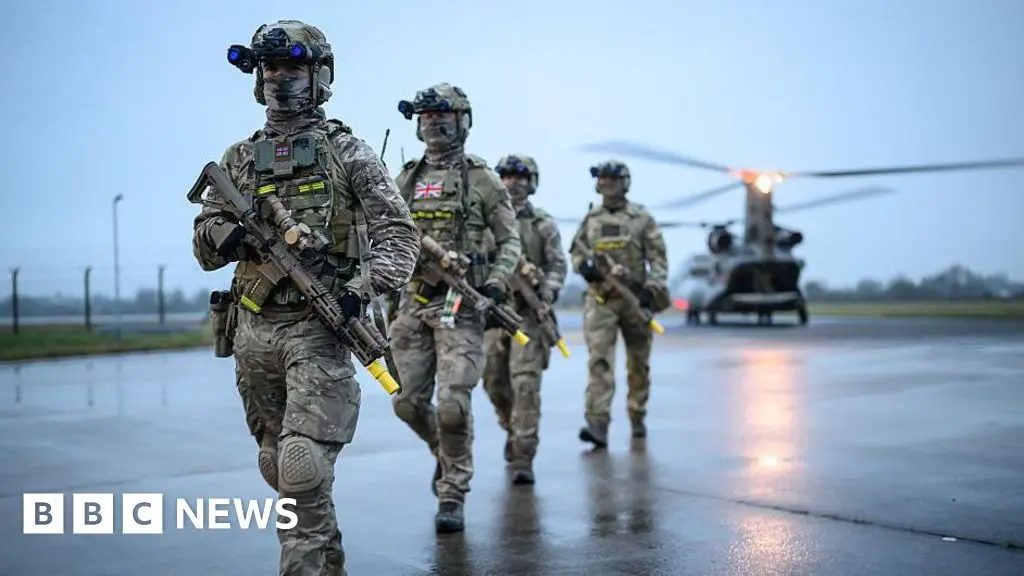
방위비 지출에 대한 안일함 비판, 정부에 타격 줄 것
Criticism of complacency on defence spending will sting government
BBC News
· 🇬🇧 London, GB
EN
2026-04-15 01:28
Translated
정부는 영국의 방위 능력에 대한 어려운 질문에 직면해 있다고 조나단 빌이 보도한다.
조지 로버트슨 경이 방위에 대한 "부식성 안일함"에 대해 한 발언은 정부에 타격을 줄 것이다.
그는 노동당이 전략적 방위 검토(SDR)를 수행하도록 특별히 선발한 전 국방장관이었다.
이 검토는 영국 군대의 심각한 결함을 강조했으며, 장관들은 이것이 크게 지연된 방위 투자 계획에서 해결될 것이라고 말했다.
장관들은 크리스마스 전에 그 10년 계획을 발표하겠다고 약속했지만, 최근 보도에 따르면 정부 내에서 여전히 논쟁 중인 것으로 나타난다.
이러한 지연은 국방부가 향후 4년간 280억 파운드의 자금 부족에 직면했다는 보도와 함께 나타나고 있다.
지난달 발언에서 SDR 저자 중 한 명인 리처드 배런스 장군은 영국 육군이 더 이상 "실질적인 것을 할 수 없으며", 너무 약해져 "좋은 날에는 작은 시장 마을만 점령할 수 있다"고 말했다.
작년 하원 보고서는 영국이 "많은 이들에 의해" 장거리 탄도 미사일에 대해 점점 더 취약하다고 여겨진다고 지적했다.
병력 규모도 줄었고 일부 노후 장비는 상태가 좋지 않다.
노동당은 집권하면서 군대의 공동화를 되돌리겠다고 약속했지만, 여전히 매우 빈약한 상태다.
내년에 방위비를 국민소득의 2.5%로 증액하고 있는데, 이는 이번 의회에서 충분한 약속이 될 것이라고 집권하며 생각했던 것이다.
하지만 세계적 사건들이 새로운 도전을 던지면서, 현재는 2035년까지 새로운 나토 지출 목표인 3.5%를 달성하겠다는 더 모호한 약속에 묶여 있다.
이 투자는 지난 10년간 방위비 감소의 긴 여운을 따르는 것으로, 2009년에서 2017년 사이에 22% 감소했으며 최근에서야 2010년 수준으로 회복했다.
방위 업계 많은 이들은 증액된 지출이 너무 늦게 이루어지고 있다고 믿고 있다.
영국은 이미 많은 동맹국들에 뒤처지고 있다. 2020년에는 나토에서 4번째로 큰 방위비 지출국이었으나, 현재는 14위로 하락했다.
대부분의 나토 동맹국들이 방위비 지출을 훨씬 빠르게 늘렸고, 정부의 동맹 주요 회원국이라는 주장은 점점 덜 설득력 있게 되고 있다.
여러 차례의 검토와 재편이 있었지만, 지금까지 상대적으로 보여줄 것이 거의 없다.
이 모든 것은 정부가 러시아, 이란, 중국으로부터의 증가하는 위협을 반복해서 강조해 온 가운데 나타나고 있다.
도널드 트럼프 미국 대통령도 압박을 가하고 있다.
대서양 동맹의 긴장과 이른바 특수 관계는 영국과 그 군대에 대해 심각한 질문을 제기한다.
영국이 더 이상 세계 최강의 군사력에 의존할 수 없다면, 스스로 더 많은 것을 해야 할 것이다.
그는 노동당이 전략적 방위 검토(SDR)를 수행하도록 특별히 선발한 전 국방장관이었다.
이 검토는 영국 군대의 심각한 결함을 강조했으며, 장관들은 이것이 크게 지연된 방위 투자 계획에서 해결될 것이라고 말했다.
장관들은 크리스마스 전에 그 10년 계획을 발표하겠다고 약속했지만, 최근 보도에 따르면 정부 내에서 여전히 논쟁 중인 것으로 나타난다.
이러한 지연은 국방부가 향후 4년간 280억 파운드의 자금 부족에 직면했다는 보도와 함께 나타나고 있다.
지난달 발언에서 SDR 저자 중 한 명인 리처드 배런스 장군은 영국 육군이 더 이상 "실질적인 것을 할 수 없으며", 너무 약해져 "좋은 날에는 작은 시장 마을만 점령할 수 있다"고 말했다.
작년 하원 보고서는 영국이 "많은 이들에 의해" 장거리 탄도 미사일에 대해 점점 더 취약하다고 여겨진다고 지적했다.
병력 규모도 줄었고 일부 노후 장비는 상태가 좋지 않다.
노동당은 집권하면서 군대의 공동화를 되돌리겠다고 약속했지만, 여전히 매우 빈약한 상태다.
내년에 방위비를 국민소득의 2.5%로 증액하고 있는데, 이는 이번 의회에서 충분한 약속이 될 것이라고 집권하며 생각했던 것이다.
하지만 세계적 사건들이 새로운 도전을 던지면서, 현재는 2035년까지 새로운 나토 지출 목표인 3.5%를 달성하겠다는 더 모호한 약속에 묶여 있다.
이 투자는 지난 10년간 방위비 감소의 긴 여운을 따르는 것으로, 2009년에서 2017년 사이에 22% 감소했으며 최근에서야 2010년 수준으로 회복했다.
방위 업계 많은 이들은 증액된 지출이 너무 늦게 이루어지고 있다고 믿고 있다.
영국은 이미 많은 동맹국들에 뒤처지고 있다. 2020년에는 나토에서 4번째로 큰 방위비 지출국이었으나, 현재는 14위로 하락했다.
대부분의 나토 동맹국들이 방위비 지출을 훨씬 빠르게 늘렸고, 정부의 동맹 주요 회원국이라는 주장은 점점 덜 설득력 있게 되고 있다.
여러 차례의 검토와 재편이 있었지만, 지금까지 상대적으로 보여줄 것이 거의 없다.
이 모든 것은 정부가 러시아, 이란, 중국으로부터의 증가하는 위협을 반복해서 강조해 온 가운데 나타나고 있다.
도널드 트럼프 미국 대통령도 압박을 가하고 있다.
대서양 동맹의 긴장과 이른바 특수 관계는 영국과 그 군대에 대해 심각한 질문을 제기한다.
영국이 더 이상 세계 최강의 군사력에 의존할 수 없다면, 스스로 더 많은 것을 해야 할 것이다.
처리 완료
2,233 tokens · $0.0044
기사 수집 완료 · 01:55
매체 피드에서 기사 메타데이터 수집
헤드라인 번역 완료 · 02:07
제목/요약 한국어 번역 (fetch 시점 inline)
kimi-k2.5
134 tokens
$0.00023
3.3s
본문 추출 완료
2,573자 추출 완료
본문 한국어 번역 완료 · 02:07
1,252자 번역 완료
kimi-k2.5
2,099 tokens
$0.00417
36.4s
지정학적 엔티티 추출 완료 · 02:07
5개 엔티티 추출 완료
지정학적 맥락 & R-Scanner
R-Scanner · 평상
z=-0.96
일상적인 보도 수준 — 기준: UK
(🇬🇧 GB)
최근 6시간 20건
7일 평균 24.89건 / 6h
7개국 매체
10개 매체
본문에서 추출된 지명 (5)
위치 지도
지도 로딩 중…
같은 주제의 다른 기사 (최근 7일)
The government faces tough questions about the ability to defend the UK, writes Jonathan Beale.
Lord George Robertson's comments about "corrosive complacency" on defence will sting the government.He was the former defence secretary handpicked by Labour to carry out its Strategic Defence Review (SDR).
That highlighted serious gaps in the UK's armed forces - which ministers said would be addressed in its much-delayed defence investment plan.
Ministers had promised to publish that 10-year plan before Christmas, but recent reports suggest it is still being argued over within government.
The delays come alongside reports of the Ministry of Defence facing a £28bn funding shortfall over the next four years.
Speaking last month, General Sir Richard Barrons, another one of the authors of the SDR, said the British Army could no longer do "anything substantial", and was so depleted it could only "seize a small market town on a good day".
Last year, a House of Commons report noted that the UK is "considered by many" to be increasingly vulnerable to long-range ballistic missiles.
Troop headcount is also down and some ageing equipment is in a poor state.
Labour came to power promising to reverse the hollowing out of the armed forces, but they remain pretty threadbare.
It is increasing defence spending to 2.5% of national income next year - something it came to power thinking would be enough of a commitment in this parliament.
But as global events have thrown up new challenges, it is now tied to a vaguer pledge to meet a new Nato spending target of 3.5% by 2035.
This investment follows the long tail of a decrease in defence spending during the last decade, dropping by 22% between 2009 and 2017 - only recently returning to 2010 levels.
Many in the defence sector believe the increased spending is coming too late.
Britain is already falling behind many allies. Whereas it was the fourth largest defence spender in Nato in 2020 – it has now dropped to 14th.
Most Nato allies have ramped up defence spending much faster, and the government's claim to be a leading member of the alliance is becoming less convincing.
There have been several reviews and reorganisations, but, so far, relatively little to show for it.
All of this comes as the government has repeatedly highlighted the rising threats – from Russia, Iran and China.
US President Donald Trump has also piled on the pressure.
The strain in the transatlantic alliance and the so-called special relationship raises serious questions for the UK and its armed forces.
If the UK cannot rely on the world's most powerful military any longer, then it will need to do more on its own.