나비 개체수 감소 속에서도 더 자주 볼 수 있는 다섯 종류
Butterfly numbers are dropping but here are five species you may see more of
BBC News
· 🇬🇧 London, GB
EN
2026-04-15 08:14
Translated
연구자들에 따르면 기후 변화가 일부 종의 번성을 도왔지만, 전망은 우려스럽다.
지난 반세기 동안 점점 더 따뜻하고 화창한 날씨—기후 변화가 부분적으로 원인이 된—이 일부 영국 나비 종의 번성을 도왔다고, 세계 최대 규모의 곤충 모니터링 계획 중 하나에 따르면 알려졌다.
하지만 전체적인 그림은 더 우려스럽다. 반세기에 걸쳐 수집된 데이터는 영국에서 가장 특징적인 나비들 중 많은 수가 급격한 감소를 겪고 있음을 보여준다.
이러한 결과는 1976년 이후 78만 2천 건의 자원봉사자 조사에서 4,400만 건 이상의 기록을 수집한 영국 나비 모니터링 계획(UKBMS)에서 나왔는데, 이는 이 분야에서 가장 크고 오래 지속된 시민 과학 프로젝트 중 하나이다.
모니터링된 59개 토종 종 중 33종이 감소했고, 25종이 개선되었으며, 한 산악 종은 평가할 데이터가 너무 부족하다.
잘 지내고 있는 나비 종에는 붉은제비나비가 포함되는데, 기후가 따뜻해지면서 이제 일부가 영국에서 겨울을 보내고 있다.
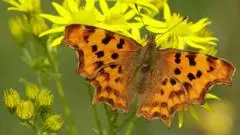
날개 가장자리가 특징적으로 갈라진 꼼마나비는 조사 시작 이래 개체수가 회복되었다.
주황끝나비는 1976년 이후 40% 이상 증가했고, 영국에서 가장 희귀한 나비 중 하나인 검은머리쇠락나비는 보호 활동 덕분에 회복되고 있다.
대형푸른나비도 1979년 멸종 선언 후 보호 노력 덕분에 잘 지내고 있다.
조사 결과는 적응력 있는 종과 전문 종 사이의 점점 커지는 격차를 강조한다고 나비 보호 단체 Butterfly Conservation에 따르면 알려졌다.
농경지, 공원, 정원 등 다양한 환경에서 번성할 수 있는 나비들은 일반적으로 더 잘 적응하고 있으며, 어떤 경우에는 개체수가 증가하고 있다.
기후 변화와 관련된 더 따뜻한 조건이 이러한 추세를 이끌고 있다고 해당 단체는 말하며, 유연한 종의 생존률을 높이고 지리적 범위와 번식 시기를 연장시키고 있다.
요크대학교의 나비 전문가인 제인 힐 교수는 지난 50년간 이 계획에서 수집된 데이터를 "비범한" 것으로 묘사하며, 이는 전 세계적으로 야생동물 조사의 금표준을 대표한다고 말한다.
그녀는 나비가 냉혈 곤충이기 때문에 일반적으로 더 따뜻한 조건에서 번성한다고 설명한다.
"대부분의 영국 나비는 영국에서 북쪽 분포 한계에 도달하므로, 북부 잉글랜드와 스코틀랜드로 더 북쪽으로 확장할 기회가 있다"고 그녀는 덧붙인다.
하지만 생명주기가 산림 개간지나 초크 초원 등 특정 서식지에 묶여 있는 나비들은 어려움을 겪고 있다.
많은 종이 놀라운 속도로 감소하고 있는데, 이러한 환경들이 압박을 받고 있기 때문이다. 그들은 정착할 적합한 새로운 서식지가 부족하기 때문에 분포를 확장하지 못하고 있다.
일부 손실은 극적이었다. 자외선 아래에서 애벌레가 빛나는 흰줄쇠락나비는 계획 시작 이래 80% 감소했다.
제비꽃에만 먹이를 먹는 눈에 띄는 주황색과 검은색 나비인 진주가장자리표범나비는 70% 감소했다.
더 적응력 있는 나비들 사이에서도 상황은 엇갈린다. 예를 들어 한때 흔했던 작은도토리나비는 87% 감소했다.
"우리가 전국의 주요 거리에서 가족 경영 상점과 전통 기술을 잃어버린 것처럼, 손상되고 단순화된 경관에 존재할 수 있는 나비 군집에서도 다양성과 풍요로움을 잃어버렸다"고 Butterfly Conservation의 과학 책임자인 리처드 폭스 교수는 말했다.
데이터셋의 규모는 거대한 대중의 노력을 반영한다. 자원봉사자들은 7,600개 이상의 장소에서 총 93만 2천 마일 이상을 걸었다.
"이 증거 타임라인 없이는 우리는 눈가리고 아웅을 하게 될 것"이라고 UKBMS를 운영하고 4개 영국 정부에 조언하는 공동자연보전위원회의 스티브 윌킨슨 이사장은 말했다.
"보호 노력이 어디서 실질적인 차이를 만들고 어디서 노력을 강화해야 하는지 이해하는 것은 전적으로 자원봉사자들이 가능하게 한 데이터의 질과 연속성에 달려 있다"고 그는 말했다.
많은 보호 노력은 나비가 생존하는 데 필요한 서식지를 보호하고 확대하는 데 집중되어 있으며, 특히 농업 집약화와 환경 훼손을 포함한 토지 이용 변화에 맞서서이다.
일부 나비 종과 그 애벌레들이 먹이에 대해 얼마나 까다로운지 때문에 이는 더욱 도전적이다.
많은 종이 먹이로 오직 한두 종의 특정 식물에만 의존하도록 진화했다—예를 들어 버건디공작나비는 앵초와 금잔화에, 자주황제나비는 염소버드나무나 회색버드나무에 의존한다.
이것이 Butterfly Conservation의 막달렌 힐 다운스 보호구역이 다양한 서식지를 유지하려는 이유라고 해당 단체의 보호구역 책임자인 피오나 스컬리가 설명한다.
그녀는 초크질의 들판을 가리키는데, 이곳은 만개한 금잔화로 덮여 있으며, 여기서 번성하는 다른 토종 식물 몇 가지를 나열한다: "여자침대짚, 개꽃, 베토니, 스커비어스, 케나프위드—우리는 정말 많이 가지고 있다."
이러한 다양성이 이 장소를 나비의 요새로 만드는 것이라고 그녀는 말한다.
영국 나비 모니터링 계획의 최근 결과는 도전의 규모를 강조한다.
영국이 기록상 가장 화창한 해를 경험했음에도 불구하고—일반적으로 나비에게 유리한 조건—2025년은 지난 50년 중 평균적인 해(20위)에 불과했으며, 어떤 종도 최고의 해를 기록하지 못했다.
이 패턴은 12만 5천 명 이상의 기록적인 참여를 봤지만 개체수당 평균적인 나비 수만 보고한 Butterfly Conservation의 대형 나비 조사의 결과를 반영한다.
하지만 전체적인 그림은 더 우려스럽다. 반세기에 걸쳐 수집된 데이터는 영국에서 가장 특징적인 나비들 중 많은 수가 급격한 감소를 겪고 있음을 보여준다.
이러한 결과는 1976년 이후 78만 2천 건의 자원봉사자 조사에서 4,400만 건 이상의 기록을 수집한 영국 나비 모니터링 계획(UKBMS)에서 나왔는데, 이는 이 분야에서 가장 크고 오래 지속된 시민 과학 프로젝트 중 하나이다.
모니터링된 59개 토종 종 중 33종이 감소했고, 25종이 개선되었으며, 한 산악 종은 평가할 데이터가 너무 부족하다.
잘 지내고 있는 나비 종에는 붉은제비나비가 포함되는데, 기후가 따뜻해지면서 이제 일부가 영국에서 겨울을 보내고 있다.
날개 가장자리가 특징적으로 갈라진 꼼마나비는 조사 시작 이래 개체수가 회복되었다.
주황끝나비는 1976년 이후 40% 이상 증가했고, 영국에서 가장 희귀한 나비 중 하나인 검은머리쇠락나비는 보호 활동 덕분에 회복되고 있다.
대형푸른나비도 1979년 멸종 선언 후 보호 노력 덕분에 잘 지내고 있다.
조사 결과는 적응력 있는 종과 전문 종 사이의 점점 커지는 격차를 강조한다고 나비 보호 단체 Butterfly Conservation에 따르면 알려졌다.
농경지, 공원, 정원 등 다양한 환경에서 번성할 수 있는 나비들은 일반적으로 더 잘 적응하고 있으며, 어떤 경우에는 개체수가 증가하고 있다.
기후 변화와 관련된 더 따뜻한 조건이 이러한 추세를 이끌고 있다고 해당 단체는 말하며, 유연한 종의 생존률을 높이고 지리적 범위와 번식 시기를 연장시키고 있다.
요크대학교의 나비 전문가인 제인 힐 교수는 지난 50년간 이 계획에서 수집된 데이터를 "비범한" 것으로 묘사하며, 이는 전 세계적으로 야생동물 조사의 금표준을 대표한다고 말한다.
그녀는 나비가 냉혈 곤충이기 때문에 일반적으로 더 따뜻한 조건에서 번성한다고 설명한다.
"대부분의 영국 나비는 영국에서 북쪽 분포 한계에 도달하므로, 북부 잉글랜드와 스코틀랜드로 더 북쪽으로 확장할 기회가 있다"고 그녀는 덧붙인다.
하지만 생명주기가 산림 개간지나 초크 초원 등 특정 서식지에 묶여 있는 나비들은 어려움을 겪고 있다.
많은 종이 놀라운 속도로 감소하고 있는데, 이러한 환경들이 압박을 받고 있기 때문이다. 그들은 정착할 적합한 새로운 서식지가 부족하기 때문에 분포를 확장하지 못하고 있다.
일부 손실은 극적이었다. 자외선 아래에서 애벌레가 빛나는 흰줄쇠락나비는 계획 시작 이래 80% 감소했다.
제비꽃에만 먹이를 먹는 눈에 띄는 주황색과 검은색 나비인 진주가장자리표범나비는 70% 감소했다.
더 적응력 있는 나비들 사이에서도 상황은 엇갈린다. 예를 들어 한때 흔했던 작은도토리나비는 87% 감소했다.
"우리가 전국의 주요 거리에서 가족 경영 상점과 전통 기술을 잃어버린 것처럼, 손상되고 단순화된 경관에 존재할 수 있는 나비 군집에서도 다양성과 풍요로움을 잃어버렸다"고 Butterfly Conservation의 과학 책임자인 리처드 폭스 교수는 말했다.
데이터셋의 규모는 거대한 대중의 노력을 반영한다. 자원봉사자들은 7,600개 이상의 장소에서 총 93만 2천 마일 이상을 걸었다.
"이 증거 타임라인 없이는 우리는 눈가리고 아웅을 하게 될 것"이라고 UKBMS를 운영하고 4개 영국 정부에 조언하는 공동자연보전위원회의 스티브 윌킨슨 이사장은 말했다.
"보호 노력이 어디서 실질적인 차이를 만들고 어디서 노력을 강화해야 하는지 이해하는 것은 전적으로 자원봉사자들이 가능하게 한 데이터의 질과 연속성에 달려 있다"고 그는 말했다.
많은 보호 노력은 나비가 생존하는 데 필요한 서식지를 보호하고 확대하는 데 집중되어 있으며, 특히 농업 집약화와 환경 훼손을 포함한 토지 이용 변화에 맞서서이다.
일부 나비 종과 그 애벌레들이 먹이에 대해 얼마나 까다로운지 때문에 이는 더욱 도전적이다.
많은 종이 먹이로 오직 한두 종의 특정 식물에만 의존하도록 진화했다—예를 들어 버건디공작나비는 앵초와 금잔화에, 자주황제나비는 염소버드나무나 회색버드나무에 의존한다.
이것이 Butterfly Conservation의 막달렌 힐 다운스 보호구역이 다양한 서식지를 유지하려는 이유라고 해당 단체의 보호구역 책임자인 피오나 스컬리가 설명한다.
그녀는 초크질의 들판을 가리키는데, 이곳은 만개한 금잔화로 덮여 있으며, 여기서 번성하는 다른 토종 식물 몇 가지를 나열한다: "여자침대짚, 개꽃, 베토니, 스커비어스, 케나프위드—우리는 정말 많이 가지고 있다."
이러한 다양성이 이 장소를 나비의 요새로 만드는 것이라고 그녀는 말한다.
영국 나비 모니터링 계획의 최근 결과는 도전의 규모를 강조한다.
영국이 기록상 가장 화창한 해를 경험했음에도 불구하고—일반적으로 나비에게 유리한 조건—2025년은 지난 50년 중 평균적인 해(20위)에 불과했으며, 어떤 종도 최고의 해를 기록하지 못했다.
이 패턴은 12만 5천 명 이상의 기록적인 참여를 봤지만 개체수당 평균적인 나비 수만 보고한 Butterfly Conservation의 대형 나비 조사의 결과를 반영한다.
처리 완료
137 tokens · $0.0002
기사 수집 완료 · 08:25
매체 피드에서 기사 메타데이터 수집
헤드라인 번역 완료 · 08:36
제목/요약 한국어 번역 (fetch 시점 inline)
kimi-k2.5
137 tokens
$0.00023
2.4s
본문 추출 완료
5,384자 추출 완료
본문 한국어 번역 완료 · 08:36
2,605자 번역 완료
지정학적 엔티티 추출 완료 · 08:36
5개 엔티티 추출 완료
지정학적 맥락 & R-Scanner
R-Scanner · 평상
z=-1.16
일상적인 보도 수준 — 기준: UK
(🇬🇧 GB)
최근 6시간 19건
7일 평균 24.89건 / 6h
7개국 매체
10개 매체
본문에서 추출된 지명 (5)
위치 지도
지도 로딩 중…
같은 주제의 다른 기사 (최근 7일)
A warming climate has helped some to flourish, researchers say, but the outlook is troubling.
Increasingly warm and sunny weather over the last half century – driven in part by climate change – has helped some British butterfly species to flourish, according to one of the world's biggest insect monitoring schemes.But the overall picture is more troubling. Data collected over half a century shows many of the UK's most distinctive butterflies are in steep decline.
The findings come from the UK Butterfly Monitoring Scheme (UKBMS), which has gathered more than 44 million records from 782,000 volunteer surveys since 1976 – making it one of the largest and longest-running citizen science projects of its kind.
Of the 59 native species monitored, 33 have declined, 25 have improved and one mountain species has too little data to assess.
Butterfly species which are doing well include the Red admiral, some of which are now spending winter in the UK as the climate warms.
Comma butterflies, with their distinctively ragged wing edges, have recovered in numbers since the survey began.
Orange tip numbers are up more than 40% since 1976, and Black hairstreak - one of the UK's rarest butterflies - is recovering thanks to conservation work.
The Large Blue has also done well thanks to conservation efforts, after being declared extinct in 1979.
The survey results highlight a growing divide between adaptable species and specialists, according to the charity, Butterfly Conservation.
Butterflies able to thrive in a wide range of environments – including farmland, parks and gardens – are generally coping better and, in some cases, increasing in number.
Warmer conditions linked to climate change are helping drive this trend, the charity says, by boosting survival and extending the geographic range and breeding seasons for flexible species.
Prof Jane Hill, a butterfly expert at the University of York, describes the data collected by the scheme over the last five decades as "extraordinary" and says it represents a gold standard for wildlife surveys worldwide.
She explains that because butterflies are cold-blooded insects, they generally thrive in warmer conditions.
"Most British butterflies reach their northern range limit in the UK, so they have opportunities to expand further north into northern England and Scotland," she adds.
But butterflies whose lifecycles are tied to specific habitats, such as woodland clearings or chalk grasslands, are struggling.
Many are declining at alarming rates, as those environments come under pressure. They are failing to expand their ranges because of a lack of suitable new habitats to colonise.
Some of the losses have been dramatic. The white-letter hairstreak – whose caterpillars glow under ultraviolet light – has fallen by 80% since the scheme began.
The pearl-bordered fritillary, a striking orange-and-black butterfly whose caterpillars feed only on violets, has declined by 70%.
Even among more adaptable butterflies, the picture is mixed. The once-common small tortoiseshell, for example, has declined by 87%.
"Just as we have lost family-run shops and traditional skills from the nation's high streets, we've lost variety and diversity in the butterfly communities that can exist in our damaged and simplified landscapes," said Prof Richard Fox, head of science at Butterfly Conservation.
The scale of the dataset reflects a huge public effort. Volunteers have walked more than 932,000 miles in total at more than 7,600 sites
"Without this evidence timeline, we would be flying blind," said Steve Wilkinson, director of the Joint Nature Conservation Committee which advises the four UK governments and helps run the UKBMS.
"Understanding where conservation efforts are making a real difference and where we need to strengthen efforts, depends entirely on the quality and continuity of data that our volunteers make possible," he said.
Much of the conservation effort is focused on protecting and enlarging the habitats butterflies need to survive, particularly in the face of land-use changes, including the intensification of farming and environmental degradation.
It is made even more challenging because of how picky some butterfly species and their caterpillars are about what they eat.
Many species have evolved to rely exclusively on one or two specific plant species for food – the Duke of Burgundy on primroses and cowslips, for example, or the purple emperor on goat or grey willow.
This is why Butterfly Conservation's Magdalen Hill Downs reserve attempts to sustain a range of different habitats, explains the charity's reserves officer, Fiona Scully.
She gestures across the chalky fields, which are covered with cowslips in full bloom, and lists just a few of the other native plants that thrive here: "Lady's bedstraw, toadflax, betony, scabious, knapweed – we've just got so many."
It is this variety that makes the site such a stronghold for butterflies, she says.
Recent results from the UK Butterfly Monitoring Scheme highlight the scale of the challenge.
Despite the UK experiencing its sunniest year on record – conditions typically favourable for butterflies – 2025 ranked only as an average year (20th out of the past 50), with no species recording its best year.
This pattern echoes findings from Butterfly Conservation's Big Butterfly Count, which saw record participation from more than 125,000 people, yet reported only average butterfly numbers per count.