'기발하고, 전위적이며, 독보적인 주택'을 기념하며
Celebrating 'outlandish, avant-garde, maverick houses'
RNZ
· 🇳🇿 Wellington, NZ
EN
2026-04-15 03:28
Translated
뉴질랜드 전역에 방대한 작품을 남긴 다작의 뉴질랜드 건축가의 업적을 기념하는 새 책이 출간되었다.
뉴질랜드 전역에 방대한 작품을 남긴 다작의 뉴질랜드 건축가의 업적을 기념하는 새 책이 출간되었다.
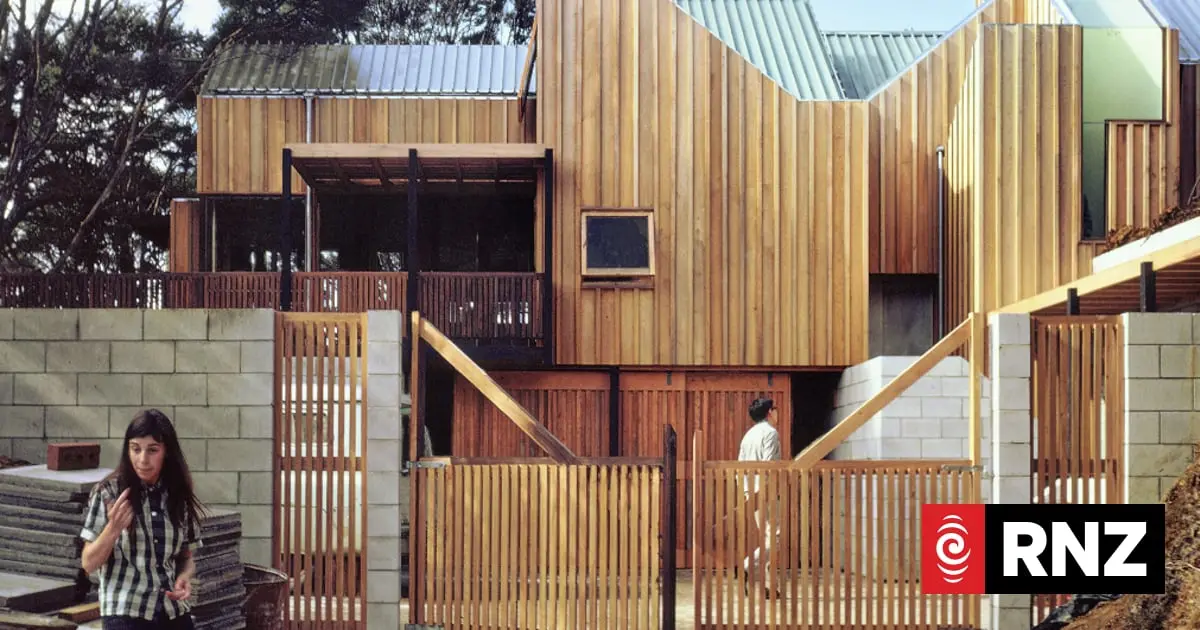
뉴질랜드 건축가 클로드 멕슨은 1960년대, 70년대, 80년대 오클랜드에서 일련의 실험적이고 개성적이며 기하학적으로 복잡한 주택들을 설계했다.
뉴질랜드 출신이며 현재 런던에 거주하는 건축가 자일스 리드는 AUT에서 멕슨에게 배웠다고 RNZ의 '나인 투 눈'에 전했다.
뉴질랜드 건축의 거장 이언 애스필드, 피터 비번, 로저 워커보다는 덜 알려졌지만, 리드는 그의 스승이 뛰어난 작품군을 남겼으며 이를 새 책에 기록했다고 말한다.
"그는 과장된 개성을 가지고 있었고, 그의 작품을 매우 좋아하고 거의 우상화하는 사람들도 있었고 반대 의견을 가진 사람들도 있었다. 그리고 그런 분열은 오늘날까지 일부 남아있다"고 리드는 말한다.
리드는 멕슨의 강의에 대한 생생한 기억을 가지고 있다.
"학생 시절에 어두운 강의실에 앉아 있었던 것을 기억하는데, 이는 당시 매우 유행하던 방식이었다. 슬라이드 캐러셀 두 개를 동시에 돌리며, 자료를 제시하는 놀라운 오케스트레이션이었다. 종종 배경에는 오페라 음악이 흘러나왔다."
리드와 재키 메이링이 함께 쓴 '클로드 멕슨 건축가'는 1994년 57세의 나이로 사망한 이 건축가의 경력을 재조명한다.
건축가 채드 맥마흔과 메이링과 함께 한 연구는 엄청난 작품군을 밝혀냈다고 리드는 말한다.
"그가 문제에 접근하는 속도, 그에게서 흘러나오는 자료들. 클라이언트로부터 의뢰를 받거나, 반쪽 의뢰를 받거나, 기회만 얻어도 갑자기 방대한 양의 정보를 생산해냈다."
오클랜드 건축학교의 사라 콕스는 멕슨의 도면 1500여 점 전체를 수집하여 공개했으며, 맥마흔이 이를 힘들게 촬영했다고 그는 말한다.
"어떤 면에서는, 그가 이런 공간들을 설계할 수 있었다는 것이 거의 이해할 수 없다.
메도우뱅크에 있는 멋진 주택인 바 하우스 같은 건물이 있는데, 상당히 프랭크 로이드 라이트풍이며 약 7층에 걸쳐 대략 육각형 기하학을 가지고 있다. 그것이 밀리미터 단위로 어떻게 제어되는지, 그것을 걸어 다니며 경험하는 것은 가장 놀라운 일이다."
멕슨의 설계의 기하학적 복잡성은 문제를 동반했다고 그는 말한다. 주로 방수성 문제였다.
"그가 기술을 너무 멀리 밀어붙였다는 주장이 있다. 또한 그의 일부 디테일이 그가 창조한 형태와 모양의 복잡성을 따라잡지 못했다는 주장도 있다."
멕슨은 "뛰어나고, 기발하며, 전위적이고, 독보적인 주택"을 만들어냈다고 리드는 말한다.
"나는 건축 업계에 그런 것이 큰 자리를 차지한다고 생각한다. 모든 것이 안전하고 단정할 필요는 없다."
뉴질랜드 건축가 클로드 멕슨은 1960년대, 70년대, 80년대 오클랜드에서 일련의 실험적이고 개성적이며 기하학적으로 복잡한 주택들을 설계했다.
뉴질랜드 출신이며 현재 런던에 거주하는 건축가 자일스 리드는 AUT에서 멕슨에게 배웠다고 RNZ의 '나인 투 눈'에 전했다.
뉴질랜드 건축의 거장 이언 애스필드, 피터 비번, 로저 워커보다는 덜 알려졌지만, 리드는 그의 스승이 뛰어난 작품군을 남겼으며 이를 새 책에 기록했다고 말한다.
"그는 과장된 개성을 가지고 있었고, 그의 작품을 매우 좋아하고 거의 우상화하는 사람들도 있었고 반대 의견을 가진 사람들도 있었다. 그리고 그런 분열은 오늘날까지 일부 남아있다"고 리드는 말한다.
리드는 멕슨의 강의에 대한 생생한 기억을 가지고 있다.
"학생 시절에 어두운 강의실에 앉아 있었던 것을 기억하는데, 이는 당시 매우 유행하던 방식이었다. 슬라이드 캐러셀 두 개를 동시에 돌리며, 자료를 제시하는 놀라운 오케스트레이션이었다. 종종 배경에는 오페라 음악이 흘러나왔다."
리드와 재키 메이링이 함께 쓴 '클로드 멕슨 건축가'는 1994년 57세의 나이로 사망한 이 건축가의 경력을 재조명한다.
건축가 채드 맥마흔과 메이링과 함께 한 연구는 엄청난 작품군을 밝혀냈다고 리드는 말한다.
"그가 문제에 접근하는 속도, 그에게서 흘러나오는 자료들. 클라이언트로부터 의뢰를 받거나, 반쪽 의뢰를 받거나, 기회만 얻어도 갑자기 방대한 양의 정보를 생산해냈다."
오클랜드 건축학교의 사라 콕스는 멕슨의 도면 1500여 점 전체를 수집하여 공개했으며, 맥마흔이 이를 힘들게 촬영했다고 그는 말한다.
"어떤 면에서는, 그가 이런 공간들을 설계할 수 있었다는 것이 거의 이해할 수 없다.
메도우뱅크에 있는 멋진 주택인 바 하우스 같은 건물이 있는데, 상당히 프랭크 로이드 라이트풍이며 약 7층에 걸쳐 대략 육각형 기하학을 가지고 있다. 그것이 밀리미터 단위로 어떻게 제어되는지, 그것을 걸어 다니며 경험하는 것은 가장 놀라운 일이다."
멕슨의 설계의 기하학적 복잡성은 문제를 동반했다고 그는 말한다. 주로 방수성 문제였다.
"그가 기술을 너무 멀리 밀어붙였다는 주장이 있다. 또한 그의 일부 디테일이 그가 창조한 형태와 모양의 복잡성을 따라잡지 못했다는 주장도 있다."
멕슨은 "뛰어나고, 기발하며, 전위적이고, 독보적인 주택"을 만들어냈다고 리드는 말한다.
"나는 건축 업계에 그런 것이 큰 자리를 차지한다고 생각한다. 모든 것이 안전하고 단정할 필요는 없다."
처리 완료
2,410 tokens · $0.0048
기사 수집 완료 · 04:40
매체 피드에서 기사 메타데이터 수집
헤드라인 번역 완료 · 04:56
제목/요약 한국어 번역 (fetch 시점 inline)
kimi-k2.5
165 tokens
$0.00030
3.4s
본문 추출 완료
2,703자 추출 완료
본문 한국어 번역 완료 · 04:56
1,293자 번역 완료
kimi-k2.5
2,245 tokens
$0.00449
30.2s
지정학적 엔티티 추출 완료 · 04:56
4개 엔티티 추출 완료
지정학적 맥락 & R-Scanner
R-Scanner · 핫스팟
z=4.11
평소보다 훨씬 많은 매체가 집중 보도 중 — 기준: New Zealand
(🇳🇿 NZ)
최근 6시간 14건
7일 평균 4.43건 / 6h
1개국 매체
1개 매체
본문에서 추출된 지명 (4)
위치 지도
지도 로딩 중…
같은 주제의 다른 기사 (최근 7일)
A new book celebrates the work of the prolific New Zealand architect who left a huge body of work across the country.
A new book celebrates the work of the prolific New Zealand architect who left a huge body of work across the country.New Zealand architect Claude Megson designed a series of experimental, individual, geometrically complex homes in Auckland in the 1960s, 70s and 80s.
New Zealand born, and now London-based architect Giles Reid was taught by Megson at AUT, he told RNZ’s Nine to Noon.
While less well known than New Zealand architectural greats Ian Athfield, Peter Beavan and Roger Walker, Reid says his teacher left an extraordinary body of work, which he's documented in a new book.
“He had this oversized personality, and there were people who were very much in favour of his work, almost idolised, and people who had the opposite opinion. And some of those divisions still exist to this day,” Reid says.
Reid has vivid memories of Megson’s lectures.
“I remember as a student sitting in this darkened lecture theatre, and this was very much the fashion of the day, you'd have these two carousels of slides and they would be going simultaneously, this incredible orchestration of how you present material. Often there was opera music playing in the background.”
Claude Megson Architect by Reid and Jackie Meiring revisits the career of the architect who died aged 57 in 1994.
The research he did alongside collaborators architect Chad McMahon and Meiring revealed a prodigious body of work, says Reid.
“The speed with which he attacked problems, the material flowing out of him. He would get a commission from a client, or maybe half a commission, or just the chance, and suddenly he'd be just producing voluminous amounts of information.”
Sarah Cox, at the Auckland School of Architecture, made its collection of Megson’s drawings available, he says, all 1500 of them laboriously photographed by McMahon.
“At some level, I still find it almost incomprehensible he could design some of these spaces.
“There's a building such as the Barr House, which is a wonderful house in Meadowbank, quite Frank Lloyd Wright-ian, and it has vaguely hexagonal geometry over about seven levels and how that is controlled to the millimetre, it's just the most extraordinary thing to walk through, to experience.”
The geometrical complexity of Megson’s design brought with them problems, he says – primarily watertightness.
“There are arguments that he pushed the technology too far. There's also arguments that some of his detailing didn't catch up with the complexity of the shapes and forms he created.”
Megson produced “outstanding, outlandish, avant-garde, maverick houses”, Reid says.
“I think, there's a huge place for that in the architecture profession. Not everything has to be safe and tidy.”