한은 총재 후보자, 물가 안정 우선 강조
BOK nominee puts inflation fight first
The Korea Herald
· 🇰🇷 Seoul, KR
Choi Yeon-jae
EN
2026-04-15 15:17
Translated
3월 수입물가, 28년여 만에 최대 상승률 기록
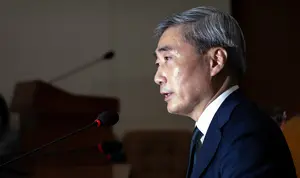
신현송 한국은행 총재 후보자는 수요일 외부 불확실성 증가가 물가 상방 압력과 성장 하방 리스크를 동시에 키우고 있다고 경고하며, 한국은행의 최우선 과제로 물가 안정을 유지할 것임을 시사했다.
국회 인준청문회에서 신 후보자는 향후 수개월간 유가 상승과 원화 약세가 물가를 끌어올릴 가능성이 있다고 밝혔다.
"한국 경제는 물가 상방 압력과 성장 하방 압력에 직면해 있다"며, 반도체 경기 회복과 추가경정예산이 경기 둔화를 완충할 수 있지만 성장률은 이전 기대치에 미치지 못할 것이라고 덧붙였다.
중동 분쟁 발생 이후 글로벌 인플레이션 리스크가 가중됐다. 한국은행 자료에 따르면 3월 수입물가는 전월 대비 16.1% 급등해 1998년 외환위기 이후 가장 가파른 상승률을 기록했다.
신 후보자는 물가 상방 압력이 일시적인지 지속적인지가 핵심 쟁점이라고 말했다. "충격이 오래갈수록 인플레이션 리스크가 커진다"며, 압력이 근원 물가나 기대인플레이션으로 확산될 경우 긴축 정책이 필요할 수 있다고 언급했다.
원화 약세와 관련해 신 후보자는 환율 수준에 대한 우려를 축소하며 "적정 환율을 규정하는 것은 적절하지 않다"고 말하고 방향성 불균형 모니터링의 필요성을 강조했다. 최근 원화 하락의 원인 일부를 글로벌 위험회피 심리와 해외 요인으로 돌렸다.
국제결제은행(BIS) 전 수석이자 한국을 대표하는 통화경제학자로 널리 알려진 신 후보자는 과도한 레버리지와 자본 유동성 변동성 등 금융안정 리스크에 대한 관심으로 명성을 쌓았다.
그는 또한 한국의 위기 이후 거시건전성 프레임워크 설계에 기여한 것으로 알려져 있으며, 물가와 체계적 리스크를 사전에 억제하기 위한 선제적 정책 대응을 오랫동안 주장해왔다.
이러한 입장을 반영해 신 후보자는 한은의 최근 금리 동결을 "전략적 휴지기"로 규정하면서도, 정책 결정은 "매파"나 "비둘기파" 같은 고정된 레이블이 아닌 변화하는 경제 상황에 따라 이뤄질 것이라고 강조했다.
그는 또한 GDP 대비 약 89%에 달하는 높은 가계부채 등 구조적 리스크를 지적하며, 통화정책을 거시건전성 조치와 보완할 것을 약속했다.
신 후보자는 외환거래 시간을 24시간으로 확대하고 해외 결제 시스템을 개발하는 등 원화 국제화를 추진하고, 디지털 통화 생태계 발전도 진행하겠다고 밝혔다.
의원들은 장기화된 원화 약세, 외환보유고, 해외 자산과 관련된 이해충돌 가능성 등을 우려했다.
신 후보자는 외화 자산 상당 부분을 원화 자산으로 전환했으며 우려 사항을 해소하겠다고 약속하고 개인 이득 의도는 없다고 부인했다.
신 후보자는 국회 승인을 거쳐 다음 달 4년 임기를 시작할 것으로 예상된다.
국회 인준청문회에서 신 후보자는 향후 수개월간 유가 상승과 원화 약세가 물가를 끌어올릴 가능성이 있다고 밝혔다.
"한국 경제는 물가 상방 압력과 성장 하방 압력에 직면해 있다"며, 반도체 경기 회복과 추가경정예산이 경기 둔화를 완충할 수 있지만 성장률은 이전 기대치에 미치지 못할 것이라고 덧붙였다.
중동 분쟁 발생 이후 글로벌 인플레이션 리스크가 가중됐다. 한국은행 자료에 따르면 3월 수입물가는 전월 대비 16.1% 급등해 1998년 외환위기 이후 가장 가파른 상승률을 기록했다.
신 후보자는 물가 상방 압력이 일시적인지 지속적인지가 핵심 쟁점이라고 말했다. "충격이 오래갈수록 인플레이션 리스크가 커진다"며, 압력이 근원 물가나 기대인플레이션으로 확산될 경우 긴축 정책이 필요할 수 있다고 언급했다.
원화 약세와 관련해 신 후보자는 환율 수준에 대한 우려를 축소하며 "적정 환율을 규정하는 것은 적절하지 않다"고 말하고 방향성 불균형 모니터링의 필요성을 강조했다. 최근 원화 하락의 원인 일부를 글로벌 위험회피 심리와 해외 요인으로 돌렸다.
국제결제은행(BIS) 전 수석이자 한국을 대표하는 통화경제학자로 널리 알려진 신 후보자는 과도한 레버리지와 자본 유동성 변동성 등 금융안정 리스크에 대한 관심으로 명성을 쌓았다.
그는 또한 한국의 위기 이후 거시건전성 프레임워크 설계에 기여한 것으로 알려져 있으며, 물가와 체계적 리스크를 사전에 억제하기 위한 선제적 정책 대응을 오랫동안 주장해왔다.
이러한 입장을 반영해 신 후보자는 한은의 최근 금리 동결을 "전략적 휴지기"로 규정하면서도, 정책 결정은 "매파"나 "비둘기파" 같은 고정된 레이블이 아닌 변화하는 경제 상황에 따라 이뤄질 것이라고 강조했다.
그는 또한 GDP 대비 약 89%에 달하는 높은 가계부채 등 구조적 리스크를 지적하며, 통화정책을 거시건전성 조치와 보완할 것을 약속했다.
신 후보자는 외환거래 시간을 24시간으로 확대하고 해외 결제 시스템을 개발하는 등 원화 국제화를 추진하고, 디지털 통화 생태계 발전도 진행하겠다고 밝혔다.
의원들은 장기화된 원화 약세, 외환보유고, 해외 자산과 관련된 이해충돌 가능성 등을 우려했다.
신 후보자는 외화 자산 상당 부분을 원화 자산으로 전환했으며 우려 사항을 해소하겠다고 약속하고 개인 이득 의도는 없다고 부인했다.
신 후보자는 국회 승인을 거쳐 다음 달 4년 임기를 시작할 것으로 예상된다.
처리 완료
2,235 tokens · $0.0044
기사 수집 완료 · 15:17
매체 피드에서 기사 메타데이터 수집
헤드라인 번역 완료 · 15:27
제목/요약 한국어 번역 (fetch 시점 inline)
kimi-k2.5
116 tokens
$0.00020
3.7s
본문 추출 완료
3,063자 추출 완료
본문 한국어 번역 완료 · 15:27
1,297자 번역 완료
kimi-k2.5
2,119 tokens
$0.00417
41.4s
지정학적 엔티티 추출 완료 · 15:27
3개 엔티티 추출 완료
지정학적 맥락 & R-Scanner
R-Scanner · 평상
z=0.39
일상적인 보도 수준 — 기준: Korea
(🇰🇷 KR)
최근 6시간 15건
7일 평균 13.5건 / 6h
5개국 매체
5개 매체
본문에서 추출된 지명 (3)
위치 지도
지도 로딩 중…
같은 주제의 다른 기사 (최근 7일)
Import prices post sharpest rise in over 28 yrs in March
Shin Hyun-song warns oil, FX to lift inflation; sees growth falling short of expectationsShin Hyun-song, nominee for governor of the Bank of Korea, warned Wednesday that rising external uncertainty is driving both inflationary pressure and downside risks to growth, signaling that price stability will remain the central bank’s top priority.
Speaking at a parliamentary confirmation hearing, Shin said higher oil prices and a weaker won are likely to push inflation higher in the coming months.
“The Korean economy faces upward pressure on prices and downward pressure on growth,” he said, adding that while a semiconductor rebound and supplementary budget could cushion the slowdown, growth is likely to fall short of earlier expectations.
Global inflation risks have intensified following the outbreak of conflict in the Middle East. Import prices surged 16.1 percent in March from a month earlier, the steepest rise since the 1998 Asian financial crisis, according to Bank of Korea data.
Shin said the key question is whether inflationary pressures will prove temporary or persistent. “The longer the shock lasts, the greater the inflation risk,” he said, adding that policy tightening may be needed if pressures spread to core inflation or expectations.
On the weakening won, Shin downplayed concerns over its level, saying it is not appropriate to define a “fair” exchange rate and emphasizing the need to monitor directional imbalances. He attributed the recent decline partly to global risk aversion and offshore factors.
Shin, a former chief economist at the Bank for International Settlements and widely regarded as one of Korea’s most globally recognized monetary economists, has built a reputation for his focus on financial stability risks, including excessive leverage and capital flow volatility.
He is also known for helping design Korea’s post-crisis macroprudential framework and has long advocated preemptive policy responses to contain inflation and systemic risks.
Reflecting that stance, Shin described the central bank’s recent rate hold as a “strategic pause,” while stressing that policy decisions would be guided by evolving economic conditions rather than fixed labels such as “hawk” or “dove.”
He also pointed to structural risks, including high household debt — about 89 percent of gross domestic product — and pledged to complement monetary policy with macroprudential measures.
Shin said he would promote the internationalization of the won, including expanding foreign exchange trading hours to 24 hours and developing offshore settlement systems, while also advancing a digital currency ecosystem.
Lawmakers raised concerns over prolonged won weakness, foreign exchange reserves and potential conflicts of interest tied to Shin’s overseas assets.
Shin said he had converted a significant portion of his foreign currency holdings into won-denominated assets and pledged to address concerns, denying any intent of personal gain.
Shin is expected to begin his four-year term next month following parliamentary approval.