알바니즈의 주요 동맹국 방문, 연료와 비료라는 초기 성과 거두었지만 '회복력'이 예산 의제에 올라
Albanese’s visits to key allies have borne early fruits of fuel and fertiliser but ‘resilience’ is on the budget agenda
지난주 싱가포르로 급히 떠나 계획된 방문을 앞당긴 후, 총리는 목요일 말레이시아에서 호주로 급거 귀국하여, 국내에 남아있는 몇 안 되는 정제소 중 한 곳의 피해를 살펴보았다. 급하게 마련된 이 여행은 현장에 있는 지도자의 모습을 보여주기 위한 것이었다. 알바니즈가 연료 위기에 주목하고 있음을 보여주기 위한 것이었다.
휘발유와 디젤이 없는 주유소 수가 매일 꾸준히 줄어들고 있으며, 정부는 추가 연료 수입이 이제 적어도 6월까지는 확보되었다고 자신하고 있지만, 호주가 위기에서 완전히 벗어났다는 환상은 없다. 중동의 불안정한 휴전과 트럼프의 봉쇄 위의 봉쇄가 호르무즈 해협을 완전히 막아버린 상황은 석유, 연료, 비료의 지속적인 공급에 대한 우려를 거의 해소하지 못했다.
바로 이 때문에 길롱의 비바 정제소 화재는 최악의 시기에 발생했으며, 처음 우려했던 것만큼 피해가 크지 않았다고 해도 마찬가지였다. 크리스 보웬 에너지 장관은 "정말 나쁜 타이밍"이라고 인정했으며, 알바니즈는 비바의 생산이 "약간 둔화"될 것으로 예보했다.
우리 자신의 내륙 정제 능력이 거의 없는 상황에서, 호주의 두 시설 중 하나에 대한 작은 중단조차 이상적이지 않다.
이 모든 것은 추가 연료 소량 선적이 상당히 도움이 될 것임을 의미한다.
말레이시아 방문 바로 다음 날 발표된 한국과 브루나이로부터의 1억 리터가 그러하다.
알바니즈와 보웬은 위기 초기에 대응을 소홀히 했다는 비판을 받았는데, 처음에는 우려를 일축한 다음 국내 연료 공급에 미치는 영향을 축소했다. 일부 비평가들은 같은 맥락에서 알바니즈가 전국 텔레비전 연설로 과잉 교정을 했다고 비웃었다. 하지만 전 세계 파트너들과의 수 주간 외교적 교섭과, 최근 우리 지역의 주요 동맹국들에 대한 직접 방문은 연료와 비료라는 초기 성과를 거두었으며, 더 많은 것이 올 것이라고 알바니즈는 예고했다.
총리가 수하물에 디젤 한 선적을 가져오지 않았다는 사실이, 이 여행이 미래에 중대한 순간으로 여겨지지 않을 것을 의미하는 것은 아니다.
"이는 호주 수출금융공사의 지원으로 정부의 새로운 전략 비축 권한 하에 확보될 것으로 예상되는 많은 선적의 첫 번째"라고 총리는 비바 에너지가 구매한 57만 배럴의 디젤에 대해 말했다.
알바니즈가 보호 장비를 착용하고 싱가포르의 정제소와 브루나이의 비료 공장을 시찰하는 언론 사진은 도움이 되었으며, 해외 일정에서 급거 귀국해 국내 비상사태를 돌보는 국가 지도자에 대한 헤드라인도 마찬가지였다.
물론 1억 리터의 디젤은 호주의 정상적인 소비량으로 하루치에 불과하다. 그리고 비바가 그 연료를 사용하고 정제할 능력은 길롱 공장 화재로 제약을 받을 수 있다. 따라서 조금씩 도움이 되고, 정부는 탱크에 하루치 추가 연료를 확보하게 되어 기뻐하겠지만, 알바니즈는 추가 선적이 호주 입찰자들에 의해 계속 확보되기를 희망할 것이다.
비바의 둔화 정도는 아직 확인되지 않았지만, 알바니즈는 공장 소유주들이 디젤 80%, 항공유 80%, 휘발유 60% 생산이 계속될 것이라고 말했다고 전했다. 이 공장은 호주 전체 연료 수요의 10%에 불과하지만 빅토리아주의 절반을 차지하므로, 전체적인 영향은 상대적으로 작을 수 있다. 비바 CEO 스콧 와이어트는 이 사건이 빅토리아주 공급에 영향을 미치지 않을 것이며, 공장이 부족분을 메우기 위해 생산을 늘릴 수 있고, 회사는 소비자에게 추가 비용을 전가하지 않을 것이라고 말했다. 다행스러운 일이다.
정부는 연료 위기를 소규모로 헤쳐나갈 수 있을지도 모른다. 주요 파트너들로부터 석유 제품이 선박으로 계속 공급될 것이라는 합의를 이끌어내고, 가능한 곳에서 추가 물량을 확보하는 방식으로. 주유소 가격은 여전히 높지만, 연료 비축량은 급락하지 않고 있으며, 휘발유가 없는 주유소는 줄어들고 있다. 알바니즈는 여전히 침착함을 투영하기 위해 초과 근무하고 있으며, 비상 연료 계획의 더 높은 단계로 가는 가능성을 축소하고 있으며, 심지어 연립 야당도 일관된 비판 포인트를 제시하기 어려워하고 있다.
앵거스 테일러가 할 수 있는 최선은 투명성 부족에 대한 막연한 우려뿐이다. 한편 보웬은 거의 매일 기자회견을 열어 주유소 중단 상황과 연료 비축량 주말 업데이트, 계약 연료 주문 정기 업데이트를 제공하고 있다(기록하는 사람들을 위해, 그는 나인 신문사에 "5월 전체"가 커버되었고 "6월 주문이 이루어졌다"고 말했다).
하지만 대부분의 지도자들이 위기 중에 국외로 나가기를 꺼릴 때 연달아 해외 순방을 하고, 상대적으로 사소한 새로운 연료 협정을 자랑하는 것은 정부 내에서 상황이 악화될 수 있다는 우려가 어느 정도 있음을 보여준다. BP를 호주 수출금융공사의 연료 구매 담보 배출 가능 기업 명단에 추가한 것은 정부가 모든 기반을 커버하고 싶어함을 보여준다.
다음 달 예산에는 연료 안보에 관한 새로운 협정이 포함될 가능성이 높다. 30일치 연료 비축량을 90일치로 늘리는 것은 예상되지 않지만, 알바니즈는 금요일 예산의 주요 주제 중 하나가 "국제 사태에 덜 취약하게 만들어주는" 측면에서 "회복력"이 될 것이라고 말했다.
비바 정제소 화재가 보여주듯, 우리 핵심 시스템의 회복력은 당연한 것이 아니다.
kimi-k2.5
555 tokens
$0.00116
12.1s
The prime minister has weathered the crises – for now – and there is a growing recognition that Australia is too vulnerable to world eventsFollow our Australia news live blog for latest updatesGet our breaking news email, free app or daily news podcastAnthony Albanese’s fuel diplomacy tour of Asia has already started paying dividends, but the real test could still be to come.After last week’s rush to Singapore and pulling forward a planned visit, the prime minister dashed back to Australia from Malaysia on Thursday, to survey the damage at one of the nation’s only remaining fuel refineries. The hastily arranged trips, were to show a leader on the job; to demonstrate Albanese’s attention to the fuel crisis.
Anthony Albanese’s fuel diplomacy tour of Asia has already started paying dividends, but the real test could still be to come.After last week’s rush to Singapore and pulling forward a planned visit, the prime minister dashed back to Australia from Malaysia on Thursday, to survey the damage at one of the nation’s only remaining fuel refineries. The hastily arranged trips, were to show a leader on the job; to demonstrate Albanese’s attention to the fuel crisis.
While the number of petrol stations without petrol and diesel has been steadily declining each day, and the government is confident that further fuel imports are now assured into at least June, there are no illusions that Australia is out of the woods yet. The fragile ceasefires in the Middle East, and Trump’s blockade-of-a-blockade entirely plugging up the strait of Hormuz, have done little to assuage fears about ongoing supplies of oil, fuel and fertiliser.
It’s why the fire at Geelong’s Viva refinery couldn’t have come at a worse time, even if damage was not as great as first feared. The energy minister, Chris Bowen conceded it was “really bad timing”, as Albanese forecast Viva’s output would see a “slight slowdown”.
With little on-shore refining capacity of our own, even a small interruption to one of Australia’s two facilities is not ideal.
All this means a couple of small shipments of extra fuel would come in pretty handy.
Like the 100m litres from South Korea and Brunei, announced just a day after Albanese’s visit to the latter country.
Albanese and Bowen were accused by critics of being found flat-footed in the early days of the crisis, initially writing off concerns then downplaying impacts on the nation’s fuel supplies. Some of the same critics ridiculed Albanese as having overcorrected with his televised address to the nation. But weeks of diplomatic engagements with partners worldwide, and more recent in-person visits to key allies in our region, have borne early fruits of fuel and fertiliser – with more to come, Albanese foreshadowed.
The fact the PM didn’t come back with a shipload of diesel in his checked baggage didn’t mean the trip wouldn’t be seen in future as a pivotal moment.
“This is the first of many expected shipments secured under the government’s new strategic reserve powers with the support of Export Finance Australia,” the prime minister said of the 570,000 barrels of diesel bought by Viva Energy.
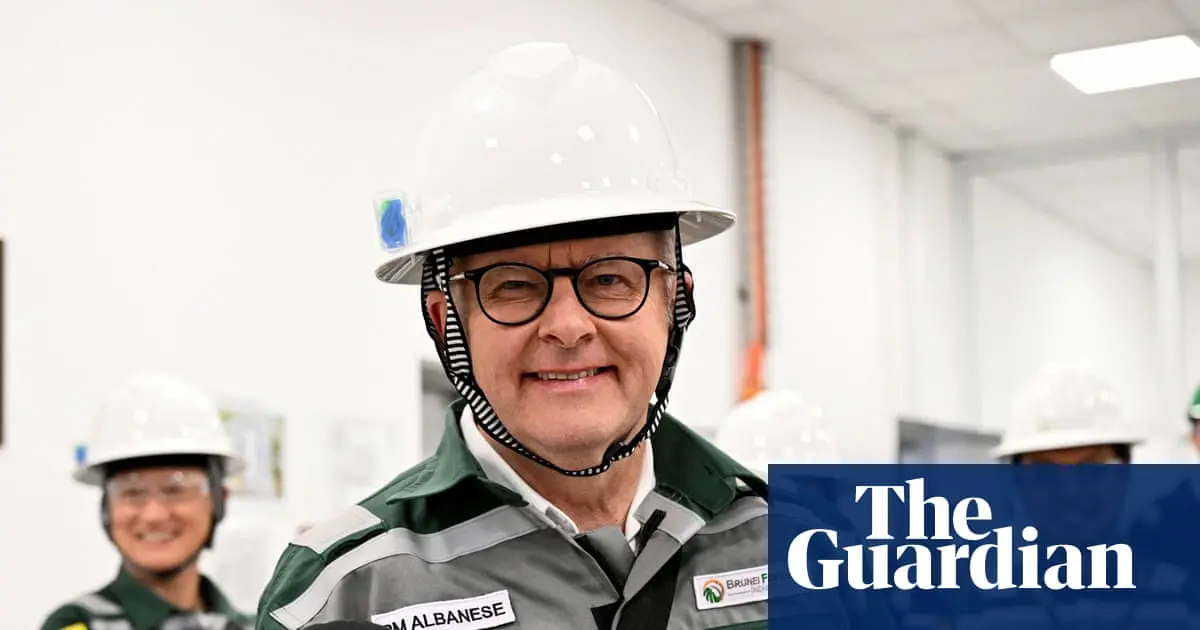
Stirring media pictures of Albanese in protective work gear, inspecting refineries in Singapore and fertiliser plants in Brunei, didn’t hurt either, nor did headlines about the nation’s leader rushing back from overseas engagements to tend to emergencies at home.
Of course, 100m litres of diesel is little more than a day’s worth of normal Australian consumption. And the capacity of Viva to use and process that fuel could be constrained by the fire at their Geelong plant. So while every little bit helps, and the government will be happy to have an extra day of fuel in the tanks, Albanese will be hoping extra shipments keep getting won by Australian bidders.
The extent of Viva’s slowdown is still to be confirmed, but Albanese said the plant’s owners had said 80% of diesel, 80% of aviation fuel and 60% of petrol production would continue. The plant contributes only 10% of Australia’s total fuel needs, but half of Victoria’s, so the effects in totality may be relatively small. Viva CEO, Scott Wyatt, said the incident wouldn’t have any effect on Victorian supply, that the plant may be able to boost its output to make up any shortfalls, and that the company wouldn’t pass on any extra costs to consumers. That’s a relief.
The government might be able to nickel-and-dime its way through the fuel crisis, extracting agreements from key partners that petrol products will keep coming on ships, and snapping up extra supplies where they can. While prices at the pump remain high, fuel reserves are not plummeting, and fewer petrol stations are without petrol. Albanese is still working overtime to project calm, downplaying the prospect of going to higher stages of the emergency fuel plan, and even the Coalition opposition is struggling to articulate a coherent point of criticism.
The best Angus Taylor has been able to manage, is vague concerns about a lack of transparency. Bowen, meanwhile, is holding press conferences virtually every day where he gives updates on petrol station outages, as well as a weekly weekend update on fuel reserves, and regular updates on contracted fuel orders (for those keeping track, he told the Nine newspapers “all of May” is covered, and “there have been orders made for June”).
But back-to-back overseas trips, when most leaders would be loathe to head out of the country during a crisis, and trumpeting relatively minor new fuel arrangements show there is some level of concern in the government that things could deteriorate. Adding BP to the list of companies that can draw down on the Export Finance arrangements to underwrite fuel purchases, shows the government wants to keep all its bases covered.
Next month’s budget is likely to include new arrangements on fuel security. While boosting our 30-day fuel reserves up to 90 days isn’t expected, Albanese said on Friday that one of the budget’s main themes would be “resilience”, in terms of “leaving us less vulnerable to international events”.
As the fire at Viva’s refinery shows, resilience in our key systems isn’t a given.