중동 충격, 재무장관과 RBA의 시험대
Middle East shock a test for treasurer and RBA
Sydney Morning Herald
· 🇦🇺 Sydney, AU
The Herald's View
EN
2026-04-17 16:07
Translated
다가오는 경제 위기 대응이 우리 경제 수호자들의 도전이 될 것이다.
저장 항목 최대 개수에 도달했습니다.
더 많은 항목을 추가하려면 저장 목록에서 항목을 제거하세요.
언제든지 저장 목록에 기사를 추가하고 다시 확인할 수 있습니다.
중동의 적대 행위가 장기화되면서 호주의 경제 전망이 어두워지고 있다.
소비자 신뢰도는 급등하는 유류 가격이 가계 예산을 압박하면서 4월에 코로나19 팬데믹 시작 이후 가장 큰 폭으로 하락했다. 시드니의 무연 휘발유 가격은 6주 넘게 리터당 2달러를 넘었으며 유류 공급에 대한 불확실성은 지속되고 있다.
이란 위기가 오래 지속되고 휘발유 가격이 높게 유지될수록 신뢰도 침체가 실제 경제 약화로 이어질 위험이 커진다.
고용 시장은 지금까지 꽤 탄탄했지만, 4월 웨스트팩-멜버른 연구소 실업 기대 지수가 급등해 향후 몇 달 동안 실업률이 상승할 것이라고 믿는 근로자 비중이 증가하고 있다.
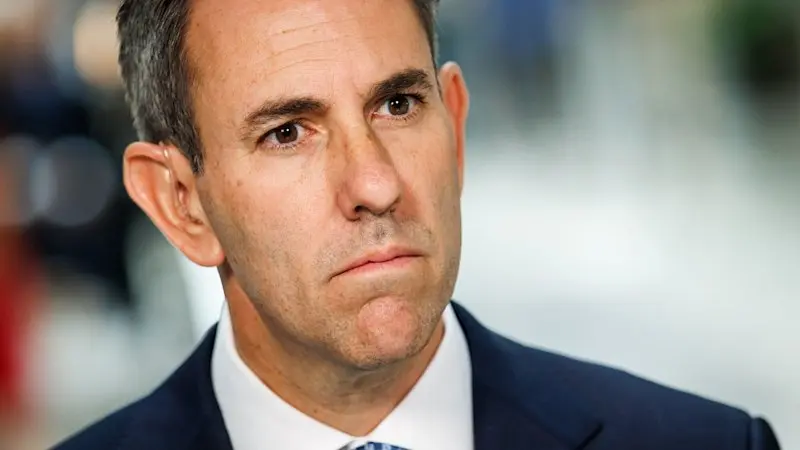
이번 주 워싱턴을 방문해 다른 주요 경제국 경제 관료들과 협의해 온 짐 챌머스 재무장관은 회의를 마치고 중동 분쟁의 결과가 이미 "호주 국민에게 매우 심각하며" 심각해질 위험이 있다고 경고했다.
"불확실한 시기"라고 그는 말했다. "글로벌 경제에 많은 압력과 위험이 있다."
그 위험은 3주 조금 넘게 남은 챌머스의 5번째 예산안의 판도를 높였다. 이는 재무장관에게 결정적 순간으로 다가오고 있다.
이번 주 초 국제통화기금(IMF)은 정부들에게 높은 유류 비용으로 인한 재정적 타격을 완화하기 위해 유권자에게 생활비 지원금을 쏟아붓지 말라고 촉구했다.
그러한 예산 정책은 종종 "잘 설계되지 않았고 비용이 많이 들며" 인플레이션 압력을 가중시킨다.
높은 유류 비용은 이미 호주에서 인플레이션을 부추기고 있으며, 가계에 세금 납부자의 현금을 나눠주는 것은 문제만 악화시킬 뿐이다.
지난 5월 노동당의 선거 승리 규모를 고려할 때 알바니즈 정부는 강력한 정치적 입지에 있으며 예산을 약화시키고 중기적으로 경제에 해를 끼칠 수 있는 포퓰리즘 정책에 의존할 필요가 없다.
챌머스는 IMF의 조언을 경청해야 한다. 현재 상황은 신중한 예산 규율을 요구한다.
연방준비은행(RBA) 또한 미국의 이란 개입 이후 경제 여파로 시험대에 오를 것이다. 높은 유류 가격이 인플레이션에 상방 압력을 가하면서 동시에 경제 전반의 활동을 위축시키는 가시돋힌 정책 과제에 직면해 있다.
이번 주 RBA 앤드루 하우저 부총재는 인플레이션을 끌어올리고 활동을 끌어내리는 그러한 "스태그플레이션 충격"을 "중앙은행가의 악몽"이라고 묘사했다.
동시에 하우저는 중동 위기가 인플레이션에 미치는 "중기적 영향"과 향후 인플레이션에 대한 소비자 기대에 어떻게 영향을 미칠 수 있는지에 대한 RBA의 우려를 재차 강조했다.
RBA는 올해 두 차례 금리를 인상했으며 많은 경제학자들이 5월 초 회의에서 은행 통화정책위원회가 2026년 세 번째 인상을 지시할 것으로 예상하고 있다.
그러나 RBA는 에너지 충격의 불확실한 경제적 결과를 고려해 신중하게 진행해야 한다.
금리를 너무 높게 올려 불필요하고 지속적인 경제적 피해를 초래할 실제 위험이 있다.
조던 베이커가 단독 보도
저장 항목 최대 개수에 도달했습니다.
저장 목록에서 항목을 제거하여 더 많은 항목을 추가하세요.
더 많은 항목을 추가하려면 저장 목록에서 항목을 제거하세요.
언제든지 저장 목록에 기사를 추가하고 다시 확인할 수 있습니다.
중동의 적대 행위가 장기화되면서 호주의 경제 전망이 어두워지고 있다.
소비자 신뢰도는 급등하는 유류 가격이 가계 예산을 압박하면서 4월에 코로나19 팬데믹 시작 이후 가장 큰 폭으로 하락했다. 시드니의 무연 휘발유 가격은 6주 넘게 리터당 2달러를 넘었으며 유류 공급에 대한 불확실성은 지속되고 있다.
이란 위기가 오래 지속되고 휘발유 가격이 높게 유지될수록 신뢰도 침체가 실제 경제 약화로 이어질 위험이 커진다.
고용 시장은 지금까지 꽤 탄탄했지만, 4월 웨스트팩-멜버른 연구소 실업 기대 지수가 급등해 향후 몇 달 동안 실업률이 상승할 것이라고 믿는 근로자 비중이 증가하고 있다.
이번 주 워싱턴을 방문해 다른 주요 경제국 경제 관료들과 협의해 온 짐 챌머스 재무장관은 회의를 마치고 중동 분쟁의 결과가 이미 "호주 국민에게 매우 심각하며" 심각해질 위험이 있다고 경고했다.
"불확실한 시기"라고 그는 말했다. "글로벌 경제에 많은 압력과 위험이 있다."
그 위험은 3주 조금 넘게 남은 챌머스의 5번째 예산안의 판도를 높였다. 이는 재무장관에게 결정적 순간으로 다가오고 있다.
이번 주 초 국제통화기금(IMF)은 정부들에게 높은 유류 비용으로 인한 재정적 타격을 완화하기 위해 유권자에게 생활비 지원금을 쏟아붓지 말라고 촉구했다.
그러한 예산 정책은 종종 "잘 설계되지 않았고 비용이 많이 들며" 인플레이션 압력을 가중시킨다.
높은 유류 비용은 이미 호주에서 인플레이션을 부추기고 있으며, 가계에 세금 납부자의 현금을 나눠주는 것은 문제만 악화시킬 뿐이다.
지난 5월 노동당의 선거 승리 규모를 고려할 때 알바니즈 정부는 강력한 정치적 입지에 있으며 예산을 약화시키고 중기적으로 경제에 해를 끼칠 수 있는 포퓰리즘 정책에 의존할 필요가 없다.
챌머스는 IMF의 조언을 경청해야 한다. 현재 상황은 신중한 예산 규율을 요구한다.
연방준비은행(RBA) 또한 미국의 이란 개입 이후 경제 여파로 시험대에 오를 것이다. 높은 유류 가격이 인플레이션에 상방 압력을 가하면서 동시에 경제 전반의 활동을 위축시키는 가시돋힌 정책 과제에 직면해 있다.
이번 주 RBA 앤드루 하우저 부총재는 인플레이션을 끌어올리고 활동을 끌어내리는 그러한 "스태그플레이션 충격"을 "중앙은행가의 악몽"이라고 묘사했다.
동시에 하우저는 중동 위기가 인플레이션에 미치는 "중기적 영향"과 향후 인플레이션에 대한 소비자 기대에 어떻게 영향을 미칠 수 있는지에 대한 RBA의 우려를 재차 강조했다.
RBA는 올해 두 차례 금리를 인상했으며 많은 경제학자들이 5월 초 회의에서 은행 통화정책위원회가 2026년 세 번째 인상을 지시할 것으로 예상하고 있다.
그러나 RBA는 에너지 충격의 불확실한 경제적 결과를 고려해 신중하게 진행해야 한다.
금리를 너무 높게 올려 불필요하고 지속적인 경제적 피해를 초래할 실제 위험이 있다.
조던 베이커가 단독 보도
저장 항목 최대 개수에 도달했습니다.
저장 목록에서 항목을 제거하여 더 많은 항목을 추가하세요.
처리 완료
2,627 tokens · $0.0053
기사 수집 완료 · 16:16
매체 피드에서 기사 메타데이터 수집
헤드라인 번역 완료 · 16:28
제목/요약 한국어 번역 (fetch 시점 inline)
kimi-k2.5
126 tokens
$0.00022
14.8s
본문 추출 완료
3,374자 추출 완료
본문 한국어 번역 완료 · 16:28
1,576자 번역 완료
kimi-k2.5
2,501 tokens
$0.00507
48.1s
지정학적 엔티티 추출 완료 · 16:28
6개 엔티티 추출 완료
지정학적 맥락 & R-Scanner
본문에서 추출된 지명 (6)
위치 지도
지도 로딩 중…
같은 주제의 다른 기사 (최근 7일)
Dealing with the looming economic crunch will challenge our economic guardians.
You have reached your maximum number of saved items.Remove items from your saved list to add more.
Add articles to your saved list and come back to them anytime.
Australia’s economic outlook is darkening as hostilities in the Middle East drag on.
Consumer confidence registered its biggest fall since the onset of the COVID pandemic in April as soaring fuel prices sapped household budgets. The price of unleaded petrol in Sydney has now been above $2 a litre for more than six weeks and uncertainty over fuel supplies persists.
The longer the Iran crisis lingers, and the longer petrol prices stay high, the greater the risk that the slump in confidence will result in actual economic weakness.
While the jobs market has been fairly resilient so far, the Westpac-Melbourne Institute Unemployment Expectations Index rose sharply in April, meaning a growing share of workers believe unemployment will rise in the months ahead.
Treasurer Jim Chalmers, who has been in Washington this week consulting economic officials from other major economies, emerged from the meetings to warn that the consequences of the Middle East conflict were already “very serious for Australians” and that they risk becoming severe.
“It’s a time of uncertainty,” he said. “There’s a lot of pressure and peril in the global economy.”
That peril has raised the stakes for Chalmers’ fifth budget, due in a little over three weeks. It looms as a defining moment for the treasurer.
Earlier this week, the International Monetary Fund urged governments not to shower voters with cost-of-living handouts in a bid to soften the financial blow caused by higher fuel costs.
Those budget policies are often “poorly designed and costly” and add to inflationary pressures.
Higher fuel costs are already stoking inflation in Australia, and doling out taxpayer cash to households will only make the problem worse.
The scale of Labor’s election victory last May means the Albanese government is in a strong political position and it does not need to resort to populist policies that weaken the budget and threaten to harm the economy in the medium term.
Chalmers must heed the IMF’s advice; the current situation calls for careful budget discipline.
The Reserve Bank will also be tested by the economic fallout following the US military’s intervention in Iran. It faces a thorny policy challenge as higher fuel prices put upward pressure on inflation and dampen activity across the economy at the same time.
This week, RBA deputy governor Andrew Hauser described that kind of “stagflationary shock” – which pushes inflation up and pushes activity down – as a “central banker’s nightmare”.
At the same time, Hauser reiterated RBA concerns about the “medium-term impact” on inflation from the Middle East crisis, and how it might affect consumer expectations of future inflation.
The RBA has lifted interest rates twice this year and many economists expect the bank’s monetary policy board will order a third hike for 2026 when it meets in early May.
But the RBA must proceed with caution, given the uncertain economic consequences of the energy shock.
There is a real risk it will lift interest rates too high and cause unnecessary and lasting economic damage.
Jordan Baker sends an exclusive
You have reached your maximum number of saved items.
Remove items from your saved list to add more.