새로운 국과 해상 석유 시추 및 해저 광물 채굴을 감독할 것
A New Bureau Will Oversee Both Offshore Drilling and Seabed Mining
The New York Times
· 🇺🇸 New York, US
Sachi Kitajima Mulkey
EN
2026-04-24 02:33
Translated
새로운 연방 사무소는 2010년 딥워터 호라이즌 석유 재해 이후 이루어진 변화를 취소할 것입니다. 비평가들은 이것이 환경 감시를 줄일 수 있다고 말합니다.
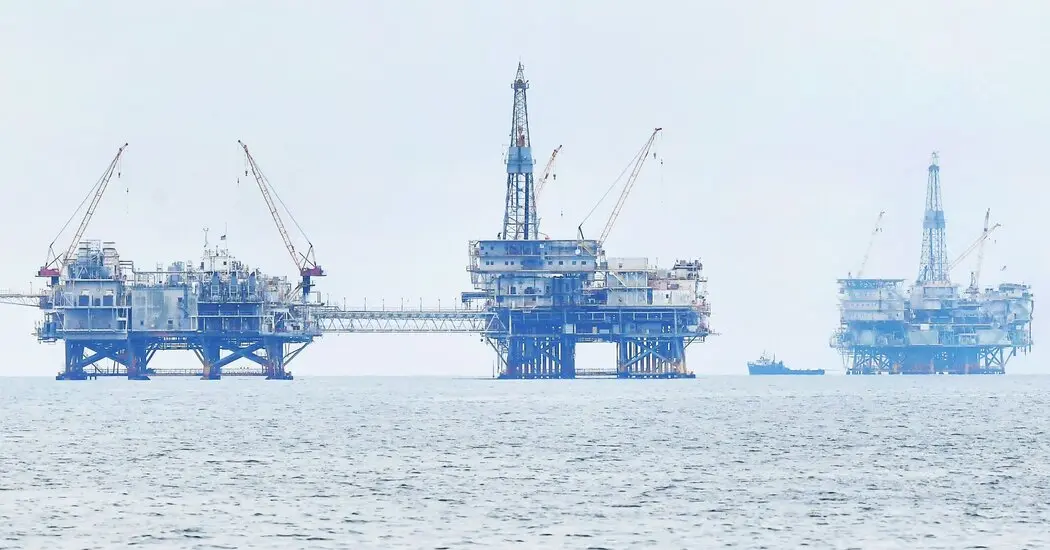
트럼프 행정부는 영해의 석유 시추 및 해저 광물 채굴에 대한 환경 감시를 약화시킬 수 있다고 비평가들이 지적하는 새로운 사무소를 창설하고 있습니다.
해양 광물 관리청이라는 새로운 기관은 2010년 딥워터 호라이즌 석유 유출 이후 환경 감시를 강화하고 향후 석유 재해를 방지하기 위해 분할되었던 두 사무소를 재통합함으로써 형성될 것입니다. 분할 후 내무부의 석유 임차 활동이 환경 규제 및 재정 관리에서 분리되었습니다.
이러한 움직임은 "해상 석유 및 가스 개발 촉진과 안전 감시 사이의 본질적인 이해 상충이 다시 발생할 가능성이 있기 때문에 우려스럽다"고 메릴랜드 대학교 환경과학센터의 명예 교수인 도널드 보에시는 말합니다.
수요일 트럼프 대통령의 내년 예산안 청문회에서 더그 버검 내무부 장관은 두 사무소의 재통합이 새로운 에너지 프로젝트를 지연시킨 빨간 테이프를 줄일 것이라고 말했습니다. "이러한 통합 노력은 관료제를 간소화할 것입니다"라고 버검 장관은 말했습니다.
내무부의 일부인 새로운 사무소는 트럼프 행정부가 2025년 취임 이후 우선시해온 해상 석유 및 가스 시추를 감독할 것입니다. 또한 국가 수역의 대통령의 심해 광물 채굴 의제를 시행하고 영해의 해저 지역에서 발견되는 광물 매장량에 대한 임차 판매를 개최할 것입니다.
딥워터 호라이즌 재해는 석유 시추선의 11명의 승무원을 죽였고, 멕시코만의 생태계에 치명적인 피해를 입혔으며, 해안 지역사회에 지속적인 건강 및 경제적 영향을 미쳤습니다. 박사가 공동 저술한 것을 포함하여 재해 이후 연방 조사에서는 당시 규제 기관이 감시해야 할 석유 및 가스 산업과 너무 가까워졌으며, 안전 및 환경 문제를 희생하면서 에너지 개발을 우선시하는 방식으로 구성되었음을 발견했습니다. 오바마 행정부는 나중에 갈등하는 이해관계를 분리하기 위해 이를 3개의 국으로 분할했습니다.
한 내무부 대변인은 성명에서 이 전환이 환경 감시 또는 안전 규정을 약화시키지 않을 것이라고 말했습니다.
새로운 국은 또한 트럼프 행정부의 미국 영토의 수역을 심해 광물 채굴 회사에 임차하려는 계획을 감시할 것입니다. 내무부 대변인에 따르면 이러한 판매 중 첫 번째는 내년에 일어날 가능성이 있습니다.
신흥 산업은 희토류, 코발트, 철, 망간, 구리 및 자석, 배터리, 무기 및 기타 기술에 사용되는 기타 자원을 포함하여 전 세계 해저에 풍부하게 존재하는 광물 매장량을 채굴하려고 합니다.
해저 광물 채굴은 해양 생태계에 대한 위험 때문에 환경적으로 논쟁이 되며, 어느 회사도 상업 라이선스를 보유하지 않습니다. 약 40개국이 채굴 유예 또는 금지를 촉구했습니다.
트럼프는 해저 광물 채굴 산업을 가능하게 하는 것을 우선순위로 삼았습니다. 국립해양대기청은 다른 국가의 반대에도 불구하고 국제 수역에서 광물을 채굴하려는 회사의 상업 라이선스 승인을 고려하고 있습니다.
행정부는 또한 국가 수역에서 중요 광물 매장량을 조사하고 있으며 알래스카, 아메리칸 사모아, 괌 및 북마리아나 제도 근처의 영해 해저를 광물 채굴 임차료 판매를 위해 개방할 것을 고려하고 있습니다.
폴리네시아 국가 및 영토의 관리들은 문화적으로 경제적으로 중요한 수역에서의 해저 광물 채굴의 환경적 영향에 대해 우려를 표명했습니다. 아메리칸 사모아의 지도자들은 해저 광물 채굴 유예를 부과했으며, 환경 단체 및 주민들은 이 산업에 반대하는 항의 및 청원을 했습니다.
다른 곳에서 알래스카의 부서의 광물 제안은 "정말 광범위하다"고 환경 비영리 단체인 생물 다양성 센터의 알래스카 담당 쿠퍼 프리먼이 말했습니다. 임차 가능 지역은 깨끗한 북극 해양 서식지뿐만 아니라 알래스카 지역사회가 의존하는 어업과 겹칠 것이라고 프리먼은 말했습니다.
최근 국가 수역의 광물 채굴 제안은 해저 광물 채굴 스타트업인 임파서블 메탈스에서 처음 나왔습니다. 바이든 행정부 동안 임파서블 메탈스는 궁극적으로 거부된 아메리칸 사모아 근처의 임차 판매를 요청했습니다. 당시 결정을 내린 내무부 사무소의 책임자였던 엘리자베스 클라인에 따르면 국은 심해 생태계의 잠재적 환경 피해를 평가하거나 규제하기에 충분한 과학 정보가 아직 없었으며 아메리칸 사모아 정부가 충분히 관련되지 않았다고 느꼈습니다.
트럼프 행정부가 취임한 후 회사는 요청을 다시 제출했고 정부는 임차를 고려하는 공식 절차를 시작했습니다.
현재 펜실베이니아 대학교 워싱턴 지부인 펜 워싱턴의 국내 정책 프로그램 책임자인 클라인은 내무부에서 새로 창설된 사무소가 먼 영토에서 운영되는 새로운 산업을 감독하는 어려움을 기존 책임에 더해 감수할 수 있는 역량이 없을 수 있다고 말했습니다.
그녀는 사무소의 직원과 전문성이 이미 심해 광물 채굴을 책임감 있게 감시하기에 부족했으며, 트럼프 행정부 초기의 광범위한 감원으로 인한 직원 감축이 상황을 더욱 악화시켰을 것이라고 말했습니다. 새로운 예산 문서는 부서가 새로운 국을 창설함에 따라 그 숫자를 더욱 줄일 계획을 나타냅니다.
맥신 조셀로우가 보도에 기여했습니다.
사치 기타지마 물키는 뉘욕 타임스를 위해 기후와 환경을 다룹니다.
해양 광물 관리청이라는 새로운 기관은 2010년 딥워터 호라이즌 석유 유출 이후 환경 감시를 강화하고 향후 석유 재해를 방지하기 위해 분할되었던 두 사무소를 재통합함으로써 형성될 것입니다. 분할 후 내무부의 석유 임차 활동이 환경 규제 및 재정 관리에서 분리되었습니다.
이러한 움직임은 "해상 석유 및 가스 개발 촉진과 안전 감시 사이의 본질적인 이해 상충이 다시 발생할 가능성이 있기 때문에 우려스럽다"고 메릴랜드 대학교 환경과학센터의 명예 교수인 도널드 보에시는 말합니다.
수요일 트럼프 대통령의 내년 예산안 청문회에서 더그 버검 내무부 장관은 두 사무소의 재통합이 새로운 에너지 프로젝트를 지연시킨 빨간 테이프를 줄일 것이라고 말했습니다. "이러한 통합 노력은 관료제를 간소화할 것입니다"라고 버검 장관은 말했습니다.
내무부의 일부인 새로운 사무소는 트럼프 행정부가 2025년 취임 이후 우선시해온 해상 석유 및 가스 시추를 감독할 것입니다. 또한 국가 수역의 대통령의 심해 광물 채굴 의제를 시행하고 영해의 해저 지역에서 발견되는 광물 매장량에 대한 임차 판매를 개최할 것입니다.
딥워터 호라이즌 재해는 석유 시추선의 11명의 승무원을 죽였고, 멕시코만의 생태계에 치명적인 피해를 입혔으며, 해안 지역사회에 지속적인 건강 및 경제적 영향을 미쳤습니다. 박사가 공동 저술한 것을 포함하여 재해 이후 연방 조사에서는 당시 규제 기관이 감시해야 할 석유 및 가스 산업과 너무 가까워졌으며, 안전 및 환경 문제를 희생하면서 에너지 개발을 우선시하는 방식으로 구성되었음을 발견했습니다. 오바마 행정부는 나중에 갈등하는 이해관계를 분리하기 위해 이를 3개의 국으로 분할했습니다.
한 내무부 대변인은 성명에서 이 전환이 환경 감시 또는 안전 규정을 약화시키지 않을 것이라고 말했습니다.
새로운 국은 또한 트럼프 행정부의 미국 영토의 수역을 심해 광물 채굴 회사에 임차하려는 계획을 감시할 것입니다. 내무부 대변인에 따르면 이러한 판매 중 첫 번째는 내년에 일어날 가능성이 있습니다.
신흥 산업은 희토류, 코발트, 철, 망간, 구리 및 자석, 배터리, 무기 및 기타 기술에 사용되는 기타 자원을 포함하여 전 세계 해저에 풍부하게 존재하는 광물 매장량을 채굴하려고 합니다.
해저 광물 채굴은 해양 생태계에 대한 위험 때문에 환경적으로 논쟁이 되며, 어느 회사도 상업 라이선스를 보유하지 않습니다. 약 40개국이 채굴 유예 또는 금지를 촉구했습니다.
트럼프는 해저 광물 채굴 산업을 가능하게 하는 것을 우선순위로 삼았습니다. 국립해양대기청은 다른 국가의 반대에도 불구하고 국제 수역에서 광물을 채굴하려는 회사의 상업 라이선스 승인을 고려하고 있습니다.
행정부는 또한 국가 수역에서 중요 광물 매장량을 조사하고 있으며 알래스카, 아메리칸 사모아, 괌 및 북마리아나 제도 근처의 영해 해저를 광물 채굴 임차료 판매를 위해 개방할 것을 고려하고 있습니다.
폴리네시아 국가 및 영토의 관리들은 문화적으로 경제적으로 중요한 수역에서의 해저 광물 채굴의 환경적 영향에 대해 우려를 표명했습니다. 아메리칸 사모아의 지도자들은 해저 광물 채굴 유예를 부과했으며, 환경 단체 및 주민들은 이 산업에 반대하는 항의 및 청원을 했습니다.
다른 곳에서 알래스카의 부서의 광물 제안은 "정말 광범위하다"고 환경 비영리 단체인 생물 다양성 센터의 알래스카 담당 쿠퍼 프리먼이 말했습니다. 임차 가능 지역은 깨끗한 북극 해양 서식지뿐만 아니라 알래스카 지역사회가 의존하는 어업과 겹칠 것이라고 프리먼은 말했습니다.
최근 국가 수역의 광물 채굴 제안은 해저 광물 채굴 스타트업인 임파서블 메탈스에서 처음 나왔습니다. 바이든 행정부 동안 임파서블 메탈스는 궁극적으로 거부된 아메리칸 사모아 근처의 임차 판매를 요청했습니다. 당시 결정을 내린 내무부 사무소의 책임자였던 엘리자베스 클라인에 따르면 국은 심해 생태계의 잠재적 환경 피해를 평가하거나 규제하기에 충분한 과학 정보가 아직 없었으며 아메리칸 사모아 정부가 충분히 관련되지 않았다고 느꼈습니다.
트럼프 행정부가 취임한 후 회사는 요청을 다시 제출했고 정부는 임차를 고려하는 공식 절차를 시작했습니다.
현재 펜실베이니아 대학교 워싱턴 지부인 펜 워싱턴의 국내 정책 프로그램 책임자인 클라인은 내무부에서 새로 창설된 사무소가 먼 영토에서 운영되는 새로운 산업을 감독하는 어려움을 기존 책임에 더해 감수할 수 있는 역량이 없을 수 있다고 말했습니다.
그녀는 사무소의 직원과 전문성이 이미 심해 광물 채굴을 책임감 있게 감시하기에 부족했으며, 트럼프 행정부 초기의 광범위한 감원으로 인한 직원 감축이 상황을 더욱 악화시켰을 것이라고 말했습니다. 새로운 예산 문서는 부서가 새로운 국을 창설함에 따라 그 숫자를 더욱 줄일 계획을 나타냅니다.
맥신 조셀로우가 보도에 기여했습니다.
사치 기타지마 물키는 뉘욕 타임스를 위해 기후와 환경을 다룹니다.
처리 완료
4,407 tokens · $0.0127
기사 수집 완료 · 03:05
매체 피드에서 기사 메타데이터 수집
헤드라인 번역 완료 · 11:48
제목/요약 한국어 번역 (fetch 시점 inline)
kimi-k2.5
0 tokens
$0.00000
0.1s
본문 추출 완료
5,713자 추출 완료
본문 한국어 번역 완료 · 11:48
2,481자 번역 완료
claude-haiku-4-5-20251001
4,407 tokens
$0.01271
28.5s
지정학적 엔티티 추출 완료 · 11:48
6개 엔티티 추출 완료
지정학적 맥락 & R-Scanner
R-Scanner · 평상
z=-8.87
일상적인 보도 수준 — 기준: United States
(🇺🇸 US)
최근 6시간 0건
7일 평균 79.75건 / 6h
0개국 매체
0개 매체
본문에서 추출된 지명 (6)
위치 지도
지도 로딩 중…
같은 주제의 다른 기사 (최근 7일)
The new federal office will undo a change made after the 2010 Deepwater Horizon oil disaster. Critics say it could reduce environmental oversight.
The Trump administration is creating a new office that critics say could weaken the environmental oversight of oil drilling and seabed mining in territorial waters.The new agency, the Marine Minerals Administration, will be formed by reunifying two offices that had been split up after the 2010 Deepwater Horizon oil spill in an effort to increase environmental oversight of the energy industry and prevent future oil disasters. After the split, the Interior Department’s oil-leasing activities were separated from environmental regulation and financial management.
The move is “worrisome because it has the potential of bringing things back where they were, where there was this inherent conflict of interest between promotion of offshore oil and gas, and oversight safety,” according to Donald Boesch, emeritus professor at the University of Maryland Center for Environmental Science.
At a Wednesday hearing on President Trump’s budget proposal for next year, Interior Secretary Doug Burgum said that recombining the two offices would cut red tape that has held up new energy projects. “These unification efforts will streamline bureaucracy,” Mr. Burgum said.
The new office, part of the Interior Department, will oversee offshore oil and gas drilling, which the Trump administration has prioritized since taking office in 2025. It will also enact the president’s deep-sea mining agenda in national waters, and hold lease sales for mineral deposits found on the seabed areas in territorial waters.
The Deepwater Horizon disaster killed 11 crew members on the rig, caused catastrophic damage to ecosystems in the Gulf of Mexico and had lasting health and economic effects on coastal communities. Federal investigations after the disaster, including one that Dr. Boesch coauthored, found that the regulatory body at the time had become too close to the oil and gas industry it was supposed to oversee, and was structured in a way that prioritized energy development at the expense of safety and environmental concerns. The Obama administration later split it up into three bureaus to separate the conflicting interests.
In a statement, an Interior Department spokeswoman said the transition would not weaken environmental oversight or safety regulations.
The new bureau will also take on oversight of the Trump administration’s plans to lease waters in U.S. territories to deep-sea mining companies. The first of these sales, according to the spokeswoman for the Interior Department, are likely to happen next year.
The nascent industry seeks to harvest mineral deposits found in abundance across seabeds worldwide including rare earths, cobalt, iron, manganese, copper and other resources used in magnets, batteries, weapons and other technologies.
Seabed mining is environmentally controversial because of the risks to ocean ecosystems, and no company holds a commercial license to mine. Some 40 governments have called for a mining moratorium or ban.
Mr. Trump has made enabling the seabed mining industry a priority. The National Oceanic and Atmospheric Administration is considering approving a commercial license for companies that want to mine in international waters, despite objections from other countries.
The administration is also surveying national waters for critical mineral deposits and is considering opening the seafloor in territorial waters near Alaska, American Samoa, Guam and the Northern Mariana Islands for the sale of mining leases.
Officials from Polynesian countries and territories have expressed concerns about the environmental effects of seabed mining in waters that are culturally and economically important. The leaders of American Samoa have imposed a seabed mining moratorium, and environmental groups and residents have protested and petitioned against the industry.
Elsewhere, the department’s mining proposal for Alaska is “really sweeping,” said Cooper Freeman, the Alaska director for the Center for Biological Diversity, an environmental nonprofit group. The leasable areas would overlap with pristine Arctic marine habitats as well as fisheries that Alaskan communities rely on, Mr. Freeman said.
The recent proposals to mine in national waters first came from Impossible Metals, a seabed-mining start-up. During the Biden administration, Impossible Metals requested a lease sale near American Samoa that was ultimately rejected. According to Elizabeth Klein, who was the director of the Interior Department office that made the decision at the time, the bureau felt that there was not yet enough scientific information about the deep ocean ecosystem to assess or regulate potential environmental damage and the government of American Samoa had not been sufficiently involved the process.
After the Trump administration took office, the company resubmitted its request and the government began a formal process to consider leasing.
Ms. Klein, who is now the director of domestic policy programs at Penn Washington, the University of Pennsylvania branch in the capital, said the newly created office at the Interior Department might not have the capacity to take on the difficulties of overseeing a new industry operating in distant territories in addition to its existing responsibilities.
The office’s staff and expertise was already insufficient to responsibly oversee deep sea mining, she said, and the staff reductions caused by extensive layoffs early in the Trump administration very likely make the situation worse. A new budget document indicates the department's plans to reduce those numbers further as it creates the new bureau.
Maxine Joselow contributed reporting.
Sachi Kitajima Mulkey covers climate and the environment for The Times.