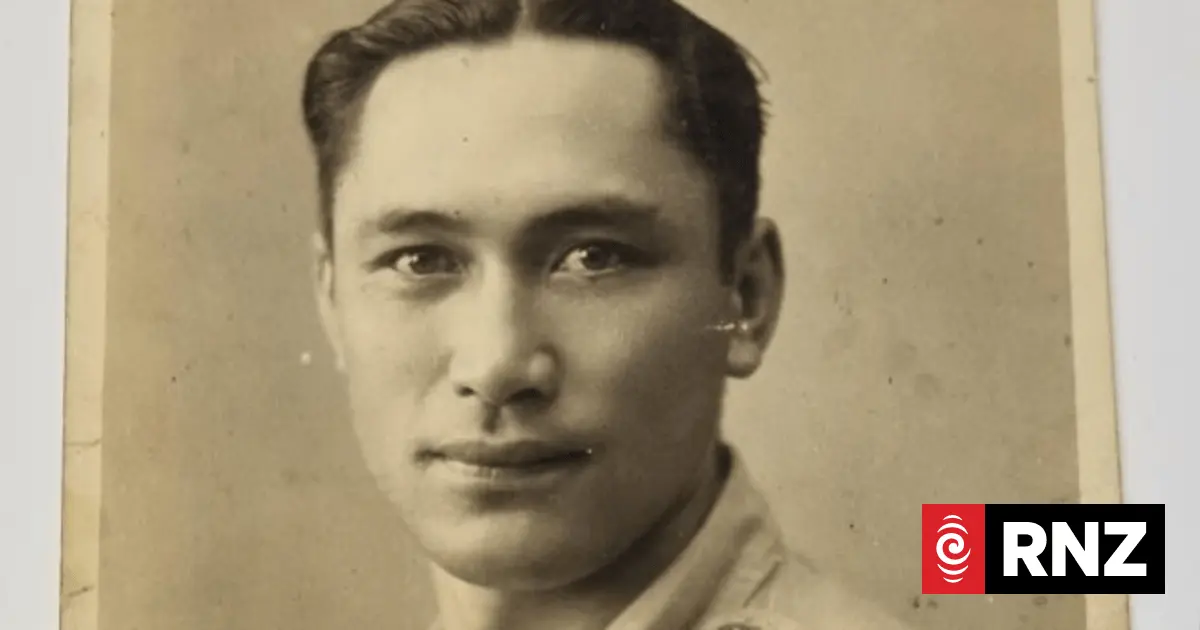
He taonga tuku iho: 28번째 마오리 대대 병사 로버트 맥린을 추모하며
He taonga tuku iho: Remembering 28th Māori Battalion soldier Robert McLean
RNZ
· 🇳🇿 Wellington, NZ
Layla Bailey-McDowell
EN
2026-04-26 06:33
Translated
용맹함으로 인정받은 로버트 맥린의 유산은 그를 알고 사랑했던 사람들에게 깊은 인상을 남겼으며, 그의 아들이 RNZ에 이를 전했다.
라파타 포타히 마카리니 티토레(1920-2004), 로버트 맥린으로도 알려진 그는 제2차 세계대전 중 28번째 마오리 대대에서 복무한 공로로 군사훈장을 수여받았다.
이 이야기는 28번째 마오리 대대의 가족들의 목소리를 나누고 그들의 기억을 살아있게 유지하는 시리즈의 일부이다.
어떤 이야기가 시작되기 전에 피리피 맥린은 카라키아(기도)로 시작한다.
이는 그의 고인이 된 아버지 라파타 포타히 마카리니 티토레, 즉 로버트 맥린으로부터 물려받은 관행으로, 그는 28번째 마오리 대대의 병사였다.
맥린은 1919년 호키앙가에서 태어났다. 그는 큰 가족에서 둘째 형으로, 제2차 세계대전 중 복무는 한 세대를 정의하게 되었다.
그의 형이 먼저 입대했다. 그 다음 그가 따라갔다. 그의 막내 형제 벤 맥린도 복무했으며 나중에 콜디츠 성에서 포로로 잡힌 유일한 두 명의 마오리 병사 중 한 명이 되었다.
자신의 어머니 소망에도 불구하고 맥린은 입대했다.
"그는 도망쳤어요," 피리피가 말했다. "그는 절대 집에 가지 않았어요. 돌아왔을 때도 다시 돌아가지 않았어요. 죄책감을 느꼈기 때문이에요. 그가 없는 동안 어머니가 돌아가셨거든요."
그의 어머니가 전쟁 중에 유일하게 그에게 편지를 쓴 사람이었다. 하지만 그 말씀들은 큰 힘과 의미를 담고 있었다.
"편지를 받을 때마다 어머니는 '우리는 집에서 매일 아침 일곱 시에 기도한다. 우리와 함께 하렴'이라고 말씀하셨어요."
"모든 상황 속에서도 그는 멈추고 기도를 했어요," 피리피가 말했다.
"그의 친구들은 그를 보고 '도대체 뭐 하는 거야?'라고 생각했어요. 그러다가 그가 기도를 하고 있다는 걸 깨달았고, 그들도 모두 함께 했어요."
"나는 그게 그가 집으로 돌아온 이유 중 하나라고 생각해요."
많은 그의 세대처럼, 맥린은 전쟁에 대해 거의 말하지 않았다: "그는 말하지 않았어요," 피리피가 말했다. "그들 중 많은 사람들이 그렇게 했어요." 하지만 영향은 다른 방식으로 나타났다.
"그는 밤에 조용한 침묵 속에서 잠을 잘 수 없었어요," 그가 말했다.
"그것은 그를 조용히 하려던 전쟁 시절의 악몽을 불러일으켰어요... 그래서 우리 집은 항상 시끄러웠어요. 노래, 말. 그것이 그를 안정시켰어요. 그가 그곳에 있지 않다는 것을 상기시켰거든요."
아버지를 생각하며, 피리피는 그가 부드럽고 온화한 사람이었다고 말했다.
"그가 재결합에 가거나 그 시대의 다른 사람들을 만날 때, 그는 정말 조용했어요.
"때때로... 제가 그를 화장실에 데려갈 때... 저는 밖에 앉아 있었는데 그가 우는 소리가 들렸어요.
"저는 '괜찮으세요, 할아버지?'라고 물었고, 그는 '응, 괜찮아'라고 말했어요. 하지만 그는 울고 있었어요. 그리고 나와서 자신을 정리하고 그게 다였어요."
그 상처의 순간들은 다른 모레후들 사이에서도 직접 말해지지 않았지만, 이해되었다고 피리피가 말했다.
"그가 전쟁에 대해 말할 때, 죽음에 대해서는 말하지 않았어요. 재미있는 부분에 대해 말했어요," 피리피가 말했다.
"그가 우리에게 말해준 것은 전쟁 중에 그들은 어디든 걸어 다니지 않았다는 거였어요. 그들이 한 일은 트럭이나 폭탄 맞은 차를 찾아서... 고쳐서, 장교들한테서 휘발유를 훔쳐서... 떠났다는 거예요."
그는 그것을 떠올리며 웃었다.
"이탈리아 사람들은 자신들의 돼지가 없어진 것을 발견했고 그 친구들은 항우(하우기)를 하고 있었어요... 돼지들이 항우에 들어가 있었어요... 그 친구들은 정말 재미있었어요."
모레후는 엘 알라메인 60주년을 기념하는 2002년 이집트 참전용사 투어에서. 로버트 맥린이 전직 총리 헬렌 클락 옆에 서있다.
2002년, 피리피는 부모님과 형 존과 함께 엘 알라메인 60주년을 위해 이집트로 여행을 떠났고, 다른 참전용사들과 그들의 가족들과 함께 했다.
A, B, C, D 중대의 모레후들이 그룹에 포함되었으며, 그들은 모두 이후 돌아가셨다.
피리피는 그 여행이 그가 전에 본 적 없는 아버지의 모습을 드러냈다고 말했다.
박물관을 방문하는 동안, 한 이탈리아 남자가 맥린에게 이탈리아어로 인사했다.
"우리 아버지가 답했어요," 피리피가 말했다. "이탈리아어로."
그것이 그의 아들들이 그가 이탈리아어를 말하는 것을 처음 들은 것이었다.
"우리는 그에게 언제 마지막으로 말했는지 물었어요... 그는 '1945년에 떠날 때'라고 말했어요."
엘 알라메인에서, 그룹은 돌아오지 않은 사람들을 경의하기 위해 모였다. 표지석이 무덤에 놓여졌고 히메네(찬송가)가 우루파(묘지)를 채웠다.
"많은 사람들이 매우 젊었어요," 피리피가 말했다.
"그것이 주변의 많은 사람들로부터 눈물을 흘리게 했어요."
아버지가 얼마나 강했는지를 보여주는 한 순간이 있었다.
당시 그의 아버지는 쇠약해져 있었고 휠체어를 타고 있었다. 그는 마오리어로 헌사시를 낭송해달라는 요청을 받았지만 거절했다.
"그가 '나는 앉은 상태로 낭송하지 않겠다'고 말했어요."
나중에, 그룹이 떠날 준비를 하자, 맥린은 우뚝 섰다.
"그가 '나는 밀려 들어갔지만, 걸어서 나가겠다'고 말했어요."
한 발 한 발씩, 맥린은 묘지에서 문까지 걸어가 앞장을 섰다.
"저는 '당신은 정말 강한 할아버지다'라고 생각했어요," 피리피가 말했다.
"그것은 정말 아름다운 광경이었어요. 왜냐하면 그것이 정말로 그의 마나(권위)를 보여줬거든요. 그는 그와 함께 돌아오지 않은 사람들을 경의하고 싶었어요."
28 마오리 대대의 병사들, 2002년 이집트에서: 목발을 들고 있는 맥린, 그리고 그의 아내 후이아가 그 뒤에 있다.
한 시점에서, 그룹은 이탈리아 참전용사들과 함께 추도식에 참석했다. 양쪽의 상실 기억으로 인해 긴장이 고조되었다.
"불안감이 있었어요," 피리피가 말했다.
"그들은 우리가 거기 있는 것에 대해 상당히 화가 났었어요, 왜냐하면 그들은 이 병사들에 의해 동료들을 잃은 기억을 했기 때문이에요... 그래서 우리는 일어나서 떠났어요."
"아버지가 그들 앞에서 상처나 슬픔을 보여주지 않았지만, 혼자 있을 때는 확실히 보여줬어요. 그리고 울었어요."
맥린이 2004년에 돌아간 후 몇 년이 지나서야 그들의 가족은 그의 복무에 대해 더 알게 되었다.
2011년, 피리피의 여동생이 참전용사 업무부에 연락하여 그들의 아버지가 훈장을 받았는지 물었다. 그들은 그가 군사훈장과 함께 다른 영예를 받았다는 것을 발견했다.
이 인증은 1990년 4월 NZ 28 마오리 대대 황금 50주년 재결합 책자에 그의 행동을 기록하고 있다:
1945년 4월 10일 산테르노 강 건넜을 때, 하사관 맥린은 중대의 초기 교두보를 형성하기 위해 배정된 소대를 지휘했으며, 그는 적의 포격과 스판다우 포격 아래에서 전진하여 적의 저항에 대항하여 자신의 소대를 지휘한 뛰어난 용맹과 주도성을 보였고, 그 과정에서 소대는 한 개의 적 박격포와 승무원을 파괴했으며 그는 개인적으로 스판다우 포스트를 점령하여 15명의 적을 사살했다. 형성된 교두보를 통해 그의 중대가 통과하여 최종 목표까지 싸워 나아갔고, 그 후 하사관 맥린은 자신의 소대를 이끌고 최종 목표에서 통합하도록 했다. 통합 후 적이 여러 번 반격했지만 그의 소대가 지킨 구간은 그의 부하들에 의해 용감하게 방어되었고, 전반적으로 소대와 소대의 성공은 이 병사의 기개와 용감한 지휘력 때문이었다.
투아페로 마라에에서의 ANZAC 데이 새벽 서비스, 라파타 포타히 마카리니 티토레를 경의하며 - 로버트 맥린.
전쟁 후, 맥린은 뒤에 남아 자신의 막내 형제 벤을 찾아 집으로 데려왔다.
피리피에 따르면, 그들이 웰링턴으로 돌아왔을 때, 기차표 이상의 것은 거의 주어지지 않았다. 그곳에서 그들은 어디서든 일자리와 숙박을 찾아야 했다. 호키앙가까지 가는 것은 재정적으로 불가능했으므로 그들은 할 수 있는 곳에 머물고 생존하기 위해 일했다.
"그들은 돈이 없었어요," 그가 말했다. "그래서 그들은 할 수 있는 모든 일을 했어요."
피리피는 그의 아버지가 타마키 마카우라우의 실비아 공원 군 막사에서 살았던 것을 회상했으며, 월세를 내고 생존하기 위해 육체 노동을 했다.
"재미있었던 것은 그들이 월급을 받으면 그 모든 것에 월세를 내야 했다는 거예요," 그가 말했다. "나는 생각했어요, 이 친구들은 실비아 공원을 소유하지도 않았는데. 정부가 운영했는데도 그들에게 월세를 요구했어요."
역사가들은 오랫동안 특히 주택, 토지, 국가 지원 측면에서 양차 세계대전 후 마오리와 팍케하 병사들이 어떻게 지원되었는지의 차이를 기록했다.
피리피는 그 차이가 자신의 아버지가 경험한 것에서 명확하다고 말했다.
"팍케하 병사들이 집에 돌아왔을 때, 그들은 개가지 퍼레이드를 받았고 모든 멋진 것들을 받았어요," 그가 말했다. "그 다음 정부로부터 집을 받았어요.
"우리 친구들이 집에 와서 그런 것은 아무것도 받지 못했어요. 그들은 기차나 버스로 보내져 자신들이 온 곳으로 집에 돌아갔어요."
그는 많은 마오리 참전용사들이 자신들을 받아줄 누군가를 통해 일자리를 찾아야 했다고 말했다.
"그들은 사기꾼들을 만났어요," 피리피가 말했다: "'우리와 함께 일하세요, 우리는 돈이 있어요, 당신은 우리를 위해 일할 수 있어요.' 그리고 그들은 팍케하 사람과 같은 금액을 결코 받지 못했어요."
"마오리는 자신들의 방식으로 생존해야 했어요."
그런 지원의 부재는 전쟁이 끝난 지 오래 후에도 계속되었다고 피리피가 말했다.
"당신이 믿을 수 없을 거예요... 1949년까지 우리 아버지는 어디든 가려면 여권이 필요했어요."
심지어 스포츠를 위해 여행하는 것도 공식 허가가 필요했다고 피리피가 말했다.
"경찰이 우리 아버지를 멈췄어요. 그는 이 사람이 스포츠 토너먼트에서 뛰고 있다는 여권을 가지고 있었어요," 피리피가 말했다. "그리고 그 경찰은 '음, 3시에 끝나니까 그때쯤 집에 가 있는 게 낫겠네요'라고 말했어요."
모든 움직임이 기록되었다.
"여권에는 당신의 이름, 당신이 어디서 왔는지, 당신이 거기 있는 이유, 당신이 누구와 함께 있는지, 당신이 얼마나 오래 있을 건지, 그리고 당신이 어떻게 집으로 갈 건지가 적혀 있었어요," 그가 말했다.
"그리고 당신은 돌아갈 충분한 돈을 가지고 있어야 했어요. 90퍼센트의 경우 그들은 없었어요."
아버지를 돌아보며, 피리피는 그가 조용한 힘의 사나이였다고 말했다.
그는 술을 마시지 않았다. 그는 담배를 피우지 않았다. 그는 체력이 강했지만 성질은 온화했다.
"그는 절대 우리에게 손을 들지 않았어요," 피리피가 말했다.
그 규율이 그들의 집을 형성했지만, 아로하(사랑)도 그랬다.
"그는 항상 우리를 위해 시간이 있었어요. 그는 우리와 놀았어요. 그는 좋은 운동선수였어요... 하지만 그는 정말 조용했어요."
피리피는 그런 가치들이 어린 시절 이후로도 그와 함께 머물렀다고 말했다.
"그래서 나는 오늘날 내가 무엇인지가 됐어요. 그 때문에."
피리피 맥린(오른쪽), 투아페로 마라에에서의 ANZAC 데이 새벽 서비스에서, 그의 고인이 된 아버지 로버트 맥린을 경의하며.
피리피는 나중에 20년 이상 해군에서 복무한 후, 터미널 암과 싸우던 아내를 돌보기 위해 은퇴했다. 오늘날 그는 막내 아들과 그의 4명의 손자 중 2명과 함께 살면서 자신도 암과 싸우고 있다.
아버지의 기억은 일상의 순간들에서 확실하게 남아있다.
"당신도 알잖아, 우리는 거기 가서 나무를 베어요," 그가 말했다. "그는 나무를 베고 나는 그것을 정리했어요."
"그 다음 그는 그냥 전체를 들어올려 날랐어요. 나는 '이 사람이 누구야'라고 생각했어요. 그는 강했어요. 그는 그냥 모든 것을 혼자 할 수 있었어요."
전쟁 중 손에 총을 맞고 그 힘을 잃었음에도 불구하고, 그 같은 조용한 결연함이 그와 함께 있었다.
"그는 그냥 계속했어요," 피리피가 말했다.
라파타 포타히 마카리니 티토레, 로버트 맥린은 2004년 2월 28일 84세의 나이로 돌아가셨다.
그의 유산은 그의 자식, 손자, 조카, 조카로 전해진다.
28번째 마오리 대대의 생존 참전용사가 더 이상 없으므로, 그들의 이야기는 그들을 전하는 사람들을 통해 살아간다.
"우리는 여전히 그것에 대해 말해야 해요," 피리피가 말했다.
Ka maumahara tonu tātou ki a rātou - 우리는 그들을 기억할 것이다.
이 이야기는 28번째 마오리 대대의 가족들의 목소리를 나누고 그들의 기억을 살아있게 유지하는 시리즈의 일부이다.
어떤 이야기가 시작되기 전에 피리피 맥린은 카라키아(기도)로 시작한다.
이는 그의 고인이 된 아버지 라파타 포타히 마카리니 티토레, 즉 로버트 맥린으로부터 물려받은 관행으로, 그는 28번째 마오리 대대의 병사였다.
맥린은 1919년 호키앙가에서 태어났다. 그는 큰 가족에서 둘째 형으로, 제2차 세계대전 중 복무는 한 세대를 정의하게 되었다.
그의 형이 먼저 입대했다. 그 다음 그가 따라갔다. 그의 막내 형제 벤 맥린도 복무했으며 나중에 콜디츠 성에서 포로로 잡힌 유일한 두 명의 마오리 병사 중 한 명이 되었다.
자신의 어머니 소망에도 불구하고 맥린은 입대했다.
"그는 도망쳤어요," 피리피가 말했다. "그는 절대 집에 가지 않았어요. 돌아왔을 때도 다시 돌아가지 않았어요. 죄책감을 느꼈기 때문이에요. 그가 없는 동안 어머니가 돌아가셨거든요."
그의 어머니가 전쟁 중에 유일하게 그에게 편지를 쓴 사람이었다. 하지만 그 말씀들은 큰 힘과 의미를 담고 있었다.
"편지를 받을 때마다 어머니는 '우리는 집에서 매일 아침 일곱 시에 기도한다. 우리와 함께 하렴'이라고 말씀하셨어요."
"모든 상황 속에서도 그는 멈추고 기도를 했어요," 피리피가 말했다.
"그의 친구들은 그를 보고 '도대체 뭐 하는 거야?'라고 생각했어요. 그러다가 그가 기도를 하고 있다는 걸 깨달았고, 그들도 모두 함께 했어요."
"나는 그게 그가 집으로 돌아온 이유 중 하나라고 생각해요."
많은 그의 세대처럼, 맥린은 전쟁에 대해 거의 말하지 않았다: "그는 말하지 않았어요," 피리피가 말했다. "그들 중 많은 사람들이 그렇게 했어요." 하지만 영향은 다른 방식으로 나타났다.
"그는 밤에 조용한 침묵 속에서 잠을 잘 수 없었어요," 그가 말했다.
"그것은 그를 조용히 하려던 전쟁 시절의 악몽을 불러일으켰어요... 그래서 우리 집은 항상 시끄러웠어요. 노래, 말. 그것이 그를 안정시켰어요. 그가 그곳에 있지 않다는 것을 상기시켰거든요."
아버지를 생각하며, 피리피는 그가 부드럽고 온화한 사람이었다고 말했다.
"그가 재결합에 가거나 그 시대의 다른 사람들을 만날 때, 그는 정말 조용했어요.
"때때로... 제가 그를 화장실에 데려갈 때... 저는 밖에 앉아 있었는데 그가 우는 소리가 들렸어요.
"저는 '괜찮으세요, 할아버지?'라고 물었고, 그는 '응, 괜찮아'라고 말했어요. 하지만 그는 울고 있었어요. 그리고 나와서 자신을 정리하고 그게 다였어요."
그 상처의 순간들은 다른 모레후들 사이에서도 직접 말해지지 않았지만, 이해되었다고 피리피가 말했다.
"그가 전쟁에 대해 말할 때, 죽음에 대해서는 말하지 않았어요. 재미있는 부분에 대해 말했어요," 피리피가 말했다.
"그가 우리에게 말해준 것은 전쟁 중에 그들은 어디든 걸어 다니지 않았다는 거였어요. 그들이 한 일은 트럭이나 폭탄 맞은 차를 찾아서... 고쳐서, 장교들한테서 휘발유를 훔쳐서... 떠났다는 거예요."
그는 그것을 떠올리며 웃었다.
"이탈리아 사람들은 자신들의 돼지가 없어진 것을 발견했고 그 친구들은 항우(하우기)를 하고 있었어요... 돼지들이 항우에 들어가 있었어요... 그 친구들은 정말 재미있었어요."
모레후는 엘 알라메인 60주년을 기념하는 2002년 이집트 참전용사 투어에서. 로버트 맥린이 전직 총리 헬렌 클락 옆에 서있다.
2002년, 피리피는 부모님과 형 존과 함께 엘 알라메인 60주년을 위해 이집트로 여행을 떠났고, 다른 참전용사들과 그들의 가족들과 함께 했다.
A, B, C, D 중대의 모레후들이 그룹에 포함되었으며, 그들은 모두 이후 돌아가셨다.
피리피는 그 여행이 그가 전에 본 적 없는 아버지의 모습을 드러냈다고 말했다.
박물관을 방문하는 동안, 한 이탈리아 남자가 맥린에게 이탈리아어로 인사했다.
"우리 아버지가 답했어요," 피리피가 말했다. "이탈리아어로."
그것이 그의 아들들이 그가 이탈리아어를 말하는 것을 처음 들은 것이었다.
"우리는 그에게 언제 마지막으로 말했는지 물었어요... 그는 '1945년에 떠날 때'라고 말했어요."
엘 알라메인에서, 그룹은 돌아오지 않은 사람들을 경의하기 위해 모였다. 표지석이 무덤에 놓여졌고 히메네(찬송가)가 우루파(묘지)를 채웠다.
"많은 사람들이 매우 젊었어요," 피리피가 말했다.
"그것이 주변의 많은 사람들로부터 눈물을 흘리게 했어요."
아버지가 얼마나 강했는지를 보여주는 한 순간이 있었다.
당시 그의 아버지는 쇠약해져 있었고 휠체어를 타고 있었다. 그는 마오리어로 헌사시를 낭송해달라는 요청을 받았지만 거절했다.
"그가 '나는 앉은 상태로 낭송하지 않겠다'고 말했어요."
나중에, 그룹이 떠날 준비를 하자, 맥린은 우뚝 섰다.
"그가 '나는 밀려 들어갔지만, 걸어서 나가겠다'고 말했어요."
한 발 한 발씩, 맥린은 묘지에서 문까지 걸어가 앞장을 섰다.
"저는 '당신은 정말 강한 할아버지다'라고 생각했어요," 피리피가 말했다.
"그것은 정말 아름다운 광경이었어요. 왜냐하면 그것이 정말로 그의 마나(권위)를 보여줬거든요. 그는 그와 함께 돌아오지 않은 사람들을 경의하고 싶었어요."
28 마오리 대대의 병사들, 2002년 이집트에서: 목발을 들고 있는 맥린, 그리고 그의 아내 후이아가 그 뒤에 있다.
한 시점에서, 그룹은 이탈리아 참전용사들과 함께 추도식에 참석했다. 양쪽의 상실 기억으로 인해 긴장이 고조되었다.
"불안감이 있었어요," 피리피가 말했다.
"그들은 우리가 거기 있는 것에 대해 상당히 화가 났었어요, 왜냐하면 그들은 이 병사들에 의해 동료들을 잃은 기억을 했기 때문이에요... 그래서 우리는 일어나서 떠났어요."
"아버지가 그들 앞에서 상처나 슬픔을 보여주지 않았지만, 혼자 있을 때는 확실히 보여줬어요. 그리고 울었어요."
맥린이 2004년에 돌아간 후 몇 년이 지나서야 그들의 가족은 그의 복무에 대해 더 알게 되었다.
2011년, 피리피의 여동생이 참전용사 업무부에 연락하여 그들의 아버지가 훈장을 받았는지 물었다. 그들은 그가 군사훈장과 함께 다른 영예를 받았다는 것을 발견했다.
이 인증은 1990년 4월 NZ 28 마오리 대대 황금 50주년 재결합 책자에 그의 행동을 기록하고 있다:
1945년 4월 10일 산테르노 강 건넜을 때, 하사관 맥린은 중대의 초기 교두보를 형성하기 위해 배정된 소대를 지휘했으며, 그는 적의 포격과 스판다우 포격 아래에서 전진하여 적의 저항에 대항하여 자신의 소대를 지휘한 뛰어난 용맹과 주도성을 보였고, 그 과정에서 소대는 한 개의 적 박격포와 승무원을 파괴했으며 그는 개인적으로 스판다우 포스트를 점령하여 15명의 적을 사살했다. 형성된 교두보를 통해 그의 중대가 통과하여 최종 목표까지 싸워 나아갔고, 그 후 하사관 맥린은 자신의 소대를 이끌고 최종 목표에서 통합하도록 했다. 통합 후 적이 여러 번 반격했지만 그의 소대가 지킨 구간은 그의 부하들에 의해 용감하게 방어되었고, 전반적으로 소대와 소대의 성공은 이 병사의 기개와 용감한 지휘력 때문이었다.
투아페로 마라에에서의 ANZAC 데이 새벽 서비스, 라파타 포타히 마카리니 티토레를 경의하며 - 로버트 맥린.
전쟁 후, 맥린은 뒤에 남아 자신의 막내 형제 벤을 찾아 집으로 데려왔다.
피리피에 따르면, 그들이 웰링턴으로 돌아왔을 때, 기차표 이상의 것은 거의 주어지지 않았다. 그곳에서 그들은 어디서든 일자리와 숙박을 찾아야 했다. 호키앙가까지 가는 것은 재정적으로 불가능했으므로 그들은 할 수 있는 곳에 머물고 생존하기 위해 일했다.
"그들은 돈이 없었어요," 그가 말했다. "그래서 그들은 할 수 있는 모든 일을 했어요."
피리피는 그의 아버지가 타마키 마카우라우의 실비아 공원 군 막사에서 살았던 것을 회상했으며, 월세를 내고 생존하기 위해 육체 노동을 했다.
"재미있었던 것은 그들이 월급을 받으면 그 모든 것에 월세를 내야 했다는 거예요," 그가 말했다. "나는 생각했어요, 이 친구들은 실비아 공원을 소유하지도 않았는데. 정부가 운영했는데도 그들에게 월세를 요구했어요."
역사가들은 오랫동안 특히 주택, 토지, 국가 지원 측면에서 양차 세계대전 후 마오리와 팍케하 병사들이 어떻게 지원되었는지의 차이를 기록했다.
피리피는 그 차이가 자신의 아버지가 경험한 것에서 명확하다고 말했다.
"팍케하 병사들이 집에 돌아왔을 때, 그들은 개가지 퍼레이드를 받았고 모든 멋진 것들을 받았어요," 그가 말했다. "그 다음 정부로부터 집을 받았어요.
"우리 친구들이 집에 와서 그런 것은 아무것도 받지 못했어요. 그들은 기차나 버스로 보내져 자신들이 온 곳으로 집에 돌아갔어요."
그는 많은 마오리 참전용사들이 자신들을 받아줄 누군가를 통해 일자리를 찾아야 했다고 말했다.
"그들은 사기꾼들을 만났어요," 피리피가 말했다: "'우리와 함께 일하세요, 우리는 돈이 있어요, 당신은 우리를 위해 일할 수 있어요.' 그리고 그들은 팍케하 사람과 같은 금액을 결코 받지 못했어요."
"마오리는 자신들의 방식으로 생존해야 했어요."
그런 지원의 부재는 전쟁이 끝난 지 오래 후에도 계속되었다고 피리피가 말했다.
"당신이 믿을 수 없을 거예요... 1949년까지 우리 아버지는 어디든 가려면 여권이 필요했어요."
심지어 스포츠를 위해 여행하는 것도 공식 허가가 필요했다고 피리피가 말했다.
"경찰이 우리 아버지를 멈췄어요. 그는 이 사람이 스포츠 토너먼트에서 뛰고 있다는 여권을 가지고 있었어요," 피리피가 말했다. "그리고 그 경찰은 '음, 3시에 끝나니까 그때쯤 집에 가 있는 게 낫겠네요'라고 말했어요."
모든 움직임이 기록되었다.
"여권에는 당신의 이름, 당신이 어디서 왔는지, 당신이 거기 있는 이유, 당신이 누구와 함께 있는지, 당신이 얼마나 오래 있을 건지, 그리고 당신이 어떻게 집으로 갈 건지가 적혀 있었어요," 그가 말했다.
"그리고 당신은 돌아갈 충분한 돈을 가지고 있어야 했어요. 90퍼센트의 경우 그들은 없었어요."
아버지를 돌아보며, 피리피는 그가 조용한 힘의 사나이였다고 말했다.
그는 술을 마시지 않았다. 그는 담배를 피우지 않았다. 그는 체력이 강했지만 성질은 온화했다.
"그는 절대 우리에게 손을 들지 않았어요," 피리피가 말했다.
그 규율이 그들의 집을 형성했지만, 아로하(사랑)도 그랬다.
"그는 항상 우리를 위해 시간이 있었어요. 그는 우리와 놀았어요. 그는 좋은 운동선수였어요... 하지만 그는 정말 조용했어요."
피리피는 그런 가치들이 어린 시절 이후로도 그와 함께 머물렀다고 말했다.
"그래서 나는 오늘날 내가 무엇인지가 됐어요. 그 때문에."
피리피 맥린(오른쪽), 투아페로 마라에에서의 ANZAC 데이 새벽 서비스에서, 그의 고인이 된 아버지 로버트 맥린을 경의하며.
피리피는 나중에 20년 이상 해군에서 복무한 후, 터미널 암과 싸우던 아내를 돌보기 위해 은퇴했다. 오늘날 그는 막내 아들과 그의 4명의 손자 중 2명과 함께 살면서 자신도 암과 싸우고 있다.
아버지의 기억은 일상의 순간들에서 확실하게 남아있다.
"당신도 알잖아, 우리는 거기 가서 나무를 베어요," 그가 말했다. "그는 나무를 베고 나는 그것을 정리했어요."
"그 다음 그는 그냥 전체를 들어올려 날랐어요. 나는 '이 사람이 누구야'라고 생각했어요. 그는 강했어요. 그는 그냥 모든 것을 혼자 할 수 있었어요."
전쟁 중 손에 총을 맞고 그 힘을 잃었음에도 불구하고, 그 같은 조용한 결연함이 그와 함께 있었다.
"그는 그냥 계속했어요," 피리피가 말했다.
라파타 포타히 마카리니 티토레, 로버트 맥린은 2004년 2월 28일 84세의 나이로 돌아가셨다.
그의 유산은 그의 자식, 손자, 조카, 조카로 전해진다.
28번째 마오리 대대의 생존 참전용사가 더 이상 없으므로, 그들의 이야기는 그들을 전하는 사람들을 통해 살아간다.
"우리는 여전히 그것에 대해 말해야 해요," 피리피가 말했다.
Ka maumahara tonu tātou ki a rātou - 우리는 그들을 기억할 것이다.
처리 완료
229 tokens · $0.0006
기사 수집 완료 · 06:55
매체 피드에서 기사 메타데이터 수집
헤드라인 번역 완료 · 07:06
제목/요약 한국어 번역 (fetch 시점 inline)
claude-haiku-4-5-20251001
229 tokens
$0.00057
1.7s
본문 추출 완료
10,998자 추출 완료
본문 한국어 번역 완료 · 07:06
6,033자 번역 완료
지정학적 엔티티 추출 완료 · 07:07
8개 엔티티 추출 완료
지정학적 맥락 & R-Scanner
R-Scanner · 평상
z=-2.77
일상적인 보도 수준 — 기준: New Zealand
(🇳🇿 NZ)
최근 6시간 0건
7일 평균 8.57건 / 6h
0개국 매체
0개 매체
본문에서 추출된 지명 (8)
New Zealand
🇳🇿
Hokianga
🇳🇿
Wellington
🇳🇿
Tāmaki Makaurau
🇳🇿
Egypt
🇪🇬
El Alamein
🇪🇬
Colditz Castle
🇩🇪
Italy
🇮🇹
위치 지도
지도 로딩 중…
같은 주제의 다른 기사 (최근 7일)
The legacy of Robert McLean, recognised for his bravery, has left a strong impression on those he knew and loved, his son tells RNZ.
Rāpata Pōtahi Makarini Tītore (1920-2004), also known as Robert McLean, was awarded the Military Medal for his service in the 28th Māori Battalion during World War Two.Photo: Supplied / McLean whānau
This story is part of a series sharing the voices of whānau of the 28th Māori Battalion, keeping their memories alive.
Before any kōrero begins, Piripi McLean opens with karakia.
It is a practice passed down from his late father, Rāpata Pōtahi Makarini Tītore - also known as Robert McLean - a soldier of the 28th Māori Battalion.
McLean was born in 1919 in the Hokianga. He was the second eldest in a large whānau, where service during World War II would come to define a generation.
His older brother enlisted first. Then he followed. One of his younger brothers, Ben McLean, also served and later became one of only two Māori soldiers held as prisoners of war at Colditz Castle.
Despite his own mother's wishes, McLean enlisted.
"He ran away," Piripi said. "He never went home. Even when he returned, he never went back. Because he felt guilty. She died while he was away."
His mother had been the only one writing to him during the war. But her words carried great strength and significance.
"When he got a letter, she said, 'we have karakia back home at seven o'clock every morning. Join us.'"
"In the middle of everything, he'd stop and have karakia," Piripi said.
"His mates would look at him and go, 'what the hell is happening?' Then they realised he was having karakia, so, they all joined him."
"I think that probably was one of the reasons why he came home."
Photo: Supplied / McLean whānau
Like many of his generation, McLean spoke little about the war: "He didn't talk about it," Piripi said. "Not very many of them did." But the impact showed in other ways.
"He couldn't sleep at night in the silence," he said.
"That used to bring nightmares of him trying to be quiet [during the war]...So our house was always noisy. Singing, talking. It kept him grounded. Reminded him he wasn't back there."
Reflecting on his father, Piripi said he was a soft and gentle man.
"When he went to the reunions or he met up with other people from that era, he was really quiet.
"There were sometimes ... when I had to take him to the bathroom, you know... I'd be sitting outside and I'd hear him cry.
"I just said, are you all right, old fella? And he goes, yeah, I'm all right. But he would be crying. And he'd come out and he'd clean himself up and that'd be it."
Those moments of mamae were never spoken of directly, even amongst the other mōrehu, Piripi said, but they were understood.
"When he talked about the war, he didn't talk about the death. He talked about the funny parts, you know," Piripi said.
"The things he was telling us, was that, they never walked anywhere during the war. What they did was they found a truck or a bombed vehicle... fixed it up, steal petrol from the officers, and off they'd go."
He laughed recalling it.
"The Italians would find their pigs missing and the boys would be having a hāngī...Pigs would be in the hāngi... They were funny, those fellas."
Mōrehu on the 2002 veteran tour in Egypt commemorating the 60th anniversary of El Alamein. Robert McLean is pictured standing next to former PM Helen Clark.
Photo: Supplied / Juliana Keefe
In 2002, Piripi travelled with his parents and brother John to Egypt for the 60th anniversary of El Alamein, alongside other veterans and their whānau.
Morehu from A, B, C and D Companies were amongst the rōpū, all of whom have since passed on.
Pirpi said the journey revealed parts of his father he had never seen before.
While visiting a museum, an Italian man greeted McLean in Italian.
"Our dad answered him," Piripi said. "In Italian."
It was the first time his sons had heard him speak it.
"We asked him when he last spoke it… he said: 'When I left, in 1945.'"
At El Alamein, the group gathered to honour those who never returned. Markers were placed on graves and hīmene filled the urupā.
"Many of them were very young," Piripi said.
"That brought many a tear from everyone around."
There was one moment that revealed just how strong his father was.
By then, his father was frail and in a wheelchair. He had been asked to recite the ode in te reo Māori, but declined.
"He said, 'I'm not going to say it sitting down.'"
Later, as the group prepared to leave, McLean stood tall.
"He said, 'I got pushed in, but I'm going to walk out.'"
Step by step, McLean walked from the cemetery to the gates, leading the way.
"I just thought, you're a tough old bugger," Piripi said.
"That was quite a beautiful thing to see. Because that really showed his mana. He wanted to honour the people that weren't coming back with him."
Soldiers of the 28 Māori Battalion, in Egypt in 2002: McLean holding the crutches, and his wife Huia behind him.
Photo: Supplied / Juliana Keefe
At one point, the group attended a memorial alongside Italian veterans. Tensions rose, shaped by memories of loss on both sides.
"There was unrest," Piripi said.
"They were quite upset about us being there, because they could remember losing their comrades by these soldiers...So we got up and left."
"Even though [my father] didn't show his mamae or his sadness in front of them, he certainly showed it when he was on his own. And he did cry."
It wasn't until years after McLean's passing in 2004 that their whānau learned more about his service.
In 2011, Piripi's sister contacted Veterans' Affairs to ask whether their father had received any medals. They discovered he had been awarded the Military Medal, along with other honours.
This citation records his actions in the April 1990 NZ 28 Maori Battalion Golden Jubilee Reunion booklet:
During the crossing of the SANTERNO river on the 10 April, 1945, Pte McLEAN commanded the section which was detailed to form the Company's initial bridgehead, during which he displayed outstanding courage and initiative in that, moving forward under hostile shelling and spandau fire, he led his section against enemy resistance wherein the section destroyed one enemy mortar and crew while he personally captured a spandau post killing fifteen of the enemy. The bridgehead thus created his Coy passed through to fight their way to their final objective, after which Pte McLEAN led his section up to consolidate on the final objective. After consolidation the enemy counter attacked several times but the sector his section held was defended gallantly by his men and on the whole, the success of the section and his platoon was due to the dash and gallant leadership of this soldier.
An Anzac Day dawn service at Tuapero Marae, honouring Rāpata Pōtahi Makarini Tītore - Robert McLean.
Photo: Supplied / Piripi McLean
After the war, McLean stayed behind to find his younger brother Ben, and brought him home.
According to Piripi, when they returned to Wellington, they were given little more than a train ticket north. From there, they had to find work and accommodation wherever they could. Getting all the way back to the Hokianga was out of reach financially, so they stayed where they could and worked to survive.
"They had no money," he said. "So they just took whatever work they could."
Piripi recalled his father living in the Sylvia Park army barracks in Tāmaki Makaurau, paying rent and doing labouring jobs to get by.
"It was funny because when they got paid, they had to pay rent on all of that too," he said. "I thought, these fellas didn't even own Sylvia Park. It was run by the government, and yet they were asking them for rent."
Historians have long documented differences in how Māori and Pākehā soldiers were supported after both world wars, particularly around housing, land and state assistance.
Piripi said that difference was visible in what his father lived through.
"When the Pākehā soldiers came home, they got the ticket tape parades coming down and everything wonderful," he said. "Then they got given houses by the government.
"Our fellas came home and they didn't get any of that. They were put on a train or sent away on a bus to go home, back to where they come from."
He said many Māori veterans were left to find work through whoever would take them on.
"They met carpetbaggers," Piripi said: "Come and work for us, we've got money, you can work for us. And they would never get paid the same amount as a Pākehā person."
"The Māori had to survive in their own way of things."
That lack of support continued long after the war, Piripi said.
"You wouldn't believe it...Up until 1949, my dad had to have a passport to go wherever he wanted to go."
Even travelling for sport required official permission, Piripi said.
"The Police pulled over my dad. He had a passport saying this person is playing in a sporting tournament," Piripi said. "And then they [Police] would say, well, it finishes at three o'clock, you better be on your way home by then."
Every movement was accounted for.
"It had your name, where you were from, your reason for being there, who you were staying with, how long you were staying, and how you were getting home," he said.
"And you had to have enough money to get back. Ninety per cent of the time they didn't."
Photo: Supplied / Juliana Keefe
When reflecting on his father, Piripi said he was a man of quiet strength.
He didn't drink. He didn't smoke. He was physically powerful, but gentle in his nature.
"He never raised a hand to us," Piripi said.
That discipline shaped their home, but so did aroha.
"He always had time for us. He played with us. He was a good sportsman… but he was very quiet."
Piripi said those values stayed with him long after childhood.
"That's why I am what I am today. Because of him."
Piripi McLean (right), at an Anzac Day dawn service at Tuapero Marae, honouring his late father Robert McLean.
Photo: Supplied / Piripi McLean
Piripi went on to serve in the Navy for more than 20 years, before retiring to care for his wife as she battled terminal cancer. Today, he lives with his youngest son, and two of his four mokopuna, while facing cancer himself.
The memories of his father remain steady in the everyday moments.
"You know, we'd go over there and chop wood," he said. "He'd chop the tree down, and I'd be there cleaning it up."
"And then he'd just pick the whole thing up and carry it. I was thinking, who is this fella. He was strong. He could just do it all himself."
Even after being shot in the hand during the war, and losing strength in it, that same quiet determination stayed with him.
"He just got on with it," Piripi said.
Rāpata Pōtahi Makarini Tītore, Robert McLean, passed away on 28 February 2004, aged 84.
His legacy is carried forward by his children, grandchildren, nieces and nephews.
With no more surviving veterans of the 28th Māori Battalion, their stories live on through those who carry them.
"We still need to talk about it," Piripi said.
Ka maumahara tonu tātou ki a rātou - we will remember them.