'킬 체인' 폐기가 북한과의 긴장을 완화할 수 있을까?
Would scrapping 'kill chain' reduce tensions with North Korea?
The Korea Herald
· 🇰🇷 Seoul, KR
Jung Min-kyung
EN
2026-04-29 16:00
Translated
남한의 선제 타격 시스템인 '킬 체인' 폐기 제안이 억지력 축소가 북한과의 긴장 완화에 도움이 될 수 있는지, 아니면 안보를 훼손할 위험이 있는지에 대한 논쟁을 다시 불러일으켰다.
전략국제문제연구소(CSIS) 한반도 담당자인 빅터 차는 화요일 워싱턴에서 한국 특파원들과의 브리핑에서 이 시스템을 포기하면 확대 위험을 줄일 수 있다고 주장했다.
차는 한국이 킬 체인을 중단할 것을 권고하면서, 선제 타격 전략이 북한을 핵무기 사용으로 자극할 수 있으며 서울이 이에서 벗어나야 한다고 주장했다.
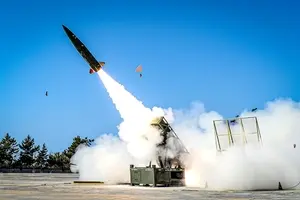
킬 체인은 미사일 방어와 보복 타격 능력과 함께 한국의 3축 방위 체계의 핵심 구성 요소이다. 이는 임박한 공격 사태 시 북한의 핵 및 미사일 시설을 선제적으로 타격하도록 설계되었다.
차의 발언은 북한이 이미 핵무기를 보유하고 있는 상황에서 비핵화(여전히 장기 목표)에서 벗어나 군비 통제와 억지력을 통한 위험 관리에 초점을 맞춰야 한다고 주장하는 일부 미국 정책 전문가들 사이의 광범위한 사고 전환을 반영한다.
이러한 맥락에서 차는 적대국이 공격을 성공적으로 수행하는 것을 방지하는 데 초점을 맞춘 전략으로의 전환을 강조했다. 이는 계층화된 미사일 방어 체계를 강화하고 한반도에 핵 능력을 갖춘 항공기 및 잠수함을 포함한 미국의 전략 자산을 정기적으로 배치함으로써 달성될 수 있다고 그는 덧붙였다.
킬 체인 폐기 아이디어는 억지력 자체가 긴장의 근본 원인이 아니라고 주장하는 한국 전문가들의 회의론을 불러일으켰다.
민족통일연구원의 홍민 선임연구원은 그 문제가 어떤 단일 군사 체계보다 더 깊은 곳에 있다고 말했다.
그는 "킬 체인이 정말로 문제의 본질인지 의문을 제기할 가치가 있다"고 말했다.
"근본적인 문제는 양측 간의 뿌리 깊은 적대감과 상호 불신에 있다. 억지력 체계의 존재 자체는 문제의 원인이 아니다"라고 그는 덧붙였다.
홍은 억지력 능력을 유지하는 것이 국가 안보의 기본 기능이며 "문제의 근원으로 간주될 수 있는 것이 아니다"라고 강조했다.
억지력 구조를 해체하기보다는 그는 군비 통제를 통한 오산 감소와 신뢰 구축을 위한 노력을 주장했다.
"군비 통제의 핵심 개념은 억지력 체계를 제거하거나 축소하는 것이 아니라 오산을 최소화하고 위협과 침략의 가능성을 줄이는 것이다"라고 그는 말했다.
홍은 또한 더 넓은 지역적 맥락을 강조했다. 동북아시아는 이미 여러 국가가 장거리 정밀 타격 체계를 배치하는 등 군사 경쟁이 심화되는 특징을 보이고 있다.
"이러한 환경에서 억지력 체계를 제거하기보다는 한반도 및 더 광범위한 지역 수준 모두에서 오산 위험을 줄이기 위한 다층 노력을 추진하는 것이 더욱 현실적일 것이다"라고 그는 말했다.
그는 북한의 핵 프로그램 해결과 관련된 맥락에서도 킬 체인을 제거해도 의도한 결과를 얻지 못할 것이라고 덧붙였다.
"한국의 킬 체인을 제거해도 북한이 핵무기를 포기하거나 비핵화를 달성하지 못할 것이다"라고 그는 말했다.
대조되는 견해들은 위험 감소 접근법과 전통적 억지력 전략에 대해 전문가와 관리자 간의 간격이 커지고 있음을 강조한다. 정책 입안자들은 북한의 발전하는 핵 능력을 어떻게 관리하면서 충돌 가능성을 증가시키지 않을 것인가에 대해 고민하고 있다.
다른 관찰자들은 이 제안이 한반도의 현재 안보 환경과 조화시키기 어렵다고 말한다.
익명을 요청한 또 다른 서울 기반 분석가는 북한이 이미 핵무기와 다양한 전달 체계를 보유하고 있으며 협상에 대한 신뢰가 극히 제한적이라고 지적했다. 이 관계자는 이것이 가설적 위험보다는 진행 중인 위협을 만든다고 덧붙였다.
이러한 맥락에서 킬 체인은 서울에서 순전히 공세적 개념이 아니라 임박한 위협 시 먼저 타격할 수 있는 능력을 신호하고 도발을 억제하는 주요 억지력 도구로 간주된다. 이를 제거하면 억지력을 약화시키고 전략적 균형을 평양에 유리하게 바꿀 수 있다고 그들은 주장한다.
전략국제문제연구소(CSIS) 한반도 담당자인 빅터 차는 화요일 워싱턴에서 한국 특파원들과의 브리핑에서 이 시스템을 포기하면 확대 위험을 줄일 수 있다고 주장했다.
차는 한국이 킬 체인을 중단할 것을 권고하면서, 선제 타격 전략이 북한을 핵무기 사용으로 자극할 수 있으며 서울이 이에서 벗어나야 한다고 주장했다.
킬 체인은 미사일 방어와 보복 타격 능력과 함께 한국의 3축 방위 체계의 핵심 구성 요소이다. 이는 임박한 공격 사태 시 북한의 핵 및 미사일 시설을 선제적으로 타격하도록 설계되었다.
차의 발언은 북한이 이미 핵무기를 보유하고 있는 상황에서 비핵화(여전히 장기 목표)에서 벗어나 군비 통제와 억지력을 통한 위험 관리에 초점을 맞춰야 한다고 주장하는 일부 미국 정책 전문가들 사이의 광범위한 사고 전환을 반영한다.
이러한 맥락에서 차는 적대국이 공격을 성공적으로 수행하는 것을 방지하는 데 초점을 맞춘 전략으로의 전환을 강조했다. 이는 계층화된 미사일 방어 체계를 강화하고 한반도에 핵 능력을 갖춘 항공기 및 잠수함을 포함한 미국의 전략 자산을 정기적으로 배치함으로써 달성될 수 있다고 그는 덧붙였다.
킬 체인 폐기 아이디어는 억지력 자체가 긴장의 근본 원인이 아니라고 주장하는 한국 전문가들의 회의론을 불러일으켰다.
민족통일연구원의 홍민 선임연구원은 그 문제가 어떤 단일 군사 체계보다 더 깊은 곳에 있다고 말했다.
그는 "킬 체인이 정말로 문제의 본질인지 의문을 제기할 가치가 있다"고 말했다.
"근본적인 문제는 양측 간의 뿌리 깊은 적대감과 상호 불신에 있다. 억지력 체계의 존재 자체는 문제의 원인이 아니다"라고 그는 덧붙였다.
홍은 억지력 능력을 유지하는 것이 국가 안보의 기본 기능이며 "문제의 근원으로 간주될 수 있는 것이 아니다"라고 강조했다.
억지력 구조를 해체하기보다는 그는 군비 통제를 통한 오산 감소와 신뢰 구축을 위한 노력을 주장했다.
"군비 통제의 핵심 개념은 억지력 체계를 제거하거나 축소하는 것이 아니라 오산을 최소화하고 위협과 침략의 가능성을 줄이는 것이다"라고 그는 말했다.
홍은 또한 더 넓은 지역적 맥락을 강조했다. 동북아시아는 이미 여러 국가가 장거리 정밀 타격 체계를 배치하는 등 군사 경쟁이 심화되는 특징을 보이고 있다.
"이러한 환경에서 억지력 체계를 제거하기보다는 한반도 및 더 광범위한 지역 수준 모두에서 오산 위험을 줄이기 위한 다층 노력을 추진하는 것이 더욱 현실적일 것이다"라고 그는 말했다.
그는 북한의 핵 프로그램 해결과 관련된 맥락에서도 킬 체인을 제거해도 의도한 결과를 얻지 못할 것이라고 덧붙였다.
"한국의 킬 체인을 제거해도 북한이 핵무기를 포기하거나 비핵화를 달성하지 못할 것이다"라고 그는 말했다.
대조되는 견해들은 위험 감소 접근법과 전통적 억지력 전략에 대해 전문가와 관리자 간의 간격이 커지고 있음을 강조한다. 정책 입안자들은 북한의 발전하는 핵 능력을 어떻게 관리하면서 충돌 가능성을 증가시키지 않을 것인가에 대해 고민하고 있다.
다른 관찰자들은 이 제안이 한반도의 현재 안보 환경과 조화시키기 어렵다고 말한다.
익명을 요청한 또 다른 서울 기반 분석가는 북한이 이미 핵무기와 다양한 전달 체계를 보유하고 있으며 협상에 대한 신뢰가 극히 제한적이라고 지적했다. 이 관계자는 이것이 가설적 위험보다는 진행 중인 위협을 만든다고 덧붙였다.
이러한 맥락에서 킬 체인은 서울에서 순전히 공세적 개념이 아니라 임박한 위협 시 먼저 타격할 수 있는 능력을 신호하고 도발을 억제하는 주요 억지력 도구로 간주된다. 이를 제거하면 억지력을 약화시키고 전략적 균형을 평양에 유리하게 바꿀 수 있다고 그들은 주장한다.
처리 완료
3,637 tokens · $0.0104
기사 수집 완료 · 16:00
매체 피드에서 기사 메타데이터 수집
헤드라인 번역 완료 · 16:15
제목/요약 한국어 번역 (fetch 시점 inline)
claude-haiku-4-5-20251001
158 tokens
$0.00044
2.0s
본문 추출 완료
4,369자 추출 완료
본문 한국어 번역 완료 · 16:15
1,901자 번역 완료
claude-haiku-4-5-20251001
3,479 tokens
$0.00996
18.2s
지정학적 엔티티 추출 완료 · 16:15
8개 엔티티 추출 완료
지정학적 맥락 & R-Scanner
R-Scanner · 상승
z=1.21
평소보다 보도량이 증가 추세 — 기준: North Korea
(🇰🇵 KP)
최근 6시간 4건
7일 평균 1.93건 / 6h
2개국 매체
2개 매체
본문에서 추출된 지명 (8)
North Korea
🇰🇵
South Korea
🇰🇷
Washington
🇺🇸
Korean Peninsula
🇰🇵
Northeast Asia
🇽🇽
Pyongyang
🇰🇵
Seoul
🇰🇷
United States
🇺🇸
위치 지도
지도 로딩 중…
같은 주제의 다른 기사 (최근 7일)
A recent proposal to abandon South Korea’s preemptive strike system known as the “kill chain” has reignited debate over whether scaling back deterrence could help ease tensions with North Korea — or risk undermining security.
Speaking to Korean correspondents at a briefing in Washington on Tuesday, Victor Cha, Korea chair at the Center for Strategic and International Studies, argued that moving away from this system could reduce escalation risk.
Cha said he would recommend that South Korea discontinue the kill chain, arguing that the preemptive strike strategy could provoke North Korea into using nuclear weapons and that Seoul should therefore move away from it.
The kill chain is a core component of South Korea’s three-axis defense system, alongside missile defense and retaliatory strike capabilities. It is designed to preemptively strike North Korean nuclear and missile facilities in the event of imminent attack.
Cha’s remarks reflect a broader shift in thinking among some US policy experts, who argue that with North Korea already possessing nuclear weapons, the focus should move from denuclearization — still a long-term goal — to managing risks through arms control and deterrence.
In that context, Cha emphasized a shift toward a strategy focused on preventing an adversary from successfully carrying out an attack. This could be achieved by strengthening layered missile defense systems and regularly deploying US strategic assets, including nuclear-capable aircraft and submarines, to the Korean Peninsula, he added.
The idea of scrapping the kill chain has drawn skepticism from experts in South Korea, who argue deterrence itself is not the root cause of tensions.
Hong Min, a senior researcher at the Korea Institute for National Unification, said the issue lies deeper than any single military system.
“It is worth questioning whether the kill chain is really the essence of the problem,” he said.
“The fundamental issue lies in the deep-rooted hostility and mutual distrust between the two sides. The existence of deterrence systems in itself is not the cause of the problem,” he added.
Hong emphasized that maintaining deterrence capabilities is a basic function of national security, and "is not something that can be considered the root of the problem.”
Rather than dismantling deterrence structures, he argued for efforts to reduce miscalculation and build trust through arms control.
“The core concept of arms control is not to eliminate or reduce deterrence systems, but to minimize miscalculations and reduce the potential for threats and aggression,” he said.
Hong also highlighted the broader regional context: Northeast Asia is already characterized by intensifying military competition, with multiple countries deploying long-range precision strike systems.
“In such an environment, rather than removing deterrence systems, it would be more realistic to pursue multilevel efforts to reduce risks of miscalculation — both on the Korean Peninsula and at the broader regional level,” he said.
He added that even in the context of addressing North Korea’s nuclear program, removing the kill chain would not deliver the intended outcome.
“Eliminating South Korea’s kill chain would not lead to North Korea giving up its nuclear weapons or achieving denuclearization,” he said.
The contrasting views highlight a growing divide between experts and officials on risk-reduction approaches and traditional deterrence strategies, as policymakers grapple with how best to manage North Korea’s advancing nuclear capabilities without increasing the likelihood of conflict.
Other observers say the proposal is difficult to reconcile with the current security environment on the Korean Peninsula.
Another Seoul-based analyst, who requested anonymity, noted that North Korea already possesses nuclear weapons and a range of delivery systems, and that trust in negotiations remains extremely limited. This, the official added, makes the threat an ongoing reality rather than a hypothetical risk.
In that context, the kill chain is viewed in Seoul not as a purely offensive concept but as a key deterrence tool, signaling the capability to strike first in the event of an imminent threat and thereby discouraging provocations. Removing it, they argue, could weaken deterrence and shift the strategic balance in Pyongyang’s favor.
Speaking to Korean correspondents at a briefing in Washington on Tuesday, Victor Cha, Korea chair at the Center for Strategic and International Studies, argued that moving away from this system could reduce escalation risk.
Cha said he would recommend that South Korea discontinue the kill chain, arguing that the preemptive strike strategy could provoke North Korea into using nuclear weapons and that Seoul should therefore move away from it.
The kill chain is a core component of South Korea’s three-axis defense system, alongside missile defense and retaliatory strike capabilities. It is designed to preemptively strike North Korean nuclear and missile facilities in the event of imminent attack.
Cha’s remarks reflect a broader shift in thinking among some US policy experts, who argue that with North Korea already possessing nuclear weapons, the focus should move from denuclearization — still a long-term goal — to managing risks through arms control and deterrence.
In that context, Cha emphasized a shift toward a strategy focused on preventing an adversary from successfully carrying out an attack. This could be achieved by strengthening layered missile defense systems and regularly deploying US strategic assets, including nuclear-capable aircraft and submarines, to the Korean Peninsula, he added.
The idea of scrapping the kill chain has drawn skepticism from experts in South Korea, who argue deterrence itself is not the root cause of tensions.
Hong Min, a senior researcher at the Korea Institute for National Unification, said the issue lies deeper than any single military system.
“It is worth questioning whether the kill chain is really the essence of the problem,” he said.
“The fundamental issue lies in the deep-rooted hostility and mutual distrust between the two sides. The existence of deterrence systems in itself is not the cause of the problem,” he added.
Hong emphasized that maintaining deterrence capabilities is a basic function of national security, and "is not something that can be considered the root of the problem.”
Rather than dismantling deterrence structures, he argued for efforts to reduce miscalculation and build trust through arms control.
“The core concept of arms control is not to eliminate or reduce deterrence systems, but to minimize miscalculations and reduce the potential for threats and aggression,” he said.
Hong also highlighted the broader regional context: Northeast Asia is already characterized by intensifying military competition, with multiple countries deploying long-range precision strike systems.
“In such an environment, rather than removing deterrence systems, it would be more realistic to pursue multilevel efforts to reduce risks of miscalculation — both on the Korean Peninsula and at the broader regional level,” he said.
He added that even in the context of addressing North Korea’s nuclear program, removing the kill chain would not deliver the intended outcome.
“Eliminating South Korea’s kill chain would not lead to North Korea giving up its nuclear weapons or achieving denuclearization,” he said.
The contrasting views highlight a growing divide between experts and officials on risk-reduction approaches and traditional deterrence strategies, as policymakers grapple with how best to manage North Korea’s advancing nuclear capabilities without increasing the likelihood of conflict.
Other observers say the proposal is difficult to reconcile with the current security environment on the Korean Peninsula.
Another Seoul-based analyst, who requested anonymity, noted that North Korea already possesses nuclear weapons and a range of delivery systems, and that trust in negotiations remains extremely limited. This, the official added, makes the threat an ongoing reality rather than a hypothetical risk.
In that context, the kill chain is viewed in Seoul not as a purely offensive concept but as a key deterrence tool, signaling the capability to strike first in the event of an imminent threat and thereby discouraging provocations. Removing it, they argue, could weaken deterrence and shift the strategic balance in Pyongyang’s favor.