그 다음은? 밴스, 이란 회담에서 합의 없이 떠나다
What Now? Vance Leaves Iran Talks Without a Deal.
The New York Times
· 🇺🇸 New York, US
Tyler Pager and David E. Sanger
EN
2026-04-12 13:13
Translated
21시간의 협상 후 돌파구가 나오지 않으면서 트럼프 행정부는 여러 불리한 선택지에 직면하게 되었다.
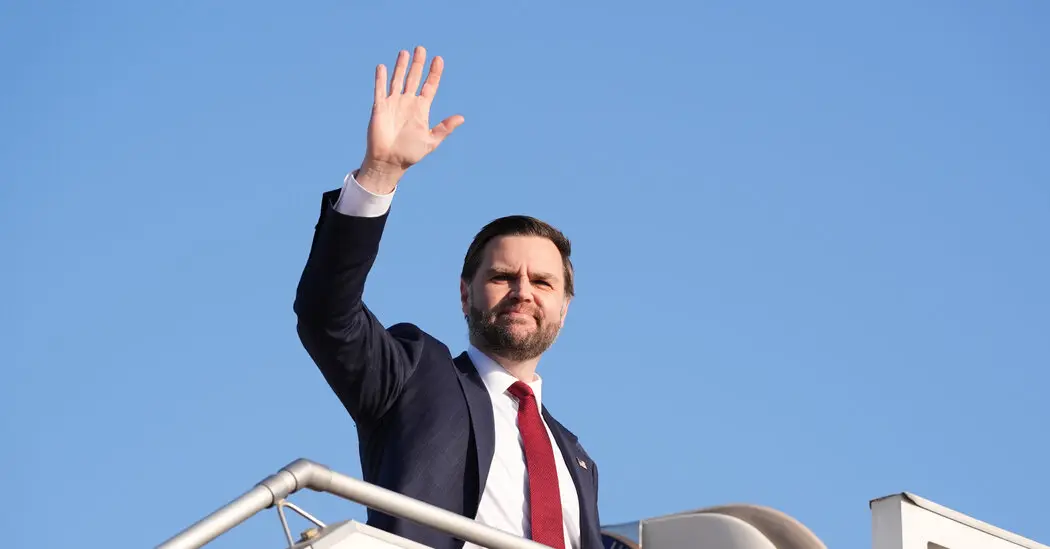
JD 밴스 부통령이 핵 프로그램을 둘러싼 단일한 마라톤식 협상 세션에서 미국이 이란으로부터 원하는 양보를 얻지 못한 것은 놀랄 일이 아니었다.
이 실패는 트럼프 행정부가 여러 불리한 선택지에 직면하게 했다: 이란의 핵 프로그램의 미래를 놓고 테헤란과의 길고 긴 협상, 또는 이미 현대 역사상 가장 큰 에너지 교란을 만들어낸 전쟁의 재개, 그리고 호르무즈 해협의 통제를 놓고 벌일 장기적 투쟁의 전망이다.
백악관 관계자들은 플로리다로 여행을 떠난 트럼프 대통령이 얼티밋 파이팅 챔피언십 경기에 참석한 후 행정부의 다음 조치를 발표할 때까지 결정을 미루겠다고 말했다. 하지만 이러한 각 경로들은 상당한 전략적, 정치적 부작용을 안고 있다.
밴스는 21시간 이상의 협상 과정에서 일어난 일에 대해 거의 언급하지 않았으며, 이는 그가 이란에 자신의 핵 프로그램을 영구적으로 폐기할 것을 요구하는 일괄 처리 제안을 제시했고 이란이 이를 거절했음을 시사한다.
밴스는 기자들에게 "우리가 우리의 레드라인이 무엇인지, 우리가 그들을 위해 기꺼이 수용할 수 있는 것이 무엇인지 매우 명확히 했다"고 말했다. 그는 "그들은 우리의 조건을 받아들이지 않기로 선택했다"고 덧붙였다.
이러한 측면에서 이 협상은 2월 말 제네바에서 끝난 교착 상태의 협상과 크게 다르지 않은 것으로 보인다. 그로 인해 트럼프는 이란 전역의 미사일 저장고, 군사 기지 및 새로운 무기를 생산하는 산업 기반을 목표로 하는 38일간의 미사일 및 폭격 공격을 명령했다.
하지만 트럼프의 내기는, 그가 지난 한 달 동안 여러 번 언급한 것처럼, 이란이 미국 군사력의 거대한 시연에 직면하면 마음을 바꿀 것이라는 것이었다. 펜타곤에 따르면 13,000개 이상의 목표가 타격을 받았다. 한편 이란은 어떤 양의 미국 무기도 그들이 양보하도록 강요하지 못할 것임을 보이기로 결심했다.
밴스가 비어서 돌아오기 위해 군용 비행장으로 향할 때 이란 외교부는 "우리의 위대한 지도자들, 사랑하는 이들, 그리고 동료 국민들의 무거운 손실은 이란 국가의 이익과 권리를 추구하려는 우리의 대응을 그 어느 때보다 더욱 견고하게 만들었다"는 성명을 발표했다.
아마도 그것이 변할 수도 있다. 하지만 이란과의 복잡하고 길고 긴 대화에 빠져들 것을 우려하는 행정부의 태도는 명백하다. 트럼프는 자신이 갈등의 승자로 나왔다고 믿으며, 따라서 특별 특사 스티브 위트코프가 말하듯이, 이란은 단순히 "항복"해야 한다고 생각한다.
과거에는 그렇게 일어나지 않았다. 테헤란과 워싱턴 간의 마지막 주요 협정은 오바마 행정부에서 이루어졌으며, 협상에 2년이 걸렸다. 그리고 그것은 이란이 소량의 핵 비축량을 보유하도록 허용하고, 2030년까지 핵 활동에 대한 제한을 점진적으로 해제하는 등의 타협으로 가득 찼다. 그때부터 이란은 핵 비확산 조약에 따라 허용되는 모든 핵 활동을 수행할 수 있다.
하지만 밴스가 봉착한 교착 상태는 본질적으로 2월 말 협상을 좌절시키고 트럼프로 하여금 공격을 명령하게 한 것과 동일했다. (그 협상은 위트코프와 대통령의 사위인 재러드 쿠슈너가 진행했으며, 그들은 20시간 이상의 협상 기간 동안 이슬라마바드에 참석했다.)
당시 이란인들은 자신들의 핵 작전을 몇 년간 "중단"할 것을 제안했지만, 근-폭탄급 우라늄 비축량을 포기하거나 자신의 영토에서 우라늄을 농축할 수 있는 능력을 영구적으로 항복할 의사는 없었다. 이란인들에게 이는 핵무기를 절대 만들지 않겠다고 약속하는 핵 비확산 조약의 서명자로서의 그들의 권리이다. 미국인들에게 이는 위트코프가 "신호"라고 부르는 것인데, 이란은 항상 핵무기를 만들 수 있는 기꺼이 행사하지는 않을지라도 준비된 선택지를 원한다는 뜻이다.
38일간의 전쟁은 그 견해를 느슨하게 하기보다는 굳혀지게 한 것으로 보인다.
트럼프의 현재 주요 지렛대는 주요 전투 작전을 재개할 위협 능력에서 비롯된다. 결국 연약한 2주간의 휴전은 4월 21일에 끝난다. 하지만 전투 작전 재개의 위협은 앞으로의 날들에 행사될 수 있지만, 그것은 트럼프에게 특히 실행 가능한 정치적 선택지가 아니며 이란인들도 이를 알고 있다.
트럼프는 지난주 휴전을 선언한 것은 주로 세계 석유 공급량의 20%가 손실되어 휘발유 가격이 급등하고 비료 부족, 그리고 반도체 생산용 헬륨 등 기타 중요 공급품 부족을 초래한 고통을 완화하기 위함이었다. 시장은 합의의 전망에, 비록 불완전하거나 불만족스러운 합의일지라도 상승했다. 전쟁이 재개된다면, 시장은 대부분 하락할 것이고, 부족은 악화될 것이며, 이미 3.3%에 도달한 인플레이션은 거의 확실히 상승할 것이다.
그리고 그것은 가장 긴급한 문제를 남긴다: 호르무즈 해협의 재개. 이란인들은 자신들의 회의 설명에서, 그것을 논의된 문제 목록의 맨 위에 두었다. 이란 외교부는 성명에서 "지난 24시간 동안 호르무즈 해협, 핵 문제, 전쟁 배상, 제재 해제 및 이란에 대한 전쟁의 완전한 종료 등 주요 주제의 다양한 측면에 대한 논의가 이루어졌다"고 말했다.
그것은 주목할 만한 목록인데, 왜냐하면 해협의 폐쇄는 전쟁이 시작된 후, 그리고 이란이 자신들의 가장 강력한 경제 혼란의 무기를 사용하기로 결정할 때까지는 문제가 아니었기 때문이다.
이제 수로에 대한 통제는 미국이 폭격과 미사일 공격 과정에서 이란에 입힌 손해에 대해 비용을 지불할 것과, 그 나라에 대한 2년 이상의 제재를 해제할 것을 포함한 이란의 다른 요구들과 얽혀 있다. 미국은 첫 번째 아이디어를 거부했으며, 두 번째는 이란이 거래의 자신의 부분을 실행할 때만 천천히 일어날 수 있다고 말했다.
밴스의 여행이 명확히 한 것은 양쪽 모두 첫 번째 라운드의 승자로 나왔다고 생각한다는 것이다: 미국은 이란에 그렇게 많은 무기를 투하함으로써, 이란은 생존함으로써. 둘 다 타협의 기분에 있는 것으로 보이지 않는다.
Tyler Pager는 트럼프 대통령과 그의 행정부를 담당하는 타임즈의 백악관 특파원이다.
David E. Sanger는 트럼프 행정부와 광범위한 국가 안보 문제를 담당하고 있다. 그는 40년 이상 타임즈 기자로 일해왔으며 외교정책과 국가 안보 도전에 관한 4권의 책을 저술했다.
이 실패는 트럼프 행정부가 여러 불리한 선택지에 직면하게 했다: 이란의 핵 프로그램의 미래를 놓고 테헤란과의 길고 긴 협상, 또는 이미 현대 역사상 가장 큰 에너지 교란을 만들어낸 전쟁의 재개, 그리고 호르무즈 해협의 통제를 놓고 벌일 장기적 투쟁의 전망이다.
백악관 관계자들은 플로리다로 여행을 떠난 트럼프 대통령이 얼티밋 파이팅 챔피언십 경기에 참석한 후 행정부의 다음 조치를 발표할 때까지 결정을 미루겠다고 말했다. 하지만 이러한 각 경로들은 상당한 전략적, 정치적 부작용을 안고 있다.
밴스는 21시간 이상의 협상 과정에서 일어난 일에 대해 거의 언급하지 않았으며, 이는 그가 이란에 자신의 핵 프로그램을 영구적으로 폐기할 것을 요구하는 일괄 처리 제안을 제시했고 이란이 이를 거절했음을 시사한다.
밴스는 기자들에게 "우리가 우리의 레드라인이 무엇인지, 우리가 그들을 위해 기꺼이 수용할 수 있는 것이 무엇인지 매우 명확히 했다"고 말했다. 그는 "그들은 우리의 조건을 받아들이지 않기로 선택했다"고 덧붙였다.
이러한 측면에서 이 협상은 2월 말 제네바에서 끝난 교착 상태의 협상과 크게 다르지 않은 것으로 보인다. 그로 인해 트럼프는 이란 전역의 미사일 저장고, 군사 기지 및 새로운 무기를 생산하는 산업 기반을 목표로 하는 38일간의 미사일 및 폭격 공격을 명령했다.
하지만 트럼프의 내기는, 그가 지난 한 달 동안 여러 번 언급한 것처럼, 이란이 미국 군사력의 거대한 시연에 직면하면 마음을 바꿀 것이라는 것이었다. 펜타곤에 따르면 13,000개 이상의 목표가 타격을 받았다. 한편 이란은 어떤 양의 미국 무기도 그들이 양보하도록 강요하지 못할 것임을 보이기로 결심했다.
밴스가 비어서 돌아오기 위해 군용 비행장으로 향할 때 이란 외교부는 "우리의 위대한 지도자들, 사랑하는 이들, 그리고 동료 국민들의 무거운 손실은 이란 국가의 이익과 권리를 추구하려는 우리의 대응을 그 어느 때보다 더욱 견고하게 만들었다"는 성명을 발표했다.
아마도 그것이 변할 수도 있다. 하지만 이란과의 복잡하고 길고 긴 대화에 빠져들 것을 우려하는 행정부의 태도는 명백하다. 트럼프는 자신이 갈등의 승자로 나왔다고 믿으며, 따라서 특별 특사 스티브 위트코프가 말하듯이, 이란은 단순히 "항복"해야 한다고 생각한다.
과거에는 그렇게 일어나지 않았다. 테헤란과 워싱턴 간의 마지막 주요 협정은 오바마 행정부에서 이루어졌으며, 협상에 2년이 걸렸다. 그리고 그것은 이란이 소량의 핵 비축량을 보유하도록 허용하고, 2030년까지 핵 활동에 대한 제한을 점진적으로 해제하는 등의 타협으로 가득 찼다. 그때부터 이란은 핵 비확산 조약에 따라 허용되는 모든 핵 활동을 수행할 수 있다.
하지만 밴스가 봉착한 교착 상태는 본질적으로 2월 말 협상을 좌절시키고 트럼프로 하여금 공격을 명령하게 한 것과 동일했다. (그 협상은 위트코프와 대통령의 사위인 재러드 쿠슈너가 진행했으며, 그들은 20시간 이상의 협상 기간 동안 이슬라마바드에 참석했다.)
당시 이란인들은 자신들의 핵 작전을 몇 년간 "중단"할 것을 제안했지만, 근-폭탄급 우라늄 비축량을 포기하거나 자신의 영토에서 우라늄을 농축할 수 있는 능력을 영구적으로 항복할 의사는 없었다. 이란인들에게 이는 핵무기를 절대 만들지 않겠다고 약속하는 핵 비확산 조약의 서명자로서의 그들의 권리이다. 미국인들에게 이는 위트코프가 "신호"라고 부르는 것인데, 이란은 항상 핵무기를 만들 수 있는 기꺼이 행사하지는 않을지라도 준비된 선택지를 원한다는 뜻이다.
38일간의 전쟁은 그 견해를 느슨하게 하기보다는 굳혀지게 한 것으로 보인다.
트럼프의 현재 주요 지렛대는 주요 전투 작전을 재개할 위협 능력에서 비롯된다. 결국 연약한 2주간의 휴전은 4월 21일에 끝난다. 하지만 전투 작전 재개의 위협은 앞으로의 날들에 행사될 수 있지만, 그것은 트럼프에게 특히 실행 가능한 정치적 선택지가 아니며 이란인들도 이를 알고 있다.
트럼프는 지난주 휴전을 선언한 것은 주로 세계 석유 공급량의 20%가 손실되어 휘발유 가격이 급등하고 비료 부족, 그리고 반도체 생산용 헬륨 등 기타 중요 공급품 부족을 초래한 고통을 완화하기 위함이었다. 시장은 합의의 전망에, 비록 불완전하거나 불만족스러운 합의일지라도 상승했다. 전쟁이 재개된다면, 시장은 대부분 하락할 것이고, 부족은 악화될 것이며, 이미 3.3%에 도달한 인플레이션은 거의 확실히 상승할 것이다.
그리고 그것은 가장 긴급한 문제를 남긴다: 호르무즈 해협의 재개. 이란인들은 자신들의 회의 설명에서, 그것을 논의된 문제 목록의 맨 위에 두었다. 이란 외교부는 성명에서 "지난 24시간 동안 호르무즈 해협, 핵 문제, 전쟁 배상, 제재 해제 및 이란에 대한 전쟁의 완전한 종료 등 주요 주제의 다양한 측면에 대한 논의가 이루어졌다"고 말했다.
그것은 주목할 만한 목록인데, 왜냐하면 해협의 폐쇄는 전쟁이 시작된 후, 그리고 이란이 자신들의 가장 강력한 경제 혼란의 무기를 사용하기로 결정할 때까지는 문제가 아니었기 때문이다.
이제 수로에 대한 통제는 미국이 폭격과 미사일 공격 과정에서 이란에 입힌 손해에 대해 비용을 지불할 것과, 그 나라에 대한 2년 이상의 제재를 해제할 것을 포함한 이란의 다른 요구들과 얽혀 있다. 미국은 첫 번째 아이디어를 거부했으며, 두 번째는 이란이 거래의 자신의 부분을 실행할 때만 천천히 일어날 수 있다고 말했다.
밴스의 여행이 명확히 한 것은 양쪽 모두 첫 번째 라운드의 승자로 나왔다고 생각한다는 것이다: 미국은 이란에 그렇게 많은 무기를 투하함으로써, 이란은 생존함으로써. 둘 다 타협의 기분에 있는 것으로 보이지 않는다.
Tyler Pager는 트럼프 대통령과 그의 행정부를 담당하는 타임즈의 백악관 특파원이다.
David E. Sanger는 트럼프 행정부와 광범위한 국가 안보 문제를 담당하고 있다. 그는 40년 이상 타임즈 기자로 일해왔으며 외교정책과 국가 안보 도전에 관한 4권의 책을 저술했다.
처리 완료
5,366 tokens · $0.0154
기사 수집 완료 · 13:20
매체 피드에서 기사 메타데이터 수집
헤드라인 번역 완료 · 13:35
제목/요약 한국어 번역 (fetch 시점 inline)
claude-haiku-4-5-20251001
175 tokens
$0.00041
1.9s
본문 추출 완료
6,361자 추출 완료
본문 한국어 번역 완료 · 13:35
3,009자 번역 완료
claude-haiku-4-5-20251001
5,191 tokens
$0.01501
34.5s
지정학적 엔티티 추출 완료 · 13:35
6개 엔티티 추출 완료
지정학적 맥락 & R-Scanner
R-Scanner · 평상
z=-0.71
일상적인 보도 수준 — 기준: Iran
(🇮🇷 IR)
최근 6시간 81건
7일 평균 87.68건 / 6h
13개국 매체
19개 매체
본문에서 추출된 지명 (6)
위치 지도
지도 로딩 중…
같은 주제의 다른 기사 (최근 7일)
The lack of a breakthrough after 21 hours of negotiations leaves the Trump administration facing several unpalatable options.
Vice President JD Vance’s failure to win the concessions the United States sought from Iran in a single, marathon negotiating session over its nuclear program was no surprise.The failure leaves the Trump administration facing several unpalatable options: A lengthy negotiation with Tehran over the future of its nuclear program, or a resumption of a war that has already created the largest energy disruption in modern times, and the prospect of a long struggle over who controls the Strait of Hormuz.
White House officials said they would defer to President Trump, who traveled to Florida for the weekend to attend an Ultimate Fighting Championship match, to announce the administration’s next move. But each of those paths carries significant strategic and political downsides.
Mr. Vance said little about what took place during more than 21 hours of negotiations, suggesting he had handed the Iranians a take-it-or-leave-it proposal to forever terminate their nuclear program, and they left it.
“We’ve made very clear what our red lines are,” Mr. Vance told reporters, “what things we’re willing to accommodate them on.” He added, “They have chosen not to accept our terms.”
In that respect, this negotiation appears to have differed little from the one that ended in deadlock in Geneva in late February, leading Mr. Trump to order what became 38 days of missile and bombing attacks across Iran, aimed at its missile stockpiles, its military bases and the industrial base inside Iran that produces new weaponry.
But Mr. Trump’s bet, one he described several times over the past month, was that Iran would change its mind once faced a huge demonstration of American military prowess, with more than 13,000 targets hit, according to the Pentagon. The Iranians, for their part, were determined to show that no amount of American ordnance would force them to give way.
“The heavy loss of our great elders, dear ones, and fellow countrymen has made our response to pursue the Iranian nation’s interests and rights firmer than every before,” the Iranian foreign ministry said in a statement as Mr. Vance headed to a military airfield to leave for home, empty-handed for now.
Perhaps that will change. But the administration’s fear of being sucked into a complex, lengthy conversation with Iran is palpable. Mr. Trump believes that he emerged the victor of the conflict, and therefore, as the special envoy Steve Witkoff puts it, Iran should simply “capitulate.”
That is not how it happened in the past. The last major agreement between Tehran and Washington, reached during the Obama administration, took two years to negotiate. And it was full of compromises, including allowing Iran to retain a small amount of its nuclear stockpile, and gradually lifting the restrictions on its nuclear activities until 2030, when Iran would be permitted to conduct any nuclear activity permissible under the Nuclear Nonproliferation Treaty.
But the deadlock Mr. Vance ran into was essentially the same as the ones that derailed negotiations in late February, and prompted Mr. Trump to order the attack. (That negotiation was run by Mr. Witkoff and Jared Kushner, the president’s son-in-law, who were present in Islamabad during the more than 20 hours of negotiations.)
Back then, the Iranians offered to “suspend” their nuclear operations for a few years, but not to give up their stockpiles of near-bomb-grade uranium or permanently surrender the capability to enrich uranium on their own soil. To the Iranians, that is their right as a signatory of the Nuclear Nonproliferation Treaty, which commits them to never making a nuclear weapon. To the Americans, it is what Mr. Witkoff called “a tell” that Iran always wants a ready option to build a nuclear weapon, even if it never exercises that option.
Thirty-eight days of war appear to have hardened that view, not loosened it.
Mr. Trump’s chief leverage now comes in his ability to threaten to resume major combat operations. After all, the fragile two-week cease-fire ends on April 21. But while the threat of resuming combat operations may be invoked in coming days, it not a particularly viable political choice for Mr. Trump — and the Iranians know it.
Mr. Trump declared the cease-fire last week in large part to stem the pain from the loss of 20 percent of the world’s oil supplies, which was sending the price of gasoline soaring, and creating shortages of fertilizer and, among other critical supplies, helium for the production of semiconductors. Markets rose on the prospect of an agreement, even an incomplete or unsatisfactory one. Should the war resume, the markets would most likely decline, the shortages would worsen and inflation — already up to 3.3 percent — would almost inevitably rise.
And that leaves the most urgent issue: the reopening of the Strait of Hormuz. The Iranians, in their own description of the meeting, put it first among their list of issues discussed. “In the past 24 hours, discussions were held on various dimensions of the main topics, including the Strait of Hormuz, the nuclear issue, war reparations, lifting of sanctions and the complete end to the war against Iran,” the Iranian foreign ministry said in a statement.
It was a notable list, since the closing of the strait was not an issue until after the war started and the Iranians decided to make use of their most potent weapon of economic chaos.
Now control of the waterway is wrapped in Iran’s other demands, including that the United States pay for damage done to Iran in the course of the bombing and missile strikes, and that it lift more than two decades of sanctions against the country. The United States has rejected the first idea, and said the second could happen only slowly, as the Iranians put in place their part of a deal.
What Mr. Vance’s trip made clear is that both sides think they emerged as the victor of the first round: the United States by dropping so much ordnance on Iran, the Iranians by surviving. Neither seems in the mood for compromise.
Tyler Pager is a White House correspondent for The Times, covering President Trump and his administration.
David E. Sanger covers the Trump administration and a range of national security issues. He has been a Times journalist for more than four decades and has written four books on foreign policy and national security challenges.