베니스 비엔날레 심사위원회 미술상 수여 금지를 놓고 긴장 속에 사직
Venice Biennale Jury Resigns Amid Tension Over Awards Ban
The New York Times
· 🇺🇸 New York, US
Alex Marshall
EN
2026-05-01 01:15
Translated
세계에서 가장 중요한 미술 전시회의 심사위원회는 인류에 대한 범죄로 기소된 국가의 지도자들의 국가에서 온 미술가들을 상 수상 후보에서 제외하겠다고 발표했었다.
미술계에서 가장 중요한 행사인 올해 베니스 비엔날레의 상 심사위원회가 목요일 개막 9일 전에 사직했다. 인류에 대한 범죄로 기소된 국가의 미술가들을 상 수상 대상에서 제외하기로 한 결정을 둘러싼 논란 때문이다.
브라질 큐레이터 솔랑주 파르카스가 이끄는 5명의 심사위원회는 미술 출판물 이플럭스에 올린 짤막한 성명서에서 4월 23일 국제형사재판소의 조사를 받고 있는 지도자를 둔 국가의 미술가들에게 상을 주지 않겠다는 결정을 인정하며 사직했다고 밝혔다.
심사위원회는 두 성명서 모두에서 구체적인 국가 이름을 언급하지 않았지만, 국제형사재판소는 가자지구에서의 이스라엘의 행동에 대한 전쟁범죄 혐의로 벤야민 네타냐후 총리와 그의 전 국방장관 요아브 갈란트에 대한 체포영장을 발부했다.
국제형사재판소는 또한 우크라이나에서의 전쟁범죄 혐의로 블라디미르 푸틴 러시아 대통령에 대한 체포영장을 발부했지만, 이번 금지 조치를 둘러싼 논란은 주로 이스라엘을 중심으로 이루어졌다.
일요일 이스라엘 외교부는 X에 성명을 내어 이스라엘 미술가들의 배제가 "베니스 비엔날레를 자유롭고 경계 없는 개방된 예술 공간에서 거짓되고 반이스라엘적인 정치 선전의 장으로 변모시켰다"고 말했다.
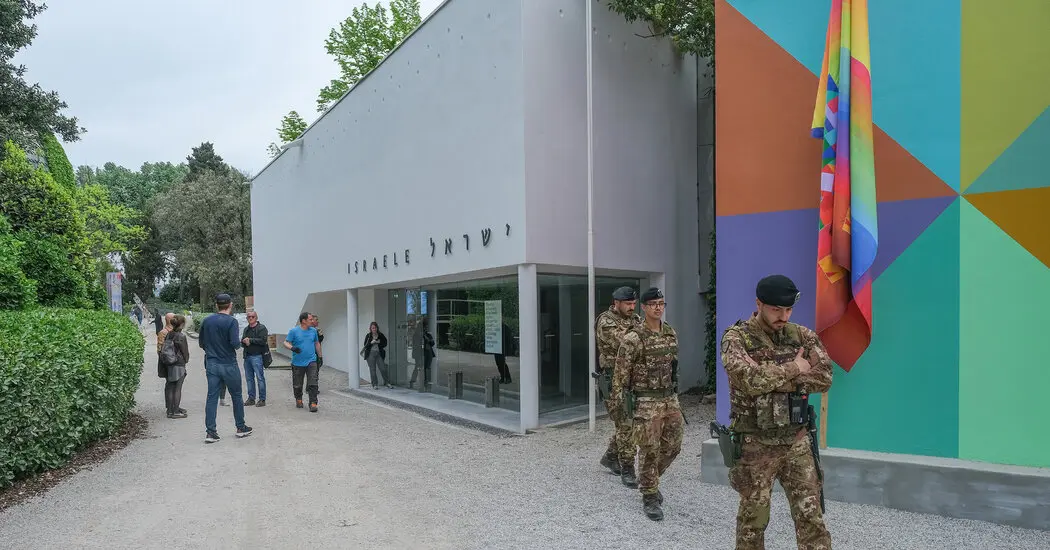
올해 이스라엘을 대표하는 조각가 벨루-시미온 파이나루는 베니스 비엔날레 심사위원회의 결정에 대해 변호사와 상담했다. 수요일 이탈리아 문화부 장관은 파이나루에게 전화를 걸어 이스라엘 미술가에 대한 지지를 표현했다고 보도자료가 전했다.
심사위원들은 목요일 즉시 의견 요청에 응하지 않았지만, 베니스 비엔날레 대변인은 짤막한 성명서로 그들의 사직을 인정했다.
66세의 파이나루는 인터뷰에서 심사위원회가 사직한 것에 기뻐한다고 말했다. "그들의 결정은 나를 인종적 근거로 차별했다"고 그는 말했다.
파이나루는 "나는 미술가이며 동등한 권리를 가지고 있으며 국가나 인종에 속해 있다는 이유로 판단받을 수 없다"며 "나의 미술 작품의 질과 메시지로만 판단받아야 한다"고 덧붙였다.
파이나루는 심사위원회의 초기 결정이 제2차 세계대전 중 루마니아에서 자신의 아버지에게 취해진 조치를 상기시켰다고 말했다. 당시 파이나루의 아버지는 대학에서 강의하지 못하도록 금지되었고 이후 3년간 강제 노동소에 보내졌다고 파이나루는 말했다.
"나는 차별이 나에게나 오늘날 이탈리아에서 일하는 다른 어떤 미술가에게도 일어날 것이라고 생각하지 않았다"고 파이나루는 말했다.
2023년 10월 하마스 주도의 공격 이후 이스라엘의 가자지구 군사 침공 이래로 베니스 비엔날레에서의 이스라엘의 존재는 논란을 불러일으켰다. 수백 명의 비엔날레 참가자들은 행사 주최자들에게 이스라엘을 제외할 것을 촉구하는 청원서에 서명했다. 그리고 2024년의 마지막 판에서 이스라엘 대표 루스 파티르는 "휴전과 인질 석방 협의"가 이루어질 때까지 자신의 전시를 열지 않겠다며 전시회를 폐쇄했다.
파이나루는 니콜라에 차우셰스쿠의 독재 통치 기간 중 루마니아에서 태어났다. 1970년대에 이스라엘로 이주했지만 여전히 모국과의 유대를 유지하고 있으며, 2019년 베니스 비엔날레에서 루마니아를 대표하기도 했다. 그는 또한 이스라엘의 주요 미술가 중 한 명이며 작년에 이스라엘의 최고 문화 영예인 이스라엘 상을 받았다.
파이나루는 자신의 경력의 대부분이 이스라엘과 아랍 공동체 간의 대화를 촉진하기 위해 미술을 활용하는 데 중점을 두었다고 말했다. 2010년 그는 이스라엘 하이파를 기반으로 한 미술 행사인 지중해 비엔날레를 창립했으며, 중동 전역의 미술가들의 작품을 전시했다고 말했다.
2015년 그는 이스라엘 북부 도시인 삭닌의 아랍 현대미술관을 공동 설립했으며, 이는 레바논 국경으로부터 약 15마일 떨어진 곳이다. 아랍 계통이 아니기 때문에 파이나루는 그 박물관을 설립한 것에 대해 일부 비판을 받았지만, 미술은 국적으로 제한되어서는 안 된다고 주장했다.
파이나루는 또한 하이파 대학교에서 강의하고 있으며, 자신의 학생의 절반이 팔레스타인인이며 공개 대화의 원칙을 가르치려고 노력한다고 말했다.
비엔날레를 위해 파이나루는 밭을 관개하는 데 사용되는 점적 관개기를 포함할 설치 미술 작품인 "무의 장미"를 전시할 것이라고 말했다. 물이 바닥에 고일 것이며, 파이나루는 부분적으로 서로 다른 공동체의 사람들이 함께 모이는 것을 나타낸다고 말했다.
알렉스 마셜은 유럽 문화를 담당하는 타임스 기자이며 런던을 기반으로 한다.
브라질 큐레이터 솔랑주 파르카스가 이끄는 5명의 심사위원회는 미술 출판물 이플럭스에 올린 짤막한 성명서에서 4월 23일 국제형사재판소의 조사를 받고 있는 지도자를 둔 국가의 미술가들에게 상을 주지 않겠다는 결정을 인정하며 사직했다고 밝혔다.
심사위원회는 두 성명서 모두에서 구체적인 국가 이름을 언급하지 않았지만, 국제형사재판소는 가자지구에서의 이스라엘의 행동에 대한 전쟁범죄 혐의로 벤야민 네타냐후 총리와 그의 전 국방장관 요아브 갈란트에 대한 체포영장을 발부했다.
국제형사재판소는 또한 우크라이나에서의 전쟁범죄 혐의로 블라디미르 푸틴 러시아 대통령에 대한 체포영장을 발부했지만, 이번 금지 조치를 둘러싼 논란은 주로 이스라엘을 중심으로 이루어졌다.
일요일 이스라엘 외교부는 X에 성명을 내어 이스라엘 미술가들의 배제가 "베니스 비엔날레를 자유롭고 경계 없는 개방된 예술 공간에서 거짓되고 반이스라엘적인 정치 선전의 장으로 변모시켰다"고 말했다.
올해 이스라엘을 대표하는 조각가 벨루-시미온 파이나루는 베니스 비엔날레 심사위원회의 결정에 대해 변호사와 상담했다. 수요일 이탈리아 문화부 장관은 파이나루에게 전화를 걸어 이스라엘 미술가에 대한 지지를 표현했다고 보도자료가 전했다.
심사위원들은 목요일 즉시 의견 요청에 응하지 않았지만, 베니스 비엔날레 대변인은 짤막한 성명서로 그들의 사직을 인정했다.
66세의 파이나루는 인터뷰에서 심사위원회가 사직한 것에 기뻐한다고 말했다. "그들의 결정은 나를 인종적 근거로 차별했다"고 그는 말했다.
파이나루는 "나는 미술가이며 동등한 권리를 가지고 있으며 국가나 인종에 속해 있다는 이유로 판단받을 수 없다"며 "나의 미술 작품의 질과 메시지로만 판단받아야 한다"고 덧붙였다.
파이나루는 심사위원회의 초기 결정이 제2차 세계대전 중 루마니아에서 자신의 아버지에게 취해진 조치를 상기시켰다고 말했다. 당시 파이나루의 아버지는 대학에서 강의하지 못하도록 금지되었고 이후 3년간 강제 노동소에 보내졌다고 파이나루는 말했다.
"나는 차별이 나에게나 오늘날 이탈리아에서 일하는 다른 어떤 미술가에게도 일어날 것이라고 생각하지 않았다"고 파이나루는 말했다.
2023년 10월 하마스 주도의 공격 이후 이스라엘의 가자지구 군사 침공 이래로 베니스 비엔날레에서의 이스라엘의 존재는 논란을 불러일으켰다. 수백 명의 비엔날레 참가자들은 행사 주최자들에게 이스라엘을 제외할 것을 촉구하는 청원서에 서명했다. 그리고 2024년의 마지막 판에서 이스라엘 대표 루스 파티르는 "휴전과 인질 석방 협의"가 이루어질 때까지 자신의 전시를 열지 않겠다며 전시회를 폐쇄했다.
파이나루는 니콜라에 차우셰스쿠의 독재 통치 기간 중 루마니아에서 태어났다. 1970년대에 이스라엘로 이주했지만 여전히 모국과의 유대를 유지하고 있으며, 2019년 베니스 비엔날레에서 루마니아를 대표하기도 했다. 그는 또한 이스라엘의 주요 미술가 중 한 명이며 작년에 이스라엘의 최고 문화 영예인 이스라엘 상을 받았다.
파이나루는 자신의 경력의 대부분이 이스라엘과 아랍 공동체 간의 대화를 촉진하기 위해 미술을 활용하는 데 중점을 두었다고 말했다. 2010년 그는 이스라엘 하이파를 기반으로 한 미술 행사인 지중해 비엔날레를 창립했으며, 중동 전역의 미술가들의 작품을 전시했다고 말했다.
2015년 그는 이스라엘 북부 도시인 삭닌의 아랍 현대미술관을 공동 설립했으며, 이는 레바논 국경으로부터 약 15마일 떨어진 곳이다. 아랍 계통이 아니기 때문에 파이나루는 그 박물관을 설립한 것에 대해 일부 비판을 받았지만, 미술은 국적으로 제한되어서는 안 된다고 주장했다.
파이나루는 또한 하이파 대학교에서 강의하고 있으며, 자신의 학생의 절반이 팔레스타인인이며 공개 대화의 원칙을 가르치려고 노력한다고 말했다.
비엔날레를 위해 파이나루는 밭을 관개하는 데 사용되는 점적 관개기를 포함할 설치 미술 작품인 "무의 장미"를 전시할 것이라고 말했다. 물이 바닥에 고일 것이며, 파이나루는 부분적으로 서로 다른 공동체의 사람들이 함께 모이는 것을 나타낸다고 말했다.
알렉스 마셜은 유럽 문화를 담당하는 타임스 기자이며 런던을 기반으로 한다.
처리 완료
4,212 tokens · $0.0121
기사 수집 완료 · 01:20
매체 피드에서 기사 메타데이터 수집
헤드라인 번역 완료 · 01:35
제목/요약 한국어 번역 (fetch 시점 inline)
claude-haiku-4-5-20251001
222 tokens
$0.00058
2.0s
본문 추출 완료
4,339자 추출 완료
본문 한국어 번역 완료 · 01:35
2,154자 번역 완료
claude-haiku-4-5-20251001
3,990 tokens
$0.01150
24.2s
지정학적 엔티티 추출 완료 · 01:35
8개 엔티티 추출 완료
지정학적 맥락 & R-Scanner
R-Scanner · 평상
z=-1.23
일상적인 보도 수준 — 기준: Venice
(🇮🇹 IT)
최근 6시간 5건
7일 평균 8.86건 / 6h
4개국 매체
4개 매체
본문에서 추출된 지명 (8)
위치 지도
지도 로딩 중…
같은 주제의 다른 기사 (최근 7일)
The jury of the world’s most important art exhibition had said it wouldn’t consider artists from countries whose leaders are accused of crimes against humanity.
The prize jury for this year’s Venice Biennale, the art world’s most important event, resigned on Thursday — just nine days before the show’s opening — after a furor over its decision to exclude artists from countries accused of crimes against humanity from receiving awards.In a brief statement posted to eFlux, an art publication, the five-person jury led by Solange Farkas, a Brazilian curator, said simply that it had resigned “in acknowledgment” of its April 23 announcement that it would not give awards to artists from countries whose leaders were being investigated by the International Criminal Court.
The jury did not mention any countries by name in either announcement, but the International Criminal Court has issued an arrest warrant for Prime Minister Benjamin Netanyahu and his former defense minister, Yoav Gallant, on accusations of war crimes for Israel’s actions in Gaza.
The I.C.C. has also issued an arrest warrant for President Vladimir V. Putin of Russia on accusations of war crimes in Ukraine, but the uproar over the ban had centered mostly on Israel.
On Sunday, Israel’s foreign ministry said in a statement on X that excluding Israeli artists had “transformed the Biennale from an open artistic space of free, boundless ideas into a spectacle of false, anti-Israeli political indoctrination.”
Belu-Simion Fainaru, a sculptor who is representing Israel this year, had consulted lawyers about the Biennale jury’s decision. On Wednesday, Italy’s culture minister called Fainaru to express his support for the Israeli artist, according to a news release.
The jury members did not immediately respond to a request for comment on Thursday, but a Biennale spokeswoman acknowledged their resignations in a brief statement.
Fainaru, 66, said in an interview that he was happy that the jury had resigned. “Their decision discriminated against me on a racial basis,” he said.
“I’m an artist and have equal rights and I can’t be judged by belonging to a country or a race,” Fainaru added: “I should just be judged on the quality and message of my art.”
Fainaru said the jury’s initial decision had reminded him of actions taken against his father in Romania during World War II. At that time, Fainaru said, his father was barred from teaching at a university and then sent to a forced-labor camp for three years.
“I didn’t think that discrimination would happen to me or any other artist working in Italy today,” Fainaru said.
Since Israel’s military invaded Gaza after the October 2023 Hamas-led attack, Israel’s presence at the Biennale has stirred controversy. Hundreds of Biennale participants have signed petitions calling on the event’s organizers to exclude Israel. And at the last edition, in 2024, Israel’s representative, Ruth Patir, shuttered her show, saying that she would not open it until “a cease-fire and hostage release agreement” was in place.
Fainaru was born in Romania during the authoritarian rule of Nicolae Ceausescu. He moved to Israel in the 1970s but still maintains ties to his native country, including representing Romania at the Venice Biennale in 2019. He is also one of Israel’s major artists and last year received the Israel Prize, the country’s highest cultural honor.
Fainaru said that much of his career had focused on using art to foster dialogue between Israeli and Arab communities. In 2010, he founded the Mediterranean Biennale, an art event based in Haifa, Israel, which he said had exhibited work by artists from across the Middle East.
In 2015, he co-founded the Arab Museum of Contemporary Art in Sakhnin, a city in northern Israel about 15 miles from the border with Lebanon. Because he is not of Arab descent, Fainaru received some criticism for establishing that museum, but he argued that art should not be restricted by nationality.
Fainaru also teaches at the University of Haifa, where he said that half of his students were Palestinian and that he tried to teach principles of open dialogue.
For the Biennale, Fainaru said he would exhibit “Rose of Nothingness,” an installation that will include a water dripper used to irrigate fields. Its water will pool on the floor, Fainaru said, in part representing the coming together of people from different communities.
Alex Marshall is a Times reporter covering European culture. He is based in London.