V&A, 중국 인쇄업체의 요구에 따라 카탈로그 검열
V&A censored catalogues after demands by Chinese printer
The Guardian
· 🇬🇧 London, GB
Matthew Weaver
EN
2026-04-15 01:03
Translated
단독 보도: 빅토리아 앨버트 박물관이 베이징 검열관의 민감한 것으로 간주되는 지도와 이미지를 전시 간행물에서 삭제했다. 영국 주요 박물관 중 하나가 카탈로그를 출판하는 중국 기업의 요구를 수용하여 중국 검열법을 위반하는 이미지를 삭제하기로 동의했다. 빅토리아 앨버트 박물관은 정보자유 요청으로 공개된 문서에 따르면 최근 적어도 두 개의 전시 카탈로그에서 지도와 이미지를 삭제해달라는 자신이 사용하는 중국 인쇄 회사의 요청을 수용했다.
영국 주요 박물관 중 하나가 자신의 카탈로그를 출판하는 중국 기업의 검열 요구를 수용했다. 빅토리아 앨버트 박물관은 정보자유 요청으로 공개된 문서에 따르면 최근 적어도 두 개의 전시 카탈로그에서 지도와 이미지를 삭제해달라는 중국 인쇄 회사의 요청을 수용했다.
브리티시 뮤지엄, 테이트, 브리티시 라이브러리를 포함한 다른 주요 기관들처럼, V&A는 영국이나 유럽 회사의 절반 비용으로 카탈로그를 제작할 수 있기 때문에 종종 중국 인쇄업체를 사용한다.
그러나 그렇게 함으로써 불교, 타이완, 티베트, 천안문 광장, 민주화 활동 등 중국 정부가 민감하다고 간주하는 주제나 이미지와 관련된 검열 요청을 수용해야 한다.
V&A의 공개 내용은 박물관 출판사에 대한 중국의 검열 범위를 드러낸다. 베이징의 검붉은 펜이 파베르제 달걀과 영국 흑인 음악 같은 관련 없는 주제의 역사 지도와 사진까지 확대되는 방식을 보여준다.
또한 중국의 억압에 동의하려는 공적 자금을 받는 영국 기관의 명백한 의지를 보여주며, 이는 생산 과정에서 문제를 야기할 수 있다.
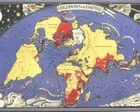
'Music is Black' 전시회 카탈로그의 경우 이번 금요일에 개최되며, V&A는 영국 제국의 무역로를 보여주는 1930년대 삽화를 사용하고 싶었다. 그러나 지난 11월 V&A의 중국 인쇄업체에서 보낸 이메일은 베이징의 검열 기구인 신문출판총서(GAPP)의 적대에 걸렸다고 했다.
중국 인쇄 회사인 C&C 오프셋 프린팅의 이메일은 다음과 같이 말했다: "10페이지의 지도가 중국과 관련이 있습니다(중국 국경이 있고 중국 정부의 표준 지도를 사용해야 합니다) 그리고 GAPP가 거부했습니다. 우리의 제안은 이 지도를 삭제하거나 다른 이미지를 사용하는 것입니다."
V&A는 결정에 당혹스러워하면서도 동의했다. V&A 동료 간의 내부 이메일 교환은 검열이 카탈로그 인쇄를 지연시켰음을 보여준다. "중국 식민지 통치를 보여주는 역사 지도이므로 중국과 무관합니다 - 단지 지도에 중국을 보여줄 뿐인데 그것만으로도 거부할 충분한 이유인 것 같습니다! 파일을 수정하는 동안 인쇄가 일시 중지되었습니다... 죄송합니다".
지도는 V&A East 디렉터인 거스 케슬리-헤이포드의 카탈로그 소개를 설명하기 위한 것이었다. 그에게 보낸 이메일은 대체 인쇄업체를 찾기에는 너무 늦었다고 했다.
"현대 지도에 대한 민감성을 인식하고 있었지만 역사 지도에도 명백하게 적용되는 것 같습니다. 종이를 인쇄소에 주문했으므로 안타깝게도 유럽으로 인쇄를 이동하기에는 너무 늦어서 일정을 1주일 늦춰 대체 삽화를 찾아야 했습니다."
케슬리-헤이포드는 "정말 죄송합니다 - 매우 스트레스가 많았을 것 같습니다"라고 답장했다. 또한 검열된 지도를 음악가 데니스 모리스의 사진으로 교체할 것을 제안했다. 결국 V&A는 웨스트인디스에서 항해한 후 사우샘프턴에 도착하는 라이너 베고냐의 사람들의 사진을 사용했다.
V&A는 또한 2021년 전시회 'Fabergé: Romance to Revolution'의 카탈로그에 사용하려던 또 다른 지도를 빼기로 동의했다. 또한 중국 인쇄업체가 레닌이 GAPP에 의해 "민감한" 것으로 간주될 수 있다고 했기 때문에 책에서 레닌의 사진도 제거했다.
V&A 제작팀에서 큐레이터 중 한 명에게 보낸 이메일은 검열에 대한 좌절감을 표현했다. "중국 인쇄업체는 당신 에세이 시작 부분의 혁명/레닌 이미지로 책을 인쇄할 수 없습니다. 이를 예상했어야 하는데 제한 사항 목록이 계속 변하고 있습니다."
V&A는 성명에서 이 카탈로그에 대해 중국이 요구한 변경이 "경미한" 것이라고 말했다.
"우리는 모든 책을 어디에 인쇄할지 사례별로 신중하게 검토합니다. 때로는 중국에서 인쇄하지만 편집상 감시를 유지합니다. 우리는 경미한 편집에 만족했습니다. 서사에 영향을 미치지 않았고 요청된 변경이 문제가 있다고 느낄 경우 명백히 생산을 중단했을 것입니다."
테이트, 브리티시 뮤지엄, 브리티시 라이브러리는 모두 최근 카탈로그와 현재 자신의 상점에서 판매 중인 책에 대해 중국 인쇄업체를 사용했다.
브리티시 뮤지엄은 중국에 인쇄된 최소 8개의 최근 간행물에서 중국 검열 요청을 어떻게 다루었는지에 대한 질문에 답변을 거부했다.
대변인은 "우리는 유럽과 아시아 전역의 다양한 인쇄업체와 함께 일합니다. 인쇄 주문은 품질, 재료 가용성, 일정 및 비용을 포함한 여러 요소를 기반으로 공급자와 배치됩니다."라고 말했다. 대변인은 "이 문제에 대해 더 이상 논평하지 않겠습니다"라고 덧붙였다.
브리티시 뮤지엄은 재무장관으로서 베이징과의 경제적 유대를 강화하고 영국-중국 관계의 "황금기"를 홍보한 조지 오스본이 의장을 맡고 있다.
브리티시 라이브러리는 중국에서 인쇄한 카탈로그에 검열 문제가 없었다고 주장했다.
테이트 대변인은 중국 인쇄업체가 여러 어린이 책과 일부 카탈로그를 출판했음을 확인했지만, "테이트 출판은 인쇄업체의 요청으로 책의 내용을 변경하지 않았습니다"라고 덧붙였다.
익명을 요청한 영국 출판사는 "우리는 이 나라에서 인쇄하려고 노력했지만 매우 비쌉니다. 우리가 중국에서 지불하는 것보다 2배 더 많은 웨일스 인쇄소의 견적을 받았습니다. 중국의 기구를 통해 점검하는 인쇄 과정에서 항상 지연이 있습니다. 지도와 티베트를 언급하는 모든 것에 대한 민감성이 있습니다."라고 말했다.
C&C 오프셋 프린팅의 전직 직원은 "물론 중국 정부가 승인하지 않는 내용을 인쇄하는 것은 금지되어 있습니다. 왜 놀라워야 합니까? 중국 회사입니다."라고 말했다.
브리티시 뮤지엄, 테이트, 브리티시 라이브러리를 포함한 다른 주요 기관들처럼, V&A는 영국이나 유럽 회사의 절반 비용으로 카탈로그를 제작할 수 있기 때문에 종종 중국 인쇄업체를 사용한다.
그러나 그렇게 함으로써 불교, 타이완, 티베트, 천안문 광장, 민주화 활동 등 중국 정부가 민감하다고 간주하는 주제나 이미지와 관련된 검열 요청을 수용해야 한다.
V&A의 공개 내용은 박물관 출판사에 대한 중국의 검열 범위를 드러낸다. 베이징의 검붉은 펜이 파베르제 달걀과 영국 흑인 음악 같은 관련 없는 주제의 역사 지도와 사진까지 확대되는 방식을 보여준다.
또한 중국의 억압에 동의하려는 공적 자금을 받는 영국 기관의 명백한 의지를 보여주며, 이는 생산 과정에서 문제를 야기할 수 있다.
'Music is Black' 전시회 카탈로그의 경우 이번 금요일에 개최되며, V&A는 영국 제국의 무역로를 보여주는 1930년대 삽화를 사용하고 싶었다. 그러나 지난 11월 V&A의 중국 인쇄업체에서 보낸 이메일은 베이징의 검열 기구인 신문출판총서(GAPP)의 적대에 걸렸다고 했다.
중국 인쇄 회사인 C&C 오프셋 프린팅의 이메일은 다음과 같이 말했다: "10페이지의 지도가 중국과 관련이 있습니다(중국 국경이 있고 중국 정부의 표준 지도를 사용해야 합니다) 그리고 GAPP가 거부했습니다. 우리의 제안은 이 지도를 삭제하거나 다른 이미지를 사용하는 것입니다."
V&A는 결정에 당혹스러워하면서도 동의했다. V&A 동료 간의 내부 이메일 교환은 검열이 카탈로그 인쇄를 지연시켰음을 보여준다. "중국 식민지 통치를 보여주는 역사 지도이므로 중국과 무관합니다 - 단지 지도에 중국을 보여줄 뿐인데 그것만으로도 거부할 충분한 이유인 것 같습니다! 파일을 수정하는 동안 인쇄가 일시 중지되었습니다... 죄송합니다".
지도는 V&A East 디렉터인 거스 케슬리-헤이포드의 카탈로그 소개를 설명하기 위한 것이었다. 그에게 보낸 이메일은 대체 인쇄업체를 찾기에는 너무 늦었다고 했다.
"현대 지도에 대한 민감성을 인식하고 있었지만 역사 지도에도 명백하게 적용되는 것 같습니다. 종이를 인쇄소에 주문했으므로 안타깝게도 유럽으로 인쇄를 이동하기에는 너무 늦어서 일정을 1주일 늦춰 대체 삽화를 찾아야 했습니다."
케슬리-헤이포드는 "정말 죄송합니다 - 매우 스트레스가 많았을 것 같습니다"라고 답장했다. 또한 검열된 지도를 음악가 데니스 모리스의 사진으로 교체할 것을 제안했다. 결국 V&A는 웨스트인디스에서 항해한 후 사우샘프턴에 도착하는 라이너 베고냐의 사람들의 사진을 사용했다.
V&A는 또한 2021년 전시회 'Fabergé: Romance to Revolution'의 카탈로그에 사용하려던 또 다른 지도를 빼기로 동의했다. 또한 중국 인쇄업체가 레닌이 GAPP에 의해 "민감한" 것으로 간주될 수 있다고 했기 때문에 책에서 레닌의 사진도 제거했다.
V&A 제작팀에서 큐레이터 중 한 명에게 보낸 이메일은 검열에 대한 좌절감을 표현했다. "중국 인쇄업체는 당신 에세이 시작 부분의 혁명/레닌 이미지로 책을 인쇄할 수 없습니다. 이를 예상했어야 하는데 제한 사항 목록이 계속 변하고 있습니다."
V&A는 성명에서 이 카탈로그에 대해 중국이 요구한 변경이 "경미한" 것이라고 말했다.
"우리는 모든 책을 어디에 인쇄할지 사례별로 신중하게 검토합니다. 때로는 중국에서 인쇄하지만 편집상 감시를 유지합니다. 우리는 경미한 편집에 만족했습니다. 서사에 영향을 미치지 않았고 요청된 변경이 문제가 있다고 느낄 경우 명백히 생산을 중단했을 것입니다."
테이트, 브리티시 뮤지엄, 브리티시 라이브러리는 모두 최근 카탈로그와 현재 자신의 상점에서 판매 중인 책에 대해 중국 인쇄업체를 사용했다.
브리티시 뮤지엄은 중국에 인쇄된 최소 8개의 최근 간행물에서 중국 검열 요청을 어떻게 다루었는지에 대한 질문에 답변을 거부했다.
대변인은 "우리는 유럽과 아시아 전역의 다양한 인쇄업체와 함께 일합니다. 인쇄 주문은 품질, 재료 가용성, 일정 및 비용을 포함한 여러 요소를 기반으로 공급자와 배치됩니다."라고 말했다. 대변인은 "이 문제에 대해 더 이상 논평하지 않겠습니다"라고 덧붙였다.
브리티시 뮤지엄은 재무장관으로서 베이징과의 경제적 유대를 강화하고 영국-중국 관계의 "황금기"를 홍보한 조지 오스본이 의장을 맡고 있다.
브리티시 라이브러리는 중국에서 인쇄한 카탈로그에 검열 문제가 없었다고 주장했다.
테이트 대변인은 중국 인쇄업체가 여러 어린이 책과 일부 카탈로그를 출판했음을 확인했지만, "테이트 출판은 인쇄업체의 요청으로 책의 내용을 변경하지 않았습니다"라고 덧붙였다.
익명을 요청한 영국 출판사는 "우리는 이 나라에서 인쇄하려고 노력했지만 매우 비쌉니다. 우리가 중국에서 지불하는 것보다 2배 더 많은 웨일스 인쇄소의 견적을 받았습니다. 중국의 기구를 통해 점검하는 인쇄 과정에서 항상 지연이 있습니다. 지도와 티베트를 언급하는 모든 것에 대한 민감성이 있습니다."라고 말했다.
C&C 오프셋 프린팅의 전직 직원은 "물론 중국 정부가 승인하지 않는 내용을 인쇄하는 것은 금지되어 있습니다. 왜 놀라워야 합니까? 중국 회사입니다."라고 말했다.
처리 완료
5,372 tokens · $0.0153
기사 수집 완료 · 01:15
매체 피드에서 기사 메타데이터 수집
헤드라인 번역 완료 · 01:21
제목/요약 한국어 번역 (fetch 시점 inline)
kimi-k2.5
379 tokens
$0.00078
9.0s
본문 추출 완료
5,720자 추출 완료
본문 한국어 번역 완료 · 01:21
2,691자 번역 완료
claude-haiku-4-5-20251001
4,993 tokens
$0.01449
31.1s
지정학적 엔티티 추출 완료 · 01:21
8개 엔티티 추출 완료
지정학적 맥락 & R-Scanner
R-Scanner · 핫스팟
z=2.95
평소보다 훨씬 많은 매체가 집중 보도 중 — 기준: United Kingdom
(🇬🇧 GB)
최근 6시간 37건
7일 평균 22.64건 / 6h
9개국 매체
11개 매체
본문에서 추출된 지명 (8)
위치 지도
지도 로딩 중…
같은 주제의 다른 기사 (최근 7일)
Exclusive: Victoria and Albert Museum has deleted maps and images deemed sensitive by Beijing censors from exhibition publicationsOne of the UK’s leading museums has accepted demands by a Chinese firm that publishes its catalogues to remove images that fall foul of the country’s censorship laws.The Victoria and Albert Museum has agreed to requests by the Chinese printing company it uses to delete maps and images from at least two recent exhibition catalogues, according to documents released to the Guardian under freedom of information.
One of the UK’s leading museums has accepted demands by a Chinese firm that publishes its catalogues to remove images that fall foul of the country’s censorship laws.The Victoria and Albert Museum has agreed to requests by the Chinese printing company it uses to delete maps and images from at least two recent exhibition catalogues, according to documents released to the Guardian under freedom of information.
Like other prominent institutions, including the British Museum, Tate and the British Library, the V&A often uses Chinese printers because they can produce catalogues at half the cost of British or European companies.
But by so doing they have to accede to censorship requests relating to any topics or images deemed sensitive by the Chinese government such as Buddhism, Taiwan, Tibet, Tiananmen Square and pro-democracy activities.
The disclosures from the V&A lay bare the detailed scope of China’s censorship on museum publishers. They show how Beijing’s red pen even extends to historical maps and photographs on seemingly unrelated subjects such as Fabergé eggs and British Black music.
They also show the apparent willingness of a publicly funded UK institution to agree to Chinese suppression despite the problems it can cause in the production process.
For the catalogue of the Music is Black exhibition, which opens this Friday, the V&A wanted to use a 1930s illustration of trade routes of the British empire. But an email from the V&A’s Chinese printers sent last November said it had fallen foul of Beijing’s censorship body, the General Administration of Press and Publication or GAPP.
The email from the Chinese printers, C&C Offset Printing, said: “There is a map on p10 relates to China (there is China border here and we need to use the standard maps from Chinese Government) and GAPP rejected it. Our suggestion is to delete this map or use another image.”
The V&A agreed despite bafflement at the decision. An internal email exchange between V&A colleagues revealed the censorship caused a delay in printing the catalogue. It said: “It’s a historic map showing British colonial rule so nothing to do with China – just shows China on the map and that seems to be enough to warrant rejection! Printing paused while we amend files … SORRY”.
The map was due to illustrate an introduction to the catalogue by Gus Casely-Hayford, the director of V&A East. An email to him said it was too late to find alternative printers.
It said: “We were aware of sensitivity around contemporary maps but it now clearly applies to historic maps too. As we have ordered the paper to the printer it is sadly too late to move print to Europe, so we’ve had to put back the schedule a week in order to find a replacement illustration.”
Casely-Hayford replied by saying: “So sorry- must have been very stressful.” He also suggested replacing the censored map with a photo of the musician Dennis Morris. Eventually the V&A used a photo of people arriving in Southampton on the liner Begoña after a voyage from the West Indies.
The V&A also agreed to pull another map it wanted to use for catalogue to a 2021 exhibition Fabergé: Romance to Revolution. It also removed a photograph of Lenin from the book because the Chinese printers said Lenin could be deemed “sensitive” by GAPP.
An email from the V&A production team to one of its curators expressed frustration at the censorship. It said: “The Chinese printer is not able to print the book with the revolution/Lenin image at the start of your essay. I should have foreseen this, but the list of restrictions is ever changing.”
The V&A said in a statement that the changes demanded by China on these catalogues were “minor”.
It said: “We carefully consider, on a case-by-case basis, where we print all of our books. We sometimes print in China, but maintain close editorial oversight. We were comfortable making minor edits, as they did not affect the narrative and we would obviously pull production if we felt any requested change was problematic.”
The Tate, the British Museum and the British Library have all also used Chinese printers on recent catalogues and books currently available for sale in their shops.
The British Museum refused to respond to questions about it how it dealt with any China censorship requests on at least eight recent publications it has had printed in China.
A spokesperson said “We work with a range of printers across Europe and Asia. Print orders are placed with suppliers based on a number of factors including quality, availability of materials, schedules and cost.” The spokesperson added: “We won’t be commenting any further on the matter.”
The British Museum is chaired by George Osborne who as chancellor championed closer economic links with Beijing and promoted a “golden decade” in UK-China relations.
The British Library claimed it has never had an issue with censorship on the catalogues it had printed in China.
A Tate spokesperson confirmed Chinese printers have published several of its children’s books and some catalogues, but added: “Tate Publishing has never changed the content of any books at the request of a printer.”
A UK publisher who asked not to be named said: “We have tried to print in this country, but is just very expensive. We just had a quote from a Welsh printer that was double what we’re paying in China. There is always a delay in the print process while it goes through a body in China that checks up things. There are sensitivities about maps and anything that mentions Tibet for example.”
A former employee of C&C Offset Printing said: “Of course printing content disapproved by Chinese government is forbidden. Why should it be surprising? It’s a Chinese company.”