미국 경제, 1월-3월 2% 성장, 연방정부 셧다운에서 회복; 이란 전쟁이 전망 흐리게
U.S. economy grew 2% from January-March, recovering from federal shutdown; Iran war clouds outlook
Associated Press
· 🇺🇸 New York, US
https://apnews.com/author/paul-wiseman
EN
2026-05-01 07:05
Translated
미국 상무부가 2026년 1월부터 3월까지 국내총생산(GDP)이 전년도 4분기 0.5% 성장에서 회복하여 2% 성장했다고 보고했습니다. 그러나 이란 전쟁으로 인한 불확실성이 경제 전망을 어둡게 하고 있습니다.
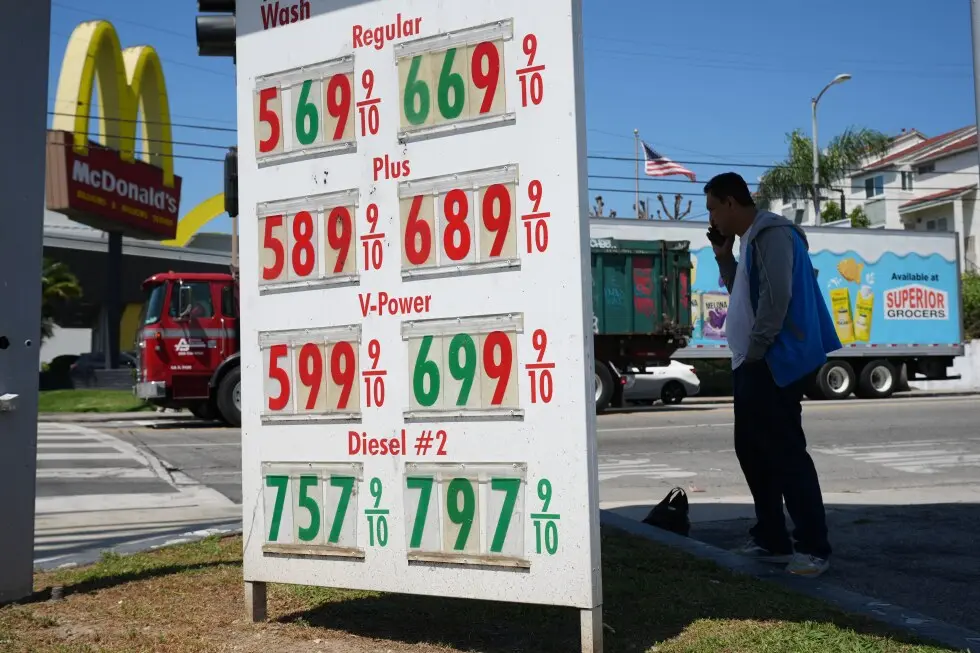
2026년 4월 7일 화요일, 로스앤젤레스의 주유소에 가솔린 가격이 표시되어 있습니다. (AP 사진/Damian Dovarganes)
워싱턴(AP) — 미국 경제는 2026년 초에 가속화되어 작년 가을 43일간의 연방정부 셧다운에서 회복한 후 1월부터 3월까지 완만한 2% 속도로 확대되었습니다. 그러나 전망은 이란 전쟁으로 인해 흐려져 있습니다.
상무부는 목요일 국내총생산(GDP), 즉 국가의 상품 및 서비스 생산량이 2025년 마지막 3개월 동안의 부진한 0.5% 확대에서 반등했다고 보고했습니다. 연방정부의 지출과 투자는 1분기에 9.3%의 연간 성장률로 증가했으며, 2025년 4분기에 1.16 포인트를 감소시킨 후 성장에 0.5 포인트 이상을 추가했습니다.
미국 경제활동의 70%를 차지하는 소비자 지출 증가는 2025년 말의 1.9%에서 1분기에 1.6%로 둔화되었습니다. 음식 및 의류를 포함한 상품 지출은 약간 감소했습니다. 서비스 지출은 둔화되었습니다.
그러나 인공지능 지출에 의해 주도될 가능성이 있는 기업 투자는 8.7%의 속도로 상승했습니다. 약한 주택시장이 계속 경제에 부담을 주고 있습니다. 주거용 투자는 연간 8% 속도로 하락했으며, 이는 연속 5분기의 하락이자 2022년 말 이후 가장 큽니다. 주택을 제외하면, 비주거용 투자는 10.4%로 급증했으며 이는 거의 3년 만에 최대 상승입니다.
수입 증가, 1월-3월 연간 21.4%의 속도로 상승했습니다. 이는 1분기 성장에서 2.6 포인트 이상을 감소시켰습니다.
"이것은 분할화면 경제입니다"라고 해군 연방신용조합의 수석 경제학자 Heather Long이 썼습니다. "인공지능에 관련된 기업과 투자자들은 잘 나가고 있습니다. 한편, 중산층 및 중간소득 가구는 높은 휘발유 가격으로 어려움을 겪고 있습니다... 사람들이 모든 청구서를 관리하기 위해 어려움을 겪고 있고 미래에 대해 점점 더 우려하고 있으므로 소비가 둔화되고 있습니다."
여전히 경제의 기저 강도를 측정하는 GDP 데이터 내의 한 범주는 2025년 4분기의 1.8%에서 가속화되어 견고한 2.5% 속도로 성장했습니다. 이 범주에는 소비자 지출과 민간 투자가 포함되지만, 수출, 재고 및 정부 지출과 같은 변동성이 있는 항목은 제외됩니다.
1분기에는 이란의 충돌 약 1개월이 포함되었습니다. 이란은 세계 석유와 액화천연가스의 5분의 1이 통과하는 호르무즈 해협을 봉쇄했습니다. 이로 인해 에너지 가격이 상승했으며, 인플레이션을 부추기고 소비자에게 해를 끼쳤습니다. 수요일 기준금리를 변경하지 않기로 발표한 연방준비제도는 분쟁으로 인한 "높은 수준의 불확실성"을 언급했습니다.
High Frequency Economics의 수석 경제학자 Carl Weinberg는 1분기 GDP 성장을 예측할 생각도 하지 않았습니다. "사실은 이러한 지표가 어떻게 나타날지 예측하려고 할 방어 가능한 기초가 없다는 것입니다"라고 Weinberg는 월요일 논평에 썼습니다. 도널드 트럼프 대통령의 "이란과의 전쟁은 호르무즈 해협의 완전한 봉쇄로 이어졌습니다. 우리는 이 사건의 영향을 모델링하는 방법을 모릅니다. 우리는 이와 같은 것을 본 적이 없기 때문입니다."
목요일의 보고서는 상무부 추정치 3개 중 첫 번째였습니다.
워싱턴(AP) — 미국 경제는 2026년 초에 가속화되어 작년 가을 43일간의 연방정부 셧다운에서 회복한 후 1월부터 3월까지 완만한 2% 속도로 확대되었습니다. 그러나 전망은 이란 전쟁으로 인해 흐려져 있습니다.
상무부는 목요일 국내총생산(GDP), 즉 국가의 상품 및 서비스 생산량이 2025년 마지막 3개월 동안의 부진한 0.5% 확대에서 반등했다고 보고했습니다. 연방정부의 지출과 투자는 1분기에 9.3%의 연간 성장률로 증가했으며, 2025년 4분기에 1.16 포인트를 감소시킨 후 성장에 0.5 포인트 이상을 추가했습니다.
미국 경제활동의 70%를 차지하는 소비자 지출 증가는 2025년 말의 1.9%에서 1분기에 1.6%로 둔화되었습니다. 음식 및 의류를 포함한 상품 지출은 약간 감소했습니다. 서비스 지출은 둔화되었습니다.
그러나 인공지능 지출에 의해 주도될 가능성이 있는 기업 투자는 8.7%의 속도로 상승했습니다. 약한 주택시장이 계속 경제에 부담을 주고 있습니다. 주거용 투자는 연간 8% 속도로 하락했으며, 이는 연속 5분기의 하락이자 2022년 말 이후 가장 큽니다. 주택을 제외하면, 비주거용 투자는 10.4%로 급증했으며 이는 거의 3년 만에 최대 상승입니다.
수입 증가, 1월-3월 연간 21.4%의 속도로 상승했습니다. 이는 1분기 성장에서 2.6 포인트 이상을 감소시켰습니다.
"이것은 분할화면 경제입니다"라고 해군 연방신용조합의 수석 경제학자 Heather Long이 썼습니다. "인공지능에 관련된 기업과 투자자들은 잘 나가고 있습니다. 한편, 중산층 및 중간소득 가구는 높은 휘발유 가격으로 어려움을 겪고 있습니다... 사람들이 모든 청구서를 관리하기 위해 어려움을 겪고 있고 미래에 대해 점점 더 우려하고 있으므로 소비가 둔화되고 있습니다."
여전히 경제의 기저 강도를 측정하는 GDP 데이터 내의 한 범주는 2025년 4분기의 1.8%에서 가속화되어 견고한 2.5% 속도로 성장했습니다. 이 범주에는 소비자 지출과 민간 투자가 포함되지만, 수출, 재고 및 정부 지출과 같은 변동성이 있는 항목은 제외됩니다.
1분기에는 이란의 충돌 약 1개월이 포함되었습니다. 이란은 세계 석유와 액화천연가스의 5분의 1이 통과하는 호르무즈 해협을 봉쇄했습니다. 이로 인해 에너지 가격이 상승했으며, 인플레이션을 부추기고 소비자에게 해를 끼쳤습니다. 수요일 기준금리를 변경하지 않기로 발표한 연방준비제도는 분쟁으로 인한 "높은 수준의 불확실성"을 언급했습니다.
High Frequency Economics의 수석 경제학자 Carl Weinberg는 1분기 GDP 성장을 예측할 생각도 하지 않았습니다. "사실은 이러한 지표가 어떻게 나타날지 예측하려고 할 방어 가능한 기초가 없다는 것입니다"라고 Weinberg는 월요일 논평에 썼습니다. 도널드 트럼프 대통령의 "이란과의 전쟁은 호르무즈 해협의 완전한 봉쇄로 이어졌습니다. 우리는 이 사건의 영향을 모델링하는 방법을 모릅니다. 우리는 이와 같은 것을 본 적이 없기 때문입니다."
목요일의 보고서는 상무부 추정치 3개 중 첫 번째였습니다.
처리 완료
3,196 tokens · $0.0090
기사 수집 완료 · 07:05
매체 피드에서 기사 메타데이터 수집
헤드라인 번역 완료 · 07:15
제목/요약 한국어 번역 (fetch 시점 inline)
claude-haiku-4-5-20251001
205 tokens
$0.00060
2.0s
본문 추출 완료
3,149자 추출 완료
본문 한국어 번역 완료 · 07:15
1,602자 번역 완료
claude-haiku-4-5-20251001
2,991 tokens
$0.00843
14.9s
지정학적 엔티티 추출 완료 · 07:15
5개 엔티티 추출 완료
지정학적 맥락 & R-Scanner
R-Scanner · 상승
z=0.81
평소보다 보도량이 증가 추세 — 기준: United States
(🇺🇸 US)
최근 6시간 79건
7일 평균 72.04건 / 6h
11개국 매체
15개 매체
본문에서 추출된 지명 (5)
위치 지도
지도 로딩 중…
같은 주제의 다른 기사 (최근 7일)
Gas prices are displayed at a gasoline station, Tuesday, April 7, 2026, in Los Angeles. (AP Photo/Damian Dovarganes)
WASHINGTON (AP) — The U.S. economy accelerated at the start of 2026, expanding at a modest 2% pace from January through March after recovering from last fall’s 43-day federal government shutdown. But the outlook is clouded by the Iran war.
The Commerce Department reported Thursday that gross domestic product — the nation’s output of goods and services — rebounded from a lackluster 0.5% expansion the last three months of 2025. The federal government’s spending and investment grew at a 9.3% annual rate in the first quarter, adding more than half a percentage point to growth after lopping off 1.16 percentage points in fourth-quarter 2025.
Growth in consumer spending, which accounts for 70% of U.S. economic activity, slowed to 1.6% in the first quarter from 1.9% at the end of 2025. Spending on goods, including food and clothing fell slightly. Spending on services slowed.
But business investment, likely driven by spending in artificial intelligence, rose at an 8.7% pace. A weak housing market continues to weigh on the economy. Residential investment fell at an 8% annual pace — the fifth straight quarterly drop and the biggest since the end of 2022. Excluding housing, nonresidential investment surged 10.4%, biggest jump in nearly three years.
An uptick in imports, which rose at an annual rate of 21.4% from January-March, slashed more than 2.6 percentage points off first-quarter growth.
“This is a split-screen economy,” Heather Long, chief economist at the Navy Federal Credit Union, wrote. “Companies and investors involved in AI are on fire. Meanwhile, middle and moderate income households are struggling with high gas prices ... Consumption is slowing as people are struggling to manage all their bills and growing more concerned about the future.’’
Still, a category within the GDP data that measures the economy’s underlying strength grew at a solid 2.5% clip, accelerating from 1.8% in fourth-quarter 2025. This category includes consumer spending and private investment, but excludes volatile items like exports, inventories and government spending.
The first quarter included about a month of the clash in Iran. Iran has blocked the Strait of Hormuz through which a fifth of the world’s oil and liquefied natural gas passes. That has driven energy prices higher, fueling inflation and hurting consumers. The Federal Reserve, announcing Wednesday that it was keeping its benchmark interest unchanged, cited “a high level of uncertainty″ arising from the conflict.
Carl Weinberg, chief economist at High Frequency Economics, did not even bother to forecast first-quarter GDP growth. “The truth is that we do not have any defensible basis for trying to project how these indicators will print,” Weinberg wrote in a commentary Monday. President Donald “Trump’s war with Iran has led to a total blockade of the Strait of Hormuz. We do not know how to model the impact of that event, as we have never seen anything quite like it.″
Thursday’s report was the first of three Commerce Department estimates.
WASHINGTON (AP) — The U.S. economy accelerated at the start of 2026, expanding at a modest 2% pace from January through March after recovering from last fall’s 43-day federal government shutdown. But the outlook is clouded by the Iran war.
The Commerce Department reported Thursday that gross domestic product — the nation’s output of goods and services — rebounded from a lackluster 0.5% expansion the last three months of 2025. The federal government’s spending and investment grew at a 9.3% annual rate in the first quarter, adding more than half a percentage point to growth after lopping off 1.16 percentage points in fourth-quarter 2025.
Growth in consumer spending, which accounts for 70% of U.S. economic activity, slowed to 1.6% in the first quarter from 1.9% at the end of 2025. Spending on goods, including food and clothing fell slightly. Spending on services slowed.
But business investment, likely driven by spending in artificial intelligence, rose at an 8.7% pace. A weak housing market continues to weigh on the economy. Residential investment fell at an 8% annual pace — the fifth straight quarterly drop and the biggest since the end of 2022. Excluding housing, nonresidential investment surged 10.4%, biggest jump in nearly three years.
An uptick in imports, which rose at an annual rate of 21.4% from January-March, slashed more than 2.6 percentage points off first-quarter growth.
“This is a split-screen economy,” Heather Long, chief economist at the Navy Federal Credit Union, wrote. “Companies and investors involved in AI are on fire. Meanwhile, middle and moderate income households are struggling with high gas prices ... Consumption is slowing as people are struggling to manage all their bills and growing more concerned about the future.’’
Still, a category within the GDP data that measures the economy’s underlying strength grew at a solid 2.5% clip, accelerating from 1.8% in fourth-quarter 2025. This category includes consumer spending and private investment, but excludes volatile items like exports, inventories and government spending.
The first quarter included about a month of the clash in Iran. Iran has blocked the Strait of Hormuz through which a fifth of the world’s oil and liquefied natural gas passes. That has driven energy prices higher, fueling inflation and hurting consumers. The Federal Reserve, announcing Wednesday that it was keeping its benchmark interest unchanged, cited “a high level of uncertainty″ arising from the conflict.
Carl Weinberg, chief economist at High Frequency Economics, did not even bother to forecast first-quarter GDP growth. “The truth is that we do not have any defensible basis for trying to project how these indicators will print,” Weinberg wrote in a commentary Monday. President Donald “Trump’s war with Iran has led to a total blockade of the Strait of Hormuz. We do not know how to model the impact of that event, as we have never seen anything quite like it.″
Thursday’s report was the first of three Commerce Department estimates.