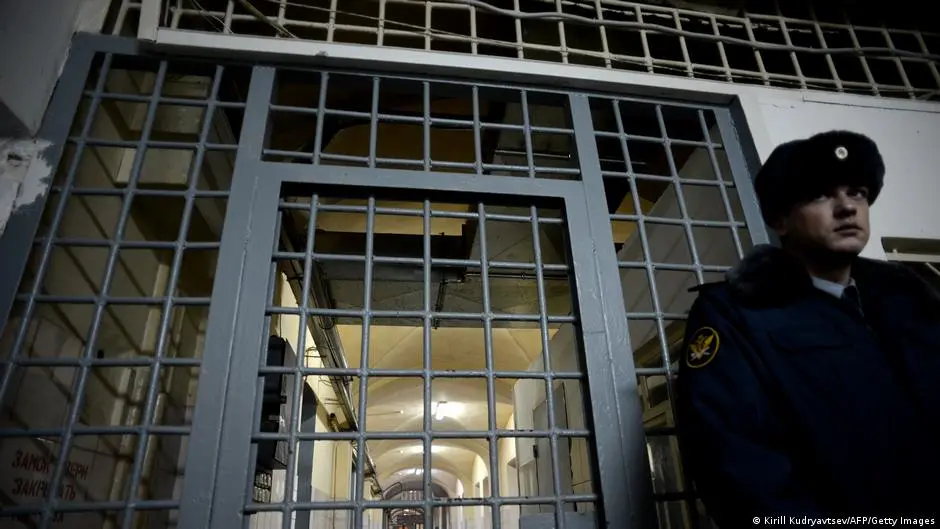
우크라이나 민간인들이 러시아 감옥에서 납치, 고문당함
Ukrainian civilians abducted, tortured in Russian prisons
Deutsche Welle
· 🇩🇪 Bonn, DE
DE
2026-04-11 23:33
Translated
러시아는 국제인도법을 위반하면서 수천 명의 우크라이나 민간인을 수년간 감옥에 가두고 있다. 가족들은 사랑하는 사람들의 석방을 위해 싸우고 있으며, 일부는 10년 이상을 기다리고 있다.
라리사 셰반딘은 11년간 남편 올레흐를 만나지 못했다. 우크라이나 동부 데발체베의 운동선수이자 지역 격투기 협회 회장인 올레흐는 2015년 5월에 납치되었다. 당시 그 도시는 이미 크렘린 지지 친러시아 분리주의자들이 1년 전에 명명한 소위 "도네츠크 인민공화국"의 일부였다. 두 사람은 체포 후 처음 24시간 내에 두 번 통화한 후 다시는 연락이 없었다.
셰반딘이 수집한 목격자 증언에 따르면, 총을 든 마스크를 쓴 남자들이 남편을 거리에서 멈추게 했고, 그를 차에서 끌어냈으며, 그의 머리에 자루를 씌우고 자신들의 차량으로 빠르게 달아났다.
셰반딘은 남편의 실종 상황에 대해 독자적인 조사를 수행했으며, 그 과정에서 우크라이나 옹호 단체 "돌아가다(Return Home)"를 설립했다. 그녀는 남편의 사건이 UN의 강제실종위원회에서 논의 대상이 되었다고 말한다.
"안타깝게도 UN은 직접적인 영향력을 행사할 방법이 없습니다. 그들의 노력에도 불구하고 그는 계속 감옥에 갇혀 있습니다"라고 셰반딘은 말한다. "러시아 감옥에서 11년은 긴 시간입니다. 사람들은 매일이 지옥이라고 합니다 — 하지만 그것을 365로 곱한 다음 다시 11로 곱해야 합니다."
올레흐 셰반딘의 체포는 러시아가 점령한 우크라이나 지역에서 보도된 첫 번째 사건 중 하나였다. 그의 이름은 가능한 포로 교환 목록에 있지만 아직 연락이 없으며, 법적 대리인이 없고 정식 혐의 없이 구금되어 있다.
현재 러시아에 의해 감금된 대부분의 우크라이나 민간인들 — 그리고 많은 수가 있다 — 은 유사한 운명을 공유하고 있다. 수만 명의 우크라이나 비전투원들이 러시아의 전면 침공 초기에 단순히 실종되었다. 인권 단체들은 최소 16,000명의 우크라이나 비전투원이 러시아 감옥에 들어갔다고 추정한다.
자의적 체포는 국제인도법 위반이다. 민간인은 비전투원이며 제네바협약 제4조에 따라 보호된다. "논리적으로, 제네바협약은 국가들이 다른 나라의 주권 영토를 침략하고 자의적으로 국민을 체포하고 투옥하는 것을 금지합니다"라고 우크라이나 의회의 인권보호관 대리인 유리 코브바사가 DW에 말했다.
우크라이나 기반 시민자유센터의 미하일 사바는 러시아가 "특수 군사 작전에 저항했다"는 이유로 체포를 정당화한다고 말한다. "이들은 법적 지위가 전혀 없습니다. 그들의 투옥은 국제법 위반일 뿐만 아니라 러시아 법도 위반하는 것입니다."
코브바사는 러시아에 또 다른 카테고리의 포로가 있다고 말한다. 국제적십자위원회에 지위가 확인된 사람들이다. "이들은 '테러' 또는 기타 범죄 혐의로 누명을 쓸 수 있는 국민들입니다"라고 그는 말한다.
활동가이자 기자인 세르히이 치히파는 그 두 번째 카테고리에 빠진 많은 사람 중 한 명이다. 2021년 은퇴한 후, 치히파는 우크라이나의 헤르손 지역의 노바 카호브카 고향에 대한 동화를 쓰기 시작했다. 그 중 한 이야기에서 물의 요정이 작가 자신을 바탕으로 한 인물을 납치한다. 죄수는 일곱 개의 숨겨진 열쇠의 도움으로만 풀려날 수 있다.
그러나 그 이야기는 곧 현실의 악몽이 될 것이었다. 러시아군이 2022년 초 노바 카호브카를 점령했을 때, 치히파는 인도주의적 지원을 조직하고 소셜 미디어를 통해 그곳의 상황을 외부 세계에 알리기 위해 남아 있었다. 그는 2022년 3월 12일에 납치되었다. 러시아 인권 단체 메모리얼에 따르면, 그는 몇 개월간 혐의 없이 구금되었다. 2022년 12월 26일까지 스파이 혐의로 기소되었다. 메모리얼은 치히파가 정치 수감자라고 말한다.
체포 후, 치히파의 아내 올레나는 그를 해방시킬 "마법의 열쇠"를 찾기 시작했다. 올레나 치히파는 자신을 "프리랜서 인권활동가"라고 부르며 "포로 상태의 민간인" 이니셔티브에 참여하고 있다. 그녀는 감금된 민간인을 돕기 위한 활동에 정기적으로 참여한다. "내가 앉아서 울기만 했다면 그의 운명이 더 쉬워지지 않을 것이라는 것을 압니다"라고 그녀는 말한다.
남편과의 연락을 유지하는 것은 매우 어려웠다. 그녀가 받은 마지막 편지는 2월이었는데, 비록 그녀는 매주 편지를 쓰고 그가 회신할 수 있도록 종이를 보낸다. "그로부터 편지를 받지 못하는 것은 그가 나로부터 편지를 받지 못하고 있다는 의미일 수 있습니다"라고 그녀는 말한다. 또한 그녀의 남편의 건강이 악화되었을 가능성도 있다. "그들은 춥고 축축한 환경에서 구금됩니다. 이는 우크라이나 민간인과 군인, 내 세르히이뿐만 아니라 모두가 고통받고 있다는 의미입니다."
UN과 인권 활동가들에 따르면, 러시아 또는 러시아 점령 우크라이나 지역에 구금된 우크라이나인들 — 전쟁 포로와 민간인 모두 — 은 러시아군에 의해 체계적으로 학대받고 고문당한다.
"고문과 학대 — 우리의 수비수들... 남성과 여성, 군인과 민간인... 감옥에서 돌아올 때 모두 그것을 보고합니다. 모두가 그것이 일어난다고 말합니다"라고 우크라이나 의회의 유리 코브바사가 말한다.
우크라이나 시민자유센터의 미하일 사바는 체포된 대부분의 사람들이 시민 활동에 참여했다고 말한다. 감금된 민간인의 권리를 위해 싸우는 사람들은 체포된 일부가 자원봉사자로 일했거나 긴급 소개 운전사로 일했거나 친우크라이나 견해에 대해 개방적이었다고 보고한다.
"그들은 점령자들에게 위협이 됩니다. 왜냐하면 그들은 잠재적으로 조직된 저항의 핵심이 될 수 있기 때문입니다"라고 사바는 설명하며, 대량 체포는 또한 시민들을 위협한다고 덧붙인다. "당신은 문자 그대로 같은 일이 누구에게나 일어날 수 있다는 것을 시연합니다. 당신은 그냥 사라질 수 있습니다."
은퇴한 군 장교 세르히이 리호마노프는 2023년 말 무장한 남자들이 러시아가 점령한 크림반의 세바스토폴의 그의 아파트를 습격했을 때 거의 2개월간 실종되었고 미공개 장소로 끌려갔다. 그의 가족은 나중에 그가 투옥되었다는 것을 알게 되었다. 러시아는 리호마노프를 배반죄와 테러 공격 계획 혐의로 기소한다. 인권 단체 메모리얼은 그 사건을 법의 심각한 위반으로 보고 정치적 동기의 박해를 의심한다.
"나는 형이 감옥에서가 아닌 정상적인 삶을 살 기회를 가지기를 원합니다. 그는 그럴 가치가 없습니다. 그는 아무것도 잘못하지 않았습니다"라고 리호마노프의 여동생 테티아나 젤레나가 말했다. "나는 그가 전직 우크라이나 군인이었기 때문에 체포되었다고 생각합니다."
셀레나는 형의 석방을 위해 싸우기 위해 일을 그만두었다. 그녀는 형이 언젠가 자유로워진다고 해도 우크라이나 포로를 위해 계속 싸울 것이라고 말한다. "나의 딸이 세르히이가 풀려나도 이것을 계속할 것인지 묻습니다. 나는 항상 '모릅니다'라고 말합니다. 그러면 그녀는 나를 너무 잘 알아서 그것을 믿을 수 없다고 말합니다. 테티아나 셀레나는 웃으면서 그녀의 딸이 맞다고 말합니다. 그녀는 포기하지 않을 것입니다. 지난 몇 년 동안 만난 모든 다른 가족들의 사랑하는 사람들이 자유로워질 때까지는 말입니다."
이 기사는 독일어에서 존 셸튼에 의해 영어로 번역되었습니다.
셰반딘이 수집한 목격자 증언에 따르면, 총을 든 마스크를 쓴 남자들이 남편을 거리에서 멈추게 했고, 그를 차에서 끌어냈으며, 그의 머리에 자루를 씌우고 자신들의 차량으로 빠르게 달아났다.
셰반딘은 남편의 실종 상황에 대해 독자적인 조사를 수행했으며, 그 과정에서 우크라이나 옹호 단체 "돌아가다(Return Home)"를 설립했다. 그녀는 남편의 사건이 UN의 강제실종위원회에서 논의 대상이 되었다고 말한다.
"안타깝게도 UN은 직접적인 영향력을 행사할 방법이 없습니다. 그들의 노력에도 불구하고 그는 계속 감옥에 갇혀 있습니다"라고 셰반딘은 말한다. "러시아 감옥에서 11년은 긴 시간입니다. 사람들은 매일이 지옥이라고 합니다 — 하지만 그것을 365로 곱한 다음 다시 11로 곱해야 합니다."
올레흐 셰반딘의 체포는 러시아가 점령한 우크라이나 지역에서 보도된 첫 번째 사건 중 하나였다. 그의 이름은 가능한 포로 교환 목록에 있지만 아직 연락이 없으며, 법적 대리인이 없고 정식 혐의 없이 구금되어 있다.
현재 러시아에 의해 감금된 대부분의 우크라이나 민간인들 — 그리고 많은 수가 있다 — 은 유사한 운명을 공유하고 있다. 수만 명의 우크라이나 비전투원들이 러시아의 전면 침공 초기에 단순히 실종되었다. 인권 단체들은 최소 16,000명의 우크라이나 비전투원이 러시아 감옥에 들어갔다고 추정한다.
자의적 체포는 국제인도법 위반이다. 민간인은 비전투원이며 제네바협약 제4조에 따라 보호된다. "논리적으로, 제네바협약은 국가들이 다른 나라의 주권 영토를 침략하고 자의적으로 국민을 체포하고 투옥하는 것을 금지합니다"라고 우크라이나 의회의 인권보호관 대리인 유리 코브바사가 DW에 말했다.
우크라이나 기반 시민자유센터의 미하일 사바는 러시아가 "특수 군사 작전에 저항했다"는 이유로 체포를 정당화한다고 말한다. "이들은 법적 지위가 전혀 없습니다. 그들의 투옥은 국제법 위반일 뿐만 아니라 러시아 법도 위반하는 것입니다."
코브바사는 러시아에 또 다른 카테고리의 포로가 있다고 말한다. 국제적십자위원회에 지위가 확인된 사람들이다. "이들은 '테러' 또는 기타 범죄 혐의로 누명을 쓸 수 있는 국민들입니다"라고 그는 말한다.
활동가이자 기자인 세르히이 치히파는 그 두 번째 카테고리에 빠진 많은 사람 중 한 명이다. 2021년 은퇴한 후, 치히파는 우크라이나의 헤르손 지역의 노바 카호브카 고향에 대한 동화를 쓰기 시작했다. 그 중 한 이야기에서 물의 요정이 작가 자신을 바탕으로 한 인물을 납치한다. 죄수는 일곱 개의 숨겨진 열쇠의 도움으로만 풀려날 수 있다.
그러나 그 이야기는 곧 현실의 악몽이 될 것이었다. 러시아군이 2022년 초 노바 카호브카를 점령했을 때, 치히파는 인도주의적 지원을 조직하고 소셜 미디어를 통해 그곳의 상황을 외부 세계에 알리기 위해 남아 있었다. 그는 2022년 3월 12일에 납치되었다. 러시아 인권 단체 메모리얼에 따르면, 그는 몇 개월간 혐의 없이 구금되었다. 2022년 12월 26일까지 스파이 혐의로 기소되었다. 메모리얼은 치히파가 정치 수감자라고 말한다.
체포 후, 치히파의 아내 올레나는 그를 해방시킬 "마법의 열쇠"를 찾기 시작했다. 올레나 치히파는 자신을 "프리랜서 인권활동가"라고 부르며 "포로 상태의 민간인" 이니셔티브에 참여하고 있다. 그녀는 감금된 민간인을 돕기 위한 활동에 정기적으로 참여한다. "내가 앉아서 울기만 했다면 그의 운명이 더 쉬워지지 않을 것이라는 것을 압니다"라고 그녀는 말한다.
남편과의 연락을 유지하는 것은 매우 어려웠다. 그녀가 받은 마지막 편지는 2월이었는데, 비록 그녀는 매주 편지를 쓰고 그가 회신할 수 있도록 종이를 보낸다. "그로부터 편지를 받지 못하는 것은 그가 나로부터 편지를 받지 못하고 있다는 의미일 수 있습니다"라고 그녀는 말한다. 또한 그녀의 남편의 건강이 악화되었을 가능성도 있다. "그들은 춥고 축축한 환경에서 구금됩니다. 이는 우크라이나 민간인과 군인, 내 세르히이뿐만 아니라 모두가 고통받고 있다는 의미입니다."
UN과 인권 활동가들에 따르면, 러시아 또는 러시아 점령 우크라이나 지역에 구금된 우크라이나인들 — 전쟁 포로와 민간인 모두 — 은 러시아군에 의해 체계적으로 학대받고 고문당한다.
"고문과 학대 — 우리의 수비수들... 남성과 여성, 군인과 민간인... 감옥에서 돌아올 때 모두 그것을 보고합니다. 모두가 그것이 일어난다고 말합니다"라고 우크라이나 의회의 유리 코브바사가 말한다.
우크라이나 시민자유센터의 미하일 사바는 체포된 대부분의 사람들이 시민 활동에 참여했다고 말한다. 감금된 민간인의 권리를 위해 싸우는 사람들은 체포된 일부가 자원봉사자로 일했거나 긴급 소개 운전사로 일했거나 친우크라이나 견해에 대해 개방적이었다고 보고한다.
"그들은 점령자들에게 위협이 됩니다. 왜냐하면 그들은 잠재적으로 조직된 저항의 핵심이 될 수 있기 때문입니다"라고 사바는 설명하며, 대량 체포는 또한 시민들을 위협한다고 덧붙인다. "당신은 문자 그대로 같은 일이 누구에게나 일어날 수 있다는 것을 시연합니다. 당신은 그냥 사라질 수 있습니다."
은퇴한 군 장교 세르히이 리호마노프는 2023년 말 무장한 남자들이 러시아가 점령한 크림반의 세바스토폴의 그의 아파트를 습격했을 때 거의 2개월간 실종되었고 미공개 장소로 끌려갔다. 그의 가족은 나중에 그가 투옥되었다는 것을 알게 되었다. 러시아는 리호마노프를 배반죄와 테러 공격 계획 혐의로 기소한다. 인권 단체 메모리얼은 그 사건을 법의 심각한 위반으로 보고 정치적 동기의 박해를 의심한다.
"나는 형이 감옥에서가 아닌 정상적인 삶을 살 기회를 가지기를 원합니다. 그는 그럴 가치가 없습니다. 그는 아무것도 잘못하지 않았습니다"라고 리호마노프의 여동생 테티아나 젤레나가 말했다. "나는 그가 전직 우크라이나 군인이었기 때문에 체포되었다고 생각합니다."
셀레나는 형의 석방을 위해 싸우기 위해 일을 그만두었다. 그녀는 형이 언젠가 자유로워진다고 해도 우크라이나 포로를 위해 계속 싸울 것이라고 말한다. "나의 딸이 세르히이가 풀려나도 이것을 계속할 것인지 묻습니다. 나는 항상 '모릅니다'라고 말합니다. 그러면 그녀는 나를 너무 잘 알아서 그것을 믿을 수 없다고 말합니다. 테티아나 셀레나는 웃으면서 그녀의 딸이 맞다고 말합니다. 그녀는 포기하지 않을 것입니다. 지난 몇 년 동안 만난 모든 다른 가족들의 사랑하는 사람들이 자유로워질 때까지는 말입니다."
이 기사는 독일어에서 존 셸튼에 의해 영어로 번역되었습니다.
처리 완료
6,108 tokens · $0.0177
기사 수집 완료 · 23:45
매체 피드에서 기사 메타데이터 수집
헤드라인 번역 완료 · 23:56
제목/요약 한국어 번역 (fetch 시점 inline)
claude-haiku-4-5-20251001
252 tokens
$0.00068
2.1s
본문 추출 완료
6,920자 추출 완료
본문 한국어 번역 완료 · 23:56
3,390자 번역 완료
claude-haiku-4-5-20251001
5,856 tokens
$0.01703
38.1s
지정학적 엔티티 추출 완료 · 23:56
8개 엔티티 추출 완료
지정학적 맥락 & R-Scanner
R-Scanner · 평상
z=-1.75
일상적인 보도 수준 — 기준: Ukraine
(🇺🇦 UA)
최근 6시간 9건
7일 평균 16.29건 / 6h
5개국 매체
6개 매체
본문에서 추출된 지명 (8)
Ukraine
🇺🇦
Russia
🇷🇺
Debaltseve
🇺🇦
Donetsk Oblast
🇺🇦
Nova Kakhovka
🇺🇦
Kherson Oblast
🇺🇦
Crimea
🇺🇦
Sevastopol
🇺🇦
위치 지도
지도 로딩 중…
같은 주제의 다른 기사 (최근 7일)
Russia has been holding thousands of Ukrainian civilians behind bars for years, in breach of international humanitarian law. Families have been fighting for their loved ones to be released, some for more than a decade.
Larisa Shevandin hasn't seen her husband Oleh for 11 years. An athlete and the president of a local martial arts association in his hometown of Debaltseve, eastern Ukraine, Oleh was abducted in May 2015. The city was already part of the so-called "Donetsk People's Republic" at the time, having been named this by Kremlin-backed, pro-Russian separatists a year prior. The two spoke twice within the first 24 hours of his arrest, then never again.According to eyewitness accounts gathered by Shevandin, masked men with guns stopped her husband on the street, dragged him out of his car, put a sack over his head, and sped away with him in their vehicle.
Shevandin conducted her own research into the circumstances of her husband's disappearance, during which time she also founded the Ukraine advocacy organization, Return Home. She says her husband's case was the subject of discussion at the UN's Committee on Enforced Disappearances.
"Unfortunately, the UN has no way to exert direct influence. So despite their efforts, he remains imprisoned," says Shevandin. "Eleven years in a Russian prison is a long time. They say every day is hell — but then you have to multiply that by 365, and then by another 11."
Oleh Shevandin's arrest was one of the first reported in Russian-occupied parts of Ukraine. His name is on the list for a possible prisoner exchange but he has not been heard from, lacks legal representation and is being held without formal charges.
Most Ukrainian civilians currently held prisoner by Russia — and there are many — share a similar fate. Tens of thousands simply disappeared at the start of Russia's full-scale invasion. Human rights organizations estimate that at least 16,000 Ukrainian non-combatants ended up in Russian prisons.
Arbitrary arrest is a violation of international humanitarian law. Civilians are non-combatants and are protected under the Fourth Geneva Convention. "Logically, the Geneva Convention forbids countries from invading another's sovereign territory and arbitrarily arresting and jailing its citizens," as Yurii Kovbasa, representative of the Ukrainian parliament's Commissioner for Human Rights, told DW.
Russia justifies arrests by claiming those detained were "resisting the special military operation," says Mikhail Savva of the Ukraine-based Center for Civil Liberties. "These people have no legal status at all. Not only is their imprisonment a violation of international law, it's also a violation of Russian law."
Kovbasa says there is another category of prisoner in Russia as well, those whose status has been confirmed to the International Committee of the Red Cross. "Those are citizens who may have been framed for 'terrorism' or other criminal charges," he says.
Activist and journalist Serhiy Tsyhipa is one of the many people to have fallen into that second category. After going into retirement in 2021, Tsyhipa began writing fairy tales about his hometown, Nova Kakhovka, in Ukraine's Kherson region. In one of the tales, a water fairy abducts a figure based on the author himself. The prisoner can only be freed with the aid of seven hidden keys.
The tale, however, would soon become a real-life nightmare. When Russian troops occupied Nova Kakhovka in early 2022, Tsyhipa stayed to help organize humanitarian assistance and to inform the outside world about the situation on the ground there via social media. He was abducted on March 12, 2022. According to the Russian human rights organization Memorial, he was detained without charges for months. It was not until December 26, 2022, that he was charged with espionage. Memorial says Tsyhipa is a political prisoner.
After his arrest, Tsyhipa's wife Olena began searching for the "magic keys" that would set him free. Olena Tsyhipa describes herself as a "freelance human rights activist" and is involved in the Civilians in Captivity initiative. She regularly participates in activities aimed at helping imprisoned civilians. "I know it wouldn't make his fate any easier if I just sat around and cried," she says.
Keeping in touch with her husband has been extremely difficult. The last letter she received was in February, even though she writes every week and sends paper for him to use for his reply. "Not getting letters from him could mean he is not getting letters from me," she says. It's also possible that her husband's health has deteriorated. "They are held in cold, damp conditions. That means that they are all suffering, Ukrainian civilians and soldiers, not just my Serhiy."
According to the UN and human rights activists, Ukrainians held in Russia or Russian-occupied areas of Ukraine — both prisoners of war and civilians — are systematically abused and tortured by Russian forces.
"Torture and mistreatment — our defenders… men and women, soldiers and civilians… they all report it when they return from prison. They all say it happens," says the Ukrainian parliament's Yurii Kovbasa.
Mikhail Savva of the Ukrainian Center for Civil Liberties says most of those arrested had been involved in civic activities. Those standing up for the rights of imprisoned civilians report that some of those detained worked as volunteers, as emergency evacuation drivers, or were just open about their pro-Ukrainian views.
"They are a threat to the occupiers because they could potentially become the nucleus for organized resistance," explains Savva, adding that mass arrests also intimidate the citizenry. "You literally demonstrate that the same thing can happen to anybody, that you can just be disappeared."
Retired army officer Serhiy Likhomanov vanished for nearly two months when armed men stormed his apartment in Sevastopol, in Russian-occupied Crimea, in late 2023 and took him to an undisclosed location. His family later found out that he had been imprisoned. Russia accuses Likhomanov of treason, as well as planning a terror attack. Rights group Memorial sees the case as a serious violation of the law and suspects a politically motivated persecution.
"I want my brother to have the chance to live a normal life, not one in prison. He doesn't deserve that. He did nothing wrong," said Likhomanov's sister, Tetiana Zelena. "I think he was arrested because he used to be a Ukrainian soldier."
Selena quit her job to fight full-time for her brother's release. She says she'll keep up the fight for Ukrainian prisoners even if her brother is one day free. "My daughter asks me if I will keep doing this even if Serhiy is freed. I always say, 'I don't know.' Then she says she knows me too well to believe that." Tatiana Selena laughs and says her daughter is right. She says she won't quit. Not until the loved ones of all those other families she has met over the years are free, too.
To view this video please enable JavaScript, and consider upgrading to a web browser that supports HTML5 video
This article was translated from German by Jon Shelton