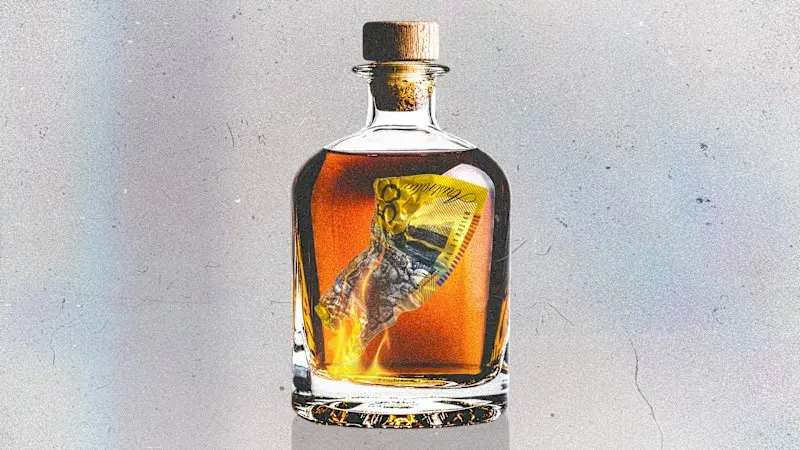
불태워진 바, '면세' 주류 및 1억 8천만 달러 허점: 캔버라 자금이 방화 동기 수사에서 정밀 조사 받음
Torched bars, ‘tax-free’ booze and the $180m loophole: Canberra cash under scrutiny in hunt for firebombing motive
Sydney Morning Herald
· 🇦🇺 Sydney, AU
Lachlan Abbott, Nick McKenzie
EN
2026-04-30 18:45
Translated
연방 및 주 경찰이 일련의 수수께끼 같은 나이트스팟 화재가 주류 산업을 촉진하기 위한 수익성 있는 세금 혜택과 연결되어 있는지 조사 중입니다.
멜버른 나이트스팟에 대한 명확한 동기 없는 일련의 공격으로 경찰이 답변을 찾기 위해 분주해졌으며, 한 가지 이론은 심야 외식 산업의 중추인 알코올을 암시하고 있습니다.
연방 및 주 경찰은 최근의 폭력 사태가 국가 차원에서 우려를 불러일으키고 있는 면세 주류 거래와 연결되어 있는지 조사하고 있습니다.
공개적으로 말할 수 없는 법 집행 관계자에 따르면, 그들은 증류 산업의 새로운 불투명한 진입자들이 공예 스피릿 제조업자를 장려하기 위한 것이지만 비평가들은 무세 주류로 시장을 왜곡하고 있다고 말하는 연간 1억 8천만 달러 규모의 세금 감면을 악용하고 있는지 여부를 고려하고 있습니다.
최근 외식업 공격과의 연결은 여전히 불확실하지만, 빅토리아 경찰의 반갱단 부서 제이슨 켈리 경감은 화요일 최근 폭력의 원인을 파악하기 위해 새로운 특별수사팀이 발표되면서 "모든 것이 테이블에 올랐다"고 말했습니다.
"우리는 조직 범죄가 이 산업에 침투했고 왜 그런 일을 하고 있는지 이해하는 데 도움이 될 수 있는 모든 것을 살펴볼 것입니다"라고 그가 말했습니다. "[세금]이 주요 요인 중 하나라면, 우리는 확실히 관련 정부에 그 조언을 제공할 것입니다."
경찰은 표적이 된 장소 중 어느 것도 돈 지불을 요구했다는 표시가 없었으며, 모든 소유자는 협조적이었고 왜 공격을 받았는지 몰랐다고 말했습니다.
빅토리아 경찰의 주류 부서 전문 요원들은 지난주 후반 주류 창고 방화도 조사할 새로운 이클립스 작전에 포함됩니다.
이 언론사는 이전에 위험한 산업용 알코올을 위스키, 보드카 및 기타 고급 스피릿에 혼합하는 암시장 주류 운영에 대한 경찰 우려에 대해 보도했습니다. 호주 세무청(ATO)은 2024년 밀주범들이 연간 7억 달러 이상의 알코올 세금을 회피한다고 추정했습니다.
최근 공격의 원인이 무엇이든, 호주 전역의 스피릿 공급 시장은 비평가들이 일부 기업에 대한 "실존적 위협"이라고 말하는 연방 정부의 세금 변경으로 인해 뒤바뀌었으며 새로운 사업자들을 위한 호황을 초래했습니다.
2021년 출범한 알코올 제조업체 환급 제도를 통해 진, 보드카 및 기타 스피릿에 대해 통상적으로 지불해야 할 세금의 처음 35만 달러를 포켓에 넣을 수 있습니다. 자동 환불은 부티크 및 장인 생산자들이 성장할 수 있도록 돕기 위한 의도였습니다.
하지만 산업 옹호자들은 세금 설정이 의도하지 않은 결과를 초래했다고 불평하고 있으며, 이제 세금 감면을 활용하고 있는 부급 증류소 산업이 급증하고 있어 납세자들에게 예상보다 훨씬 더 많은 비용을 초래하고 있습니다.
불법 담배 밀반입자들과 대조적으로, 무세 주류의 확산은 모리슨 정부가 도입했으며 노동당의 다가오는 예산에서 확대될 예정인 완벽하게 합법적인 환급 세금 감면 사용으로 부분적으로 추진되고 있습니다.
경찰의 주목을 집중시키고 있는 폭력과는 별개로, 산업 단체들은 신생 기업 네트워크가 제도를 부당하게 활용했다고 말하면서 더 엄격한 무결성 조치를 요구하고 있습니다.
소규모 주류 사업의 빠른 성장으로 인해 처음 4년간 재무부가 초기에 예측한 것보다 2억 2천 5백만 달러가 더 많은 비용이 들게 되었습니다.
업계 로비 단체 Spirits & Cocktails Australia의 이사인 스티븐 패너는 세금 감면이 또한 새로운 진입자들이 주류를 구매하고 재판매하도록 권장하고 있다고 말했습니다. 새 라벨로 환급을 청구합니다.
새로운 진입자들 중 일부는 제도가 지원하기 위한 것이었던 부티크 진, 보드카 및 위스키 제조업체처럼 보이지 않습니다.
여러 멜버른 장소에 하우스 스피릿을 제공하는 한 소규모 회사의 경우는 시스템의 하단부에서 자유로운 성격을 맛볼 수 있습니다.
회사의 일부 병 라벨은 실제로 다른 두 사업에서 생산한 자신의 브랜드 아래 주류만 배포하고 있음을 나타냅니다. 그 사업 중 하나는 회사와 관련이 없다고 말했고, 다른 하나는 논평을 거부했습니다.
법적 이유로 이름을 공개하지 않는 회사는 이 언론사에 증류소의 세금 감면이 매력적이었다고 말했습니다.
"그냥 편한 일이었어요"라고 회사의 이사가 말했으며, 회사가 멜버른 시내 창고에서 자체 스피릿을 증류했다고 주장했습니다.
시설에는 생산자 면허가 없습니다. 오히려 법적이지만 뒤뜰 사업자의 새로운 품종 중 하나임을 나타내는 것으로, 회사는 Docklands 아파트에 등록된 판매 전 라이선스를 가지고 있습니다.
반복된 질문에 대응하여 회사는 모든 필요한 허가를 가지고 있다고 주장했으며, 사업이 모두를 위한 "사이드 허슬"이라고 말했습니다.
이메일 성명에서 "우리는 ATO의 법적 틀 내에서 엄격하게 운영하며 환급 제도를 악용하지 않습니다"라고 했습니다. "우리는 실제로 이 주제에 대해 기존 증류업자들의 좌절감을 공유합니다.
"환급 제도를 악용하고 ATO가 설정한 틀을 준수하지 않는 여러 증류소를 운영하고 우리 모두에게 어렵게 만드는 많은 나쁜 행위자들이 있습니다."
기존 스피릿 제조업자들은 여전히 제도를 지지하지만, 이점이 의도하지 않은 수혜자들에게 가고 있다고 말하면서 강화할 필요가 있다고 말합니다.
처음에는 공예 스피릿 생산자가 새 근로자를 고용하고, 셀러 도어를 확장하거나 수출 시장을 탐색하는 데 도움이 되는 것으로 선전되었습니다.
"점점 더 많은 이점이 '수집가' 사업에서 청구되고 있으며, 이는 각각 환급을 청구하는 여러 소규모 증류소에서 대량으로 무세 스피릿을 구매합니다"라고 Spirits & Cocktails Australia의 예산 전 제출이 말했습니다.
"수집가는 도매업자로 운영하며, 시장(종종 외식업 장소)에 제품을 재판매하고 있으며, 환급의 이점을 소규모 증류소에서 도매업자로 이전하고 있습니다."
또 다른 산업 제출서는 2024년 의회 조회에 신생 기업이 "무세" 스피릿을 선전하는 확산이 세금 환급을 청구하는 대략 12,000개 병을 초과하는 단위당 최대 30달러의 세금을 청구받은 중급 증류소에 "실존적 위협"이라고 경고했습니다.
"기업이 35만 달러 세금 감면의 전체 환급에 접근할 수 있는 용이성은 사람들이 잘못된 이유로 산업에 진입하도록 장려하고 있습니다"라고 제출이 말했습니다.
환급에 접근하기 위해 세무청은 회사가 제조업체 면허를 보유하고 다른 여러 기준을 충족하도록 요구하지만, Patient Wolf Distilling Co.의 설립자인 Dave Irwin은 기준이 너무 낮다고 말했습니다.
"기술적으로 생산 시설을 소유할 필요가 없습니다"라고 그가 말했습니다. "요구 사항은 음료의 일정 비율이 실제 증류기를 통해 가야 하지만, 회사를 시작하고 증류기를 임차한 다음 세금 감면을 청구할 수 있습니다."
"저는 본질적으로 다른 회사를 대신해 증류하도록 접근받았고, 계약 증류업자로서 그들은 그냥 환급을 청구하고 있습니다.
"일부 사람들은 기본적으로 자신의 환급 한도를 최대화하고 이러한 제3자들을 사용하고 있습니다."
모리슨 정부가 2021/22 예산에서 양조업자 및 증류업자를 위한 세금 환급 제도를 확대했을 때, 재무부는 4년 동안 4억 1500만 달러가 소요될 것으로 추정했습니다. 하지만 최신 세금 지출 및 통찰력 성명은 대신 4년 동안 6억 4천만 달러가 소요될 것으로 밝혀졌으며, 이는 54% 증가입니다.
알바니스 정부는 7월부터 세금 환급 상한을 35만 달러에서 40만 달러로 인상하려고 움직였으며, 계획의 비용을 더욱 팽창시켰습니다.
패너는 2016년 와인 동등세 환급 때처럼 적격 기준을 개혁할 수 있다고 주장했습니다.
이는 직접 소비자 판매 또는 대중에게 공개된 증류소 도어를 요구하는 것을 포함할 수 있으므로 환급 제도 사용자는 진정한 증류소 명소였습니다.
"공예 증류업자를 지원하기 위한 세금 이점은 증류업자에게만 가져야 하며, 도매업자 및 중개인에게는 가지 않아야 합니다"라고 패너가 말했습니다.
한 소규모 증류업자는 멜버른의 현재 방화 물결에서 표적이 될 우려로 인해 익명으로 말했으며, 회사가 바 사업을 위해 저렴한 주류를 공급하는 방법으로 부분적으로 만들어졌지만 다른 곳으로도 판매했습니다.
그들은 환급 제도를 통해 처음 35만 달러의 알코올 세금을 지불하지 않는 것이 주요 인센티브였다고 말했습니다.
"확실히 큰 요소였습니다"라고 그들이 말했습니다. "아마 우리는 어쨌든 그렇게 했을 것입니다. 하지만 우리는 확실히 그렇게 빨리 성장하지 않았을 것입니다. 우리의 목표는 수백 명의 고객을 얻는 것입니다."
"나는 몇 가지 의심스러운 것들이 있다는 것을 알고 있습니다 ... 어떤 친구가 와인 바를 소유하고 있다면, 그들은 그냥 것들을 증류하고 자신에게 판매할 것입니다. 그것이 그들의 유일한 고객입니다. 그것은 기본적으로 사기입니다. 우리는 합법적인 사업을 성장시키려고 노력 중입니다. 우리는 Four Pillars에 의해 영감을 받았습니다."
재무부장관 짐 챌머스의 대변인은 세금 감면이 호주 증류업자를 지원했으며 정부가 무결성을 "매우 진지하게" 받아들였다고 말했습니다.
"ATO는 준수를 담당하고 있으며, 잘못된 일을 하는 누구든지 진압할 것을 기대합니다"라고 대변인이 말했습니다.
ATO는 일부 기업이 자신을 대신해 음료를 생산하도록 더 작은 증류소를 계약하는 배열을 검토 중이라는 성명에서 말했습니다.
또한 "한도를 곱하거나 조작하거나 인위적인 구조 또는 경제 통제를 통해 조작하려는 배열에 적극적으로 도전할" 것이라고 성명이 말했습니다.
월요일에 빅토리아 주총리 재신타 앨런은 영연방 주류 세금 제도가 최근 방화 사건의 확산에 기여할 수 있는지 질문을 받았습니다. 대응으로 그녀는 많은 전문가들이 불법 담배 산업과 관련 방화를 시작했다고 비난한 담배 세금 인상을 제기했습니다.
"우리는 최근 몇 년간 불법 담배 처리에 대한 일부 변경 사항을 통해 보았으며, 불법 담배 거래의 성장 측면에서 국가에 제기한 도전 과제를 보았습니다"라고 그녀가 말했습니다.
연방 및 주 경찰은 최근의 폭력 사태가 국가 차원에서 우려를 불러일으키고 있는 면세 주류 거래와 연결되어 있는지 조사하고 있습니다.
공개적으로 말할 수 없는 법 집행 관계자에 따르면, 그들은 증류 산업의 새로운 불투명한 진입자들이 공예 스피릿 제조업자를 장려하기 위한 것이지만 비평가들은 무세 주류로 시장을 왜곡하고 있다고 말하는 연간 1억 8천만 달러 규모의 세금 감면을 악용하고 있는지 여부를 고려하고 있습니다.
최근 외식업 공격과의 연결은 여전히 불확실하지만, 빅토리아 경찰의 반갱단 부서 제이슨 켈리 경감은 화요일 최근 폭력의 원인을 파악하기 위해 새로운 특별수사팀이 발표되면서 "모든 것이 테이블에 올랐다"고 말했습니다.
"우리는 조직 범죄가 이 산업에 침투했고 왜 그런 일을 하고 있는지 이해하는 데 도움이 될 수 있는 모든 것을 살펴볼 것입니다"라고 그가 말했습니다. "[세금]이 주요 요인 중 하나라면, 우리는 확실히 관련 정부에 그 조언을 제공할 것입니다."
경찰은 표적이 된 장소 중 어느 것도 돈 지불을 요구했다는 표시가 없었으며, 모든 소유자는 협조적이었고 왜 공격을 받았는지 몰랐다고 말했습니다.
빅토리아 경찰의 주류 부서 전문 요원들은 지난주 후반 주류 창고 방화도 조사할 새로운 이클립스 작전에 포함됩니다.
이 언론사는 이전에 위험한 산업용 알코올을 위스키, 보드카 및 기타 고급 스피릿에 혼합하는 암시장 주류 운영에 대한 경찰 우려에 대해 보도했습니다. 호주 세무청(ATO)은 2024년 밀주범들이 연간 7억 달러 이상의 알코올 세금을 회피한다고 추정했습니다.
최근 공격의 원인이 무엇이든, 호주 전역의 스피릿 공급 시장은 비평가들이 일부 기업에 대한 "실존적 위협"이라고 말하는 연방 정부의 세금 변경으로 인해 뒤바뀌었으며 새로운 사업자들을 위한 호황을 초래했습니다.
2021년 출범한 알코올 제조업체 환급 제도를 통해 진, 보드카 및 기타 스피릿에 대해 통상적으로 지불해야 할 세금의 처음 35만 달러를 포켓에 넣을 수 있습니다. 자동 환불은 부티크 및 장인 생산자들이 성장할 수 있도록 돕기 위한 의도였습니다.
하지만 산업 옹호자들은 세금 설정이 의도하지 않은 결과를 초래했다고 불평하고 있으며, 이제 세금 감면을 활용하고 있는 부급 증류소 산업이 급증하고 있어 납세자들에게 예상보다 훨씬 더 많은 비용을 초래하고 있습니다.
불법 담배 밀반입자들과 대조적으로, 무세 주류의 확산은 모리슨 정부가 도입했으며 노동당의 다가오는 예산에서 확대될 예정인 완벽하게 합법적인 환급 세금 감면 사용으로 부분적으로 추진되고 있습니다.
경찰의 주목을 집중시키고 있는 폭력과는 별개로, 산업 단체들은 신생 기업 네트워크가 제도를 부당하게 활용했다고 말하면서 더 엄격한 무결성 조치를 요구하고 있습니다.
소규모 주류 사업의 빠른 성장으로 인해 처음 4년간 재무부가 초기에 예측한 것보다 2억 2천 5백만 달러가 더 많은 비용이 들게 되었습니다.
업계 로비 단체 Spirits & Cocktails Australia의 이사인 스티븐 패너는 세금 감면이 또한 새로운 진입자들이 주류를 구매하고 재판매하도록 권장하고 있다고 말했습니다. 새 라벨로 환급을 청구합니다.
새로운 진입자들 중 일부는 제도가 지원하기 위한 것이었던 부티크 진, 보드카 및 위스키 제조업체처럼 보이지 않습니다.
여러 멜버른 장소에 하우스 스피릿을 제공하는 한 소규모 회사의 경우는 시스템의 하단부에서 자유로운 성격을 맛볼 수 있습니다.
회사의 일부 병 라벨은 실제로 다른 두 사업에서 생산한 자신의 브랜드 아래 주류만 배포하고 있음을 나타냅니다. 그 사업 중 하나는 회사와 관련이 없다고 말했고, 다른 하나는 논평을 거부했습니다.
법적 이유로 이름을 공개하지 않는 회사는 이 언론사에 증류소의 세금 감면이 매력적이었다고 말했습니다.
"그냥 편한 일이었어요"라고 회사의 이사가 말했으며, 회사가 멜버른 시내 창고에서 자체 스피릿을 증류했다고 주장했습니다.
시설에는 생산자 면허가 없습니다. 오히려 법적이지만 뒤뜰 사업자의 새로운 품종 중 하나임을 나타내는 것으로, 회사는 Docklands 아파트에 등록된 판매 전 라이선스를 가지고 있습니다.
반복된 질문에 대응하여 회사는 모든 필요한 허가를 가지고 있다고 주장했으며, 사업이 모두를 위한 "사이드 허슬"이라고 말했습니다.
이메일 성명에서 "우리는 ATO의 법적 틀 내에서 엄격하게 운영하며 환급 제도를 악용하지 않습니다"라고 했습니다. "우리는 실제로 이 주제에 대해 기존 증류업자들의 좌절감을 공유합니다.
"환급 제도를 악용하고 ATO가 설정한 틀을 준수하지 않는 여러 증류소를 운영하고 우리 모두에게 어렵게 만드는 많은 나쁜 행위자들이 있습니다."
기존 스피릿 제조업자들은 여전히 제도를 지지하지만, 이점이 의도하지 않은 수혜자들에게 가고 있다고 말하면서 강화할 필요가 있다고 말합니다.
처음에는 공예 스피릿 생산자가 새 근로자를 고용하고, 셀러 도어를 확장하거나 수출 시장을 탐색하는 데 도움이 되는 것으로 선전되었습니다.
"점점 더 많은 이점이 '수집가' 사업에서 청구되고 있으며, 이는 각각 환급을 청구하는 여러 소규모 증류소에서 대량으로 무세 스피릿을 구매합니다"라고 Spirits & Cocktails Australia의 예산 전 제출이 말했습니다.
"수집가는 도매업자로 운영하며, 시장(종종 외식업 장소)에 제품을 재판매하고 있으며, 환급의 이점을 소규모 증류소에서 도매업자로 이전하고 있습니다."
또 다른 산업 제출서는 2024년 의회 조회에 신생 기업이 "무세" 스피릿을 선전하는 확산이 세금 환급을 청구하는 대략 12,000개 병을 초과하는 단위당 최대 30달러의 세금을 청구받은 중급 증류소에 "실존적 위협"이라고 경고했습니다.
"기업이 35만 달러 세금 감면의 전체 환급에 접근할 수 있는 용이성은 사람들이 잘못된 이유로 산업에 진입하도록 장려하고 있습니다"라고 제출이 말했습니다.
환급에 접근하기 위해 세무청은 회사가 제조업체 면허를 보유하고 다른 여러 기준을 충족하도록 요구하지만, Patient Wolf Distilling Co.의 설립자인 Dave Irwin은 기준이 너무 낮다고 말했습니다.
"기술적으로 생산 시설을 소유할 필요가 없습니다"라고 그가 말했습니다. "요구 사항은 음료의 일정 비율이 실제 증류기를 통해 가야 하지만, 회사를 시작하고 증류기를 임차한 다음 세금 감면을 청구할 수 있습니다."
"저는 본질적으로 다른 회사를 대신해 증류하도록 접근받았고, 계약 증류업자로서 그들은 그냥 환급을 청구하고 있습니다.
"일부 사람들은 기본적으로 자신의 환급 한도를 최대화하고 이러한 제3자들을 사용하고 있습니다."
모리슨 정부가 2021/22 예산에서 양조업자 및 증류업자를 위한 세금 환급 제도를 확대했을 때, 재무부는 4년 동안 4억 1500만 달러가 소요될 것으로 추정했습니다. 하지만 최신 세금 지출 및 통찰력 성명은 대신 4년 동안 6억 4천만 달러가 소요될 것으로 밝혀졌으며, 이는 54% 증가입니다.
알바니스 정부는 7월부터 세금 환급 상한을 35만 달러에서 40만 달러로 인상하려고 움직였으며, 계획의 비용을 더욱 팽창시켰습니다.
패너는 2016년 와인 동등세 환급 때처럼 적격 기준을 개혁할 수 있다고 주장했습니다.
이는 직접 소비자 판매 또는 대중에게 공개된 증류소 도어를 요구하는 것을 포함할 수 있으므로 환급 제도 사용자는 진정한 증류소 명소였습니다.
"공예 증류업자를 지원하기 위한 세금 이점은 증류업자에게만 가져야 하며, 도매업자 및 중개인에게는 가지 않아야 합니다"라고 패너가 말했습니다.
한 소규모 증류업자는 멜버른의 현재 방화 물결에서 표적이 될 우려로 인해 익명으로 말했으며, 회사가 바 사업을 위해 저렴한 주류를 공급하는 방법으로 부분적으로 만들어졌지만 다른 곳으로도 판매했습니다.
그들은 환급 제도를 통해 처음 35만 달러의 알코올 세금을 지불하지 않는 것이 주요 인센티브였다고 말했습니다.
"확실히 큰 요소였습니다"라고 그들이 말했습니다. "아마 우리는 어쨌든 그렇게 했을 것입니다. 하지만 우리는 확실히 그렇게 빨리 성장하지 않았을 것입니다. 우리의 목표는 수백 명의 고객을 얻는 것입니다."
"나는 몇 가지 의심스러운 것들이 있다는 것을 알고 있습니다 ... 어떤 친구가 와인 바를 소유하고 있다면, 그들은 그냥 것들을 증류하고 자신에게 판매할 것입니다. 그것이 그들의 유일한 고객입니다. 그것은 기본적으로 사기입니다. 우리는 합법적인 사업을 성장시키려고 노력 중입니다. 우리는 Four Pillars에 의해 영감을 받았습니다."
재무부장관 짐 챌머스의 대변인은 세금 감면이 호주 증류업자를 지원했으며 정부가 무결성을 "매우 진지하게" 받아들였다고 말했습니다.
"ATO는 준수를 담당하고 있으며, 잘못된 일을 하는 누구든지 진압할 것을 기대합니다"라고 대변인이 말했습니다.
ATO는 일부 기업이 자신을 대신해 음료를 생산하도록 더 작은 증류소를 계약하는 배열을 검토 중이라는 성명에서 말했습니다.
또한 "한도를 곱하거나 조작하거나 인위적인 구조 또는 경제 통제를 통해 조작하려는 배열에 적극적으로 도전할" 것이라고 성명이 말했습니다.
월요일에 빅토리아 주총리 재신타 앨런은 영연방 주류 세금 제도가 최근 방화 사건의 확산에 기여할 수 있는지 질문을 받았습니다. 대응으로 그녀는 많은 전문가들이 불법 담배 산업과 관련 방화를 시작했다고 비난한 담배 세금 인상을 제기했습니다.
"우리는 최근 몇 년간 불법 담배 처리에 대한 일부 변경 사항을 통해 보았으며, 불법 담배 거래의 성장 측면에서 국가에 제기한 도전 과제를 보았습니다"라고 그녀가 말했습니다.
처리 완료
7,958 tokens · $0.0232
기사 수집 완료 · 18:50
매체 피드에서 기사 메타데이터 수집
헤드라인 번역 완료 · 19:06
제목/요약 한국어 번역 (fetch 시점 inline)
claude-haiku-4-5-20251001
285 tokens
$0.00075
2.5s
본문 추출 완료
9,954자 추출 완료
본문 한국어 번역 완료 · 19:06
4,821자 번역 완료
claude-haiku-4-5-20251001
7,673 tokens
$0.02240
53.3s
지정학적 엔티티 추출 완료 · 19:06
5개 엔티티 추출 완료
지정학적 맥락 & R-Scanner
R-Scanner · 핫스팟
z=2.58
평소보다 훨씬 많은 매체가 집중 보도 중 — 기준: Australia
(🇦🇺 AU)
최근 6시간 31건
7일 평균 19.36건 / 6h
5개국 매체
5개 매체
본문에서 추출된 지명 (5)
위치 지도
지도 로딩 중…
같은 주제의 다른 기사 (최근 7일)
Federal and state police are investigating whether a string of mysterious nightspot fires is linked to a lucrative tax perk supposed to boost the distilling industry.
You have reached your maximum number of saved items.Remove items from your saved list to add more.
A frenzy of attacks on Melbourne nightspots with no clear motive has left police scrambling for answers, and one theory being considered implicates the backbone of late-night hospitality: alcohol.
Federal and state police are investigating whether the recent spate of violence is linked to the trade in tax-free booze which is causing concern at a national level.
Specifically, according to law enforcement sources unable to speak publicly, they are considering whether some new opaque entrants to the distilling industry are exploiting a $180 million-a-year tax break meant to encourage craft spirit makers but which critics say is distorting the market with excise-free liquor.
While the link to recent hospitality attacks is still uncertain, Detective Superintendent Jason Kelly, of Victoria Police’s anti-gangs division, said “everything is on the table” as a new taskforce was announced on Tuesday to figure out the cause of recent violence.
“We will look at anything that may assist us to understand if organised crime have infiltrated this industry and why they’re doing this,” he said. “If [tax] is one of the drivers, then we’ll certainly provide that advice back to the relevant governments.”
Police have said none of the targeted venues have indicated a demand for money has been made, and all owners were co-operative and did not know why they had been attacked.
Specialist officers from Victoria Police’s liquor unit are included in the new Operation Eclipse, which will also investigate the torching of a liquor warehouse late last week.
This masthead has reported previously on police concerns about black-market liquor operations that blend dangerous industrial alcohol into whisky, vodka and other top-shelf spirits. The Australian Taxation Office (ATO) estimated in 2024 that the bootleggers avoid more than $700 million in alcohol excise a year.
Whatever factors are behind the recent attacks, the market for the supply of spirits across Australia has been upended by federal government tax changes that critics say pose an “existential threat” to some businesses while leading to a boom for new players.
The alcohol manufacturers’ remission scheme launched in 2021 enables spirit makers to pocket the first $350,000 in excise they would normally pay on gin, vodka and other spirits. The automatic refund was intended to help boutique and artisan producers grow.
But industry advocates complain the tax settings have had unintended consequences as established operators are undercut by a burgeoning industry of tiny distilleries, now under scrutiny for feeding on a tax break that is costing taxpayers tens of millions of dollars more than expected.
In contrast to those smuggling illicit tobacco, the spread of excise-free liquor has been partly powered by the perfectly lawful use of the remission tax break – introduced by the Morrison government and set to be expanded in Labor’s upcoming budget.
Quite apart from the violence that is now focusing police attention, industry groups are calling for tighter integrity measures as they say networks of start-ups have unfairly taken advantage of the scheme.
The rapid growth of small alcohol businesses has now caused it to cost $225 million more in its first four years than Treasury initially predicted.
Steven Fanner, director of industry lobby group Spirits & Cocktails Australia, said the tax break was also encouraging new entrants to buy and resell booze – with a fresh label – to claim the remission.
Some of the new entrants look very little like the boutique gin, vodka and whisky makers the scheme was intended to support.
The case of one small company – providing a house spirit in several Melbourne venues – gives a taste for the freewheeling nature of the bottom end of the system.
The labels on some of the company’s bottles say it is, in fact, only distributing booze under its brand that is produced by two other businesses. One of those businesses said it had no association with the company; the other wouldn’t comment.
The company, which this masthead is not naming for legal reasons, told this masthead the tax break for distillers was an attraction.
“It’s just been a cruisy sort of thing,” its director said, insisting the company distilled its own spirits in an inner-Melbourne warehouse.
The facility does not have a producer’s licence. Rather, in an indicator it is one of a new breed of legal but backyard players, the company has a pre-retail licence registered to a Docklands apartment.
In response to repeated questions, the company insisted it had all necessary permits, saying the business was a “side hustle for everyone”.
“We operate strictly within the ATO’s legal framework and do not exploit the remission scheme,” an emailed statement said. “We actually share the frustration of established distillers on this topic.
“There are many bad actors who abuse the scheme by running multiple distilleries that do not abide by the framework set out by the ATO and make it difficult for all of us.”
Established spirit makers still support the scheme, but say it needs tightening as the benefits are going to unintended recipients.
It was initially spruiked as helping craft spirit producers employ new workers, expand cellar doors or explore export markets.
“Increasingly, the benefit is being claimed by ‘aggregator’ businesses which purchase excise-free spirits in bulk from multiple small distillers each claiming the remission,” Spirits & Cocktails Australia’s pre-budget submission said.
“The aggregator then operates as a wholesaler, on-selling the product to the market (often hospitality venues) at heavily discounted prices, thus transferring the benefit of the remission from the small distilleries to the wholesaler.”
Another industry submission to a 2024 parliamentary inquiry warned the spread of start-ups spruiking “excise-free” spirits was an “existential threat” to mid-tier distillers that were slugged up to $30 in excise for every unit above the roughly 12,000 bottles that qualified for tax remission.
“The ease with which businesses are able to access the full remission of $350,000 in tax is incentivising people to enter the industry for the wrong reasons,” the submission said.
To access the remission, the tax office requires companies to hold a manufacturer licence and meet several other criteria, but Patient Wolf Distilling Co. founder Dave Irwin said the bar was too low.
“You don’t technically need to own a production facility,” he said. “The requirements are that a certain percentage [of a beverage] needs to be going through an actual still, but you can start a company and then rent a still and then claim excise [remission].”
“I’ve been approached to essentially distil on behalf of other companies, as a contract distiller, then they’re just claiming the remission on it.
“Some people are basically maxing out their remission cap and using these third parties.”
When the Morrison government expanded the excise refund scheme for brewers and distillers in the 2021/22 budget, Treasury estimated it would cost $415 million over four years. But the latest tax expenditure and insights statement revealed it would cost $640 million over four years instead – a 54 per cent increase.
The Albanese government has moved to increase the excise remission cap to $400,000 per financial year from July, blowing out the scheme’s cost further.
Fanner argued eligibility criteria could be reformed, as they were for the Wine Equalisation Tax rebate in 2016.
This could include requiring direct-to-consumer sales, or a distillery door open to the public, so remission scheme users were genuine distillery attractions.
“The tax benefit to support craft distillers should be going to distillers only, not to wholesalers and middlemen,” Fanner said.
One small distiller, speaking anonymously due to fear of being targeted in Melbourne’s current arson wave, said their company was created partly as a way to source cheaper alcohol for their bar business, but also sold to others.
They said not paying the first $350,000 in alcohol excise via the remission scheme was a key incentive.
“It was definitely a big factor,” they said. “We probably would have done it anyway. However, we definitely wouldn’t have grown as fast. Our goal is to get hundreds of customers.”
“I know there are a few dodgy ones … Some bloke owns a wine bar, then [they will] distil stuff and just sell it to themselves, and that’s their only customer. That’s basically a scam. We’re trying to grow a legitimate business. We’re kind of inspired by Four Pillars.”
A spokesperson for Treasurer Jim Chalmers said the tax break supported Australian distillers and the government took integrity “very seriously”.
“The ATO is responsible for compliance, and we expect them to crack down on anyone who is doing the wrong thing,” the spokesperson said.
The ATO said in a statement it was reviewing arrangements that saw some businesses contracting smaller distillers to produce beverages on their behalf.
It would also “actively challenge arrangements that seek to multiply or manipulate the cap through artificial structures or economic control”, the statement said.
On Monday, Victorian Premier Jacinta Allan was asked whether the Commonwealth alcohol tax regime could be contributing to the recent spate of arson. In response, she brought up tobacco excise increases that many experts have blamed for kick-starting the illicit cigarette industry and its associated firebombings.
“We have seen through some changes in recent years in the treatment of illegal tobacco, some of the challenges that has brought to the states in terms of the enforcement of what has been a growth in the illegal tobacco trade,” she said.
Start the day with a summary of the day’s most important and interesting stories, analysis and insights.