큰 충격의 시대에 호주인들은 더 큰 답변을 원하고 있다
In a time of big shocks, Australians want bigger answers
Sydney Morning Herald
· 🇦🇺 Sydney, AU
Rebecca Huntley
EN
2026-04-30 18:30
Translated
우리의 연구에 따르면 사람들은 실용적이며, 특히 에너지 선택에 대해 현실적이다. 정치인들이 뒤쳐지고 있다.
당신은 저장된 항목의 최대 개수에 도달했습니다.
더 많은 항목을 추가하려면 저장된 목록에서 항목을 제거하십시오.
호주는 경제적, 지정학적, 사회적, 환경적, 기술적 충격의 연속 같은 상황을 겪고 있다. 즉, 다중 위기 상황이다.
그런데도 매일 뉴스를 살펴보면서 우리의 정책과 정치적 대응이 이상하게 작다고 느낀다 – 마치 이미 닥친 충격의 심각성이나 다가올 충격에 대해 아직 따라잡지 못한 것처럼 보인다. 사람들은 수십 년간의 부적절한 개혁 접근으로 인한 결과인 많은 문제들이 구조적이기 때문에 더 담대한 대응이 필요하다는 것을 깨닫고 있다.
공중의 감정과 정치적 대응 사이의 불일치가 가장 명확한 곳은 에너지 정책이다. 최근의 국제적 긴장은 호주인들이 이미 이해하고 있는 바를 강화했다: 국제 충격에 대한 우리의 노출은 우리를 취약하게 만든다. 가격 급등이 완화될 수 있지만, 근본적인 취약성은 그렇지 않다. 점점 더 에너지는 환경 문제일 뿐만 아니라 국가 경제 안보와 회복력의 문제로 간주되고 있다.
이란 전쟁이 시작되기 전에 89 Degrees East에서 2월에 실시한 연구는 혼란스럽거나 갈등하지 않고 실용적이며 점점 더 결정적인 호주 국민을 드러낸다.
가스 논쟁이 좋은 사례다. 3755명의 응답자 중 7명이 가스 가격을 낮추는 방법에 대해 물었을 때, 답은 해외로 수출되는 가스의 양을 제한하여 호주 가정과 기업을 위해 더 많이 남기는 것이었고, 새로운 가스 채굴 지역을 개설하는 것이 아니었다.
대부분의 호주인들에게 이것은 모순이 아니다. 그것은 순서 문제이다: 지금 수출 횡령을 중단하고 우리를 가스에 덜 의존하게 만드는 전환을 가속화한다.
호주인들은 이미 자신의 마음을 정했다. 문제는 정치인들이 이를 따를 준비가 되어 있는가 하는 것이다.
사람들은 또한 책임이 어디에 있는지 분명히 한다. 더 많은 사람들이 에너지 비용 상승을 설명할 때 다른 어떤 단일 요인보다도 에너지 회사의 이윤 추구를 지적한다.
그들은 변화를 기다리고 있지 않다. 3분의 2는 지난 6개월 동안 일상적인 행동 변화에서 가정의 에너지 효율 개선에 이르기까지 어떤 형태의 조치를 취했다고 보고한다. 이러한 변화는 이데올로기가 아니라 실용주의에 의해 주도된다.
우리 정치인들이 이해해야 할 점은 호주인들이 에너지 전환이 경제적 안녕에 위협이 아니라 해결책의 일부라는 전제에 따라 믿고 행동한다는 것이다. 이것은 정치적으로 중요하다. 이것은 오래된 이분법 – 경제 대 환경, 저렴성 대 행동 – 이 그 영향력을 잃어가고 있음을 신호한다.
폴린 핸슨도 가정용 태양광 리베이트를 받았다. 내셔널 파티 지도자 매트 카나반도 마찬가지다.
재생 에너지로의 전환에 대한 지지는 74%까지 올랐다. 거의 4분의 3의 호주인들이 재생 에너지 솔루션을 전력 요금을 낮추는 가장 빠른 방법으로 식별하며, 이는 대규모 프로젝트, 가정 지원 및 배터리 저장소에 걸쳐 있다. 특히 25세에서 44세 사이의 연령대는 구조적 변화를 가장 지지하는 집단이다. 그들은 청정 에너지로의 전환을 지지할 가능성이 더 높으며, 대다수는 호주가 재생 에너지와 저장소로의 이동을 계속해야 한다고 말한다.
이 연구가 3월에 호르무즈 해협이 폐쇄되고 디젤을 사용하는 가정이 자동차 연료로 리터당 3달러 이상을 지불하고 있는 후에 수행되었다면 어떨까?
이러한 추세는 정치 지도자들, 특히 지속 가능한 선거 연합을 구축하려는 지도자들에게 빨간 깃발이자 초록 불빛으로 보아야 한다. 이러한 유권자들은 변두리에 있지 않다; 그들은 호주의 경제 및 사회 생활의 중심에 있다. 그리고 그들의 기대는 급진적이지 않다. 그들은 자신이 직면한 도전의 규모와 일치하는 정책을 요구하고 있다.
이 호주인들은 대규모 개혁이 종종 어렵고 혼란스럽다는 것을 안다. 하지만 그들은 트레이드오프에 대한 정직함, 방향에 대한 야심, 전략의 일관성을 기대한다. 무엇보다도, 그들은 자신의 지도자들이 자신의 문제의 현실과 격투하고 있다고 느끼고 싶어 한다. 단편적인 응급 처치로 물러나는 것이 아니라.
정치 지도자들의 위험은 점진주의가 당면한 문제를 해결하지 못할 뿐만 아니라 공중의 좌절을 심화시키고 신뢰를 더욱 약화시킬 것이라는 점이다. 사람들이 자신의 삶의 현실이 정치적 대응의 규모와 맞지 않다고 느낄 때, 무관심이 뒤따르거나 더 나쁜 경우, 원 네이션과 같은 더 극단적인 정치적 선택으로의 전환이 뒤따른다.
호주는 개혁과 관련하여 기회와 위기 모두를 낭비해 온 국가다. 공중은 본능적으로 이것을 이해한다. 그리고 점점 더 많은 사람들이 간단한 질문을 하고 있다: 지금이 아니면 언제인가? 그들은 우리의 에너지 공급의 불안정성에 대해 환상을 갖지 않는다. 그들은 또 다른 연쇄적 연료 위기를 기다리고 싶지 않다.
레베카 헌틀리 박사는 사회 추세에 대한 호주의 주요 연구자 중 한 명이며 호주 연구 학회의 펠로우다. 그는 89 Degrees East의 연구 이사다.
당신의 견해에 도전하고, 지지하고, 정보를 제공할 주간 요약을 받으세요.
당신은 저장된 항목의 최대 개수에 도달했습니다.
더 많은 항목을 추가하려면 저장된 목록에서 항목을 제거하십시오.
더 많은 항목을 추가하려면 저장된 목록에서 항목을 제거하십시오.
호주는 경제적, 지정학적, 사회적, 환경적, 기술적 충격의 연속 같은 상황을 겪고 있다. 즉, 다중 위기 상황이다.
그런데도 매일 뉴스를 살펴보면서 우리의 정책과 정치적 대응이 이상하게 작다고 느낀다 – 마치 이미 닥친 충격의 심각성이나 다가올 충격에 대해 아직 따라잡지 못한 것처럼 보인다. 사람들은 수십 년간의 부적절한 개혁 접근으로 인한 결과인 많은 문제들이 구조적이기 때문에 더 담대한 대응이 필요하다는 것을 깨닫고 있다.
공중의 감정과 정치적 대응 사이의 불일치가 가장 명확한 곳은 에너지 정책이다. 최근의 국제적 긴장은 호주인들이 이미 이해하고 있는 바를 강화했다: 국제 충격에 대한 우리의 노출은 우리를 취약하게 만든다. 가격 급등이 완화될 수 있지만, 근본적인 취약성은 그렇지 않다. 점점 더 에너지는 환경 문제일 뿐만 아니라 국가 경제 안보와 회복력의 문제로 간주되고 있다.
이란 전쟁이 시작되기 전에 89 Degrees East에서 2월에 실시한 연구는 혼란스럽거나 갈등하지 않고 실용적이며 점점 더 결정적인 호주 국민을 드러낸다.
가스 논쟁이 좋은 사례다. 3755명의 응답자 중 7명이 가스 가격을 낮추는 방법에 대해 물었을 때, 답은 해외로 수출되는 가스의 양을 제한하여 호주 가정과 기업을 위해 더 많이 남기는 것이었고, 새로운 가스 채굴 지역을 개설하는 것이 아니었다.
대부분의 호주인들에게 이것은 모순이 아니다. 그것은 순서 문제이다: 지금 수출 횡령을 중단하고 우리를 가스에 덜 의존하게 만드는 전환을 가속화한다.
호주인들은 이미 자신의 마음을 정했다. 문제는 정치인들이 이를 따를 준비가 되어 있는가 하는 것이다.
사람들은 또한 책임이 어디에 있는지 분명히 한다. 더 많은 사람들이 에너지 비용 상승을 설명할 때 다른 어떤 단일 요인보다도 에너지 회사의 이윤 추구를 지적한다.
그들은 변화를 기다리고 있지 않다. 3분의 2는 지난 6개월 동안 일상적인 행동 변화에서 가정의 에너지 효율 개선에 이르기까지 어떤 형태의 조치를 취했다고 보고한다. 이러한 변화는 이데올로기가 아니라 실용주의에 의해 주도된다.
우리 정치인들이 이해해야 할 점은 호주인들이 에너지 전환이 경제적 안녕에 위협이 아니라 해결책의 일부라는 전제에 따라 믿고 행동한다는 것이다. 이것은 정치적으로 중요하다. 이것은 오래된 이분법 – 경제 대 환경, 저렴성 대 행동 – 이 그 영향력을 잃어가고 있음을 신호한다.
폴린 핸슨도 가정용 태양광 리베이트를 받았다. 내셔널 파티 지도자 매트 카나반도 마찬가지다.
재생 에너지로의 전환에 대한 지지는 74%까지 올랐다. 거의 4분의 3의 호주인들이 재생 에너지 솔루션을 전력 요금을 낮추는 가장 빠른 방법으로 식별하며, 이는 대규모 프로젝트, 가정 지원 및 배터리 저장소에 걸쳐 있다. 특히 25세에서 44세 사이의 연령대는 구조적 변화를 가장 지지하는 집단이다. 그들은 청정 에너지로의 전환을 지지할 가능성이 더 높으며, 대다수는 호주가 재생 에너지와 저장소로의 이동을 계속해야 한다고 말한다.
이 연구가 3월에 호르무즈 해협이 폐쇄되고 디젤을 사용하는 가정이 자동차 연료로 리터당 3달러 이상을 지불하고 있는 후에 수행되었다면 어떨까?
이러한 추세는 정치 지도자들, 특히 지속 가능한 선거 연합을 구축하려는 지도자들에게 빨간 깃발이자 초록 불빛으로 보아야 한다. 이러한 유권자들은 변두리에 있지 않다; 그들은 호주의 경제 및 사회 생활의 중심에 있다. 그리고 그들의 기대는 급진적이지 않다. 그들은 자신이 직면한 도전의 규모와 일치하는 정책을 요구하고 있다.
이 호주인들은 대규모 개혁이 종종 어렵고 혼란스럽다는 것을 안다. 하지만 그들은 트레이드오프에 대한 정직함, 방향에 대한 야심, 전략의 일관성을 기대한다. 무엇보다도, 그들은 자신의 지도자들이 자신의 문제의 현실과 격투하고 있다고 느끼고 싶어 한다. 단편적인 응급 처치로 물러나는 것이 아니라.
정치 지도자들의 위험은 점진주의가 당면한 문제를 해결하지 못할 뿐만 아니라 공중의 좌절을 심화시키고 신뢰를 더욱 약화시킬 것이라는 점이다. 사람들이 자신의 삶의 현실이 정치적 대응의 규모와 맞지 않다고 느낄 때, 무관심이 뒤따르거나 더 나쁜 경우, 원 네이션과 같은 더 극단적인 정치적 선택으로의 전환이 뒤따른다.
호주는 개혁과 관련하여 기회와 위기 모두를 낭비해 온 국가다. 공중은 본능적으로 이것을 이해한다. 그리고 점점 더 많은 사람들이 간단한 질문을 하고 있다: 지금이 아니면 언제인가? 그들은 우리의 에너지 공급의 불안정성에 대해 환상을 갖지 않는다. 그들은 또 다른 연쇄적 연료 위기를 기다리고 싶지 않다.
레베카 헌틀리 박사는 사회 추세에 대한 호주의 주요 연구자 중 한 명이며 호주 연구 학회의 펠로우다. 그는 89 Degrees East의 연구 이사다.
당신의 견해에 도전하고, 지지하고, 정보를 제공할 주간 요약을 받으세요.
당신은 저장된 항목의 최대 개수에 도달했습니다.
더 많은 항목을 추가하려면 저장된 목록에서 항목을 제거하십시오.
처리 완료
4,457 tokens · $0.0128
기사 수집 완료 · 18:50
매체 피드에서 기사 메타데이터 수집
헤드라인 번역 완료 · 19:05
제목/요약 한국어 번역 (fetch 시점 inline)
claude-haiku-4-5-20251001
200 tokens
$0.00052
1.4s
본문 추출 완료
5,103자 추출 완료
본문 한국어 번역 완료 · 19:05
2,521자 번역 완료
claude-haiku-4-5-20251001
4,257 tokens
$0.01229
26.0s
지정학적 엔티티 추출 완료 · 19:05
3개 엔티티 추출 완료
지정학적 맥락 & R-Scanner
R-Scanner · 핫스팟
z=2.58
평소보다 훨씬 많은 매체가 집중 보도 중 — 기준: Australia
(🇦🇺 AU)
최근 6시간 31건
7일 평균 19.36건 / 6h
5개국 매체
5개 매체
본문에서 추출된 지명 (3)
위치 지도
지도 로딩 중…
같은 주제의 다른 기사 (최근 7일)
Our research has found that people are pragmatic, especially about their energy choices. Politicians are the ones lagging.
You have reached your maximum number of saved items.Remove items from your saved list to add more.
Australia is living through what feels like a rolling series of shocks – economic, geopolitical, social, environmental and technological. In other words, a polycrisis.
And yet, as I scan the news each day, I feel that much of our policy and political response feels oddly small – as if we haven’t caught up to the enormity of the shocks that are already here, or those that are incoming. People realise that the whirlwind of problems requires a bolder response, given so many of them are structural and the result of decades of inadequate approaches to reform.
Nowhere is the dissonance between public sentiment and political response clearer than in energy policy. Recent global tensions have reinforced something Australians already understand: our exposure to international shocks leaves us vulnerable. While price spikes may ease, the underlying vulnerability does not. Increasingly, energy is seen not just as an environmental challenge, but as one of national economic security and resilience.
Even before the Iran war began, research conducted in February by 89 Degrees East throws light on an Australian public that is not confused or conflicted, but pragmatic and increasingly decisive.
The gas debate is a case in point. When asked how to bring down gas prices, seven in 10 of 3755 respondents said the answer was to limit how much gas was exported overseas so that more stayed for Australian households and businesses – and not to open new gas fields.
For most Australians, this is not a contradiction. It is a sequencing question: stop the export rip-off now, and accelerate the transition that makes us less dependent on gas.
Australians have already made up their mind. The question is whether politicians are prepared to follow.
People are also clear about where responsibility lies. More point to profit-seeking by energy companies than to any other single factor when explaining rising energy costs.
They are not waiting passively for change. Two-thirds report taking some form of action in the past six months, from changing everyday behaviour to improving the energy efficiency of their homes. This shift is driven by pragmatism – not ideology.
What our politicians need to understand is that Australians believe and act on the premise that the energy transition is not a threat to their economic wellbeing. It is part of the solution. This matters politically. It signals that the old binaries – economy versus environment, affordability versus action – are losing their grip.
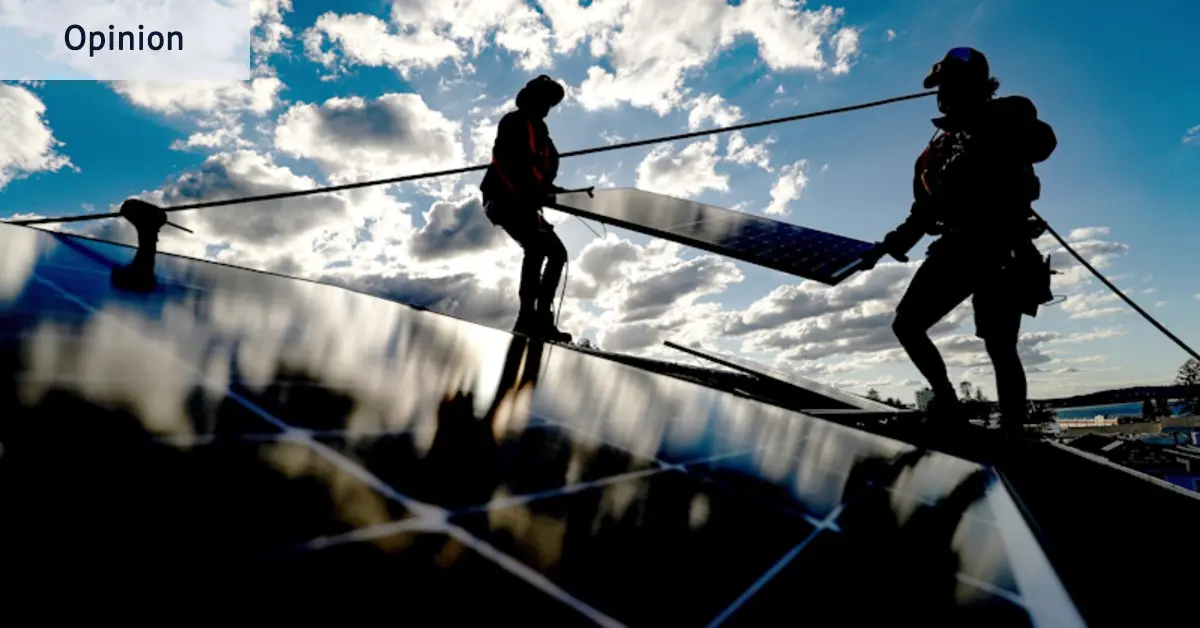
Even Pauline Hanson has received the home solar rebate. So, too, has Nationals leader Matt Canavan.
Support for the shift to renewables has risen to 74 per cent. Almost three-quarters of Australians identify renewable energy solutions as the fastest way to reduce power bills, spanning large-scale projects, household support and battery storage. Those aged 25 to 44, in particular, are among the most supportive of structural change. They are more likely to back the shift to cleaner energy, and a majority says Australia should get on with the job of moving to renewables and storage.
Imagine if this research was conducted after the Strait of Hormuz closed in March and households using diesel were paying over $3 a litre for their car?
These trends should be seen as both a red flag and a green light to political leaders, particularly those seeking to build durable electoral coalitions. These voters are not on the fringes; they are at the centre of Australia’s economic and social life. And their expectations are not radical. They are asking for policies that match the scale of the challenges they face.
These Australians know that large-scale reform is often difficult and messy. But they do expect honesty about trade-offs, ambition in direction and coherence in strategy. Above all, they want to feel that their leaders are grappling with the reality of their problems, not retreating into piecemeal Band-Aid fixes.
The risk for political leaders is not just that incrementalism will fail to solve the problems at hand, but that it will deepen public frustration and erode trust further. When people feel that their lived reality is not being matched by the scale of political response, disengagement follows – or worse, a turn towards more extreme political options such as One Nation.
Australia is a country that has wasted both opportunities and crises when it comes to reform. The public understands this instinctively. And increasingly people are asking a simple question: if not now, when? They have no illusion about the precarity of our energy supply. They don’t want to wait for another rolling fuel crisis.
Dr Rebecca Huntley is one of Australia’s foremost researchers on social trends and a fellow of the Research Society of Australia. She is director of research at 89 Degrees East.
Get a weekly wrap of views that will challenge, champion and inform your own.
You have reached your maximum number of saved items.
Remove items from your saved list to add more.