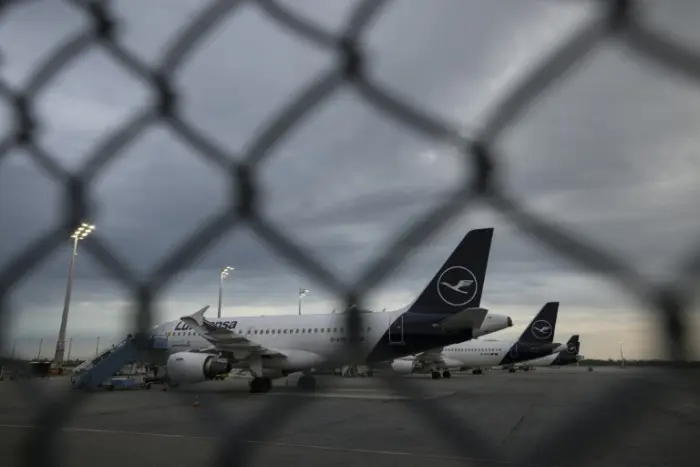
항공기 운항 중단 위험 다가와…항공유 공급 고갈
Threat of grounded planes nears as jet fuel supplies dwindle
Bangkok Post
· 🇹🇭 Bangkok, TH
Bangkok Post Public Company Limited
EN
2026-04-16 14:45
Translated
파리 - 연료 부족으로 항공기가 곧 지상에 묶일 수 있을까? 호르무즈 해협이 봉쇄된 채로 하루가 지날수록 항공유 부족 위험이 커지고 있으며, 정확히 언제 공급이 고갈될지는 확실하지 않다.
파리 - 연료 부족으로 항공기가 곧 지상에 묶일 수 있을까? 호르무즈 해협이 봉쇄된 채로 하루가 지날수록 항공유 부족 위험이 커지고 있으며, 정확히 언제 공급이 고갈될지는 확실하지 않다.
부족 위험은 아시아에서 가장 크고, 유럽에서도 상대적으로 크다. 두 지역 모두 항공유 공급을 위해 중동과 그 정유소의 원유에 의존하고 있기 때문이다.
"이 상황은 향후 3~4주 안에 체계적인 문제가 될 수 있다"고 리스타드 에너지의 이코노미스트 클라우디오 갈림베르티가 화요일 미국 금융 뉴스 채널 CNBC에서 항공유 부족에 대해 말했다.
"그래서 5월과 6월부터 유럽에서 이미 심각한 항공편 감축이 있을 수 있다"고 그는 경고했다.
갈림베르티는 이미 연료 부족으로 항공편이 취소되었다고 말했지만, 같은 날 유럽위원회는 아직 연료 부족은 없다고 밝혔다.
"현재 유럽연합에서 연료 부족의 증거는 없다"고 안나카이사 이트코넌 대변인이 말했다.
그러나 그녀는 "특히 항공유에 대해 가까운 미래에 공급 문제가 발생할 수 있다"고 인정했다.
지난주 유럽공항협의회 국제본부는 유럽위원회에 서한을 보내, 만약 탱커들이 그때까지 호르무즈 해협을 통과하기 시작하지 않으면 5월 초, 즉 3주 후부터 항공유 부족이 시작될 수 있다고 밝혔다.
전쟁 전 세계 원유 및 액화천연가스 공급의 5분의 1이 통과하던 호르무즈 해협의 교통은 2월 28일 미국과 이스라엘이 이란 폭격을 시작한 이래 거의 완전히 차단되었다.
국제에너지기구(IEA)의 파티 비롤 사무총장도 유럽이 "아마도 5월 초"부터 항공유 부족에 직면할 수 있다고 경고했다.
IEA는 화요일에 발표된 최신 월간 유가 시장 보고서에서 더 늦은 시기를 제시했다.
"만약 글로벌 항공유 시장이 더욱 긴장되고 유럽 시장이 중동에서 잃은 물량의 50% 이상을 확보하지 못한다면, 6월에 재고가 중요한 23일 수준에 도달할 것"이라고 경고했다.
상황에 대해 일률적인 일반화를 하기는 어렵다.
일본은 수입에 크게 의존하지만 상당한 비축량을 쌓아두었다.
유럽 내에서도 상황은 상당히 다르다.
오스트리아, 불가리아, 폴란드는 여유로운 재고를 보유하고 있다. 영국, 아이슬란드, 네덜란드는 반대다. 프랑스는 중간 정도다.
그리고 모든 공항과 항공사에 미치는 영향은 같지 않을 것이다.
"내륙에 위치한 소형 공항은 주요 허브보다 취약한 입장에 있을 것"이라고 ING은행의 이코노미스트 리코 루만이 AFP에 말했다.
"완전 중단의 문제가 아니라 일부 항공사와 공항에서 부분 취소가 될 것"이라고 그는 덧붙였다.
항공사들은 항공편 일정을 계획할 가시성이 거의 없다.
에어프랑스-KLM, 루프트한자, 라이언에어를 포함하는 업계 협회인 유럽항공사협회(A4E)는 유럽연합에 공항의 항공유 재고 실시간 정보 제공을 시작하도록 촉구해왔다.
해당 데이터는 주요 고객에게 민감한 상업 데이터를 넘기는 것을 꺼리는 연료 공급업체들로부터 나와야 한다.
토탈에너지스는 만약 중동의 원유 공급이 6월까지 차단된 상태로 남아있으면 모든 고객에게 공급할 수 없을 것이라고 경고했다.
"만약 이 전쟁과 이 봉쇄가 3개월 이상 지속된다면, 우리는 항공유와 같은 일부 제품에서 심각한 공급 문제에 직면하기 시작할 것"이라고 파트리크 푸얀 CEO가 월요일에 말했다.
유럽항공사협회(A4E)는 또한 유럽위원회가 예외적으로 미국산 항공유 수입을 허가할 것을 제안했다. 미국산 항공유는 세계 다른 지역과 약간 다른 기준으로 생산된다.
규제, 정치, 물류 문제로 인해 가까운 미래에 이것이 실현될 가능성은 거의 없다.
부족 위험은 아시아에서 가장 크고, 유럽에서도 상대적으로 크다. 두 지역 모두 항공유 공급을 위해 중동과 그 정유소의 원유에 의존하고 있기 때문이다.
"이 상황은 향후 3~4주 안에 체계적인 문제가 될 수 있다"고 리스타드 에너지의 이코노미스트 클라우디오 갈림베르티가 화요일 미국 금융 뉴스 채널 CNBC에서 항공유 부족에 대해 말했다.
"그래서 5월과 6월부터 유럽에서 이미 심각한 항공편 감축이 있을 수 있다"고 그는 경고했다.
갈림베르티는 이미 연료 부족으로 항공편이 취소되었다고 말했지만, 같은 날 유럽위원회는 아직 연료 부족은 없다고 밝혔다.
"현재 유럽연합에서 연료 부족의 증거는 없다"고 안나카이사 이트코넌 대변인이 말했다.
그러나 그녀는 "특히 항공유에 대해 가까운 미래에 공급 문제가 발생할 수 있다"고 인정했다.
지난주 유럽공항협의회 국제본부는 유럽위원회에 서한을 보내, 만약 탱커들이 그때까지 호르무즈 해협을 통과하기 시작하지 않으면 5월 초, 즉 3주 후부터 항공유 부족이 시작될 수 있다고 밝혔다.
전쟁 전 세계 원유 및 액화천연가스 공급의 5분의 1이 통과하던 호르무즈 해협의 교통은 2월 28일 미국과 이스라엘이 이란 폭격을 시작한 이래 거의 완전히 차단되었다.
국제에너지기구(IEA)의 파티 비롤 사무총장도 유럽이 "아마도 5월 초"부터 항공유 부족에 직면할 수 있다고 경고했다.
IEA는 화요일에 발표된 최신 월간 유가 시장 보고서에서 더 늦은 시기를 제시했다.
"만약 글로벌 항공유 시장이 더욱 긴장되고 유럽 시장이 중동에서 잃은 물량의 50% 이상을 확보하지 못한다면, 6월에 재고가 중요한 23일 수준에 도달할 것"이라고 경고했다.
상황에 대해 일률적인 일반화를 하기는 어렵다.
일본은 수입에 크게 의존하지만 상당한 비축량을 쌓아두었다.
유럽 내에서도 상황은 상당히 다르다.
오스트리아, 불가리아, 폴란드는 여유로운 재고를 보유하고 있다. 영국, 아이슬란드, 네덜란드는 반대다. 프랑스는 중간 정도다.
그리고 모든 공항과 항공사에 미치는 영향은 같지 않을 것이다.
"내륙에 위치한 소형 공항은 주요 허브보다 취약한 입장에 있을 것"이라고 ING은행의 이코노미스트 리코 루만이 AFP에 말했다.
"완전 중단의 문제가 아니라 일부 항공사와 공항에서 부분 취소가 될 것"이라고 그는 덧붙였다.
항공사들은 항공편 일정을 계획할 가시성이 거의 없다.
에어프랑스-KLM, 루프트한자, 라이언에어를 포함하는 업계 협회인 유럽항공사협회(A4E)는 유럽연합에 공항의 항공유 재고 실시간 정보 제공을 시작하도록 촉구해왔다.
해당 데이터는 주요 고객에게 민감한 상업 데이터를 넘기는 것을 꺼리는 연료 공급업체들로부터 나와야 한다.
토탈에너지스는 만약 중동의 원유 공급이 6월까지 차단된 상태로 남아있으면 모든 고객에게 공급할 수 없을 것이라고 경고했다.
"만약 이 전쟁과 이 봉쇄가 3개월 이상 지속된다면, 우리는 항공유와 같은 일부 제품에서 심각한 공급 문제에 직면하기 시작할 것"이라고 파트리크 푸얀 CEO가 월요일에 말했다.
유럽항공사협회(A4E)는 또한 유럽위원회가 예외적으로 미국산 항공유 수입을 허가할 것을 제안했다. 미국산 항공유는 세계 다른 지역과 약간 다른 기준으로 생산된다.
규제, 정치, 물류 문제로 인해 가까운 미래에 이것이 실현될 가능성은 거의 없다.
처리 완료
223 tokens · $0.0004
기사 수집 완료 · 15:41
매체 피드에서 기사 메타데이터 수집
헤드라인 번역 완료 · 15:56
제목/요약 한국어 번역 (fetch 시점 inline)
kimi-k2.5
223 tokens
$0.00042
10.4s
본문 추출 완료
3,719자 추출 완료
본문 한국어 번역 완료 · 15:56
1,748자 번역 완료
지정학적 엔티티 추출 완료 · 15:56
8개 엔티티 추출 완료
지정학적 맥락 & R-Scanner
R-Scanner · 평상
z=-6.14
일상적인 보도 수준 — 기준: Strait of Hormuz
(🇮🇷 IR)
최근 6시간 0건
7일 평균 38.68건 / 6h
0개국 매체
0개 매체
본문에서 추출된 지명 (8)
위치 지도
지도 로딩 중…
같은 주제의 다른 기사 (최근 7일)
PARIS - Could planes soon be stuck on the ground due to a lack of fuel? The risk of jet fuel shortages is growing each day the Strait of Hormuz remains closed, although it isn’t certain when exactly supplies will run out.
PARIS - Could planes soon be stuck on the ground due to a lack of fuel? The risk of jet fuel shortages is growing each day the Strait of Hormuz remains closed, although it isn’t certain when exactly supplies will run out.The risk of shortages is greatest in Asia, and to a lesser extent Europe, as they both rely on oil from the Gulf and its refineries for their supplies.
“The situation can, within the next three, four weeks, become systemic,” Rystad Energy economist Claudio Galimberti said on US financial news channel CNBC on Tuesday about jet fuel shortages.
“So you can have severe cuts of flights in Europe, already starting in May and June,” he warned.
Galimberti said flights had already been cancelled due to fuel shortages, but the European Commission on the same day said there was no lack of fuel as yet.
“There is no evidence for fuel shortages in the European Union at present,” said spokeswoman Anna-Kaisa Itkonen.
However she acknowledged that “supply issues could occur in the near future in particular for jet fuels.”
Last week the Airports Council International Europe wrote to the European Commission saying shortages of jet fuel could begin in three weeks — at the beginning of May, if tankers don’t begin sailing through the Strait of Hormuz before then.
Traffic through the Strait of Hormuz — through which a fifth of the world’s crude oil and liquefied natural gas supplies transited before the war — has been almost completely blocked since the United States and Israel began bombing Iran on February 28.
The head of the International Energy Agency (IEA), Fatih Birol, also warned that Europe could face shortages of jet fuel “maybe beginning of May”.
In its latest monthly report on the oil market, released on Tuesday, the IEA advanced a later date.
“If the global jet fuel market tightens further and European markets are unable to secure more than 50 percent of their lost Middle East volumes, then stocks will hit the crucial 23-day level in June,” it warned.
It is hard to make sweeping generalisations about the situation.
Japan is heavily dependant upon imports but has built up considerable reserves.
The situation also varies considerably with Europe.
Austria, Bulgaria and Poland have comfortable stocks. For Britain, Iceland and the Netherlands it is the opposite. France is somewhere in the middle.
And the impact won’t be the same for all airports and airlines.
“Smaller, inland located, airports will be in a weaker position than the main hubs,” ING Bank economist Rico Luman told AFP.
“It won’t be a matter of full halt, but part cancellation at some airlines and airports,” he added.
Airlines have little visibility to plan their flight schedules.
Airlines for Europe (A4E), a trade association that includes Air France-KLM, Lufthansa and Ryanair, has been urging the European Union to begin providing real time information on jet fuel stocks at airports.
The data would have to come from fuel suppliers, who are not enthusiastic about turning over sensitive commercial data to their major clients.
TotalEnergies has warned that if oil supplies from the Gulf remain blocked in June it won’t be able to supply all of its customers.
“If this war and this blockade last more than three months, we’ll begin to face some serious supply issues in some products like jet fuel,” the company’s chief executive Patrick Pouyanne said on Monday.
Airlines for Europe (A4E) has also suggested that the European Commission exceptionally authorise the import of US jet fuel, which is produced to a slightly different standard than in the rest of the world.
Regulary, political and logisitical issues mean there is little chance this could happen in the near future.