이란 전쟁 긴장 완화에 주식 시장 랠리 지속
Stocks Extend Rally as Tensions Ease Over War in Iran
The New York Times
· 🇺🇸 New York, US
Joe Rennison
EN
2026-04-18 02:03
Translated
S&P 500 지수의 금요일 상승은 호르무즈 해협 재개항과 강력한 기업 실적에 대한 투자자들의 낙관론에 힘입어 3주 연속 주목할 만한 상승세를 마무리했습니다.
이란이 호르무즈 해협을 상선 운항에 재개방했다고 발표하면서 중동 분쟁이 종결에 가까워지고 있다는 투자자들의 낙관론이 커지자 금요일 주식 시장이 기록적인 랠리를 이어갔습니다.
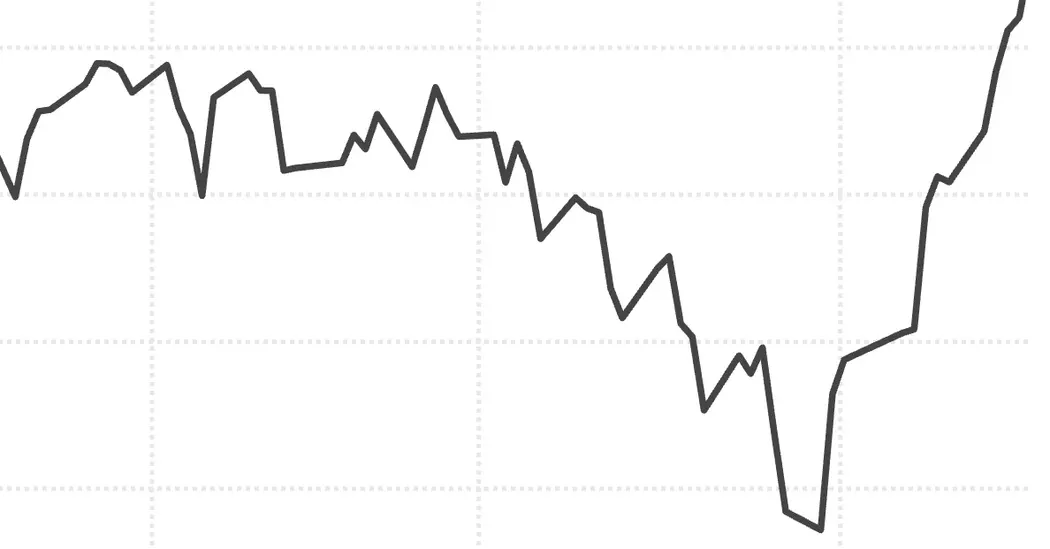
수요일에 신기록을 세운 S&P 500 지수는 금요일에 추가로 1.5% 상승하며 올해 들어 가장 좋은 일일 상승세를 기록할 전망입니다.
이달 들어 S&P 500 지수는 이미 12% 상승했는데, 이는 팬데믹으로 인한 매도세에서 회복하던 2020년 이후 최고의 월간 상승률이 될 전망입니다. 이 지수는 현재 미국과 이스라엘이 2월 28일 이란을 공습하기 전보다 거의 4% 높은 수준입니다.
기술주로 가득 찬 나스닥 종합지수는 더욱 격렬한 랠리를 보이고 있습니다. 이 지수는 1992년 이후 최고의 연속 상승 기록인 13거래일 연속 상승세를 기록할 전망입니다.
"이 상승 속도는 놀라울 정도입니다"라고 도이체방크의 애널리스트 짐 리드가 이번 주 연구 노트에서 밝혔습니다.
금요일의 상승은 전 세계 석유 공급량의 약 5분의 1이 통과하는 핵심 해상 운송로인 호르무즈 해협이 선박 운항에 재개방될 것이라는 이란의 발표에 힘입었습니다. 전 세계 석유 공급이 곧 회복될 것이라는 투자자들의 베팅에 석유 가격은 급락했습니다.
월스트리트의 분쟁 경제적 영향에 대한 우려는 최근 몇 주간 트럼프 행정부가 평화 협정에 관심을 보인다는 신호를 보내면서 완화되었고, 지난 주말 이란과의 회담이 좌절되었을 때도 마찬가지였습니다. 금요일, 월스트리트의 "공포 지수"로 불리는 VIX 변동성 지수는 이란 전쟁 발발 이후 최저 수준으로 하락했습니다.
투자자들은 결국 이 전쟁이 기업 미국의 수익을 해치지 않을 것이라고 베팅해왔습니다. 이러한 낙관론은 이번 주 JP모건 체이스와 펩시코 같은 대형 은행 및 기타 기업들의 강력한 실적 보고서를 통해 올해 첫 3개월 동안 큰 수익을 올렸음을 밝히면서 뒷받침되었습니다. S&P 500 기업들의 재무 실적은 6분기 연속 두 자릿수 성장을 기록할 것으로 예상됩니다.
많은 애널리스트들은 급격한 주식 반등에도 불구하고 거래량이 상대적으로 완만하게 유지되고 있다고 지적하며, 투자자들이 강세장에 대규모로 진입하는 것을 주저하고 있음을 시사했습니다.
대신 애널리스트들은 투자자들이 즉시 더 많은 주식을 매수하지 않고도 랠리의 수혜를 누릴 수 있는 파생상품 시장으로 눈을 돌렸다고 말했습니다.
Cboe 글로벌 마켓에 따르면 시장 상승과 하락에 대한 파생상품 베팅을 측정하는 풋-콜 비율은 목요일에 1월 이후 최저 수준으로 하락했습니다. 비율 하락은 상승 베팅이 하락 베팅을 압도하고 있음을 나타내는 신호입니다. 해당 거래소의 SKEW 지수도 이번 주 크게 하락했는데, 이는 투자자들이 잠재적인 시장 매도에 대한 장기 헤지를 줄이고 있음을 나타내는 또 다른 강세 신호입니다.
그럼에도 불구하고 이번 주는 시장에 대한 유입 자금이 비교적 완만한 흐름을 보인 세 번째 연속 주간이었으며, EPFR 글로벌에 따르면 수요일까지의 한 주 동안 미국 주식을 매수하는 펀드에 170억 달러 이상이 유입되었습니다.
조 렌니슨은 주식 시장의 변덕부터 월스트리트 내부자들의 종종 난해한 거래 결정 설명까지 포괄하는 금융 시장을 다룹니다.
수요일에 신기록을 세운 S&P 500 지수는 금요일에 추가로 1.5% 상승하며 올해 들어 가장 좋은 일일 상승세를 기록할 전망입니다.
이달 들어 S&P 500 지수는 이미 12% 상승했는데, 이는 팬데믹으로 인한 매도세에서 회복하던 2020년 이후 최고의 월간 상승률이 될 전망입니다. 이 지수는 현재 미국과 이스라엘이 2월 28일 이란을 공습하기 전보다 거의 4% 높은 수준입니다.
기술주로 가득 찬 나스닥 종합지수는 더욱 격렬한 랠리를 보이고 있습니다. 이 지수는 1992년 이후 최고의 연속 상승 기록인 13거래일 연속 상승세를 기록할 전망입니다.
"이 상승 속도는 놀라울 정도입니다"라고 도이체방크의 애널리스트 짐 리드가 이번 주 연구 노트에서 밝혔습니다.
금요일의 상승은 전 세계 석유 공급량의 약 5분의 1이 통과하는 핵심 해상 운송로인 호르무즈 해협이 선박 운항에 재개방될 것이라는 이란의 발표에 힘입었습니다. 전 세계 석유 공급이 곧 회복될 것이라는 투자자들의 베팅에 석유 가격은 급락했습니다.
월스트리트의 분쟁 경제적 영향에 대한 우려는 최근 몇 주간 트럼프 행정부가 평화 협정에 관심을 보인다는 신호를 보내면서 완화되었고, 지난 주말 이란과의 회담이 좌절되었을 때도 마찬가지였습니다. 금요일, 월스트리트의 "공포 지수"로 불리는 VIX 변동성 지수는 이란 전쟁 발발 이후 최저 수준으로 하락했습니다.
투자자들은 결국 이 전쟁이 기업 미국의 수익을 해치지 않을 것이라고 베팅해왔습니다. 이러한 낙관론은 이번 주 JP모건 체이스와 펩시코 같은 대형 은행 및 기타 기업들의 강력한 실적 보고서를 통해 올해 첫 3개월 동안 큰 수익을 올렸음을 밝히면서 뒷받침되었습니다. S&P 500 기업들의 재무 실적은 6분기 연속 두 자릿수 성장을 기록할 것으로 예상됩니다.
많은 애널리스트들은 급격한 주식 반등에도 불구하고 거래량이 상대적으로 완만하게 유지되고 있다고 지적하며, 투자자들이 강세장에 대규모로 진입하는 것을 주저하고 있음을 시사했습니다.
대신 애널리스트들은 투자자들이 즉시 더 많은 주식을 매수하지 않고도 랠리의 수혜를 누릴 수 있는 파생상품 시장으로 눈을 돌렸다고 말했습니다.
Cboe 글로벌 마켓에 따르면 시장 상승과 하락에 대한 파생상품 베팅을 측정하는 풋-콜 비율은 목요일에 1월 이후 최저 수준으로 하락했습니다. 비율 하락은 상승 베팅이 하락 베팅을 압도하고 있음을 나타내는 신호입니다. 해당 거래소의 SKEW 지수도 이번 주 크게 하락했는데, 이는 투자자들이 잠재적인 시장 매도에 대한 장기 헤지를 줄이고 있음을 나타내는 또 다른 강세 신호입니다.
그럼에도 불구하고 이번 주는 시장에 대한 유입 자금이 비교적 완만한 흐름을 보인 세 번째 연속 주간이었으며, EPFR 글로벌에 따르면 수요일까지의 한 주 동안 미국 주식을 매수하는 펀드에 170억 달러 이상이 유입되었습니다.
조 렌니슨은 주식 시장의 변덕부터 월스트리트 내부자들의 종종 난해한 거래 결정 설명까지 포괄하는 금융 시장을 다룹니다.
처리 완료
2,814 tokens · $0.0057
기사 수집 완료 · 02:45
매체 피드에서 기사 메타데이터 수집
헤드라인 번역 완료 · 02:56
제목/요약 한국어 번역 (fetch 시점 inline)
kimi-k2.5
200 tokens
$0.00038
17.8s
본문 추출 완료
3,360자 추출 완료
본문 한국어 번역 완료 · 02:56
1,574자 번역 완료
kimi-k2.5
2,614 tokens
$0.00531
47.0s
지정학적 엔티티 추출 완료 · 02:56
5개 엔티티 추출 완료
지정학적 맥락 & R-Scanner
R-Scanner · 평상
z=-4.06
일상적인 보도 수준 — 기준: Iran
(🇮🇷 IR)
최근 6시간 0건
7일 평균 17.39건 / 6h
0개국 매체
0개 매체
본문에서 추출된 지명 (5)
위치 지도
지도 로딩 중…
같은 주제의 다른 기사 (최근 7일)
The S&P 500’s rise on Friday caps a striking three-week streak, powered by investors’ optimism about the reopening of the Strait of Hormuz and strong corporate earnings.
The stock market continued its record-setting rally on Friday, as Iran announced that the Strait of Hormuz had reopened to commercial shipping, bolstering investors’ optimism that the conflict in the Middle East was nearing an end.The S&P 500, which set a fresh record high on Wednesday, rose an additional 1.5 percent on Friday, putting the index on course for its best streak of daily gains so far this year.
Already this month, the S&P 500 has risen 12 percent, which is set to be the best monthly gain since 2020 when markets were rebounding from the pandemic-induced sell-off. The index is now nearly 4 percent higher than it was before the U.S. and Israel attacked Iran on Feb. 28.
The Nasdaq Composite index, which is filled with technology stocks, has staged an even more ferocious rally. The index is on course for its 13th consecutive day of gains, its best run since 1992.
“The velocity of this ascent has been nothing short of astonishing,” said Jim Reid, an analyst at Deutsche Bank, in a research note this week.
Friday’s rise was fueled by Iran’s announcement that the Strait of Hormuz, the crucial shipping lane through which roughly a fifth of the world’s oil supply typically passes, would reopen to shipping. Oil prices fell sharply, as investors bet that worldwide oil supplies would soon be replenished.
Wall Street’s fears about the economic impact of the conflict have been easing in recent weeks as the Trump administration signaled its interest in a peace deal, even when talks with Iran faltered last weekend. On Friday, the VIX volatility index, often referred to as Wall Street’s “fear gauge,” fell to its lowest level since the war in Iran began.
Investors have been betting that the war, in the end, would not dent profits in corporate America. That optimism was supported this week by strong earnings reports from large banks like JPMorgan Chase and other companies like PepsiCo, revealing big profits through the first three months of the year. Financial results for the companies in the S&P 500 are expected to hit double-digit growth for the sixth quarter in a row.
Many analysts noted that trading volumes remained relatively subdued given the sharp stock rebound, pointing to investors’ hesitancy to buy into the bull market in a big way.
Instead, analysts said, investors have turned to derivatives markets, trading financial instruments that allow them to benefit from the rally without immediately buying more stocks.
The put-call ratio, which measures derivatives bets on the market rising versus bets on the market falling, declined on Thursday to its lowest level since January, according to Cboe Global Markets, an exchange operator. A falling ratio is a sign of bullish bets outweighing bearish ones. The exchange’s SKEW index has also fallen sharply this week, a sign of investors dialing down longer-term hedges against a potential market sell-off, another bullish signal.
Still, this week marked the third straight week of relatively modest inflows into the market, with more than $17 billion flowing into funds that buy U.S. stocks for the week through Wednesday, according to EPFR Global, a data provider.
Joe Rennison writes about financial markets, a beat that ranges from chronicling the vagaries of the stock market to explaining the often-inscrutable trading decisions of Wall Street insiders.