경치는 아름답지만 브리즈번의 이 벤치는 조금 적대적이다
The view is beautiful but this Brisbane bench is a little bit hostile
Sydney Morning Herald
· 🇦🇺 Sydney, AU
Felicity Caldwell
EN
2026-04-30 14:43
Translated
브리즈번에는 사람들이 공공장소에 오래 머물지 않도록 권장하는 미묘한 디자인들이 곳곳에 숨어 있다.
브리즈번은 사람들이 머물지 않도록 조용히 권장하는 예시들로 가득 차 있다.
쿠릴파 다리 위의 좌석처럼 말이다. 경치는 아름답지만, 벤치는 조금 적대적이다.
다리에서 도시와 사우스 뱅크의 경치를 감상할 수 있지만, 표면이 �딱딱해서 오래 머물지 않을 가능성이 높다.
금속 브래킷은 스케이트보더를 억제하고 누워있기를 불편하게 하도록 설계되었다.
1990년대에 도시이론가 마이크 데이비스는 로스앤젤레스의 적대적 건축에 대한 초기 비평가 중 한 명으로, "노숙자 방지" 디자인이 점점 공공 영역을 사유화하고 있다고 주장했다.
이 현상은 전 세계 도시 중심부에서 흔하며, 육교 아래의 돌덩이로 캠핑을 방지하고, 공원 벤치의 팔걸이로 수면을 방지하며, 오목한 곳의 스파이크, 계단의 볼트로 앉거나 누워있는 것을 억제하고, 밤새 스프링클러를 켜서 배회를 방지하는 등의 사례를 포함한다.
미국의 연구자들이 1980년에서 2010년 사이에 공공장소에 머물러있는 사람이 14% 감소했다는 것을 발견했으며, 이것은 도시 생활이 진화한 방식 중 하나일 뿐이다.
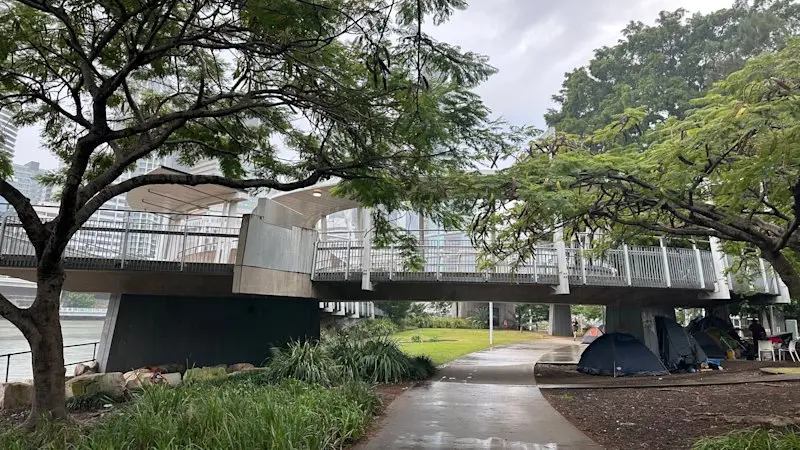
브리즈번에서는 주 정부가 2018년 쿠릴파 다리 아래에 큰 사암 블록을 설치하여 노숙자를 억제했다.
그러나 효과가 거의 없는 것으로 보인다. 당국이 주기적으로 사람과 소유물을 치워냈음에도 불구하고 이번 주에 수십 개의 텐트가 목격되었다.
건설 전 퀸즈 워프 범죄 방지 설계 보고서는 팔걸이를 포함하여 수면을 방지함으로써 "반사회적 행동을 최소화"하도록 가구를 설계해야 한다고 말했다.
시청 외부의 킹 조지 광장에서는 자정부터 오전 6시까지 스피커에서 클래식 음악이 울려 퍼진다. 이는 "반사회적 행동"에 대응하여 도입되었다.
브리즈번 전역에서 일부 벤치는 벤치 중간에 팔걸이가 있다. 일부 기차역에서는 피곤한 여행객들이 벤치 대신 기대는 레일을 사용해야 할 수도 있다.
퀸즐랜드 레일은 일반적으로 공간을 절약하기 위해 설치된다고 말했으며, 모든 역에는 접근 가능한 좌석을 포함한 옵션이 있다고 밝혔다.
퀸즐랜드 레일의 동남 퀸즐랜드 담당 책임자인 닐 배커는 "기대는 레일은 승객이 짧은 시간 동안 기대거나 공간 때문에 다른 좌석 옵션이 적절하지 않을 때 승객에게 편리한 대기 옵션을 제공한다"고 말했다.
"퀸즐랜드 레일 역의 좌석 및 기대는 레일의 양은 예상되는 대기 시간 및 해당 역의 예상 승객 수준을 기반으로 제공된다."
그리피스 대학의 도시 계획 전문가인 나탈리 오스본 박사는 적대적 건축이 누가 공공장소에 환영받는지, 받지 않는지, 어떤 행동이 허용되는지에 대한 명확한 메시지를 전달한다고 말했다.
오스본은 이것이 특히 노숙자를 겨냥하며, 그들이 "좋은 공공장소에 속하지 않는다"고 제안한다고 말했다.
"나는 이것이 상당히 비인간적인 효과를 가지고 있다고 생각한다. 노숙이 해결해야 할 문제가 아니라 노숙자의 존재가 해결해야 할 문제로 취급하는 것이다"라고 그녀는 말했다.
"경찰을 부르고 누군가를 떠나도록 하도록 요청하는 것과 같은 효과를 가지고 있다."
퀸즐랜드 기술 대학의 선임 강사인 커스티 볼츠 박사는 적대적 건축의 덜 눈에 띄는 예시에는 감시와 조명이 포함된다고 말했다.
"집중된 조명을 사용하면 밤에 특정 지역에서 사람들이 자는 것을 막을 수 있으며, 일반적으로 우리의 CBD는 특히 LED 조명의 저렴한 확산으로 인해 예전보다 밝다"고 그녀는 말했다.
퀸즐랜드 대학교 건축학부의 앤토니 물리스 교수는 도시가 일반적으로 임시 사용과 통과를 위해 만들어진다고 말했다.
"당신은 잠깐 앉을 수 있지만, 거기에 오래 머물지는 않을 것이다"라고 그는 말했다.
"그래서 그런 종류의 사용이 제공되는 방식에 내장되어 있으며, 오히려 당신이 수 시간 또는 밤새 편안할 수 있는 종류의 건축을 제공하지 않는다."
그는 일부 사람들이 파쿠르와 같은 공공장소를 다르게 사용하는 창의적인 방법을 여전히 찾을 것이라고 말했다.
적대적 건축은 조용한 방식으로 행동을 억제하는 것을 목표로 하지만, 노숙자를 쫓아내려는 시도가 항상 그렇게 미묘한 것은 아니다.
2025년 3월, 시장 에이드리언 슈링어는 브리즈번의 노숙자들에게 24시간 내에 떠날 것을 명령하고 빈 텐트를 공원에서 제거할 것이라고 선언했다.
"우리는 이제 공원에 텐트로 영구적으로 생활할 수 있는 옵션을 철회하고 있다"고 그는 당시 말했다.
이 조치는 사람들이 공원에서 자고 싶지 않지만 오히려 다른 곳이 없다고 경고한 옹호자들로부터 비판받았다.
당국은 계속해서 쿠릴파 포인트 공원, 머스그레이브 공원 및 기타 공공장소를 주기적으로 정리하고 있지만, 텐트는 잠시 후 다시 나타난다.
의회는 기한까지 논평 요청에 응하지 않았다.
하루를 가장 중요하고 흥미로운 뉴스, 분석 및 통찰력 요약으로 시작하십시오.
저장된 항목의 최대 개수에 도달했습니다.
더 추가하려면 저장된 목록에서 항목을 제거하십시오.
쿠릴파 다리 위의 좌석처럼 말이다. 경치는 아름답지만, 벤치는 조금 적대적이다.
다리에서 도시와 사우스 뱅크의 경치를 감상할 수 있지만, 표면이 �딱딱해서 오래 머물지 않을 가능성이 높다.
금속 브래킷은 스케이트보더를 억제하고 누워있기를 불편하게 하도록 설계되었다.
1990년대에 도시이론가 마이크 데이비스는 로스앤젤레스의 적대적 건축에 대한 초기 비평가 중 한 명으로, "노숙자 방지" 디자인이 점점 공공 영역을 사유화하고 있다고 주장했다.
이 현상은 전 세계 도시 중심부에서 흔하며, 육교 아래의 돌덩이로 캠핑을 방지하고, 공원 벤치의 팔걸이로 수면을 방지하며, 오목한 곳의 스파이크, 계단의 볼트로 앉거나 누워있는 것을 억제하고, 밤새 스프링클러를 켜서 배회를 방지하는 등의 사례를 포함한다.
미국의 연구자들이 1980년에서 2010년 사이에 공공장소에 머물러있는 사람이 14% 감소했다는 것을 발견했으며, 이것은 도시 생활이 진화한 방식 중 하나일 뿐이다.
브리즈번에서는 주 정부가 2018년 쿠릴파 다리 아래에 큰 사암 블록을 설치하여 노숙자를 억제했다.
그러나 효과가 거의 없는 것으로 보인다. 당국이 주기적으로 사람과 소유물을 치워냈음에도 불구하고 이번 주에 수십 개의 텐트가 목격되었다.
건설 전 퀸즈 워프 범죄 방지 설계 보고서는 팔걸이를 포함하여 수면을 방지함으로써 "반사회적 행동을 최소화"하도록 가구를 설계해야 한다고 말했다.
시청 외부의 킹 조지 광장에서는 자정부터 오전 6시까지 스피커에서 클래식 음악이 울려 퍼진다. 이는 "반사회적 행동"에 대응하여 도입되었다.
브리즈번 전역에서 일부 벤치는 벤치 중간에 팔걸이가 있다. 일부 기차역에서는 피곤한 여행객들이 벤치 대신 기대는 레일을 사용해야 할 수도 있다.
퀸즐랜드 레일은 일반적으로 공간을 절약하기 위해 설치된다고 말했으며, 모든 역에는 접근 가능한 좌석을 포함한 옵션이 있다고 밝혔다.
퀸즐랜드 레일의 동남 퀸즐랜드 담당 책임자인 닐 배커는 "기대는 레일은 승객이 짧은 시간 동안 기대거나 공간 때문에 다른 좌석 옵션이 적절하지 않을 때 승객에게 편리한 대기 옵션을 제공한다"고 말했다.
"퀸즐랜드 레일 역의 좌석 및 기대는 레일의 양은 예상되는 대기 시간 및 해당 역의 예상 승객 수준을 기반으로 제공된다."
그리피스 대학의 도시 계획 전문가인 나탈리 오스본 박사는 적대적 건축이 누가 공공장소에 환영받는지, 받지 않는지, 어떤 행동이 허용되는지에 대한 명확한 메시지를 전달한다고 말했다.
오스본은 이것이 특히 노숙자를 겨냥하며, 그들이 "좋은 공공장소에 속하지 않는다"고 제안한다고 말했다.
"나는 이것이 상당히 비인간적인 효과를 가지고 있다고 생각한다. 노숙이 해결해야 할 문제가 아니라 노숙자의 존재가 해결해야 할 문제로 취급하는 것이다"라고 그녀는 말했다.
"경찰을 부르고 누군가를 떠나도록 하도록 요청하는 것과 같은 효과를 가지고 있다."
퀸즐랜드 기술 대학의 선임 강사인 커스티 볼츠 박사는 적대적 건축의 덜 눈에 띄는 예시에는 감시와 조명이 포함된다고 말했다.
"집중된 조명을 사용하면 밤에 특정 지역에서 사람들이 자는 것을 막을 수 있으며, 일반적으로 우리의 CBD는 특히 LED 조명의 저렴한 확산으로 인해 예전보다 밝다"고 그녀는 말했다.
퀸즐랜드 대학교 건축학부의 앤토니 물리스 교수는 도시가 일반적으로 임시 사용과 통과를 위해 만들어진다고 말했다.
"당신은 잠깐 앉을 수 있지만, 거기에 오래 머물지는 않을 것이다"라고 그는 말했다.
"그래서 그런 종류의 사용이 제공되는 방식에 내장되어 있으며, 오히려 당신이 수 시간 또는 밤새 편안할 수 있는 종류의 건축을 제공하지 않는다."
그는 일부 사람들이 파쿠르와 같은 공공장소를 다르게 사용하는 창의적인 방법을 여전히 찾을 것이라고 말했다.
적대적 건축은 조용한 방식으로 행동을 억제하는 것을 목표로 하지만, 노숙자를 쫓아내려는 시도가 항상 그렇게 미묘한 것은 아니다.
2025년 3월, 시장 에이드리언 슈링어는 브리즈번의 노숙자들에게 24시간 내에 떠날 것을 명령하고 빈 텐트를 공원에서 제거할 것이라고 선언했다.
"우리는 이제 공원에 텐트로 영구적으로 생활할 수 있는 옵션을 철회하고 있다"고 그는 당시 말했다.
이 조치는 사람들이 공원에서 자고 싶지 않지만 오히려 다른 곳이 없다고 경고한 옹호자들로부터 비판받았다.
당국은 계속해서 쿠릴파 포인트 공원, 머스그레이브 공원 및 기타 공공장소를 주기적으로 정리하고 있지만, 텐트는 잠시 후 다시 나타난다.
의회는 기한까지 논평 요청에 응하지 않았다.
하루를 가장 중요하고 흥미로운 뉴스, 분석 및 통찰력 요약으로 시작하십시오.
저장된 항목의 최대 개수에 도달했습니다.
더 추가하려면 저장된 목록에서 항목을 제거하십시오.
처리 완료
4,486 tokens · $0.0129
기사 수집 완료 · 14:50
매체 피드에서 기사 메타데이터 수집
헤드라인 번역 완료 · 15:06
제목/요약 한국어 번역 (fetch 시점 inline)
claude-haiku-4-5-20251001
185 tokens
$0.00047
6.4s
본문 추출 완료
4,882자 추출 완료
본문 한국어 번역 완료 · 15:06
2,382자 번역 완료
claude-haiku-4-5-20251001
4,301 tokens
$0.01245
25.9s
지정학적 엔티티 추출 완료 · 15:06
8개 엔티티 추출 완료
지정학적 맥락 & R-Scanner
R-Scanner · 핫스팟
z=9.05
평소보다 훨씬 많은 매체가 집중 보도 중 — 기준: Brisbane
(🇦🇺 AU)
최근 6시간 56건
7일 평균 17.29건 / 6h
3개국 매체
4개 매체
본문에서 추출된 지명 (8)
Brisbane
🇦🇺
Australia
🇦🇺
Kurilpa Bridge
🇦🇺
South Bank
🇬🇧
Queen's Wharf
🇦🇺
King George Square
🇦🇺
Los Angeles
🇺🇸
United States
🇺🇸
위치 지도
지도 로딩 중…
같은 주제의 다른 기사 (최근 7일)
Subtle designs have been baked into Brisbane to discourage people from staying too long in public spaces.
Brisbane is rife with examples of quiet ways people are encouraged not to linger.Like the seats on Kurilpa Bridge. The view is gorgeous, but the bench is a little bit hostile.
You can enjoy the view of the city and South Bank from the bridge, but the surface is hard – you probably won’t stay there for long.
The metal brackets are designed to deter skateboarders, and make it unpleasant to lie down.
In the 1990s, urban theorist Mike Davis was one of the first critics of hostile architecture in Los Angeles, arguing “bum-proof” design was increasingly privatising the public realm.
The phenomenon is common in urban centres worldwide, and includes boulders under overpasses to stop people camping, armrests on park benches to prevent sleeping, spikes in alcoves, bolts on steps to discourage sitting or lying down, and sprinklers turned on overnight to prevent loitering.
It is just one way urban living has evolved, with researchers in the US finding people lingering in public spaces declined by 14 per cent from 1980 to 2010.
In Brisbane, the state government installed large sandstone blocks under the Kurilpa Bridge to deter rough sleepers in 2018.
However, it seems to have had little effect. Dozens of tents were seen this week, despite authorities periodically clearing people and possessions.
Before it was built, the design crime prevention report for Queen’s Wharf said furniture should be designed to “minimise anti-social behaviour”, such as by including armrests to prevent sleeping.
In King George Square, outside City Hall, classical music blares from speakers from midnight to 6am. It was introduced in response to “anti-social behaviour”.
Across Brisbane, some benches have armrests in the middle of a bench. At some train stations, weary travellers might have to use a lean rail instead of a bench.
Queensland Rail said they were usually installed to save space, and all stations had options including accessible seating.
“Lean rails provide passengers with a convenient waiting option by allowing passengers to perch or lean, when waiting for short periods of time, or when other seating options would not be appropriate due to space,” QR’s head of south-east Queensland, Neil Backer, said.
“The amount of seating and lean rails at Queensland Rail stations is provided based on expected waiting times and levels of anticipated patronage for the station.”
Dr Natalie Osborne, an urban planning expert from Griffith University, said hostile architecture sent a clear message about who was, and was not, welcome in public spaces, and what behaviours were acceptable.
Osborne said it particularly targeted rough sleepers, and suggested they did not “belong in nice public spaces”.
“It has this quite dehumanising effect, I think, of treating homeless people like their presence is a problem to be solved, rather than that homelessness is the problem that needs to be solved,” she said.
“It’s having the same effect as calling the cops and asking them to move someone on.”
Dr Kirsty Volz, a senior lecturer at Queensland University of Technology, said some of the less noticeable examples of hostile architecture included surveillance and lighting.
“Using intense lighting can stop people from sleeping at night in certain areas, and in general, our CBDs are brighter than they used to be, particularly because of the cheap proliferation of LED lights,” she said.
Professor Antony Moulis, from the School of Architecture at The University of Queensland, said the city was generally made for temporary use and moving through.
“You might sit down for a little while, but you’re not going to be there for long,” he said.
“And so that kind of use is built into the ways in which that is provided, rather than providing you with a kind of architecture you’d be comfortable in for hours at a time or overnight.”
He said some people would still find creative ways to use public spaces differently, such as parkour.
While hostile architecture aims to discourage behaviour in a quiet way, attempts to move on homeless people are not always so subtle.
In March 2025, Lord Mayor Adrian Schrinner declared Brisbane’s rough sleepers would be given 24 hours to move on, and empty tents would be removed from parks.
“We’re now withdrawing the option to live permanently in a park in a tent,” he said, at the time.
The move was decried by advocates who warned people did not want to sleep in parks, but rather had nowhere else to go.
Authorities continue to periodically clear out Kurilpa Point Park, Musgrave Park and other public spaces, but tents return a short time later.
The council did not respond to a request for comment by deadline.
Start the day with a summary of the day’s most important and interesting stories, analysis and insights.
You have reached your maximum number of saved items.
Remove items from your saved list to add more.