투기꾼의 마지막 거래
The Speculator’s final trade
Sydney Morning Herald
· 🇦🇺 Sydney, AU
Michael Idato
EN
2026-04-24 14:30
Translated
데이비드 헤이설허스트는 시장을 이겨낸 이야기꾼이자 총리들, 케리 패커와 어울려 다니며 비즈니스 저널리즘의 황금기를 정의한 인물이었다.
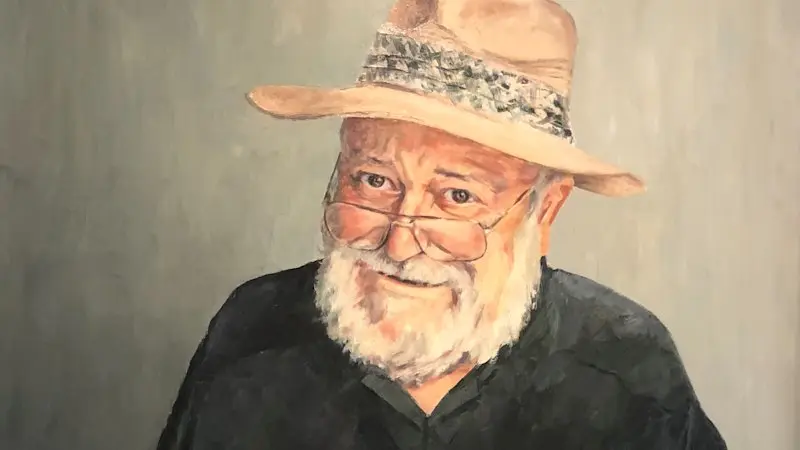
2008년 초상화가 멜리사 비오울프는 비즈니스 저널리스트 데이비드 헤이설허스트를 만나 친구가 되었다. 그를 "지능적이고 명확하며 항상 친근한 인물"로 회상한 비오울프는 그의 사교적 성품을 엿보고 초상화를 그려달라고 요청했다.
"그는 자신이 즐겨 찾는 술집 중 한 곳을 제안했고 포즈를 취했습니다. 저는 그의 전형적인 휴식 상태를 포착하고 싶었습니다. 한 손에는 맥주, 다른 손에는 담배가 있는 모습이었죠"라고 비오울프는 회상했다. "눈은 성격을 포착하는 데 필수적이지만 데이비드의 경우, 그의 자세가 자신감의 모든 것을 말해줍니다."
3월에 86세의 나이로 세상을 떠난 데이비드 아서 헤이설허스트는 1939년 9월 19일 서호주 퍼스에서 태어났다. 아서(스노우)와 에드나 헤이설허스트의 장남이었고, 그뒤로 네 명의 형제가 따라왔다: 고든, 쌍둥이 그레이엄과 하워드, 그리고 데니스. 형제들은 매우 긴밀했으며, 데이비드와 그레이엄, 하워드는 같은 생일을 공유했다.
그의 할아버지 엘리샤 헤이설허스트는 퍼스 북동쪽의 메이랜즈에 헤이설허스트 목재소를 설립하고 운영했다. 어린 데이비드는 신문배달 일을 했으며, 농업 졸업장(농부의 정식 자격)을 취득했지만, 농부의 삶은 그의 시야에 없었을 것 같다. 서해안에서 동해안으로의 그의 여정은 목축 기간에 중단되었는데, 더 컨트리맨 신문에 글을 쓰고 있었다.
퍼스에서 헤이설허스트는 어본 밸리 뉴스 익스프레스와 베벌리 타임스에서 일했으며, 나중에 더 웨스트 오스트레일리언에서 저널리즘 수습을 마쳤고, 마지막으로 퍼스의 채널 세븐에서 일했다. 시드니로 이주한 후, 그는 팝스타들에 관한 이야기를 다룬 청소년 잡지인 에브리바디즈의 필자(나중에 편집자)로 자리를 잡았다. 그 당시 팝스타들로는 더 시커스, 노미 로우, 조니 영이 포함되었다.
하지만 헤이설허스트는 더 불릿 잡지에 입사했을 때 저널리즘에서 명성을 얻었다. 1880년에 설립된 이 잡지는 호주 문화의 초석이었으며, 정치와 금융에 관한 에세이, 시, 픽션, 풍자를 실었고, 초기 필진 명단에 헨리 로손, 도로시 맥켈라, "뱅조" 패터슨이 포함되어 있다는 점에서 주목할 만했다.
광업, 석유, 금광 산업에 대한 그의 지식은 비즈니스 저널리즘에서 그에게 우위를 주었다. 1973년부터 시작하여 34년 동안 헤이설허스트의 칼럼 "더 스펙큘레이터"는 실제 주식의 상상의 포트폴리오를 통해 독자들에게 주식 팁을 제공했다.
더 불릿에서 34년 중 30년 동안, 그것은 올 오디너리즈 지수를 능가했으며, 3자리 성장을 기록한 9년이 포함되었다. 그는 세심한 기록을 유지했다. 그의 딸 나다는 그의 사무실을 "더미, 거의 천장 높이의 대부분 신문이지만 책과 잡지도 있는" 곳으로 설명했다. 어렸을 때 그것은 미로를 헤쳐나가는 것 같았다".
칼럼의 가장 열심한 독자 중 한 명은 자신의 상사인 잡지 소유자 케리 패커였다. 전설적인 미디어 재벌은 헤이설허스트를 충분히 신뢰하여 그를 위해 두 개의 투자 회사를 운영하게 했으며, 이는 데이비드가 패커와 그의 동료들의 상당한 금액을 태즈메이니아 가스 산업에 투입한 한 날 광란으로 기억된다.
"케리, 자네가 지금 그곳의 최대 주주라는 걸 말씀드려야 했는데, 우리도 함께 들어가 있네요"라고 헤이설허스트가 말했으며, 기드온 헤이그가 약 5년 반 후 더 먼슬리에서 기록한 대화에서 이 교환이 나타난다. 패커는 이렇게 대답했다: "음, 헤이설허스트가 나를 파산시킬 때, 적어도 너희들도 함께 가겠지." 당연히 그 후 차이나타운의 연회가 열렸다.
그 와일드하고 때로는 사치스러운 시대에도 불구하고, 더 불릿은 다소 검소하지만 영향력 있는 기함이었다. "더 불릿에는 태만한 개미나 시간을 낭비하는 사람들이 없었습니다"라고 데이비드는 나중에 헤이그에게 말했다. "그들은 매우 효율적으로 운영했습니다."
128년의 역사 동안 이 잡지는 호주 관점의 다양한 분야의 본거지였다: J. F. 아르칠드(아르칠드상의 명성), 60 미닛의 개척자 제럴드 스톤, 호주 금융 리뷰 편집자 맥스 월시, 그리고 정치와 법률 문제에 관해 글을 쓴 두 명의 미래 총리 말콤 턴불과 정치, 법무, 경제에 대해 글을 쓴 토니 애봇.
애봇은 헤이설허스트의 저널리즘 우수성에 높은 찬사를 보냈다. "[더 불릿]는 인상적인 필진을 보유했으며, 그 중 데이비드는 충분히 자신의 몫을 해냈습니다. 그것은 재능을 위한 멋진 보육원이었고 데이비드는 그것의 가장 주목할 만한 인물 중 한 명이자 최고의 교사였습니다. 저는 그의 도움과 격려에 항상 감사할 것입니다"라고 애봇은 말했다.
비즈니스 저널리스트 자닌 페렛은 1980년대 더 오스트레일리언의 신입 저널리스트였을 때 그를 만났으며, 그의 친절한 멘토십에 대해 유사하게 말했다. "데이비드는 항상 격려적이고 도움이 되었습니다"라고 페렛은 말했다. "그 당시 많은 남자들은 거칠 수 있었지만, 데이비드는 항상 신사였습니다. 그는 멋진 건조한 유머 감각과 표현이 뛰어났습니다."
헤이설허스트의 시드니로의 이주는 또한 그를 미래의 아내인 앤 크로냐(라디오 스타 "빅 샘" 크로냐의 여동생)와 만나게 해주었다. 그들은 저널리스트 클럽의 레이디스 바에서 만났고, 로맨스의 불꽃이 있었다. 그들은 1966년 6월 에지클리프의 세인트 조셉 가톨릭 교회에서 결혼했으며, 울라라의 퀸 스트리트에 집을 마련했고, 두 자녀 패트릭과 나다를 낳았다.
저널리즘의 불규칙한 업무 시간과 음주 문화 - 긴 밤, 동료 및 연락처와의 유흥 - 는 데이비드의 기질에 맞았을 수도 있지만, 결혼 생활은 쉽지 않았다. 데이비드와 앤은 1975년에 이혼했으며, 둘 다 재혼하지 않았다.
실제로 둘 다 나중에 인정했듯이, 그들은 훌륭한 친구가 되었다. 울라라의 집은 사교의 교차로였다: 모든 시간에 바빴으며, 친구와 가족들이 왔다 갔다 했다. 저는 고등학교에서 그들의 아들 패트릭과 친구가 되었고, 저는 그 집을 제 집만큼 알게 되었고, 데이비드와 앤을 제 부모만큼 알게 되었습니다.
특히, 데이비드는 그의 자녀들의 친구들과 사교하는 것을 즐겼다. 그는 완벽한 아버지는 아닐 수도 있었지만, 아버지의 조언이 부족하지 않은 것 같았다. 제 저널리즘 경력은 십대 때 한 밤에 그 집에서 꿈꾸어졌으며, 제가 제 야망을 데이비드, 토니 애봇, 그리고 예고 없이 나타난 데일리 미러 금융 편집자 토니 커티스에게 표현한 후였습니다.
많은 면에서 데이비드는 후기 황금기 저널리스트의 전형이었다: 훌륭하게 사교적이며, 이야기꾼 가족에서 나왔으며, 이야기 전달과 가끔의 외설스러운 농담으로 알려져 있었다. 그는 술을 좋아했으며, 인생의 모든 단계에서 펍을 새로운 친구, 오래된 친구들과의 연결 및 지역사회의 맥박을 느낄 수 있는 최전선으로 보았다.
그의 세대의 많은 저널리스트들처럼, 풀타임 일이 은퇴로 바뀌면서, 그는 연결을 거래하지 않고 더 조용한 삶을 선택했다. 그는 종교적으로 시드니 모닝 헤럴드, 더 텔레그래프, 더 오스트레일리언을 매일 읽었다. 그는 또한 더 랜드, 더 컨트리맨, 더 이코노미스트를 읽었다. 그는 평생 시드니 스완스 지지자였으며, 태터살스 클럽의 단골이었고, 그의 마지막 해에는 손자들, 신문, 십자말풀이와 함께 시간을 보내는 것을 즐겼다.
그의 딸 나다는 그를 "와일드하고 성급하며 재미있는 캐릭터"로 회상했다. "그는 열심히 술을 마시고 담배를 피웠으며 가족과 친구들은 종종 어려운 방식으로 따라가지 말아야 한다는 것을 배웠습니다." 하지만 그는 또한 관대했고, 자립했으며, 종종 역설적이었다. "그는 쉽게 요약될 수 없었으며, 저는 그가 그것에 대해 조용히 기뻐할 거라고 생각합니다"라고 그녀는 말했다.
그의 아들 패트릭은 그를 "저널리즘이 잘 자금을 지원받았고 저널리스트들이 먼 곳으로 가서 세상을 움직이는 사람들을 만났던 시대의 구식 저널로"라고 설명했다. 그리고 종종 술집에서 술취한 입으로 '비밀'을 말할 사람들의 입술을 느슨하게 하는 것이 포함되었습니다".
"아버지로서, 그는 누구나 그렇듯이 결함이 있었습니다... [하지만] 그는 전반적으로 가족을 돌봤고 도움이 필요하다고 생각하는 누구에게나 시간, 돈, 인맥을 관대하게 나누어준 정말 훌륭한 사람이었습니다"라고 패트릭은 말했다. "저는 그를 매우 사랑했고, 그를 아버지로 두는 것은 명예롭고 특권이었습니다."
재무 홍보담당자가 된 이안 매킨토시는 데이비드를 "실제 캐릭터, 부분적으로는 에롤 플린, 부분적으로는 [프랑스 시인] 아르튀르 랭보, 그리고 엄청난 저널로" 라고 설명했다. 저널로 클럽, 피닉스 호텔, 올드 태츠, 임페리얼 피킹, 칼고올리에서 캐시미어까지의 광산에서 나오는 천 하나의 이야기. [그는] 정말로 좋은 사람들 중 한 명이었습니다".
데이비드는 자녀 패트릭과 나다, 그리고 손자들 데클란, 로라, 몬티, 이완을 남겼다.
"그는 자신이 즐겨 찾는 술집 중 한 곳을 제안했고 포즈를 취했습니다. 저는 그의 전형적인 휴식 상태를 포착하고 싶었습니다. 한 손에는 맥주, 다른 손에는 담배가 있는 모습이었죠"라고 비오울프는 회상했다. "눈은 성격을 포착하는 데 필수적이지만 데이비드의 경우, 그의 자세가 자신감의 모든 것을 말해줍니다."
3월에 86세의 나이로 세상을 떠난 데이비드 아서 헤이설허스트는 1939년 9월 19일 서호주 퍼스에서 태어났다. 아서(스노우)와 에드나 헤이설허스트의 장남이었고, 그뒤로 네 명의 형제가 따라왔다: 고든, 쌍둥이 그레이엄과 하워드, 그리고 데니스. 형제들은 매우 긴밀했으며, 데이비드와 그레이엄, 하워드는 같은 생일을 공유했다.
그의 할아버지 엘리샤 헤이설허스트는 퍼스 북동쪽의 메이랜즈에 헤이설허스트 목재소를 설립하고 운영했다. 어린 데이비드는 신문배달 일을 했으며, 농업 졸업장(농부의 정식 자격)을 취득했지만, 농부의 삶은 그의 시야에 없었을 것 같다. 서해안에서 동해안으로의 그의 여정은 목축 기간에 중단되었는데, 더 컨트리맨 신문에 글을 쓰고 있었다.
퍼스에서 헤이설허스트는 어본 밸리 뉴스 익스프레스와 베벌리 타임스에서 일했으며, 나중에 더 웨스트 오스트레일리언에서 저널리즘 수습을 마쳤고, 마지막으로 퍼스의 채널 세븐에서 일했다. 시드니로 이주한 후, 그는 팝스타들에 관한 이야기를 다룬 청소년 잡지인 에브리바디즈의 필자(나중에 편집자)로 자리를 잡았다. 그 당시 팝스타들로는 더 시커스, 노미 로우, 조니 영이 포함되었다.
하지만 헤이설허스트는 더 불릿 잡지에 입사했을 때 저널리즘에서 명성을 얻었다. 1880년에 설립된 이 잡지는 호주 문화의 초석이었으며, 정치와 금융에 관한 에세이, 시, 픽션, 풍자를 실었고, 초기 필진 명단에 헨리 로손, 도로시 맥켈라, "뱅조" 패터슨이 포함되어 있다는 점에서 주목할 만했다.
광업, 석유, 금광 산업에 대한 그의 지식은 비즈니스 저널리즘에서 그에게 우위를 주었다. 1973년부터 시작하여 34년 동안 헤이설허스트의 칼럼 "더 스펙큘레이터"는 실제 주식의 상상의 포트폴리오를 통해 독자들에게 주식 팁을 제공했다.
더 불릿에서 34년 중 30년 동안, 그것은 올 오디너리즈 지수를 능가했으며, 3자리 성장을 기록한 9년이 포함되었다. 그는 세심한 기록을 유지했다. 그의 딸 나다는 그의 사무실을 "더미, 거의 천장 높이의 대부분 신문이지만 책과 잡지도 있는" 곳으로 설명했다. 어렸을 때 그것은 미로를 헤쳐나가는 것 같았다".
칼럼의 가장 열심한 독자 중 한 명은 자신의 상사인 잡지 소유자 케리 패커였다. 전설적인 미디어 재벌은 헤이설허스트를 충분히 신뢰하여 그를 위해 두 개의 투자 회사를 운영하게 했으며, 이는 데이비드가 패커와 그의 동료들의 상당한 금액을 태즈메이니아 가스 산업에 투입한 한 날 광란으로 기억된다.
"케리, 자네가 지금 그곳의 최대 주주라는 걸 말씀드려야 했는데, 우리도 함께 들어가 있네요"라고 헤이설허스트가 말했으며, 기드온 헤이그가 약 5년 반 후 더 먼슬리에서 기록한 대화에서 이 교환이 나타난다. 패커는 이렇게 대답했다: "음, 헤이설허스트가 나를 파산시킬 때, 적어도 너희들도 함께 가겠지." 당연히 그 후 차이나타운의 연회가 열렸다.
그 와일드하고 때로는 사치스러운 시대에도 불구하고, 더 불릿은 다소 검소하지만 영향력 있는 기함이었다. "더 불릿에는 태만한 개미나 시간을 낭비하는 사람들이 없었습니다"라고 데이비드는 나중에 헤이그에게 말했다. "그들은 매우 효율적으로 운영했습니다."
128년의 역사 동안 이 잡지는 호주 관점의 다양한 분야의 본거지였다: J. F. 아르칠드(아르칠드상의 명성), 60 미닛의 개척자 제럴드 스톤, 호주 금융 리뷰 편집자 맥스 월시, 그리고 정치와 법률 문제에 관해 글을 쓴 두 명의 미래 총리 말콤 턴불과 정치, 법무, 경제에 대해 글을 쓴 토니 애봇.
애봇은 헤이설허스트의 저널리즘 우수성에 높은 찬사를 보냈다. "[더 불릿]는 인상적인 필진을 보유했으며, 그 중 데이비드는 충분히 자신의 몫을 해냈습니다. 그것은 재능을 위한 멋진 보육원이었고 데이비드는 그것의 가장 주목할 만한 인물 중 한 명이자 최고의 교사였습니다. 저는 그의 도움과 격려에 항상 감사할 것입니다"라고 애봇은 말했다.
비즈니스 저널리스트 자닌 페렛은 1980년대 더 오스트레일리언의 신입 저널리스트였을 때 그를 만났으며, 그의 친절한 멘토십에 대해 유사하게 말했다. "데이비드는 항상 격려적이고 도움이 되었습니다"라고 페렛은 말했다. "그 당시 많은 남자들은 거칠 수 있었지만, 데이비드는 항상 신사였습니다. 그는 멋진 건조한 유머 감각과 표현이 뛰어났습니다."
헤이설허스트의 시드니로의 이주는 또한 그를 미래의 아내인 앤 크로냐(라디오 스타 "빅 샘" 크로냐의 여동생)와 만나게 해주었다. 그들은 저널리스트 클럽의 레이디스 바에서 만났고, 로맨스의 불꽃이 있었다. 그들은 1966년 6월 에지클리프의 세인트 조셉 가톨릭 교회에서 결혼했으며, 울라라의 퀸 스트리트에 집을 마련했고, 두 자녀 패트릭과 나다를 낳았다.
저널리즘의 불규칙한 업무 시간과 음주 문화 - 긴 밤, 동료 및 연락처와의 유흥 - 는 데이비드의 기질에 맞았을 수도 있지만, 결혼 생활은 쉽지 않았다. 데이비드와 앤은 1975년에 이혼했으며, 둘 다 재혼하지 않았다.
실제로 둘 다 나중에 인정했듯이, 그들은 훌륭한 친구가 되었다. 울라라의 집은 사교의 교차로였다: 모든 시간에 바빴으며, 친구와 가족들이 왔다 갔다 했다. 저는 고등학교에서 그들의 아들 패트릭과 친구가 되었고, 저는 그 집을 제 집만큼 알게 되었고, 데이비드와 앤을 제 부모만큼 알게 되었습니다.
특히, 데이비드는 그의 자녀들의 친구들과 사교하는 것을 즐겼다. 그는 완벽한 아버지는 아닐 수도 있었지만, 아버지의 조언이 부족하지 않은 것 같았다. 제 저널리즘 경력은 십대 때 한 밤에 그 집에서 꿈꾸어졌으며, 제가 제 야망을 데이비드, 토니 애봇, 그리고 예고 없이 나타난 데일리 미러 금융 편집자 토니 커티스에게 표현한 후였습니다.
많은 면에서 데이비드는 후기 황금기 저널리스트의 전형이었다: 훌륭하게 사교적이며, 이야기꾼 가족에서 나왔으며, 이야기 전달과 가끔의 외설스러운 농담으로 알려져 있었다. 그는 술을 좋아했으며, 인생의 모든 단계에서 펍을 새로운 친구, 오래된 친구들과의 연결 및 지역사회의 맥박을 느낄 수 있는 최전선으로 보았다.
그의 세대의 많은 저널리스트들처럼, 풀타임 일이 은퇴로 바뀌면서, 그는 연결을 거래하지 않고 더 조용한 삶을 선택했다. 그는 종교적으로 시드니 모닝 헤럴드, 더 텔레그래프, 더 오스트레일리언을 매일 읽었다. 그는 또한 더 랜드, 더 컨트리맨, 더 이코노미스트를 읽었다. 그는 평생 시드니 스완스 지지자였으며, 태터살스 클럽의 단골이었고, 그의 마지막 해에는 손자들, 신문, 십자말풀이와 함께 시간을 보내는 것을 즐겼다.
그의 딸 나다는 그를 "와일드하고 성급하며 재미있는 캐릭터"로 회상했다. "그는 열심히 술을 마시고 담배를 피웠으며 가족과 친구들은 종종 어려운 방식으로 따라가지 말아야 한다는 것을 배웠습니다." 하지만 그는 또한 관대했고, 자립했으며, 종종 역설적이었다. "그는 쉽게 요약될 수 없었으며, 저는 그가 그것에 대해 조용히 기뻐할 거라고 생각합니다"라고 그녀는 말했다.
그의 아들 패트릭은 그를 "저널리즘이 잘 자금을 지원받았고 저널리스트들이 먼 곳으로 가서 세상을 움직이는 사람들을 만났던 시대의 구식 저널로"라고 설명했다. 그리고 종종 술집에서 술취한 입으로 '비밀'을 말할 사람들의 입술을 느슨하게 하는 것이 포함되었습니다".
"아버지로서, 그는 누구나 그렇듯이 결함이 있었습니다... [하지만] 그는 전반적으로 가족을 돌봤고 도움이 필요하다고 생각하는 누구에게나 시간, 돈, 인맥을 관대하게 나누어준 정말 훌륭한 사람이었습니다"라고 패트릭은 말했다. "저는 그를 매우 사랑했고, 그를 아버지로 두는 것은 명예롭고 특권이었습니다."
재무 홍보담당자가 된 이안 매킨토시는 데이비드를 "실제 캐릭터, 부분적으로는 에롤 플린, 부분적으로는 [프랑스 시인] 아르튀르 랭보, 그리고 엄청난 저널로" 라고 설명했다. 저널로 클럽, 피닉스 호텔, 올드 태츠, 임페리얼 피킹, 칼고올리에서 캐시미어까지의 광산에서 나오는 천 하나의 이야기. [그는] 정말로 좋은 사람들 중 한 명이었습니다".
데이비드는 자녀 패트릭과 나다, 그리고 손자들 데클란, 로라, 몬티, 이완을 남겼다.
처리 완료
7,470 tokens · $0.0216
기사 수집 완료 · 14:35
매체 피드에서 기사 메타데이터 수집
헤드라인 번역 완료 · 14:41
제목/요약 한국어 번역 (fetch 시점 inline)
claude-haiku-4-5-20251001
195 tokens
$0.00048
2.0s
본문 추출 완료
8,565자 추출 완료
본문 한국어 번역 완료 · 14:41
4,279자 번역 완료
claude-haiku-4-5-20251001
7,275 tokens
$0.02115
54.1s
지정학적 엔티티 추출 완료 · 14:41
6개 엔티티 추출 완료
지정학적 맥락 & R-Scanner
R-Scanner · 평상
z=-1.98
일상적인 보도 수준 — 기준: Perth
(🇦🇺 AU)
최근 6시간 13건
7일 평균 22.61건 / 6h
2개국 매체
3개 매체
본문에서 추출된 지명 (6)
위치 지도
지도 로딩 중…
같은 주제의 다른 기사 (최근 7일)
David Haselhurst was a raconteur who beat the market and defined a golden era of business journalism, mixing it with prime ministers and Kerry Packer.
In 2008, the portraitist Melissa Beowulf met and became friends with business journalist David Haselhurst. Recalling him as an “intelligent, articulate and always companionable fellow,” Beowulf caught a glimpse of his gregarious nature, and she asked him to sit for a portrait.“He suggested one of his favourite watering holes and posed for me; I wanted to capture his classic resting state: beer in one hand, ‘ciggie’ in the other,” Beowulf recalls. “The eyes are essential for capturing the character but, with David, his stance says everything about his comfort with himself.”
David Arthur Haselhurst, who passed away in March aged 86, was born on September 19, 1939 in Perth, Western Australia. The eldest son of Arthur (Snow) and Edna Haselhurst, he was followed by four brothers: Gordon, twins Graham and Howard, and Dennis. The boys were exceptionally close; David, and Graham and Howard, shared the same birthday.
His grandfather, Elisha Haselhurst had established and operated the Haselhurst Woodyard in Maylands, in the north-east of Perth. Young David, who took a paperboy’s round as a boy, obtained a Diploma of Agriculture – the formal qualification of a farmer – but a farmer’s life was not likely on his radar. His journey from the west coast to the east was punctuated with a pastoral stopover: writing for The Countryman newspaper.
In Perth, Haselhurst worked for the Avon Valley News Express and the Beverley Times, later The West Australian, where he completed his cadetship in journalism, and finally Channel Seven in Perth. Moving to Sydney, he landed a gig as a writer (and later editor) of Everybody’s, a teen magazine which ran stories about pop stars of the era, including The Seekers, Normie Rowe and Johnny Young.
But Haselhurst made his name in journalism when he joined The Bulletin magazine. Founded in 1880, it was a cornerstone of Australian culture, featuring essays on politics and finance, poetry, fiction and satire, and was notable because its early roster of writers included Henry Lawson, Dorothy Mackellar and “Banjo” Paterson.
His knowledge of the resources industry, particularly in the fields of mining, oil and gold, gave him an edge in business journalism. And for 34 years, beginning in 1973, Haselhurst’s column The Speculator offered stock tips to readers via an imagined, and briskly traded, portfolio of real stocks.
For 30 of its 34 years in The Bulletin, it outstripped the All-Ordinaries index, including nine years of triple-digit growth. He kept meticulous notes. His daughter Nada described his office as one hidden behind “piles, almost room height, of mostly newspapers, but also books and magazines. As a child it was like navigating a maze”.
One of the column’s keenest readers was his own boss, the magazine’s owner, Kerry Packer. The legendary media mogul trusted Haselhurst enough to let him run two investment companies for him, memorable for one wild day in which David sunk a large pile of Packer’s (and his colleagues’) small change into the Tasmanian gas industry.
“I’ve been meaning to tell you, Kerry, you’re now the biggest shareholder there, and we’re in it with you,” Haselhurst said, in an exchange recorded by Gideon Haigh some five-and-a-half decades later in The Monthly. Packer replied: “Ah well, when Haselhurst takes me down the gurgler, at least you’ll all be coming too.” Naturally, a banquet in Chinatown followed.
Despite those wild and sometimes lavish times, The Bulletin was a somewhat modest if influential flagship. “There were no slow ants or time-servers at The Bulletin,” David later told Haigh. “They ran a very lean ship.”
In its 128-year-life, the magazine was home to a diverse field of Australian perspectives: J. F. Archibald (of Archibald Prize fame), 60 Minutes pioneer Gerald Stone, Australian Financial Review editor Max Walsh, and two future prime ministers, Malcolm Turnbull, who wrote about politics and legal affairs, and Tony Abbott, who wrote about social issues, education, and economics.
Abbott offered high praise to the excellence of Haselhurst’s journalism. “[The Bulletin] hosted an impressive stable of writers amongst whom David more than held his own. It was a wonderful nursery for talent and David was one of its most notable characters and best teachers. I will always be grateful for his help and encouragement,” Abbott said.
Business journalist Janine Perrett met him when she was a cadet journalist on The Australian in the 1980s, and spoke similarly of his kind mentorship. “David was always encouraging and helpful,” Perrett said. “In those days many of the blokes could be wild, but David was always a gentleman. He had a wonderful, droll sense of humour and turn of phrase.”
Haselhurst’s move to Sydney also introduced him to his future wife, Ann Kronja, the sister of “Big Sam” Kronja, a radio star on 2UE and 2SM. They met in the Ladies Bar of the Journalists’ Club, and there was a spark of romance. They were married at St Joseph Catholic Church, Edgecliff, in June 1966, set up house in Queen Street, Woollahra, and had two children, Patrick and Nada.
The irregular hours and drinking culture of journalism – long nights, carousing with colleagues and contacts – might have suited David’s temperament, but they did not make for an easy marriage. David and Ann divorced in 1975; neither remarried.
In fact, both would acknowledge later, they went on to become great friends. The house in Woollahra was a social crossroads: busy at all hours, with friends and family coming and going. I became friends with their son Patrick in high school, and I came to know that house as well as my own, and David and Ann, as well as my own parents.
In particular, David enjoyed socialising with his children’s friends. He may have been an imperfect father at times, but he seemed to have no shortage of fatherly advice. My own career in journalism was dreamed into existence in that house, one night in my teens, after I articulated my ambition to David, Tony Abbott and Daily Mirror finance editor Tony Curtis, who had turned up unannounced.
In many ways, David was the archetype of a late golden age journalist: wonderfully social, from a family of raconteurs, noted for their telling of stories, and the occasional bawdy joke. He loved a drink and, at every stage of his life, saw the pub as the front line of connection: to friends new and old, to contacts, and a place where he could take the pulse of the community.
Like many journalists of his vintage, as full-time work gave way to retirement, he never traded connection for a quieter life. He religiously read The Sydney Morning Herald, The Telegraph and The Australian every day. He also read The Land, The Countryman and The Economist. He was a lifelong Sydney Swans supporter, a regular at the Tattersalls Club, and, in his final years, enjoyed spending time with his grandchildren, his newspapers and crosswords.
He was “a wild, impetuous, entertaining character,” his daughter Nada recalled. “He was a hard drinker and smoker and close family and friends often learnt the hard way never to try to keep up.” But he was also generous, self-reliant and often paradoxical. “He was never going to be easily summarised, and I think he’d be quietly happy about that,” she said.
His son Patrick described him as an “old school journo from an era when journalism was well funded and journalists went to far-flung places and met the people that move the world. And getting stories often involved carousing in bars where the booze would loosen the lips of people with ‘secrets’ to tell”.
“As a father, he was as flawed as any ... [but] he was, overall, a great guy who looked out for his family, and was generous with his time, money and connections to anyone he thought needed a hand,” Patrick said. “I loved him very much, and it was an honour and a privilege to have him as a father.”
Ian Macintosh, a financial PR who became mates with David, described him as “a real character, part Errol Flynn, part [French poet] Arthur Rimbaud, and one hell of a journo. One thousand and one stories flowing from the Journo’s Club, the Phoenix Hotel, Old Tatts, the Imperial Peking and mine sites from Kalgoorlie to Kathmandu. [He was] truly one of the good ones”.
David is survived by his children, Patrick and Nada, and his grandchildren, Declan, Laura, Monty and Ewan.
Start the day with a summary of the day’s most important and interesting stories, analysis and insights.
You have reached your maximum number of saved items.
Remove items from your saved list to add more.