귀를 가진 진정한 벽: 고대 로마 벽은 수 미터 거리에서 당신의 말을 들을 수 있습니다
The real wall with ears: Ancient Roman walls can hear you from metres away
The Times of India
· 🇮🇳 Mumbai, IN
TOI WORLD DESK
EN
2026-04-25 06:12
Translated
매끄러운 석재와 신중하게 설계된 내부를 활용한 고대 로마 구조물들은 놀라운 음향 특성을 보여줍니다. 곡선형 벽과 거대한 돔은 소리를 안내하여 속삭이는 갤러리 효과를 만들어내며, 심지어 조용한 목소리도 놀라운 명확함으로 멀리까지 전달됩니다. 이러한 건축 설계는 로마 극장의 공연자들이 증폭 장치 없이도 대규모 관객에게 들릴 수 있도록 했습니다.
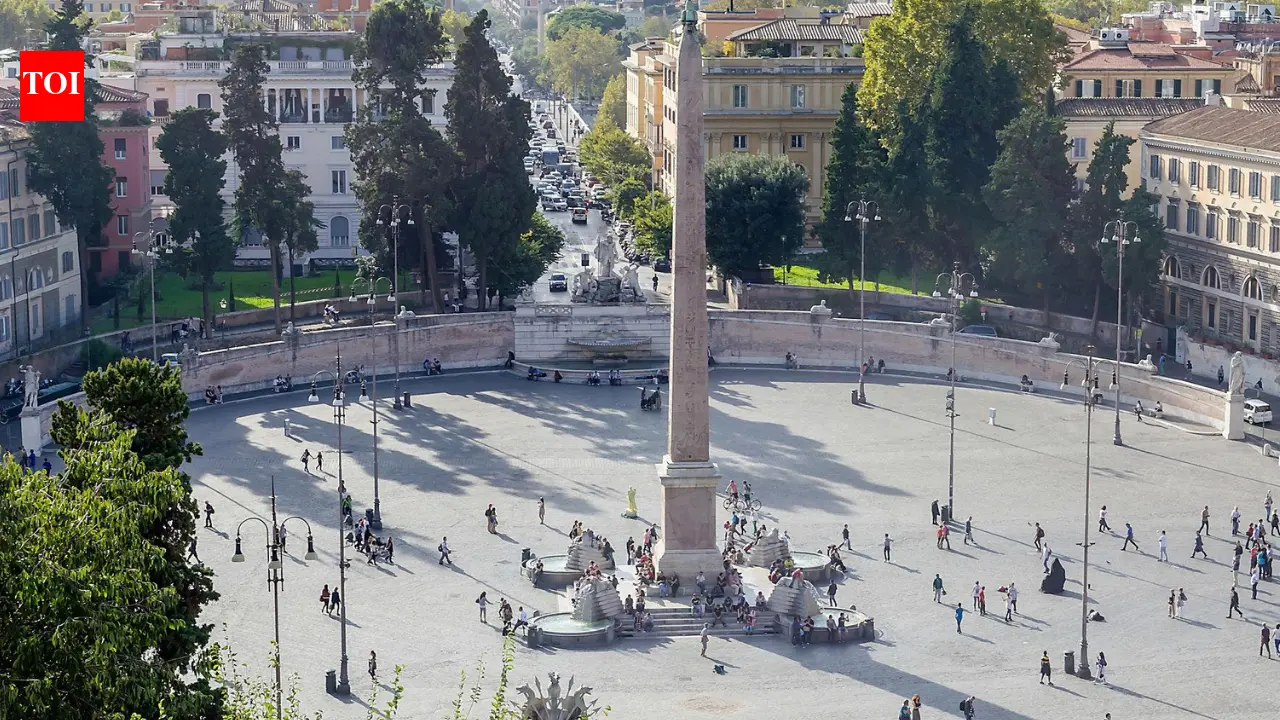
로마의 포폴로 광장 전망으로, 곡선형 건축 설계가 소리를 광장 전체에 예상 밖의 방식으로 전달할 수 있습니다. 로마의 일부 지역에서는 속삭임이 그것이 발화된 곳을 훨씬 넘어 멀리까지 전달될 수 있습니다. 곡선형 벽 근처에 서 있거나 거대한 돔 아래에 있으면, 조용한 목소리도 공간 전체에 명확하게 전달될 수 있습니다. 그 효과는 건물 자체가 경청하고 있는 것 같아 섬뜩합니다. 실제로는 기하학과 재료가 함께 작용한 결과입니다. 매끄러운 석재로 지어지고 신중하게 설계된 내부를 가진 고대 로마 구조물들은 소리를 어떤 방식으로든 빠르게 퍼져나가게 하지 않고, 일상적인 말을 공간을 통해 놀라운 정확도로 움직이는 것으로 바꾸어 놓을 수 있습니다.로마 벽이 듣는 방식곡선형 표면 근처에서 소리가 생성되면, 그것은 단순히 모든 방향으로 퍼져나가지 않습니다. 대신, 벽의 윤곽을 따라 통제된 경로로 이동합니다. 이것을 속삭이는 갤러리 효과라고 합니다. 돔이나 원형 벽이 있는 공간에서, 음파는 효율적으로 반사되어 빠르게 사라지지 않고 집중된 상태로 남아있습니다. 결과적으로, 속삭임은 방을 가로질러 이동하여 수 미터 거리에서 예상 밖의 명확함으로 들릴 수 있습니다.로마에서 이 현상의 가장 명확한 예 중 하나는 판테온입니다. 그 거대한 돔과 매끄러운 내부 표면들은 소리가 놀라운 일관성으로 메아리치고 이동할 수 있게 합니다. 조용한 조건에서는 심지어 작은 소음도 공간 전체에 퍼져나갈 수 있습니다.로마 극장들은 소리가 어떻게 관리되었는지에 대한 또 다른 통찰력을 제공합니다. 대규모 관객을 위해 설계된 이러한 야외 구조물들은 반원형 배치와 계층식 좌석을 사용하여 무대에서의 목소리를 투사했습니다. 현대적인 증폭 장치 없이도, 공연자들은 멀리 떨어진 관객석의 관객들에게 명확하게 들릴 수 있었습니다. 이것은 모양과 구조가 어떻게 소리에 영향을 미치는지에 대한 실질적인 이해를 반영합니다. 이러한 환경에서 소리의 명확함은 건축 특징들의 조합에서 비롯됩니다. 석재와 대리석 표면은 소리를 흡수하지 않고 반사시켜, 음파가 그들의 강도를 유지하도록 합니다. 곡선형 모양은 이러한 음파를 예측 가능한 경로를 따라 안내하며, 폐쇄된 내부는 소리가 얼마나 빨리 소산될 수 있는지를 제한합니다. 매끄러운 마무리는 왜곡을 줄여 소리가 이동할 때 명확함을 유지하게 합니다. 함께, 이러한 요소들은 부드러운 목소리도 거리를 통해 이해 가능하게 유지합니다.여전히 말하고 있는 유산고대 로마 건설자들은 내구성, 대칭성, 그리고 규모에 집중했지만, 그들의 설계들은 계속해서 복잡한 음향 행동을 보여줍니다. 이러한 공간에서, 소리는 단순히 사라지지 않습니다. 그것은 반사되고, 이동하고, 공기를 통해 퍼져나가며, 석재와 구조에 의해 형성됩니다. 속삭임은 방을 쉽게 가로질러 이동하여, 벽들이 경청하고 있다는 인상을 만들어내지만, 실제로는 그들이 조용한 정확도로 소리를 안내하고 있는 것입니다.
처리 완료
3,263 tokens · $0.0095
기사 수집 완료 · 11:30
매체 피드에서 기사 메타데이터 수집
헤드라인 번역 완료 · 11:45
제목/요약 한국어 번역 (fetch 시점 inline)
claude-haiku-4-5-20251001
404 tokens
$0.00121
2.4s
본문 추출 완료
2,739자 추출 완료
본문 한국어 번역 완료 · 11:45
1,429자 번역 완료
claude-haiku-4-5-20251001
2,859 tokens
$0.00831
13.8s
지정학적 엔티티 추출 완료 · 11:45
3개 엔티티 추출 완료
지정학적 맥락 & R-Scanner
R-Scanner · 핫스팟
z=4.91
평소보다 훨씬 많은 매체가 집중 보도 중 — 기준: Rome
(🇮🇹 IT)
최근 6시간 28건
7일 평균 11건 / 6h
4개국 매체
4개 매체
본문에서 추출된 지명 (3)
위치 지도
지도 로딩 중…
같은 주제의 다른 기사 (최근 7일)
Ancient Roman structures, utilizing smooth stone and carefully shaped interiors, exhibit remarkable acoustic properties. Curved walls and vast domes guide sound, creating whispering gallery effects where even quiet voices travel with surprising clarity. This architectural design allowed performers in Roman theaters to be heard by large audiences without amplification.
View of Piazza del Popolo in Rome, where curved architectural design can allow sound to travel across the square in unexpected ways. In parts of Rome, a whisper can travel far beyond where it is spoken. Stand near a curved wall or beneath a vast dome and even a quiet voice can carry clearly across the space. The effect feels uncanny, as if the building itself is listening. In reality, it is the result of geometry and materials working together. Ancient Roman structures, built with smooth stone and carefully shaped interiors, can guide sound in ways that keep it focused and audible over distance, turning everyday speech into something that moves through space with surprising precision.How the Roman wall hearsWhen sound is produced near a curved surface, it does not simply spread out in all directions. Instead, it follows the contour of the wall, travelling along it in a controlled path. This is known as the whispering gallery effect. In spaces with domes or circular walls, sound waves reflect efficiently and remain concentrated rather than fading quickly. As a result, a whisper can move across a room and be heard several metres away with unexpected clarity.One of the clearest examples of this behaviour in Rome is the Pantheon. Its vast dome and smooth interior surfaces allow sound to echo and travel with remarkable consistency. Even small noises can carry across the space, especially in quiet conditions.Roman theatres offer another insight into how sound was managed. Designed for large audiences, these open-air structures used semi-circular layouts and tiered seating to project voices from the stage. Without any modern amplification, performers could still be heard clearly by spectators seated far away. This reflects a practical understanding of how shape and structure influence sound. The clarity of sound in these environments comes from a combination of architectural features. Stone and marble surfaces reflect sound instead of absorbing it, allowing waves to retain their strength. Curved shapes guide those waves along predictable paths, while enclosed interiors limit how quickly sound can dissipate. Smooth finishes reduce distortion, keeping the sound clear as it travels. Together, these elements allow even a soft voice to remain intelligible across distance.A legacy that still speaksAncient Roman builders focused on durability, symmetry, and scale, but their designs continue to demonstrate complex acoustic behaviour. In these spaces, sound does not simply fade. It reflects, travels, and carries through the air, shaped by stone and structure. A whisper can cross a room with ease, creating the impression that the walls are listening, when in fact they are guiding sound with quiet precision.