주식, 전쟁 넘어 보며 사상 최고치 근접
Stocks Approach Record High as Wall St. Looks Beyond War
The New York Times
· 🇺🇸 New York, US
Joe Rennison
EN
2026-04-16 01:51
Translated
투자자들은 미국-이스라엘과 이란 간 전쟁의 종식이 기정사실로 여겨지고 있는 것으로 보인다.
S&P 500 지수가 수요일 새로운 사상 최고치에 근접하며, 이란 전쟁이 미국 기업에 상당한 피해를 입히기 전에 평화 협정이 체결될 것이라는 투자자들의 낙관론을 반영했다. 이는 유가 급등으로 경제 전망이 어두워졌음에도 불구한 일이다.
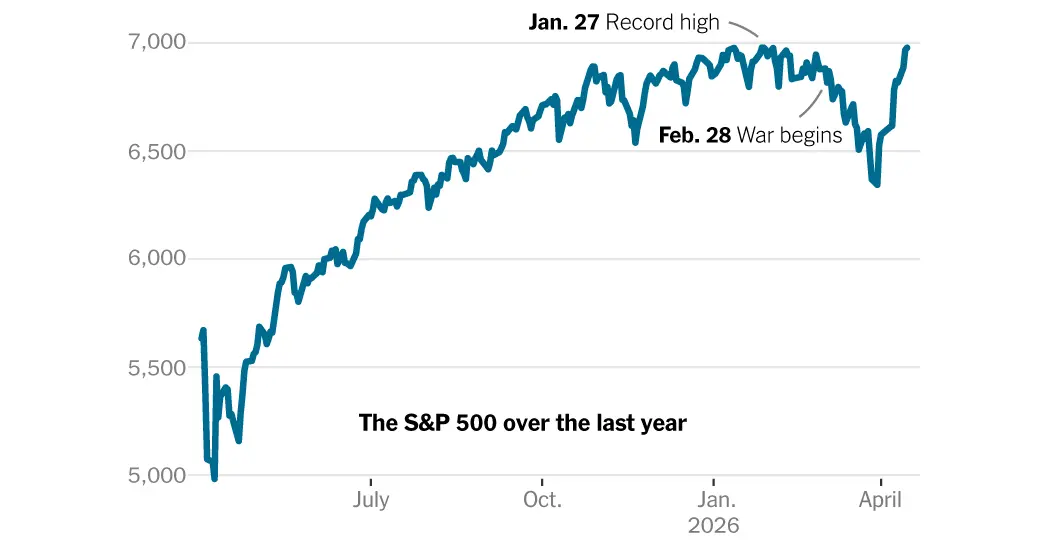
오후 초반 거래에서 S&P 500 지수는 0.4% 상승하며, 널리 주목받는 이 지수가 1월에 달성한 이전 최고치를 뛰어넘어 장을 마감할 전망을 보였다. 해당 지수는 이미 이란 전쟁 기간 중의 손실을 만회했으며, 2월 말 전투 발발 이전보다 거의 2% 높은 수준에 자리하고 있다.
투자자들은 최근 며칠 간 미국과 이란이 지난 주말 파키스탄에서 합의 없이 끝난 협상을 재개할 수 있다는 신호를 환영해왔다. 트럼프 대통령은 전쟁이 종식에 가까워지고 있다고 믿는다는 발언을 남겼다.
평화를 향한 단순한 자세만으로도 주식 시장을 진정시키는 데 도움이 되었다. 지난 주 휴전이 유지되면서, 투자자들은 트럼프 행정부가 곧 분쟁을 종식시키려는 의지를 반영한基조 변화를 주목했다.
"시장은 우리가 이 분쟁의 최악을 이미 지났다고 가정하고 거래되고 있다"고 바클리즈의 주식 애널리스트 스테파노 파스칼레는 말했다.
S&P 500 지수는 이번 주에만 이미 2% 이상 상승하며, 3주 연속 상승세를 이어갈 기세를 보이고 있다. 이러한 연승 행진은 10월 이후 처음이다. 해당 지수는 3월 30일—최근 매도세의 최저점—이후 9.8% 상승했다.
그럼에도 일부 시장 관찰자들은 홀무즈 해협—이란 남부 해안의 좁은 수역으로 세계 원유 공급의 중요한 해상로 역할을 함—이 여전히 봉쇄된 상태에서 이루어진 최근 랠리에 당혹감을 표했다. 미국과 이란 간 공식 평화 협정이 이루어진다 해도, 선박 운항 재개와 항만 및 기타 석유 시설 피해 복구에는 상당한 시간이 걸릴 수 있다. 높은 유가와 가스 가격은 미국 인플레이션 상승과 소비자 신뢰 급락으로 이어지고 있다.
국제통화기금(IMF)은 화요일 원유 시장 교란이 성장 둔화, 인플레이션 촉진, 그리고 세계 경기 침체 가능성을 높일 수 있다고 밝혔다. IMF는 전쟁이 단기간에 끝난다 해도 세계 경제에 대한 피해는 이미 발생했다며 경제 성장 전망을 하향 조정했다.
"조금 이상한 것은 일부가 마치 평상시와 다름없다고 가정하는 경향이 있다는 점"이라고 크리스틴 라가르드 유럽중앙은행 총재가 화요일 워싱턴에서 블룸버그가 주최한 행사에서 시장의 겉보기 과열에 대해 질문받으며 말했다.
분쟁으로 인한 원유 시장 교란이 길어질수록 세계 경제와 금융 시장에 대한 리스크는 커진다. 그러나 주식 투자자들이 이미 전쟁 종식을 코앞에 두고 있다는 또 다른 신호로, 주식은 최근 몇 주간 유가 상승일에도 상승세를 보였다.
뱅크오브아메리카가 4월 9일까지 한 주간 실시한 널리 주목받는 월간 펀드 매니저 설문조사는 작년 6월 이후 가장 비관적인 투자 매니저 전망을 보였다. 최근 설문에서 경제 성장 기대치는 급락하고 인플레이션 전망은 급등했다.
그러나 중요하게도, 이것이 경기 침체로 이어질 것이라고 답한 이는 거의 없었다. 경기 침체 없이는 투자자들이 이번 주 시작된 기업 실적이 제공하는 여전히 견고한 배경에 다시 집중할 수 있게 되었다.
애널리스트들은 6분기 연속 두 자릿수 실적 성장을 예상하며, 일부는 약 5년 만에 최고의 실적 시즌을 기대하고 있다. 이는 3월 시장 어려움을 떨쳐내는 데 확고한 지지를 제공했다.
"기업 실적이 주식 수익의 가장 큰 동인인 만큼, 이러한 수준의 확고한 실적 성장은 홀무즈 해협의 실질적 봉쇄로 유가가 수십 년 만에 최고 수준으로 치솟으며 1분기 시장이 타격받은 상황을 고려할 때 믿을 수 없을 정도로 긍정적인 신호"라고 펀드스트랫의 전략가 하디카 싱은 말했다.
은행업의 바로미터인 JP모건체이스는 화요일 올해 첫 3개월에 170억 달러의 이익을 보고했으며, 이는 애널리스트들의 예상을 훨씬 웃돈다. 해당 은행은 올해 나머지 기간 이익 전망을 소폭 하향 조정했지만, 여전히 1000억 달러 이상을 벌어들일 것으로 예상한다. 경영진은 에너지 비용이 소비자에게 부담을 주는 것에 대해 우려를 표했지만, 노동 시장이 여전히 건전하다고 강조했다. 골드만삭스, 시티, 뱅크오브아메리카도 이번 주 강력한 이익을 보고했다.
S&P 500이 보내는 신호를 뒷받침하며, 경제적 충격에 더 취약한 것으로 여겨지는 중소기업의 러셀 2000 지수도 급격히 랠리했다. 해당 지수는 3월 30일 이후 12% 이상 상승했으며, 수요일 거래 시작 시 1월 기록과 0.5% 차이에 불과했다.
대형 기술 기업들이 S&P 500 상승을 이끌었지만, 회복세는 인공지능 붐의 총아들에만 국한되지 않았다. S&P 500 기업의 80% 이상이 현재 3월 30일보다 높은 수준에 있다.
그러나 이번 행정부가 마음을 빠르게 바꿀 수 있다는 인식이 주식 매도세를 어느 정도 억제했던 것처럼, 많은 애널리스트들은 시장이 현재 상승세를 보이는 가운데 유사한 주의를 당부하고 있다.
뱅크오브아메리카 애널리스트들은 미국 주식이 여전히 "양쪽 꼬리 리스크"에 직면해 있다고 지적했다.
전쟁으로 인한 유가 상승 덕분에 부양받았던 에너지주의 상승세는 이제 약해졌다. 제너럴밀스나 달러제너럴 같은 필수 소비재 주식은 전쟁 발발 이전보다 여전히 크게 낮은 수준에 있으며, 두 기업 모두 2월 말 이후 20% 이상 하락했다. S&P 500 기업의 약 3분의 2는 전쟁 발발 당시보다 여전히 낮은 수준에 있다.
"분명한 리스크는 우리가 이 분쟁의 최악을 아직 보지 못했다는 것"이라고 파스칼레 씨는 말했다.
조 렌니슨은 금융 시장에 대해 글을 쓰며, 주식 시장의 변덕을 기록하는 것부터 월가 내부자들의 종종 난해한 거래 결정을 설명하는 것까지 다루고 있다.
오후 초반 거래에서 S&P 500 지수는 0.4% 상승하며, 널리 주목받는 이 지수가 1월에 달성한 이전 최고치를 뛰어넘어 장을 마감할 전망을 보였다. 해당 지수는 이미 이란 전쟁 기간 중의 손실을 만회했으며, 2월 말 전투 발발 이전보다 거의 2% 높은 수준에 자리하고 있다.
투자자들은 최근 며칠 간 미국과 이란이 지난 주말 파키스탄에서 합의 없이 끝난 협상을 재개할 수 있다는 신호를 환영해왔다. 트럼프 대통령은 전쟁이 종식에 가까워지고 있다고 믿는다는 발언을 남겼다.
평화를 향한 단순한 자세만으로도 주식 시장을 진정시키는 데 도움이 되었다. 지난 주 휴전이 유지되면서, 투자자들은 트럼프 행정부가 곧 분쟁을 종식시키려는 의지를 반영한基조 변화를 주목했다.
"시장은 우리가 이 분쟁의 최악을 이미 지났다고 가정하고 거래되고 있다"고 바클리즈의 주식 애널리스트 스테파노 파스칼레는 말했다.
S&P 500 지수는 이번 주에만 이미 2% 이상 상승하며, 3주 연속 상승세를 이어갈 기세를 보이고 있다. 이러한 연승 행진은 10월 이후 처음이다. 해당 지수는 3월 30일—최근 매도세의 최저점—이후 9.8% 상승했다.
그럼에도 일부 시장 관찰자들은 홀무즈 해협—이란 남부 해안의 좁은 수역으로 세계 원유 공급의 중요한 해상로 역할을 함—이 여전히 봉쇄된 상태에서 이루어진 최근 랠리에 당혹감을 표했다. 미국과 이란 간 공식 평화 협정이 이루어진다 해도, 선박 운항 재개와 항만 및 기타 석유 시설 피해 복구에는 상당한 시간이 걸릴 수 있다. 높은 유가와 가스 가격은 미국 인플레이션 상승과 소비자 신뢰 급락으로 이어지고 있다.
국제통화기금(IMF)은 화요일 원유 시장 교란이 성장 둔화, 인플레이션 촉진, 그리고 세계 경기 침체 가능성을 높일 수 있다고 밝혔다. IMF는 전쟁이 단기간에 끝난다 해도 세계 경제에 대한 피해는 이미 발생했다며 경제 성장 전망을 하향 조정했다.
"조금 이상한 것은 일부가 마치 평상시와 다름없다고 가정하는 경향이 있다는 점"이라고 크리스틴 라가르드 유럽중앙은행 총재가 화요일 워싱턴에서 블룸버그가 주최한 행사에서 시장의 겉보기 과열에 대해 질문받으며 말했다.
분쟁으로 인한 원유 시장 교란이 길어질수록 세계 경제와 금융 시장에 대한 리스크는 커진다. 그러나 주식 투자자들이 이미 전쟁 종식을 코앞에 두고 있다는 또 다른 신호로, 주식은 최근 몇 주간 유가 상승일에도 상승세를 보였다.
뱅크오브아메리카가 4월 9일까지 한 주간 실시한 널리 주목받는 월간 펀드 매니저 설문조사는 작년 6월 이후 가장 비관적인 투자 매니저 전망을 보였다. 최근 설문에서 경제 성장 기대치는 급락하고 인플레이션 전망은 급등했다.
그러나 중요하게도, 이것이 경기 침체로 이어질 것이라고 답한 이는 거의 없었다. 경기 침체 없이는 투자자들이 이번 주 시작된 기업 실적이 제공하는 여전히 견고한 배경에 다시 집중할 수 있게 되었다.
애널리스트들은 6분기 연속 두 자릿수 실적 성장을 예상하며, 일부는 약 5년 만에 최고의 실적 시즌을 기대하고 있다. 이는 3월 시장 어려움을 떨쳐내는 데 확고한 지지를 제공했다.
"기업 실적이 주식 수익의 가장 큰 동인인 만큼, 이러한 수준의 확고한 실적 성장은 홀무즈 해협의 실질적 봉쇄로 유가가 수십 년 만에 최고 수준으로 치솟으며 1분기 시장이 타격받은 상황을 고려할 때 믿을 수 없을 정도로 긍정적인 신호"라고 펀드스트랫의 전략가 하디카 싱은 말했다.
은행업의 바로미터인 JP모건체이스는 화요일 올해 첫 3개월에 170억 달러의 이익을 보고했으며, 이는 애널리스트들의 예상을 훨씬 웃돈다. 해당 은행은 올해 나머지 기간 이익 전망을 소폭 하향 조정했지만, 여전히 1000억 달러 이상을 벌어들일 것으로 예상한다. 경영진은 에너지 비용이 소비자에게 부담을 주는 것에 대해 우려를 표했지만, 노동 시장이 여전히 건전하다고 강조했다. 골드만삭스, 시티, 뱅크오브아메리카도 이번 주 강력한 이익을 보고했다.
S&P 500이 보내는 신호를 뒷받침하며, 경제적 충격에 더 취약한 것으로 여겨지는 중소기업의 러셀 2000 지수도 급격히 랠리했다. 해당 지수는 3월 30일 이후 12% 이상 상승했으며, 수요일 거래 시작 시 1월 기록과 0.5% 차이에 불과했다.
대형 기술 기업들이 S&P 500 상승을 이끌었지만, 회복세는 인공지능 붐의 총아들에만 국한되지 않았다. S&P 500 기업의 80% 이상이 현재 3월 30일보다 높은 수준에 있다.
그러나 이번 행정부가 마음을 빠르게 바꿀 수 있다는 인식이 주식 매도세를 어느 정도 억제했던 것처럼, 많은 애널리스트들은 시장이 현재 상승세를 보이는 가운데 유사한 주의를 당부하고 있다.
뱅크오브아메리카 애널리스트들은 미국 주식이 여전히 "양쪽 꼬리 리스크"에 직면해 있다고 지적했다.
전쟁으로 인한 유가 상승 덕분에 부양받았던 에너지주의 상승세는 이제 약해졌다. 제너럴밀스나 달러제너럴 같은 필수 소비재 주식은 전쟁 발발 이전보다 여전히 크게 낮은 수준에 있으며, 두 기업 모두 2월 말 이후 20% 이상 하락했다. S&P 500 기업의 약 3분의 2는 전쟁 발발 당시보다 여전히 낮은 수준에 있다.
"분명한 리스크는 우리가 이 분쟁의 최악을 아직 보지 못했다는 것"이라고 파스칼레 씨는 말했다.
조 렌니슨은 금융 시장에 대해 글을 쓰며, 주식 시장의 변덕을 기록하는 것부터 월가 내부자들의 종종 난해한 거래 결정을 설명하는 것까지 다루고 있다.
처리 완료
157 tokens · $0.0003
기사 수집 완료 · 03:15
매체 피드에서 기사 메타데이터 수집
헤드라인 번역 완료 · 03:31
제목/요약 한국어 번역 (fetch 시점 inline)
kimi-k2.5
157 tokens
$0.00028
3.5s
본문 추출 완료
6,047자 추출 완료
본문 한국어 번역 완료 · 03:31
2,796자 번역 완료
지정학적 엔티티 추출 완료 · 03:31
6개 엔티티 추출 완료
지정학적 맥락 & R-Scanner
R-Scanner · 평상
z=-0.61
일상적인 보도 수준 — 기준: Iran
(🇮🇷 IR)
최근 6시간 86건
7일 평균 91.89건 / 6h
13개국 매체
18개 매체
본문에서 추출된 지명 (6)
위치 지도
지도 로딩 중…
같은 주제의 다른 기사 (최근 7일)
Investors appear to be treating an end to the U.S.-Israeli war with Iran as a foregone conclusion.
The S&P 500 approached a fresh record high on Wednesday, reflecting investors’ optimism that a peace deal would be reached before the war in Iran could inflict significant damage on corporate America, even as a spike in oil prices has led to a gloomier economic outlook.In early afternoon trading, the S&P 500 rose 0.4 percent, putting the widely watched index on track to end the day above its previous peak, reached in January. The index had already erased its losses during the war in Iran and now sits nearly 2 percent higher than it was before the fighting began in late February.
Investors have been embracing signals in recent days that the United States and Iran could restart talks that ended last weekend in Pakistan without a deal but with comments from President Trump that he believed the war was nearing an end.
The mere posture toward peace has helped to placate the stock market. Since the cease-fire took hold last week, investors have noted a shift in tone by the Trump administration that reflects a desire to end the conflict soon.
“The market is trading assuming we have seen the worst of the conflict,” said Stefano Pascale, an equity analyst at Barclays.
The S&P 500 has risen over 2 percent already this week, putting the index on course for its third straight week of gains, the kind of winning streak not seen since October. The index has risen 9.8 percent since March 30 — the nadir of the recent sell-off.
Still, some market watchers have been perplexed by the recent rally, which has taken place as the Strait of Hormuz, the narrow waterway on Iran’s southern coast that serves as a crucial shipping lane for the world’s oil supply, has remained throttled. Even if a formal peace deal is achieved between the United States and Iran, it could take a long time to get ships moving again and repair damage to ports and other oil facilities. High oil and gas prices have been feeding into rising U.S. inflation and tumbling consumer confidence.
The International Monetary Fund said on Tuesday that disruptions to oil markets could slow growth, fuel inflation and raise the possibility of a global recession. Even if the war is short-lived, the damage to the global economy has been done, the I.M.F. warned as it cut its forecasts for economic growth.
“What is a little strange is that there is a tendency by some to assume that it’s business as usual,” Christine Lagarde, the president of the European Central Bank, said on Tuesday when asked about the seeming exuberance of markets at an event held by Bloomberg in Washington.
The longer oil markets are disrupted from the conflict, the greater the risk to the global economy and to financial markets. But in a further sign that equity investors already consider the end of the war to be in sight, stocks have rallied in recent weeks even on days when oil prices have risen.
A widely watched monthly fund manager survey by Bank of America, conducted over the week through April 9, showed the most bearish outlook among investment managers since June of last year. Expectations for economic growth plummeted in the latest survey and the outlook for inflation shot higher.
But importantly, few responded that they thought this would lead to a recession. And without a recession, investors have been able to return to focusing on the otherwise strong backdrop provided by corporate earnings that kicked off this week.
Analysts expect a sixth straight quarter of double-digit earnings growth, with some anticipating the best earnings season in roughly five years. And that has provided solid support for valuations to shrug off March’s market struggles.
“As corporate earnings are the biggest driver of stock returns, this level of steadfast earnings growth is an incredibly positive sign given that the market has been hammered in the first quarter by the effective closure of the Strait of Hormuz, which has sent oil prices skyrocketing to some of their highest levels in decades,” said Hardika Singh, a strategist at Fundstrat.
JPMorgan Chase, the banking bellwether, on Tuesday reported a $17 billion profit for the first three months of the year, considerably more than analysts expected. The bank slightly lowered its forecast for profits in the remainder of the year, but still expects to earn more than $100 billion. Its executives expressed worry about energy costs weighing on consumers but stressed that the labor market remained healthy. Goldman Sachs, Citi and Bank of America also reported strong profits this week.
Bolstering the signal sent by the S&P 500, the Russell 2000 index of smaller companies — typically seen as more susceptible to economic shocks — has also rallied sharply. The index has risen over 12 percent since March 30 and began trading on Wednesday just 0.5 percent away from its January record.
Big technology companies have led the S&P 500 higher but the recovery has been broader than just the darlings of the artificial intelligence boom. More than 80 percent of the companies in the S&P 500 are now higher than they were on March 30.
However, just as the stock sell-off had been somewhat contained by an awareness that this administration could change its mind quickly, many analysts are urging a similar caution as the market now moves higher.
U.S. stocks are still facing “two-tailed risks,” analysts at Bank of America noted.
The rise in energy stocks, which had been boosted by the rise in oil prices stemming from the war, has now faded. Shares of consumer staples like General Mills or Dollar General remain significantly lower than before the war began, with both companies down more than 20 percent since the end of February. Roughly two-thirds of the companies in the S&P 500 remain lower than they were when the war began.
“The obvious risk is that we have not seen the worst of the conflict,” Mr. Pascale said.
Joe Rennison writes about financial markets, a beat that ranges from chronicling the vagaries of the stock market to explaining the often-inscrutable trading decisions of Wall Street insiders.