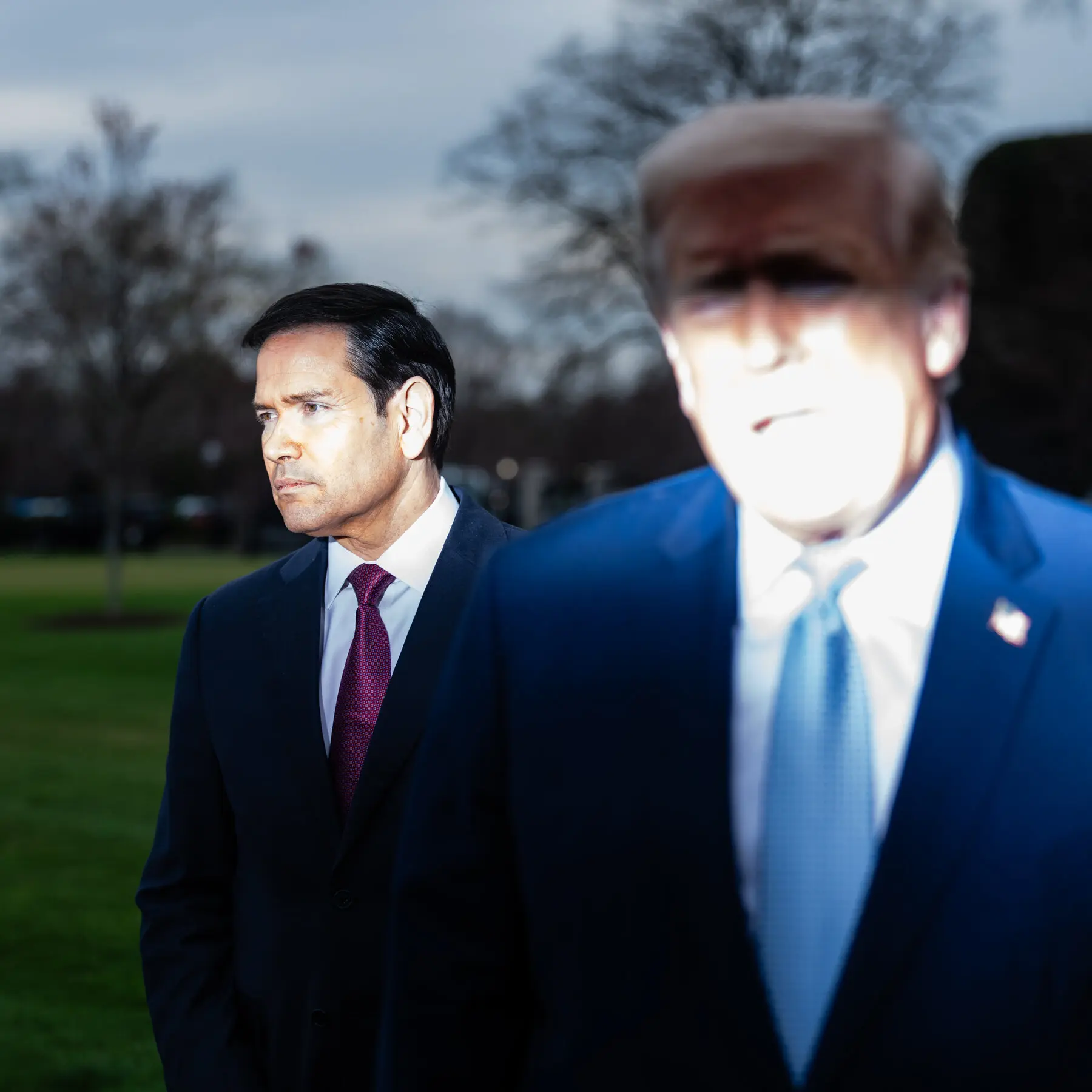
루비오의 이란 회담 불참, 재택근무 역할 강조
Rubio’s Absence From Iran Talks Highlights Stay-at-Home Role
The New York Times
· 🇺🇸 New York, US
Michael Crowley
EN
2026-04-25 09:01
Translated
트럼프 대통령이 외교의 대부분을 다른 사람들에게 위임한 가운데, 루비오는 국가안보보좌관으로서의 두 번째 직책에 집중하고 있다.
10년 이상 전에 버락 오바마 대통령이 이란과 핵 협상을 체결했을 때, 그의 핵심 담당자는 국무장관 존 케리였다. 20개월에 걸친 회담 동안 케리는 이란의 상대방과 최소 18일 이상 만났으며, 때로는 하루에 여러 번 만나기도 했다.
고위급 핵 외교는 미국의 최고 외교관의 자연스러운 역할이었다. 국무장관들은 군비 통제 조약에서 이스라엘-팔레스타인 협상에 이르기까지 국가의 가장 큰 외교 과제를 전통적으로 주도해왔다.
그러나 트럼프 대통령이 이번 주말 파키스탄에서 최근 미국-이란 회담을 위해 대표단을 보낼 준비를 하고 있는 가운데, 그의 국무장관 마르코 루비오는 종종 하는 일처럼 집에 머물러 있을 것이다.
루비오는 이번 달 초 미국과 이란의 마지막 회담에 참석하지 않았다. 지난 1년 동안 제네바와 도하에서 열린 여러 회담에도 참여하지 않았다. 루비오는 또한 우크라이나 전쟁을 해결하고 가자 지구에서의 이스라엘 전쟁을 중재하기 위해 미국 대표단이 해외에서 진행한 업무에도 불참했다. 지역에서 오랜 기간 위기와 전쟁이 계속되었음에도 불구하고, 그는 지난 10월 이스라엘에 잠깐 들렀던 이후 중동을 방문하지 않았다.
최근 몇 개월 동안 루비오는 트럼프의 국가안보보좌관으로서의 두 번째 역할에 빠져 있으며, 거의 여행을 다니지 않았다.
바이든 행정부 시기에 국무장관 앤토니 J. 블린켄은 2024년 1월부터 4월 말까지 11번의 해외 출장을 다녔으며, 약 3십여 개 도시를 방문했다. 올해 루비오는 2026년 동계올림픽을 위해 밀라노에 들렀던 것을 포함하여 6개 외국 도시를 방문했다.
트럼프는 맨해튼 부동산업계의 부유한 친구인 스티브 윗코프와 사위 재러드 쿠슈너를 포함한 다른 사람들에게 대부분의 외교를 위임했다. 윗코프와 쿠슈너는 이스라엘, 우크라이나, 러시아, 이란과의 외교를 주도해왔으며, 이란 대표단과 이번 달 파키스탄의 수도 이슬라마바드에서 두 번째로 만날 예정이다.
루비오의 외교 현장으로부터의 거리감은 트럼프의 국가안보 팀에서의 이중 역할을 반영한다. 지난 1년 동안 그는 국무부를 이끌면서도 백악관 국가안보보좌관으로 일해왔으며, 이는 1970년대 중반 헨리 A. 키신저 이후 처음 있는 일이다.
국무장관은 국무부를 운영하며 미국 외교관과 전 세계 대사관을 감시하고, 워싱턴 기반 정책입안자들을 감독한다. 백악관에서 일하는 국가안보보좌관은 국무부를 포함한 부서와 기관을 조율하여 대통령을 위한 정책 조언을 개발한다.
이중 역할은 트럼프에 미치는 루비오의 영향력을 반영하며, 그에게 그것을 유지할 수 있는 방법을 제공한다. 루비오에게 해외에서의 시간이 적다는 것은 충동적이고 언제든지 중대한 국가안보 결정을 내릴 수 있는 대통령의 곁에 있을 시간이 더 많다는 것을 의미한다.
윗코프, 쿠슈너, 부통령 JD 밴스가 이번 달 초 파키스탄에서 이란 관계자들과 만났을 때, 루비오는 궁극의 격투 챔피언십 경기에서 트럼프의 곁에 있었다고 워싱턴의 초당적 싱크탱크인 스팀슨 센터의 미국 외교 분석가 엠마 애쉬포드가 지적했다. "루비오는 분명히 트럼프 곁에 가까이 있기를 선호한다"고 애쉬포드는 말했다.
루비오는 트럼프가 이전 담당자인 마이클 월츠를 재배치한 후 지난 5월에 국가안보보좌관 직을 임시로 수락했다. 그러나 관계자들에 따르면 루비오는 무기한으로 이 직책을 유지할 것으로 예상된다.
이 같은 배치가 본질적으로 나쁜 것은 아니라고 애쉬포드는 덧붙였다. 그리고 그녀는 이전 대통령들이 국무장관 이외의 사람에게 중대한 외교 업무를 위임했다고 지적했다. 예를 들어, 조셉 R. 바이든 주니어 대통령은 CIA 국장 윌리엄 J. 번즈에게 러시아와의 외교와 이스라엘과 해마스 간의 휴전 협상을 처리하도록 위임했다.
그러나 그녀는 루비오가 두 직책을 모두 수행하는 사람이라기보다는 때때로 국무부에 나타나는 국가안보보좌관처럼 보인다는 현직 및 전직 외교관들의 불만을 반복했다. "국무장관 직이 공석으로 남아 있다는 것이 국무부 전체와 미국의 외교 수행 능력에 해로운 것 같다"고 그녀는 말했다.
국무부 대변인 토미 피곳은 이러한 주장에 반박했다. "루비오 국무장관의 백악관 및 다른 기관과의 긴밀한 조율을 부정적으로 묘사하려는 사람들은 더할 나위 없이 틀렸다"고 그는 말했다. "우리는 이제 완전히 동기화된 국가안보회의와 국무부를 갖고 있으며, 이는 수십 년간 이전 행정부들이 달성하기 어려웠던 목표다."
루비오는 국무부와 백악관 사이에 시간을 나누며, 종종 같은 날 양쪽에서 시간을 보낸다. 지난 6월 정치 매체와의 인터뷰에서 루비오는 국무부를 "거의 매일" 방문한다고 말했다.
그곳에서 그는 백악관으로 돌아가기 전에 방문객 외교관들과의 회의를 자주 주재한다. 지난주 루비오는 국무부에서 레바논의 휴전을 위한 토대를 마련한 레바논과 이스라엘 관계자들 간의 회의를 주재했다.
그의 이중 직책은 "실제로 많은 경우에 겹친다"고 그는 말했다. "많은 경우에 같은 회의나 같은 장소에 있게 되며, 그 안에 있는 사람이 한 명 적을 뿐이다"라고 루비오가 덧붙였다. "많은 사람들이 예를 들어 워싱턴에 와서 국가안보보좌관을 만나고 싶어 하고, 그 다음 나를 국무장관으로 만나고 싶어 한다. 이제 그들은 한 번의 회의에서 둘 다 할 수 있다."
지난 12월 기자회견에서 여행 일정에 대해 질문을 받았을 때, 루비오는 "많은 지도자들이 끊임없이 백악관에서 트럼프를 방문하러" 오기 때문에 해외 여행할 이유가 적다고 말했다. 루비오는 또한 국가안보보좌관으로서의 역할으로 트럼프의 해외 출장에도 동반한다.
많은 국가안보 재직자들은 이 배치를 현명하지 못한 것이라고 부르며, 두 직책 모두 극도로 요구하고 있으며 서로 양립할 수 없다고 말한다.
키신저의 경우에도 쉽지 않았다. 그는 국가안보보좌관으로서 4년 이상 자신을 확고히 수립한 후 1973년 리처드 M. 닉슨 대통령을 설득하여 추가적으로 국무장관 역할을 맡게 했다. (루비오의 접근 방식과는 반대로, 키신저는 33일 연속으로 이어진 중동 셔틀 외교를 포함하여 끊임없이 움직였다.)
조지 W. 부시 행정부 시기에 국가안보회의, 국무부, 국방부의 고위직을 역임한 매튜 왁스먼은 "일반적으로 이러한 역할들을 결합하는 것은 실수다"라고 말했다.
"즉, 이중 직책의 루비오가 지금 보이지 않는 것이 반드시 나쁜 것만은 아니다"라고 왁스먼이 덧붙였다. "특히 이란과의 고위험 외교에 많은 관심이 집중되어 있을 때, 누군가는 세계의 나머지 지역의 외교 정책을 관리할 필요가 있다."
마이클 크라울리는 뉴욕 타임즈를 위해 국무부와 미국 외교 정책을 담당하고 있다. 그는 거의 3십여 개 국가에서 보도했으며 종종 국무장관과 함께 여행한다.
고위급 핵 외교는 미국의 최고 외교관의 자연스러운 역할이었다. 국무장관들은 군비 통제 조약에서 이스라엘-팔레스타인 협상에 이르기까지 국가의 가장 큰 외교 과제를 전통적으로 주도해왔다.
그러나 트럼프 대통령이 이번 주말 파키스탄에서 최근 미국-이란 회담을 위해 대표단을 보낼 준비를 하고 있는 가운데, 그의 국무장관 마르코 루비오는 종종 하는 일처럼 집에 머물러 있을 것이다.
루비오는 이번 달 초 미국과 이란의 마지막 회담에 참석하지 않았다. 지난 1년 동안 제네바와 도하에서 열린 여러 회담에도 참여하지 않았다. 루비오는 또한 우크라이나 전쟁을 해결하고 가자 지구에서의 이스라엘 전쟁을 중재하기 위해 미국 대표단이 해외에서 진행한 업무에도 불참했다. 지역에서 오랜 기간 위기와 전쟁이 계속되었음에도 불구하고, 그는 지난 10월 이스라엘에 잠깐 들렀던 이후 중동을 방문하지 않았다.
최근 몇 개월 동안 루비오는 트럼프의 국가안보보좌관으로서의 두 번째 역할에 빠져 있으며, 거의 여행을 다니지 않았다.
바이든 행정부 시기에 국무장관 앤토니 J. 블린켄은 2024년 1월부터 4월 말까지 11번의 해외 출장을 다녔으며, 약 3십여 개 도시를 방문했다. 올해 루비오는 2026년 동계올림픽을 위해 밀라노에 들렀던 것을 포함하여 6개 외국 도시를 방문했다.
트럼프는 맨해튼 부동산업계의 부유한 친구인 스티브 윗코프와 사위 재러드 쿠슈너를 포함한 다른 사람들에게 대부분의 외교를 위임했다. 윗코프와 쿠슈너는 이스라엘, 우크라이나, 러시아, 이란과의 외교를 주도해왔으며, 이란 대표단과 이번 달 파키스탄의 수도 이슬라마바드에서 두 번째로 만날 예정이다.
루비오의 외교 현장으로부터의 거리감은 트럼프의 국가안보 팀에서의 이중 역할을 반영한다. 지난 1년 동안 그는 국무부를 이끌면서도 백악관 국가안보보좌관으로 일해왔으며, 이는 1970년대 중반 헨리 A. 키신저 이후 처음 있는 일이다.
국무장관은 국무부를 운영하며 미국 외교관과 전 세계 대사관을 감시하고, 워싱턴 기반 정책입안자들을 감독한다. 백악관에서 일하는 국가안보보좌관은 국무부를 포함한 부서와 기관을 조율하여 대통령을 위한 정책 조언을 개발한다.
이중 역할은 트럼프에 미치는 루비오의 영향력을 반영하며, 그에게 그것을 유지할 수 있는 방법을 제공한다. 루비오에게 해외에서의 시간이 적다는 것은 충동적이고 언제든지 중대한 국가안보 결정을 내릴 수 있는 대통령의 곁에 있을 시간이 더 많다는 것을 의미한다.
윗코프, 쿠슈너, 부통령 JD 밴스가 이번 달 초 파키스탄에서 이란 관계자들과 만났을 때, 루비오는 궁극의 격투 챔피언십 경기에서 트럼프의 곁에 있었다고 워싱턴의 초당적 싱크탱크인 스팀슨 센터의 미국 외교 분석가 엠마 애쉬포드가 지적했다. "루비오는 분명히 트럼프 곁에 가까이 있기를 선호한다"고 애쉬포드는 말했다.
루비오는 트럼프가 이전 담당자인 마이클 월츠를 재배치한 후 지난 5월에 국가안보보좌관 직을 임시로 수락했다. 그러나 관계자들에 따르면 루비오는 무기한으로 이 직책을 유지할 것으로 예상된다.
이 같은 배치가 본질적으로 나쁜 것은 아니라고 애쉬포드는 덧붙였다. 그리고 그녀는 이전 대통령들이 국무장관 이외의 사람에게 중대한 외교 업무를 위임했다고 지적했다. 예를 들어, 조셉 R. 바이든 주니어 대통령은 CIA 국장 윌리엄 J. 번즈에게 러시아와의 외교와 이스라엘과 해마스 간의 휴전 협상을 처리하도록 위임했다.
그러나 그녀는 루비오가 두 직책을 모두 수행하는 사람이라기보다는 때때로 국무부에 나타나는 국가안보보좌관처럼 보인다는 현직 및 전직 외교관들의 불만을 반복했다. "국무장관 직이 공석으로 남아 있다는 것이 국무부 전체와 미국의 외교 수행 능력에 해로운 것 같다"고 그녀는 말했다.
국무부 대변인 토미 피곳은 이러한 주장에 반박했다. "루비오 국무장관의 백악관 및 다른 기관과의 긴밀한 조율을 부정적으로 묘사하려는 사람들은 더할 나위 없이 틀렸다"고 그는 말했다. "우리는 이제 완전히 동기화된 국가안보회의와 국무부를 갖고 있으며, 이는 수십 년간 이전 행정부들이 달성하기 어려웠던 목표다."
루비오는 국무부와 백악관 사이에 시간을 나누며, 종종 같은 날 양쪽에서 시간을 보낸다. 지난 6월 정치 매체와의 인터뷰에서 루비오는 국무부를 "거의 매일" 방문한다고 말했다.
그곳에서 그는 백악관으로 돌아가기 전에 방문객 외교관들과의 회의를 자주 주재한다. 지난주 루비오는 국무부에서 레바논의 휴전을 위한 토대를 마련한 레바논과 이스라엘 관계자들 간의 회의를 주재했다.
그의 이중 직책은 "실제로 많은 경우에 겹친다"고 그는 말했다. "많은 경우에 같은 회의나 같은 장소에 있게 되며, 그 안에 있는 사람이 한 명 적을 뿐이다"라고 루비오가 덧붙였다. "많은 사람들이 예를 들어 워싱턴에 와서 국가안보보좌관을 만나고 싶어 하고, 그 다음 나를 국무장관으로 만나고 싶어 한다. 이제 그들은 한 번의 회의에서 둘 다 할 수 있다."
지난 12월 기자회견에서 여행 일정에 대해 질문을 받았을 때, 루비오는 "많은 지도자들이 끊임없이 백악관에서 트럼프를 방문하러" 오기 때문에 해외 여행할 이유가 적다고 말했다. 루비오는 또한 국가안보보좌관으로서의 역할으로 트럼프의 해외 출장에도 동반한다.
많은 국가안보 재직자들은 이 배치를 현명하지 못한 것이라고 부르며, 두 직책 모두 극도로 요구하고 있으며 서로 양립할 수 없다고 말한다.
키신저의 경우에도 쉽지 않았다. 그는 국가안보보좌관으로서 4년 이상 자신을 확고히 수립한 후 1973년 리처드 M. 닉슨 대통령을 설득하여 추가적으로 국무장관 역할을 맡게 했다. (루비오의 접근 방식과는 반대로, 키신저는 33일 연속으로 이어진 중동 셔틀 외교를 포함하여 끊임없이 움직였다.)
조지 W. 부시 행정부 시기에 국가안보회의, 국무부, 국방부의 고위직을 역임한 매튜 왁스먼은 "일반적으로 이러한 역할들을 결합하는 것은 실수다"라고 말했다.
"즉, 이중 직책의 루비오가 지금 보이지 않는 것이 반드시 나쁜 것만은 아니다"라고 왁스먼이 덧붙였다. "특히 이란과의 고위험 외교에 많은 관심이 집중되어 있을 때, 누군가는 세계의 나머지 지역의 외교 정책을 관리할 필요가 있다."
마이클 크라울리는 뉴욕 타임즈를 위해 국무부와 미국 외교 정책을 담당하고 있다. 그는 거의 3십여 개 국가에서 보도했으며 종종 국무장관과 함께 여행한다.
처리 완료
5,917 tokens · $0.0169
기사 수집 완료 · 09:25
매체 피드에서 기사 메타데이터 수집
헤드라인 번역 완료 · 09:36
제목/요약 한국어 번역 (fetch 시점 inline)
claude-haiku-4-5-20251001
203 tokens
$0.00049
1.5s
본문 추출 완료
6,973자 추출 완료
본문 한국어 번역 완료 · 09:36
3,244자 번역 완료
claude-haiku-4-5-20251001
5,714 tokens
$0.01640
37.3s
지정학적 엔티티 추출 완료 · 09:36
8개 엔티티 추출 완료
지정학적 맥락 & R-Scanner
R-Scanner · 평상
z=0.37
일상적인 보도 수준 — 기준: Pakistan
(🇵🇰 PK)
최근 6시간 14건
7일 평균 12.64건 / 6h
7개국 매체
9개 매체
본문에서 추출된 지명 (8)
위치 지도
지도 로딩 중…
같은 주제의 다른 기사 (최근 7일)
President Trump has outsourced much of his diplomacy to others, while Mr. Rubio focuses on his second job as national security adviser.
When President Barack Obama negotiated a nuclear deal with Iran more than a decade ago, his point man was Secretary of State John Kerry. Over 20 months of talks, Mr. Kerry met with his Iranian counterpart on at least 18 different days, often several times per day.High-level nuclear diplomacy was a natural role for the top U.S. diplomat. Secretaries of state traditionally take the lead on the country’s biggest diplomatic tasks, from arms control treaties to Israeli-Palestinian agreements.
But as President Trump prepares to send a delegation to the latest round of U.S.-Iran talks in Pakistan this weekend, his secretary of state, Marco Rubio, will remain where he often does: at home.
Mr. Rubio did not attend the last U.S. meeting with Iran earlier this month. Nor did he join several meetings held over the past year in Geneva and Doha. Mr. Rubio has also been absent from U.S. delegations abroad working to settle the war in Ukraine and Israel’s war in Gaza. Despite a long period of crisis and war in the region, he has not visited the Middle East since a brief stop in Israel last October.
In recent months, Mr. Rubio — consumed with his second role, as Mr. Trump’s national security adviser — has not traveled much at all.
During the Biden administration, Secretary of State Antony J. Blinken made 11 foreign trips from January 2024 to late April 2024, stopping in roughly three dozen cities, according to the State Department. So far this year, Mr. Rubio has visited six foreign cities, including a stop in Milan for the 2026 Winter Olympics.
Mr. Trump has outsourced much of his diplomacy to others, including his friend Steve Witkoff, a wealthy associate from the world of Manhattan real estate, and his son-in-law, Jared Kushner. Mr. Witkoff and Mr. Kushner have spearheaded diplomacy with Israel, Ukraine and Russia, as well as Iran, whose delegation they will meet for the second time this month in Islamabad, Pakistan’s capital.
Mr. Rubio’s distance from the trenches of diplomacy reflects his dual role on Mr. Trump’s national security team. For the past year, he has served as the White House national security adviser even while leading the State Department — the first person to do so since Henry A. Kissinger in the mid-1970s.
The secretary of state runs the State Department, overseeing U.S. diplomats and embassies worldwide, as well as Washington-based policymakers. Working from the White House, the national security adviser coordinates departments and agencies, including the State Department, to develop policy advice for the president.
The twin roles reflect Mr. Rubio’s influence with Mr. Trump, and offer him a way to maintain it. For Mr. Rubio, less time abroad means more time at the side of an impulsive president prone to making critical national security decisions at any moment.
As Mr. Witkoff, Mr. Kushner and Vice President JD Vance met with Iranian officials in Pakistan earlier this month, Mr. Rubio was at Mr. Trump’s side at an Ultimate Fighting Championship event, noted Emma Ashford, an analyst of U.S. diplomacy at the nonpartisan Stimson Center in Washington. “Rubio clearly prefers to stay close to Trump,” Ms. Ashford said.
Mr. Rubio accepted the national security adviser job on an acting basis last May after Mr. Trump reassigned the job’s previous occupant, Michael Waltz. But officials say that Mr. Rubio is expected to keep it indefinitely.
That arrangement is not inherently bad, Ms. Ashford added. And she noted that previous presidents had entrusted major diplomatic tasks to people other than the secretary of state. President Joseph R. Biden Jr. delegated his C.I.A. director, William J. Burns, to handle diplomacy with Russia and cease-fire negotiations between Israel and Hamas, for instance.
But she echoed the complaints by many current and former diplomats that Mr. Rubio seems less like someone performing both jobs than a national security adviser who sometimes shows up at the State Department. “I do think it’s to the detriment of the whole department of State and to America’s ability to conduct diplomacy in general that we effectively have the secretary of state position sitting vacant,” she said.
Tommy Pigott, a State Department spokesman, contested such claims. “Anyone trying to paint Secretary Rubio’s close coordination with the White House and other agencies as a negative could not be more wrong,” he said. “We now have an N.S.C. and State Department that are totally in sync, a goal that has eluded past administrations for decades.”
Mr. Rubio divides his time between the State Department and the White House, often spending time at both in the same day. In an interview with Politico last June, Mr. Rubio said he visited the State Department “almost every day.”
While there, he often meets with visiting dignitaries before returning to the White House. Last week, Mr. Rubio presided over a meeting at the State Department between Lebanese and Israeli officials that set the stage for a cease-fire in Lebanon.
His twin jobs “really do overlap in many cases,” he said. “In many cases you end up being in the same meetings or in the same places; there’s just one less person in there, if you think about it,” Mr. Rubio added. “A lot of people would come to Washington, for example, for meetings, and they’d want to meet with the national security adviser and then meet with me as secretary of state. Now they can do both in one meeting.”
Asked about his travel schedule during a news conference last December, Mr. Rubio said he had less reason to travel abroad because “we have a lot of leaders constantly coming here” to visit Mr. Trump at the White House. Mr. Rubio also joins Mr. Trump’s foreign trips in his capacity as national security adviser.
Many national security veterans call the arrangement unwise, saying that both jobs are extremely demanding and incompatible with one another.
It was not easy even for Mr. Kissinger, who had firmly established himself over more than four years as national security adviser before convincing President Richard M. Nixon to let him take on an additional role as secretary of state in 1973. (In a reversal of Mr. Rubio’s approach, Mr. Kissinger was in constant motion, including a round of Middle East shuttle diplomacy that kept him on the road for 33 straight days.)
“In general, it’s a mistake to combine those roles,” said Matthew Waxman, who held senior roles at the National Security Council, State Department and the Pentagon during the George W. Bush administration.
“That said, it’s not necessarily a bad thing that a dual-hatted Rubio is so offscreen right now,” Mr. Waxman added. “Especially while so much attention is focused on high-wire diplomacy with Iran, someone needs to manage foreign policy around the rest of the world.”
Michael Crowley covers the State Department and U.S. foreign policy for The Times. He has reported from nearly three dozen countries and often travels with the secretary of state.