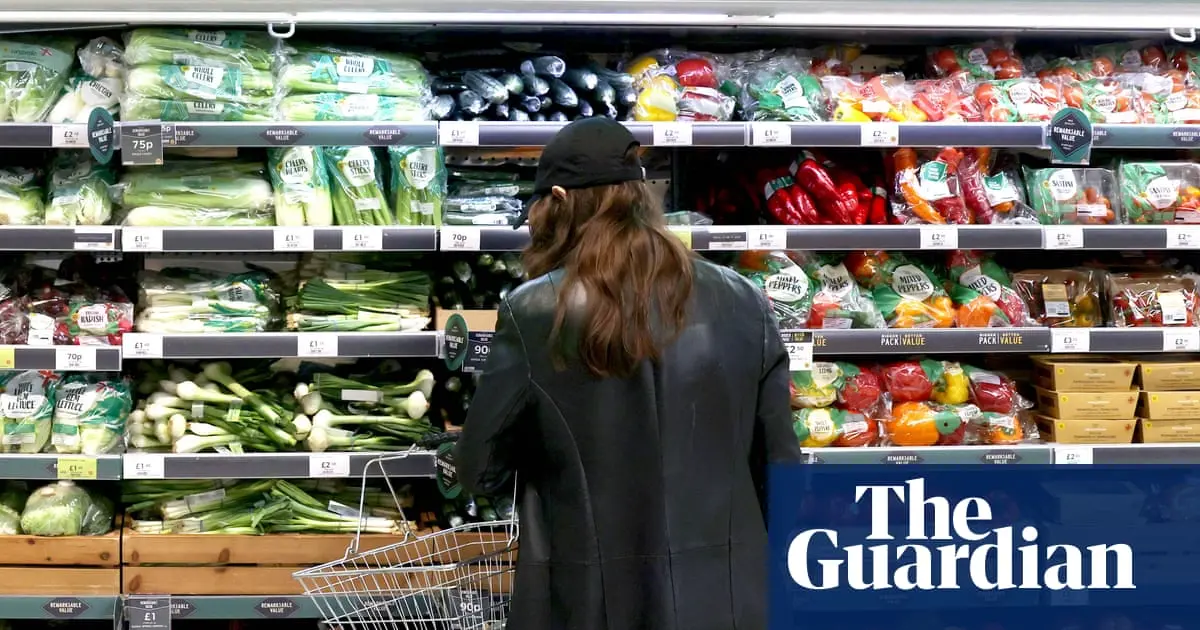
식비를 걸러야 하는 영국 가구 300만 곳, Which? 보고서 발견
Rising costs forcing 3m UK households to skip meals, Which? report finds
The Guardian
· 🇬🇧 London, GB
Claudia Efemini
EN
2026-04-30 14:01
Translated
소비자 통찰력 추적 조사에서 85%가 식품 가격에 대해 우려하고 있으며 대다수는 경제가 악화될 것으로 생각 - 영국 가구 300만 곳이 상승하는 비용에 대처하기 위해 극단적인 조치에 의존하면서 식사를 걸러야 하고 있다고 목요일 발표된 Which? 보고서에 따르면. 중동 분쟁과 그에 따른 석유 및 원자재 가격의 급등으로 인해 기업들이 가격 인상을 준비 중이며, 이는 가계 재정에 더욱 압박을 가하고 소비자 신뢰도를 떨어뜨리고 있다.
영국 가구 300만 곳이 상승하는 비용에 대처하기 위해 극단적인 조치에 의존하면서 식사를 걸러야 하고 있다고 목요일 발표된 Which? 보고서에 따르면.
중동 분쟁과 그에 따른 석유 및 원자재 가격의 급등으로 인해 기업들이 가격 인상을 준비 중이며, 이는 가계 재정에 더욱 압박을 가하고 소비자 신뢰도를 떨어뜨리고 있다.
4월 10일까지의 Which? 소비자 통찰력 추적 조사는 소비자 신뢰도가 -62로 하락했음을 보여준다. 이는 2022년 생활비 위기의 정점 이후 가장 낮은 수준이며 전월의 -56에서 하락한 것이다.
대부분의 성인(71%)은 향후 12개월 동안 영국 경제가 악화될 것이라고 믿고 있으며, 개선될 것이라고 예측하는 사람은 9%에 불과하다. 그리고 85%는 이제 식품 가격에 대해 우려하고 있으며, 이는 2월의 83%에서 상승했다.
상승하는 비용을 관리하기 위해 가족들은 쇼핑 및 식습관을 타협하고 있으며, 43%는 더 저렴한 제품을 구매하고, 37%는 슈퍼마켓 브랜드 예산 상품을 더 많이 구매하고, 31%는 판매 중일 때 추가 항목을 구매하고 있다.
그 위에, 영국 가구 10가구 중 1가구는 이제 식사를 걸러야 하고 있으며 7가구 중 1가구는 일부 식품을 섭취하지 않고 있다.
상승하는 식품 가격 외에도, 조사 대상자 중 10명 중 8명이 연료 가격에 대해 우려하고 있으며, 이는 2월의 7명 중 1명에서 상승했다. 결과적으로, 영국 성인 3명 중 2명 이상이 운전 습관을 조정하고 있으며, 이는 여가 외출과 가족 및 친구 방문이 감소하고 있다.
Which? 조사는 또한 미납금의 증가하는 수를 발견했다. 지난 3개월간 평균 미납 비율은 7.5%로 상승했으며, 2025년 말의 5.7%에서 증가했다.
Which? 정책 및 옹호 담당 이사 Rocio Concha는 "우리의 최신 연구는 가계 재정의 악화뿐 아니라 생활비 압박이 심해지면서 사람들의 신체적, 사회적 안녕에 대한 압박이 심화되고 있음을 강조하고 있다"고 말했다.
"의미 있는 개입이 없으면, 극단적인 조치를 취하는 사람들의 수는 계속 증가할 가능성이 있다."
Which?는 이번 주 의회에서 출범한 생활비 매니페스토에 설명된 긴급 정책 변화를 촉구하고 있으며, 이는 비용을 해결하고 필수 항목에 대한 접근을 확대하는 것을 목표로 한다.
"우리는 더 많은 가구가 심각한 재정적 어려움에 처하기 전에 이러한 비용을 해결하고 신뢰도를 회복하는 데 도움이 되도록 우리의 생활비 매니페스토에 설명된 대로 긴급 조치를 취해야 한다"고 Concha는 말했다.
중동 분쟁과 그에 따른 석유 및 원자재 가격의 급등으로 인해 기업들이 가격 인상을 준비 중이며, 이는 가계 재정에 더욱 압박을 가하고 소비자 신뢰도를 떨어뜨리고 있다.
4월 10일까지의 Which? 소비자 통찰력 추적 조사는 소비자 신뢰도가 -62로 하락했음을 보여준다. 이는 2022년 생활비 위기의 정점 이후 가장 낮은 수준이며 전월의 -56에서 하락한 것이다.
대부분의 성인(71%)은 향후 12개월 동안 영국 경제가 악화될 것이라고 믿고 있으며, 개선될 것이라고 예측하는 사람은 9%에 불과하다. 그리고 85%는 이제 식품 가격에 대해 우려하고 있으며, 이는 2월의 83%에서 상승했다.
상승하는 비용을 관리하기 위해 가족들은 쇼핑 및 식습관을 타협하고 있으며, 43%는 더 저렴한 제품을 구매하고, 37%는 슈퍼마켓 브랜드 예산 상품을 더 많이 구매하고, 31%는 판매 중일 때 추가 항목을 구매하고 있다.
그 위에, 영국 가구 10가구 중 1가구는 이제 식사를 걸러야 하고 있으며 7가구 중 1가구는 일부 식품을 섭취하지 않고 있다.
상승하는 식품 가격 외에도, 조사 대상자 중 10명 중 8명이 연료 가격에 대해 우려하고 있으며, 이는 2월의 7명 중 1명에서 상승했다. 결과적으로, 영국 성인 3명 중 2명 이상이 운전 습관을 조정하고 있으며, 이는 여가 외출과 가족 및 친구 방문이 감소하고 있다.
Which? 조사는 또한 미납금의 증가하는 수를 발견했다. 지난 3개월간 평균 미납 비율은 7.5%로 상승했으며, 2025년 말의 5.7%에서 증가했다.
Which? 정책 및 옹호 담당 이사 Rocio Concha는 "우리의 최신 연구는 가계 재정의 악화뿐 아니라 생활비 압박이 심해지면서 사람들의 신체적, 사회적 안녕에 대한 압박이 심화되고 있음을 강조하고 있다"고 말했다.
"의미 있는 개입이 없으면, 극단적인 조치를 취하는 사람들의 수는 계속 증가할 가능성이 있다."
Which?는 이번 주 의회에서 출범한 생활비 매니페스토에 설명된 긴급 정책 변화를 촉구하고 있으며, 이는 비용을 해결하고 필수 항목에 대한 접근을 확대하는 것을 목표로 한다.
"우리는 더 많은 가구가 심각한 재정적 어려움에 처하기 전에 이러한 비용을 해결하고 신뢰도를 회복하는 데 도움이 되도록 우리의 생활비 매니페스토에 설명된 대로 긴급 조치를 취해야 한다"고 Concha는 말했다.
처리 완료
3,014 tokens · $0.0084
기사 수집 완료 · 14:25
매체 피드에서 기사 메타데이터 수집
헤드라인 번역 완료 · 14:35
제목/요약 한국어 번역 (fetch 시점 inline)
claude-haiku-4-5-20251001
431 tokens
$0.00122
2.8s
본문 추출 완료
2,331자 추출 완료
본문 한국어 번역 완료 · 14:35
1,258자 번역 완료
claude-haiku-4-5-20251001
2,583 tokens
$0.00718
12.7s
지정학적 엔티티 추출 완료 · 14:35
2개 엔티티 추출 완료
지정학적 맥락 & R-Scanner
R-Scanner · 평상
z=0.49
일상적인 보도 수준 — 기준: United Kingdom
(🇬🇧 GB)
최근 6시간 19건
7일 평균 16.93건 / 6h
5개국 매체
7개 매체
본문에서 추출된 지명 (2)
위치 지도
지도 로딩 중…
같은 주제의 다른 기사 (최근 7일)
Consumer insight tracker shows 85% are worried about food prices and a majority think the economy will deteriorateThree million UK households are being forced to skip meals as consumers resort to drastic measures to deal with rising costs, according to a Which? report published on Thursday.The conflict in the Middle East and subsequent surge in oil and raw material prices has led to businesses preparing to raise prices, putting more pressure on household finances and hitting consumer confidence.
Three million UK households are being forced to skip meals as consumers resort to drastic measures to deal with rising costs, according to a Which? report published on Thursday.The conflict in the Middle East and subsequent surge in oil and raw material prices has led to businesses preparing to raise prices, putting more pressure on household finances and hitting consumer confidence.
The Which? consumer insight tracker for the month to 10 April shows a fall in consumer confidence to -62. This is the lowest level since the peak of the cost of living crisis in 2022 and down from -56 the previous month.
Most adults – 71% – believe the UK economy will deteriorate in the next 12 months, with only 9% predicting it will get better. And 85% are now worried about food prices, up from 83% in February.
To manage rising costs, families are compromising on their shopping and eating habits, with 43% buying cheaper products, 37% purchasing more supermarket-branded budget items and 31% buying extra items when on sale.
On top of that, one in 10 UK households are now skipping meals and one in seven are going without some foods.
Apart from rising food costs, eight in 10 of those surveyed are worried about fuel prices, up from one in seven back in February. As a result, more than two-thirds of UK adults are now adjusting their driving habits, resulting in fewer leisure trips and visits to see family and friends.
The Which? survey also found an increasing number of missed bill payments. The average rate of missed payments over the past three months has risen to 7.5%, up from 5.7% at the end of 2025.
“Our latest research highlights the deepening strain not only on household finances, but also on people’s physical and social wellbeing as cost-of-living pressures bite,” said Rocio Concha, Which? director of policy and advocacy.
“Without meaningful interventions, the number of people taking drastic measures is likely to increase.”
Which? is calling for urgent policy changes, outlined in a manifesto launched in parliament this week that sets out to address costs and widen access to essential items.
“We need to see urgent action, as set in our cost of living manifesto, to address these costs and help restore confidence before even more households are pushed into serious financial difficulty,” Concha said.