CJ ENM의 '더 하우스': 실제 배우, AI 그 외 모든 것
Real actors, AI everything else: Inside CJ ENM's 'The House'
The Korea Herald
· 🇰🇷 Seoul, KR
Moon Ki-hoon
EN
2026-05-01 16:00
Translated
엔터테인먼트 거대 기업이 AI와 인간의 하이브리드 공포 영화를 개봉하고 인간이 사라지지 않을 것임을 모두에게 확신시키려 시도하다
지난 몇 년간 할리우드의 AI 활용이 진지해졌다. 노배우의 젊음을 되찾기, 시각 효과 정리, 포스트 작업에서 억양 미세 조정으로 시작했다.
이제 그것을 훨씬 넘어섰다. 루소 형제들은 영화제작자들을 위한 AI 도구 구축에 4억 달러를 투자하고 있다. 더그 리먼은 AI가 3억 달러 예산에서 7천만 달러로 단축했다고 주장하는 영화를 촬영하고 있다.
그렇다면 한국 영화 업계는 어디에 위치하는가?
한국의 선도적인 엔터테인먼트 대기업인 CJ ENM은 '기생충'부터 '본 어프타이트, 유어 매제스티'에 이르기까지 모든 것의 배후에 있으며, 한동안 인공지능으로 실험해오고 있다.
지난해 100% AI로 생성된 애니메이션 '캣 빅기'가 출시되었다. 2월에 회사는 AI 스튜디오 및 대학 그룹과 공식 산업 파트너십을 설립했다.
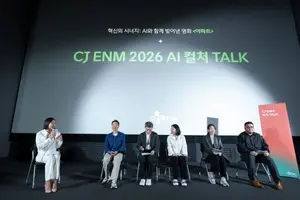
목요일 CGV 용산에서의 공개가 미디어 거대 기업의 다음 시도였다. 거기서 CJ ENM은 구글 클라우드 코리아와 함께 제작한 '더 하우스'라는 60분짜리 공포 영화를 개봉했으며, 실제 배우가 공연을 맡고 AI가 그들 주변의 모든 것을 담당하는 한국 최초의 하이브리드 AI 영화로 홍보되고 있다.
설정은 익숙한 것이다: 죽은 자들을 볼 수 있는 젊은 여성이 낡은 아파트 단지로 이사하고 한 맺힌 유령에게 걸린다. CJ ENM의 AI 스튜디오 책임자인 제작자 정창익이 피칭을 그대로 유지했다.
"우리는 모두가 인식하는 공간에 오컬트 요소와 생물체를 떨어뜨리고 싶었다"고 그는 말했다.
평범한 스트리밍 공포 영화와 크게 다르지 않지만, 궁극적으로 AI 기반 영화제작이 얼마나 발전했는지를 보여주는 전시일 뿐이다.
즉, 이야기는 그것의 뒤에 있는 역학보다 덜 매력적이다. 배우들은 총 4일 동안 그린 스크린에 대해 실내에서 촬영했으며, 모든 배경, 생물체 및 효과는 생성 AI 도구를 사용하여 포스트 작업에서 나중에 생성되었다 — 이미지 생성을 위한 구글의 이미젠, 편집을 위한 나노 바나나, 비디오를 위한 베오.
AI가 예상 밖에 그 가치를 증명하는 곳은 분위기에서이다 — 지저분한 콘크리트 복도, 낡은 벽지가 있는 비좁은 방, 모든 한국 도시의 가장자리에서 찾을 수 있는 낡은 아파트 단지의 매우 구체적인 느낌. 재해 장관도 견디며, 일반적인 촬영에서 심각한 비용을 들일 수 있는 종류의 CGI 집약적 설정이 있다.
팀은 알려진 제한 사항을 해결해야 했다: 주로 서방 참고 자료로 훈련된 이미지 모델은 현지 느낌을 제대로 얻기 어렵다.
해결책은 CJ ENM이 서사 콘텐츠를 위해 특별히 구축한 사내 워크플로우였으며, 실제로는 한국 아파트처럼 보이는 모델로 모델을 속이기 위해 사용했다.
자금 측면에서 정은 모두가 기다리던 수치를 떨어뜨렸다: 5억 원, 즉 약 $337,000. 관점을 얻기 위해, 전형적인 중기 예산 제작은 여기서 약 30억 원에서 시작한다.
"일반화하지 않으려고 조심하지만, 일반적인 방식으로 하면 적어도 5배는 들었을 것"이라고 정은 말했다. 그는 장관이 클수록 절약이 커진다고 덧붙였다: "커피를 마시는 캐릭터는 괴물과 싸우는 캐릭터와 약 같은 비용이 든다."
더 큰 질문은 다음에 무엇이 올지이다. AI 기술은 엄청난 속도로 개선되고 있으며, 몇 달마다 더 적은 인간이 개입하는 새로운 도구의 물결이 나타난다.
불과 몇 달 전, 바이트댄스의 텍스트-투-비디오 모델 씨드댄스는 톰 크루즈와 브래드 피트가 칼을 휘두르는 좀비와 싸우는 클립을 드롭했으며, 가짜인지 아닌지 구분할 수 없을 정도로 설득력이 있었다.
이는 명백한 질문을 제기한다: 배우 자신들이 다음이 될 때까지 얼마나 오래 걸릴 것인가?
인간 배우가 언젠가 불필요해질 수 있는지에 대해 질문을 받은 패널은 견고했다.
"AI는 배우가 하는 일을 대체할 수 없다"고 CJ ENM의 콘텐츠 혁신 책임자 백현정이 말했다. "공연이 이야기의 진정성을 전달한다. AI는 배경과 효과를 처리하여 이야기하기가 그대로 유지될 수 있도록 한다."
'더 하우스'는 5월 1일부터 티빙에서 스트리밍된다.
이제 그것을 훨씬 넘어섰다. 루소 형제들은 영화제작자들을 위한 AI 도구 구축에 4억 달러를 투자하고 있다. 더그 리먼은 AI가 3억 달러 예산에서 7천만 달러로 단축했다고 주장하는 영화를 촬영하고 있다.
그렇다면 한국 영화 업계는 어디에 위치하는가?
한국의 선도적인 엔터테인먼트 대기업인 CJ ENM은 '기생충'부터 '본 어프타이트, 유어 매제스티'에 이르기까지 모든 것의 배후에 있으며, 한동안 인공지능으로 실험해오고 있다.
지난해 100% AI로 생성된 애니메이션 '캣 빅기'가 출시되었다. 2월에 회사는 AI 스튜디오 및 대학 그룹과 공식 산업 파트너십을 설립했다.
목요일 CGV 용산에서의 공개가 미디어 거대 기업의 다음 시도였다. 거기서 CJ ENM은 구글 클라우드 코리아와 함께 제작한 '더 하우스'라는 60분짜리 공포 영화를 개봉했으며, 실제 배우가 공연을 맡고 AI가 그들 주변의 모든 것을 담당하는 한국 최초의 하이브리드 AI 영화로 홍보되고 있다.
설정은 익숙한 것이다: 죽은 자들을 볼 수 있는 젊은 여성이 낡은 아파트 단지로 이사하고 한 맺힌 유령에게 걸린다. CJ ENM의 AI 스튜디오 책임자인 제작자 정창익이 피칭을 그대로 유지했다.
"우리는 모두가 인식하는 공간에 오컬트 요소와 생물체를 떨어뜨리고 싶었다"고 그는 말했다.
평범한 스트리밍 공포 영화와 크게 다르지 않지만, 궁극적으로 AI 기반 영화제작이 얼마나 발전했는지를 보여주는 전시일 뿐이다.
즉, 이야기는 그것의 뒤에 있는 역학보다 덜 매력적이다. 배우들은 총 4일 동안 그린 스크린에 대해 실내에서 촬영했으며, 모든 배경, 생물체 및 효과는 생성 AI 도구를 사용하여 포스트 작업에서 나중에 생성되었다 — 이미지 생성을 위한 구글의 이미젠, 편집을 위한 나노 바나나, 비디오를 위한 베오.
AI가 예상 밖에 그 가치를 증명하는 곳은 분위기에서이다 — 지저분한 콘크리트 복도, 낡은 벽지가 있는 비좁은 방, 모든 한국 도시의 가장자리에서 찾을 수 있는 낡은 아파트 단지의 매우 구체적인 느낌. 재해 장관도 견디며, 일반적인 촬영에서 심각한 비용을 들일 수 있는 종류의 CGI 집약적 설정이 있다.
팀은 알려진 제한 사항을 해결해야 했다: 주로 서방 참고 자료로 훈련된 이미지 모델은 현지 느낌을 제대로 얻기 어렵다.
해결책은 CJ ENM이 서사 콘텐츠를 위해 특별히 구축한 사내 워크플로우였으며, 실제로는 한국 아파트처럼 보이는 모델로 모델을 속이기 위해 사용했다.
자금 측면에서 정은 모두가 기다리던 수치를 떨어뜨렸다: 5억 원, 즉 약 $337,000. 관점을 얻기 위해, 전형적인 중기 예산 제작은 여기서 약 30억 원에서 시작한다.
"일반화하지 않으려고 조심하지만, 일반적인 방식으로 하면 적어도 5배는 들었을 것"이라고 정은 말했다. 그는 장관이 클수록 절약이 커진다고 덧붙였다: "커피를 마시는 캐릭터는 괴물과 싸우는 캐릭터와 약 같은 비용이 든다."
더 큰 질문은 다음에 무엇이 올지이다. AI 기술은 엄청난 속도로 개선되고 있으며, 몇 달마다 더 적은 인간이 개입하는 새로운 도구의 물결이 나타난다.
불과 몇 달 전, 바이트댄스의 텍스트-투-비디오 모델 씨드댄스는 톰 크루즈와 브래드 피트가 칼을 휘두르는 좀비와 싸우는 클립을 드롭했으며, 가짜인지 아닌지 구분할 수 없을 정도로 설득력이 있었다.
이는 명백한 질문을 제기한다: 배우 자신들이 다음이 될 때까지 얼마나 오래 걸릴 것인가?
인간 배우가 언젠가 불필요해질 수 있는지에 대해 질문을 받은 패널은 견고했다.
"AI는 배우가 하는 일을 대체할 수 없다"고 CJ ENM의 콘텐츠 혁신 책임자 백현정이 말했다. "공연이 이야기의 진정성을 전달한다. AI는 배경과 효과를 처리하여 이야기하기가 그대로 유지될 수 있도록 한다."
'더 하우스'는 5월 1일부터 티빙에서 스트리밍된다.
처리 완료
3,757 tokens · $0.0106
기사 수집 완료 · 16:00
매체 피드에서 기사 메타데이터 수집
헤드라인 번역 완료 · 16:16
제목/요약 한국어 번역 (fetch 시점 inline)
claude-haiku-4-5-20251001
175 tokens
$0.00050
1.6s
본문 추출 완료
4,082자 추출 완료
본문 한국어 번역 완료 · 16:16
1,964자 번역 완료
claude-haiku-4-5-20251001
3,582 tokens
$0.01008
21.8s
지정학적 엔티티 추출 완료 · 16:16
4개 엔티티 추출 완료
지정학적 맥락 & R-Scanner
R-Scanner · 평상
z=-0.23
일상적인 보도 수준 — 기준: South Korea
(🇰🇷 KR)
최근 6시간 9건
7일 평균 9.75건 / 6h
1개국 매체
1개 매체
본문에서 추출된 지명 (4)
위치 지도
지도 로딩 중…
같은 주제의 다른 기사 (최근 7일)
Entertainment giant premieres 'The House,' a hybrid AI-human horror feature, and tries to convince everyone humans aren't going anywhere
Hollywood's flirtation with AI has gotten serious over the last few years. It started with de-aging older actors, cleaning up visual effects and fine-tuning accents in post.
Now things have moved well past that. The Russo brothers are sinking $400 million into building AI tools for filmmakers. Doug Liman is shooting a feature he claims AI trimmed from a $300 million budget down to $70 million.
So where does that leave the Korean film business?
As it happens, CJ ENM, the country's leading entertainment conglomerate behind everything from "Parasite" to "Bon Appetit, Your Majesty," has been playing around with artificial intelligence for a while.
Last year saw the launch of "Cat Biggie," a 100-percent AI-generated animation. In February, the company set up a formal industry partnership with a group of AI studios and universities.
Thursday's reveal at CGV Yongsan was the next swing for the media giant. There, CJ ENM premiered "The House," a 60-minute horror piece produced with Google Cloud Korea, pitched as Korea's first hybrid AI feature in which real actors carry the performances while AI does everything around them.
The setup is familiar stuff: A young woman who can see the dead moves into a shabby apartment complex and runs afoul of a vengeful ghost with a grudge. Producer Jeong Chang-ik, head of CJ ENM's AI Studio, kept the pitch just as plain.
"We wanted to drop occult elements and creatures into a space everyone recognizes," he said.
It's not far behind your average straight-to-streaming jumpscare fare, but at the end of the day, it's just a showcase for how far AI-powered filmmaking has come.
Which is to say the story is less the draw than the mechanics behind it. Actors shot indoors against green screens for a total of four days, and every background, creature, and effect was generated afterward in post using generative AI tools — Google's Imagen for image generation, Nano Banana for editing, Veo for video.
Where the AI rather unexpectedly earns its keep is in the vibes — the grimy concrete corridors, the cramped rooms with old wallpaper, that very specific feel of a run-down apartment block you'll find on the edge of any Korean city. The disaster spectacle holds up too, with the kind of CGI-heavy setpiece that would have burned serious cash on a regular shoot.
The team said they had to work around a known limitation: image models trained mostly on Western reference data have a hard time getting the local feel right.
The fix was an in-house workflow CJ ENM built specifically for narrative content, which they used to coax the models into something that actually looks like a Korean apartment.
On the money side, Jeong dropped the number everyone was waiting for: 500 million won, or roughly $337,000. To put that in perspective, a typical mid-budget production starts at around 3 billion won here.
"I'm careful not to generalize, but done the usual way it would have cost at least five times that," Jeong said. The greater the spectacle, he added, the greater the savings: "A character drinking coffee costs about the same as a character fighting a monster."
The bigger question is what comes next. AI tech is improving at breakneck speed, and every few months brings a new wave of tools that do more with fewer humans involved.
Just a few months ago, ByteDance's text-to-video model Seedance dropped clips of Tom Cruise and Brad Pitt sparring with sword-wielding zombies so convincing you couldn't tell if they were fake.
Which raises the obvious question: how long before the actors themselves are next?
Pressed on whether human actors might one day become dispensable, the panel held firm.
"AI can't replace what an actor does," said Baek Hyun-jung, head of Content Innovation at CJ ENM. "Performance is what carries the authenticity of a story. AI handles the backgrounds and the effects so the storytelling can stay intact."
"The House" streams on Tving starting May 1.
Hollywood's flirtation with AI has gotten serious over the last few years. It started with de-aging older actors, cleaning up visual effects and fine-tuning accents in post.
Now things have moved well past that. The Russo brothers are sinking $400 million into building AI tools for filmmakers. Doug Liman is shooting a feature he claims AI trimmed from a $300 million budget down to $70 million.
So where does that leave the Korean film business?
As it happens, CJ ENM, the country's leading entertainment conglomerate behind everything from "Parasite" to "Bon Appetit, Your Majesty," has been playing around with artificial intelligence for a while.
Last year saw the launch of "Cat Biggie," a 100-percent AI-generated animation. In February, the company set up a formal industry partnership with a group of AI studios and universities.
Thursday's reveal at CGV Yongsan was the next swing for the media giant. There, CJ ENM premiered "The House," a 60-minute horror piece produced with Google Cloud Korea, pitched as Korea's first hybrid AI feature in which real actors carry the performances while AI does everything around them.
The setup is familiar stuff: A young woman who can see the dead moves into a shabby apartment complex and runs afoul of a vengeful ghost with a grudge. Producer Jeong Chang-ik, head of CJ ENM's AI Studio, kept the pitch just as plain.
"We wanted to drop occult elements and creatures into a space everyone recognizes," he said.
It's not far behind your average straight-to-streaming jumpscare fare, but at the end of the day, it's just a showcase for how far AI-powered filmmaking has come.
Which is to say the story is less the draw than the mechanics behind it. Actors shot indoors against green screens for a total of four days, and every background, creature, and effect was generated afterward in post using generative AI tools — Google's Imagen for image generation, Nano Banana for editing, Veo for video.
Where the AI rather unexpectedly earns its keep is in the vibes — the grimy concrete corridors, the cramped rooms with old wallpaper, that very specific feel of a run-down apartment block you'll find on the edge of any Korean city. The disaster spectacle holds up too, with the kind of CGI-heavy setpiece that would have burned serious cash on a regular shoot.
The team said they had to work around a known limitation: image models trained mostly on Western reference data have a hard time getting the local feel right.
The fix was an in-house workflow CJ ENM built specifically for narrative content, which they used to coax the models into something that actually looks like a Korean apartment.
On the money side, Jeong dropped the number everyone was waiting for: 500 million won, or roughly $337,000. To put that in perspective, a typical mid-budget production starts at around 3 billion won here.
"I'm careful not to generalize, but done the usual way it would have cost at least five times that," Jeong said. The greater the spectacle, he added, the greater the savings: "A character drinking coffee costs about the same as a character fighting a monster."
The bigger question is what comes next. AI tech is improving at breakneck speed, and every few months brings a new wave of tools that do more with fewer humans involved.
Just a few months ago, ByteDance's text-to-video model Seedance dropped clips of Tom Cruise and Brad Pitt sparring with sword-wielding zombies so convincing you couldn't tell if they were fake.
Which raises the obvious question: how long before the actors themselves are next?
Pressed on whether human actors might one day become dispensable, the panel held firm.
"AI can't replace what an actor does," said Baek Hyun-jung, head of Content Innovation at CJ ENM. "Performance is what carries the authenticity of a story. AI handles the backgrounds and the effects so the storytelling can stay intact."
"The House" streams on Tving starting May 1.