우리는 '속도'에 집착한다. 그것이 우리를 어디로 이끌까?
We are obsessed with 'Speed.' Where will it take us?
The Korea Herald
· 🇰🇷 Seoul, KR
Hwang Dong-hee
EN
2026-05-01 16:20
Translated
12살의 김연아는 이미 자신만의 사운드를 만들어가고 있다
한국은 오랫동안 편안함보다는 "빨리, 빨리"라는 문화와 더 많이 연관되어 왔다. 속도는 일상 생활의 선호도라기보다는 조건처럼 느껴지는 경우가 많다. 이 표현은 당일 배송 서비스부터 디지털 생태계에 이르기까지 모든 것에서 반향되는 친숙한 약자가 되었다. 더 빠른 것이 더 좋고, 기다림은 불편함이며 정적함은 지연처럼 느껴진다.
하지만 아이러니하게도 전통 한국 무용은 여전히 느리고, 지루하고, 졸린 것으로 고정관념에 갇혀 있다.
안무가 윤혜정은 서울시립무용단의 예술감독으로도 활동하며 다음과 같은 질문을 던진다: 한국 무용이 이 시대의 속도를 수용할 수 있을까?
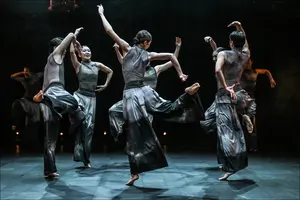
시립 무용단은 금요일부터 일요일까지 세종문화회관에서 '속도'를 공연하는데, 이 작품은 우리의 가속화에 대한 집착을 주제이자 질문으로 전환한다. 이 작품은 지난해 소극장에서 초연되었으며, 이번 시즌에는 무대와 객석 수용 인원이 두 배가 된 중극장에서 돌아온다.
한국 무용에서 속도는 전통 움직임을 뒷받침하는 리듬 사이클인 "장단"에 기초한다. 이러한 사이클은 일반적으로 대비되는 음색을 내는 두 개의 드럼헤드를 가진 모래시계 모양의 한국 타악기인 "장구"에 의해 주도된다.
"처음부터 한국 무용은 리듬 악기와 떼려야 뗄 수 없는 관계에 있습니다. 그것이 정체성의 일부라고 할 수 있습니다"라고 윤은 지난주 코리아헤럴드와의 인터뷰에서 설명했다.
"나는 이러한 리듬 사이클을 훨씬 더 다양하게 만들고 극단적인 속도로 밀어붙이고 싶었습니다. 우리의 무용이 이에 얼마나 많이 변할 수 있을까요?"
그녀는 그 결과를 회사 레퍼토리에서 가장 빠른 작품 중 하나로 설명했다.
"모든 것이 전속력입니다. 무용수들은 그토록 강렬한 에너지를 쏟아내어 리허설 후에는 바닥에 쓰러집니다. 속도를 극단으로 밀어붙입니다."
작품 중간에 구조는 즉흥 연기로 해체된다. 음악과 영상 매체가 무용수의 움직임에 실시간으로 반응하는 가운데 정해진 안무 없이 무용수 한 명이 들어온다. 무용수 김민지와 노연택이 솔로 역할을 번갈아 공연한다.
"즉흥 연기는 베테랑하고만 가능합니다"라고 안무가는 말했다. "그리고 그것은 한국 무용의 필수적인 부분이기도 합니다. 나는 그들을 완전히 신뢰합니다."
윤은 무용수가 완전히 실현된 개인으로 나타나며 느림과 빠름을 완전히 통제하는 장면으로 그 장면을 설명했다. 그녀는 김을 빠른 움직임을 정밀하게 실행하는 긴 팔다리를 가진 매우 유연한 무용수로 칭찬했으며, 노는 탁월한 집중력과 인상적인 속도 및 힘의 폭발을 가진 공연자로 묘사했다.
이 작품은 안무가의 속도를 넘어선 것에 대한 사유를 반영한다.
"기본 전제는 무용수들이 인간의 신체의 한계를 초과하여 전속력으로 일종의 우주에 도달한다는 것입니다"라고 윤은 말했다.
"하지만 그들이 거기에 도달하면 무중력 상태를 만납니다. 그들은 더 이상 예전처럼 움직일 수 없다는 것을 깨닫습니다. 지구상에서 가장 빠른 움직임처럼 느껴지는 것도 어떤 의미에서는 외우주에서는 느립니다."
"결국 나는 속도는 당신 안에 있는 것이라고 말하고 싶었습니다. 어떤 사람들은 속도를 따라갈 수 없습니다. 하지만 그것이 그들을 실패자로 만들지는 않습니다. 그들은 단지 다른 리듬으로 움직일 뿐입니다."
헤럴드 인터뷰
심층 인터뷰 시리즈입니다.
우리는 '속도'에 집착한다. 그것이 우리를 어디로 이끌까?
캔톤 네트워크가 아시아 태평양에서 가속하다
하지만 아이러니하게도 전통 한국 무용은 여전히 느리고, 지루하고, 졸린 것으로 고정관념에 갇혀 있다.
안무가 윤혜정은 서울시립무용단의 예술감독으로도 활동하며 다음과 같은 질문을 던진다: 한국 무용이 이 시대의 속도를 수용할 수 있을까?
시립 무용단은 금요일부터 일요일까지 세종문화회관에서 '속도'를 공연하는데, 이 작품은 우리의 가속화에 대한 집착을 주제이자 질문으로 전환한다. 이 작품은 지난해 소극장에서 초연되었으며, 이번 시즌에는 무대와 객석 수용 인원이 두 배가 된 중극장에서 돌아온다.
한국 무용에서 속도는 전통 움직임을 뒷받침하는 리듬 사이클인 "장단"에 기초한다. 이러한 사이클은 일반적으로 대비되는 음색을 내는 두 개의 드럼헤드를 가진 모래시계 모양의 한국 타악기인 "장구"에 의해 주도된다.
"처음부터 한국 무용은 리듬 악기와 떼려야 뗄 수 없는 관계에 있습니다. 그것이 정체성의 일부라고 할 수 있습니다"라고 윤은 지난주 코리아헤럴드와의 인터뷰에서 설명했다.
"나는 이러한 리듬 사이클을 훨씬 더 다양하게 만들고 극단적인 속도로 밀어붙이고 싶었습니다. 우리의 무용이 이에 얼마나 많이 변할 수 있을까요?"
그녀는 그 결과를 회사 레퍼토리에서 가장 빠른 작품 중 하나로 설명했다.
"모든 것이 전속력입니다. 무용수들은 그토록 강렬한 에너지를 쏟아내어 리허설 후에는 바닥에 쓰러집니다. 속도를 극단으로 밀어붙입니다."
작품 중간에 구조는 즉흥 연기로 해체된다. 음악과 영상 매체가 무용수의 움직임에 실시간으로 반응하는 가운데 정해진 안무 없이 무용수 한 명이 들어온다. 무용수 김민지와 노연택이 솔로 역할을 번갈아 공연한다.
"즉흥 연기는 베테랑하고만 가능합니다"라고 안무가는 말했다. "그리고 그것은 한국 무용의 필수적인 부분이기도 합니다. 나는 그들을 완전히 신뢰합니다."
윤은 무용수가 완전히 실현된 개인으로 나타나며 느림과 빠름을 완전히 통제하는 장면으로 그 장면을 설명했다. 그녀는 김을 빠른 움직임을 정밀하게 실행하는 긴 팔다리를 가진 매우 유연한 무용수로 칭찬했으며, 노는 탁월한 집중력과 인상적인 속도 및 힘의 폭발을 가진 공연자로 묘사했다.
이 작품은 안무가의 속도를 넘어선 것에 대한 사유를 반영한다.
"기본 전제는 무용수들이 인간의 신체의 한계를 초과하여 전속력으로 일종의 우주에 도달한다는 것입니다"라고 윤은 말했다.
"하지만 그들이 거기에 도달하면 무중력 상태를 만납니다. 그들은 더 이상 예전처럼 움직일 수 없다는 것을 깨닫습니다. 지구상에서 가장 빠른 움직임처럼 느껴지는 것도 어떤 의미에서는 외우주에서는 느립니다."
"결국 나는 속도는 당신 안에 있는 것이라고 말하고 싶었습니다. 어떤 사람들은 속도를 따라갈 수 없습니다. 하지만 그것이 그들을 실패자로 만들지는 않습니다. 그들은 단지 다른 리듬으로 움직일 뿐입니다."
헤럴드 인터뷰
심층 인터뷰 시리즈입니다.
우리는 '속도'에 집착한다. 그것이 우리를 어디로 이끌까?
캔톤 네트워크가 아시아 태평양에서 가속하다
처리 완료
3,215 tokens · $0.0089
기사 수집 완료 · 16:20
매체 피드에서 기사 메타데이터 수집
헤드라인 번역 완료 · 16:35
제목/요약 한국어 번역 (fetch 시점 inline)
claude-haiku-4-5-20251001
159 tokens
$0.00037
1.2s
본문 추출 완료
3,353자 추출 완료
본문 한국어 번역 완료 · 16:35
1,659자 번역 완료
claude-haiku-4-5-20251001
3,056 tokens
$0.00855
15.9s
지정학적 엔티티 추출 완료 · 16:35
3개 엔티티 추출 완료
지정학적 맥락 & R-Scanner
R-Scanner · 평상
z=0.25
일상적인 보도 수준 — 기준: Seoul
(🇰🇷 KR)
최근 6시간 6건
7일 평균 5.36건 / 6h
1개국 매체
1개 매체
본문에서 추출된 지명 (3)
위치 지도
지도 로딩 중…
같은 주제의 다른 기사 (최근 7일)
At 12, Kim Yeonah is already shaping her own sound
Korea has long been associated less with a sense of ease than with a culture of "bbali, bbali" ("hurry, hurry"). Speed often feels less like a preference than a condition of everyday life. The phrase has become familiar shorthand, echoed in everything from same-day delivery services to a digital ecosystem. Faster is better, waiting is discomfort and stillness feels like delay.Yet, ironically, traditional Korean dance is still often trapped in a set of stereotypes as slow, dull, sleepy.
So choreographer Yun Hea-joung, who also serves as artistic director of the Seoul Metropolitan Dance Theatre, asks: How can Korean dance embrace the speed of this era?
The city-run dance troupe presents "Speed" at the Sejong Center for the Performing Arts from Friday through Sunday, in a work that turns our obsession with acceleration into both subject and question. The work premiered last year in a small theater, and returns this season in a midsized venue with the stage and seating capacity doubled.
In Korean dance, speed is built on "jangdan," the rhythmic cycles that underpin traditional movement. These cycles are usually driven by the "janggu," an hourglass-shaped Korean percussion with two drumheads that produce contrasting tones.
"From the very beginning, Korean dance has been inseparable from the rhythmic instrument. You could say it is part of its identity," explained Yun, speaking to The Korea Herald last week.
"I wanted to make these rhythmic cycles far more varied and push them toward extreme speed. How much can our dance change in response to this?"
She described the result as one of the fastest works in the company's repertoire.
"Everything is at full speed. The dancers pour out energy at such intensity that, after rehearsals, they collapse on the floor. It pushes speed to an extreme."
Midway through the work, the structure dissolves into improvisation. A single dancer enters without set choreography, as the music and visual media respond in real time to their movement. Dancers Kim Min-ji and Noh Yeon-taek alternate in performing the solo role.
"Improvisation is only possible with veterans," the choreographer said. "And it is also an essential part of Korean dance. I have complete faith in them."
Yun described the scene as one in which the dancer appears as a fully realized individual, entirely in control of both slowness and speed. She praised Kim as a highly flexible dancer with long limbs who executes fast movements with precision, and described Noh as a performer with exceptional concentration and striking bursts of speed and power.
The work reflects the choreographer's contemplation of what lies beyond speed.
"The underlying premise is that the dancers reach a kind of universe at full speed, exceeding the limits of the human body," Yun said.
"But once they arrive there, we meet a state of weightlessness. They find they can no longer move as they once did. Even what feels like the fastest movement on Earth becomes, in a sense, slow in outer space."
"In the end, I wanted to say speed is something inside you. Some people cannot keep up with the speed. But that doesn't make them failures. They simply move at a different rhythm."
Herald Interview
A series of in-depth interviews.
We are obsessed with 'Speed.' Where will it take us?
Canton Network steps on the gas in Asia Pacific